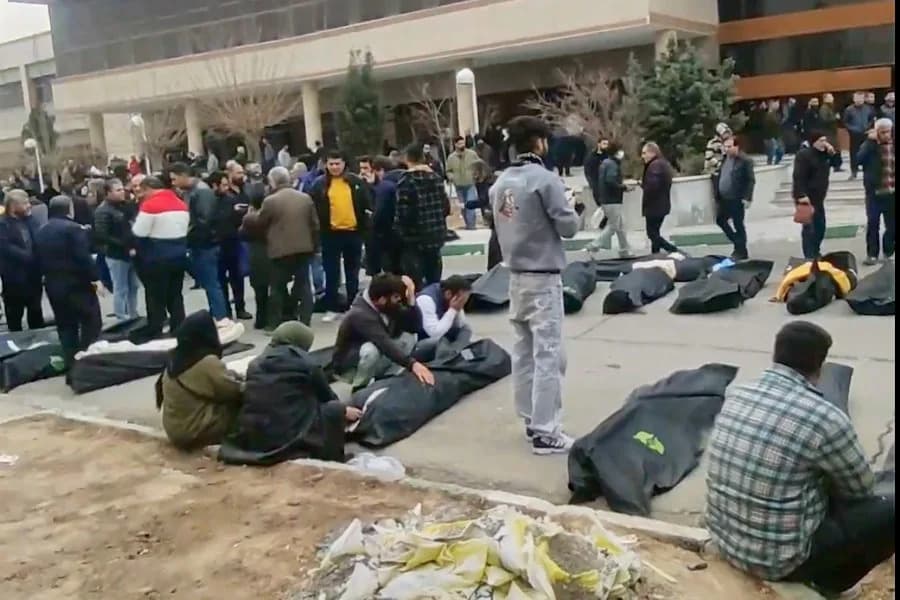
Iranian authorities are accused of withholding the bodies of protesters and coercing families to falsely identify victims as security personnel. Rights groups report altered death certificates, extortionate fees up to £16,000 and the use of mass morgues and refrigerated trucks to store the dead. Witnesses and human‑rights monitors say the practice aims to lower the documented toll of protesters killed and to limit international pressure.
Iran Withholds Protester Bodies and Forces Families to Falsely Claim Victims Were Pro‑Regime
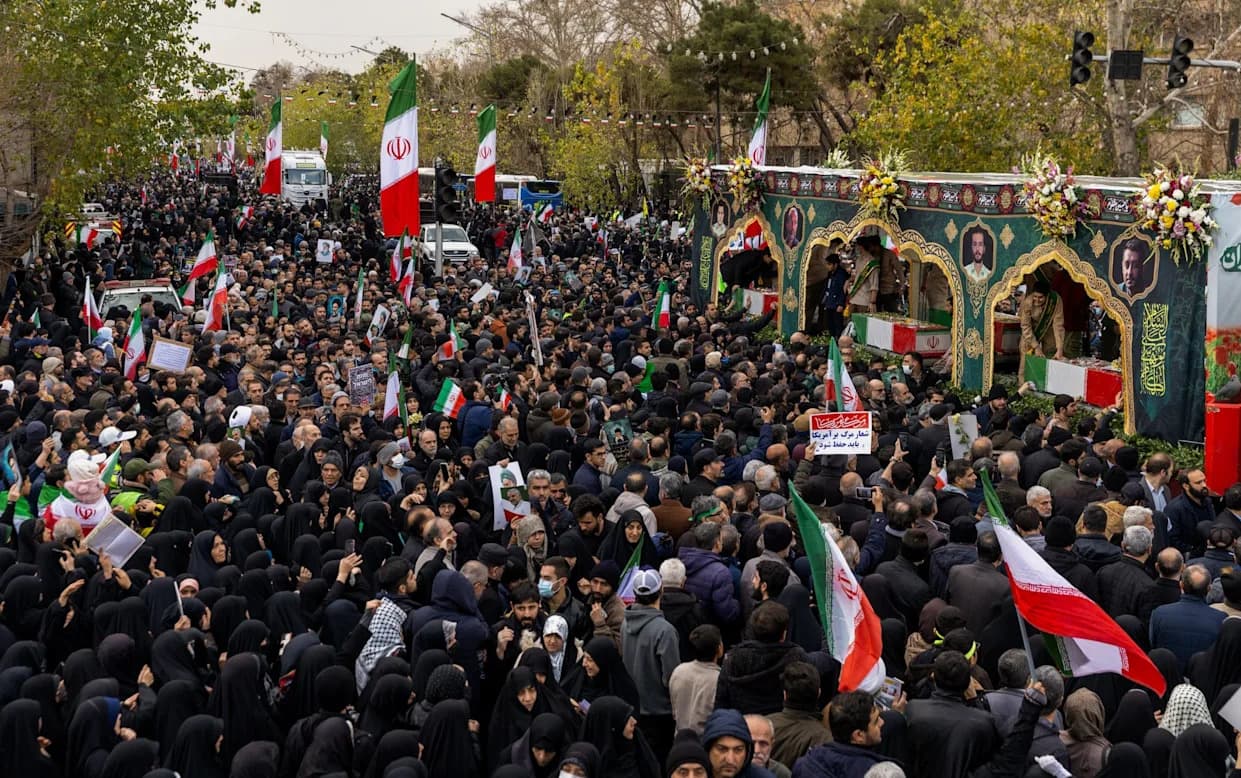
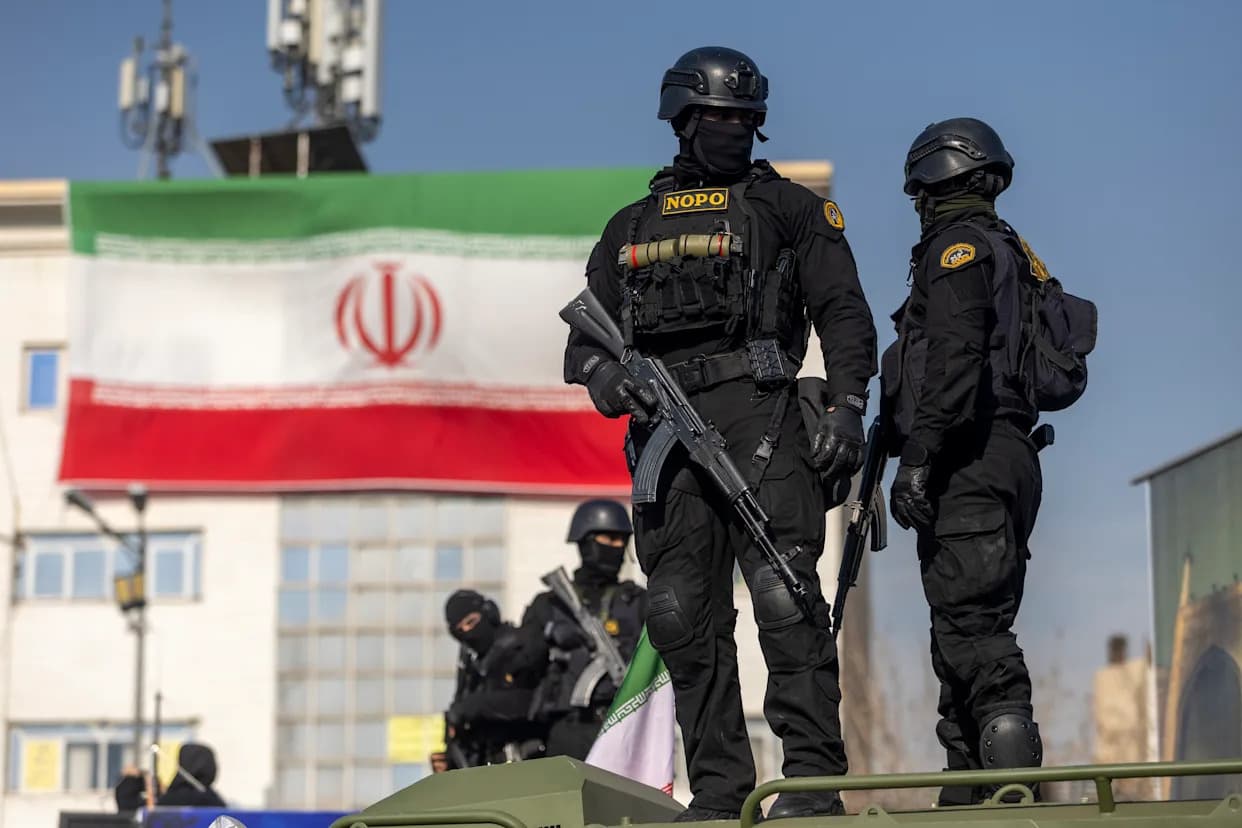
A funeral ceremony for members of Iran’s security forces in Tehran. The regime claimed they were killed during recent nationwide protests - Stringer/Getty
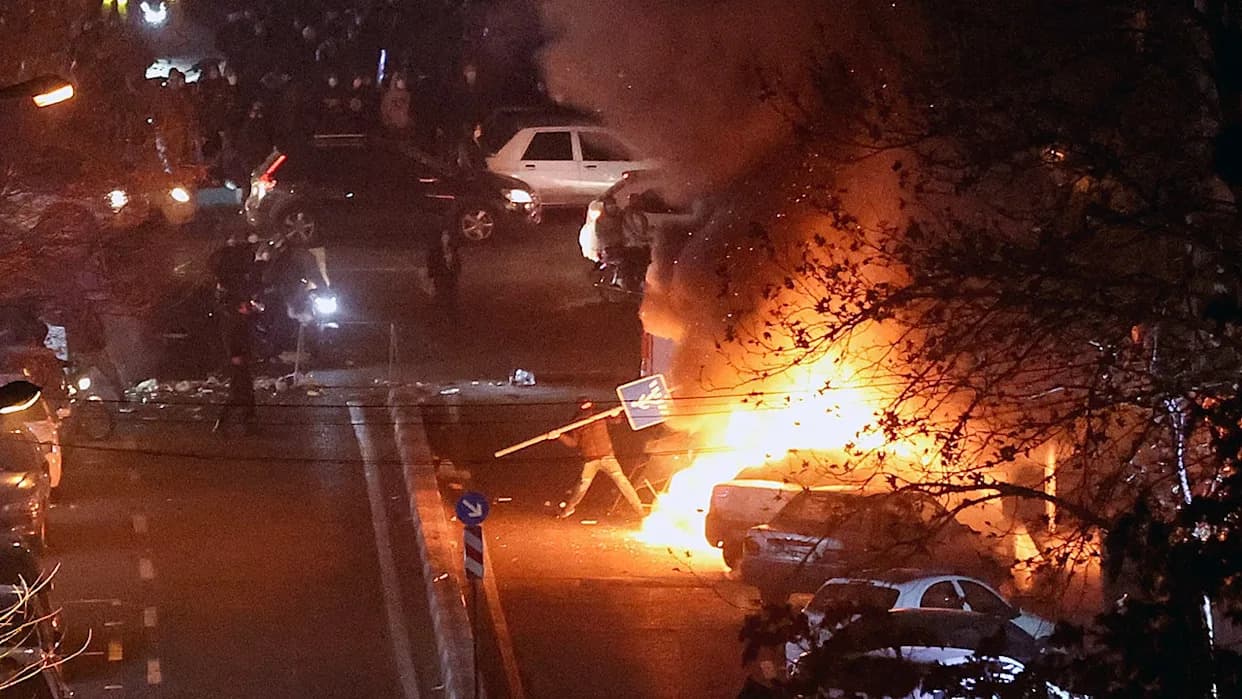
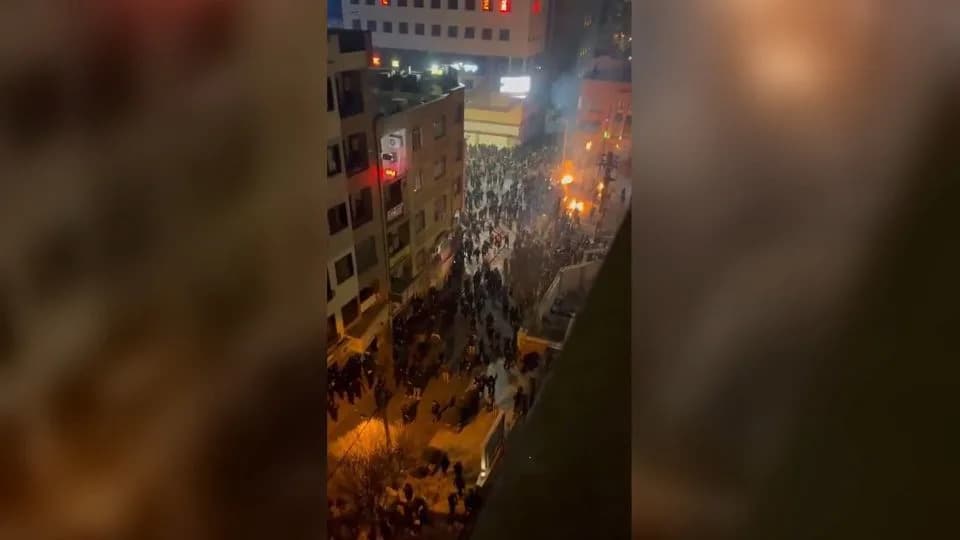
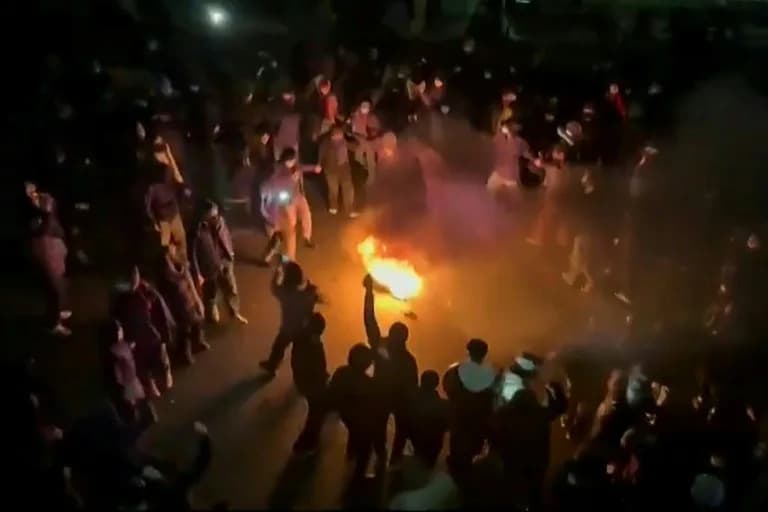
Iranian authorities are accused of withholding the bodies of protesters killed during nationwide unrest and coercing families to publicly declare that the deceased were members of security forces. Survivors and relatives describe a systematic campaign of intimidation, falsified records and extortion designed to hide the scale of state violence.
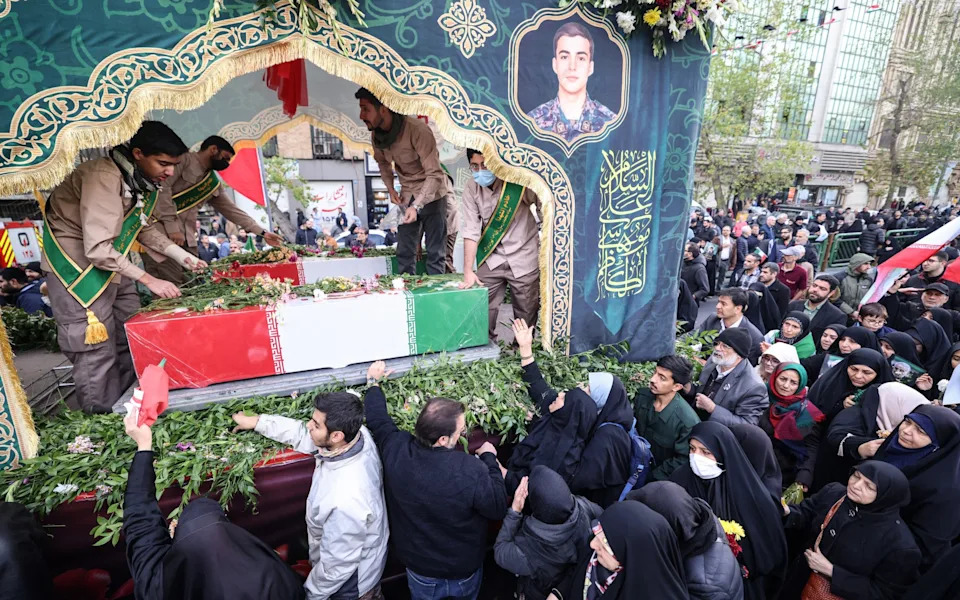
Families of the protesters are blackmailed into accepting the regime’s version of events to bury their loved ones - Atta Kenare/Getty
Families Face Coercion, Lies and Extortion
Farhad lost his sight after a gas canister struck his face and was fatally wounded when a bullet pierced his neck during clashes with security forces in Tehran. Friends called his name as he lay bleeding; his phone continued to buzz with unanswered calls from his parents. Two weeks later his body remained in a government morgue, inaccessible to his family.
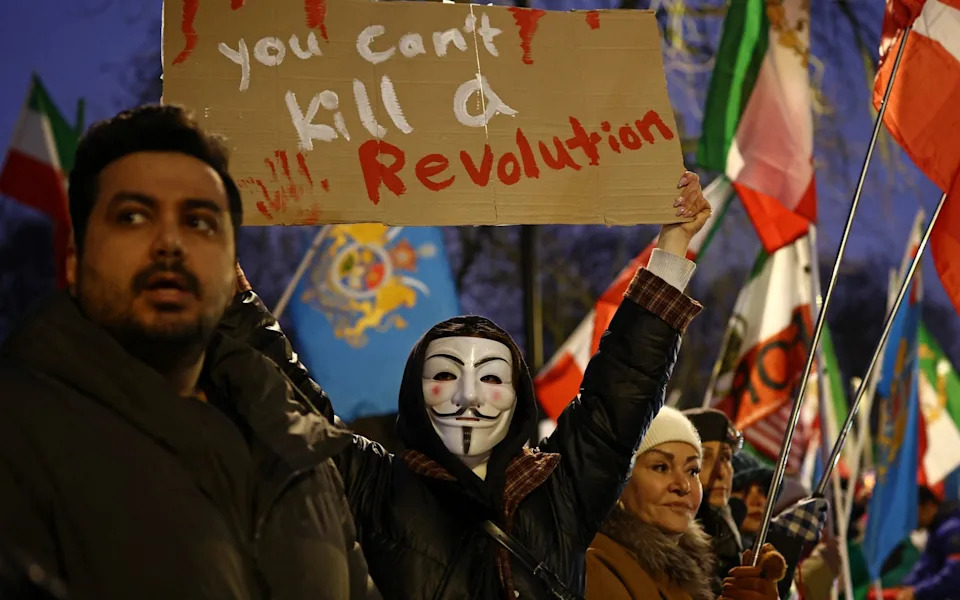
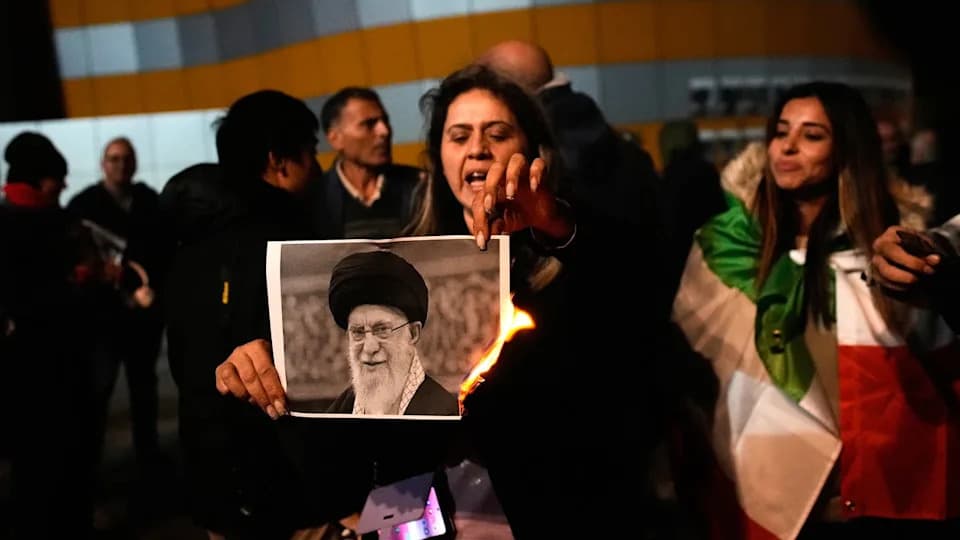
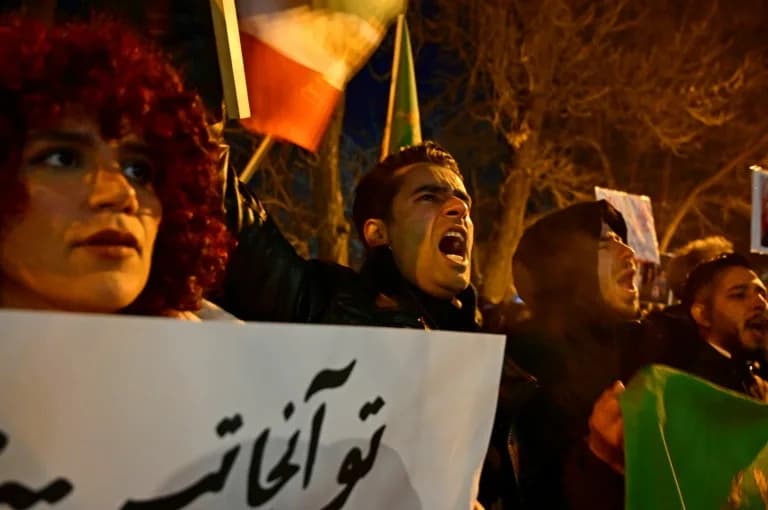
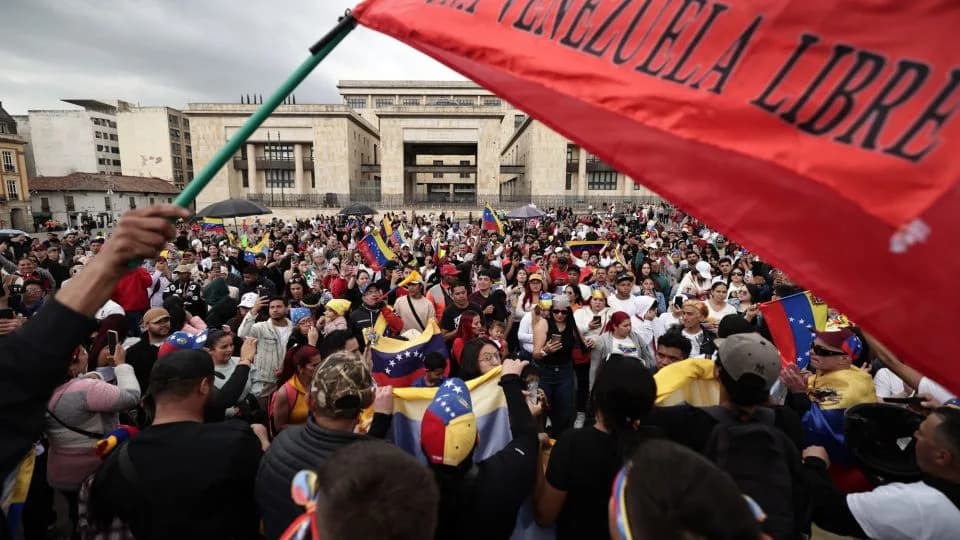
The regime’s crackdown on protesters has prompted mass demonstrations across the world - Henry Nicholls/AFP
Officials demanded that mourners sign statements denying Farhad had been a protester and asserting instead that he was a member of the security forces killed by rioters. Many families, including Farhad’s, refused to comply. Milad (a pseudonym for safety) told reporters:
“I will never sign their documents. The entire system is built on lies. I sacrificed my son for freedom.”Because he would not sign, his son’s body remains withheld.
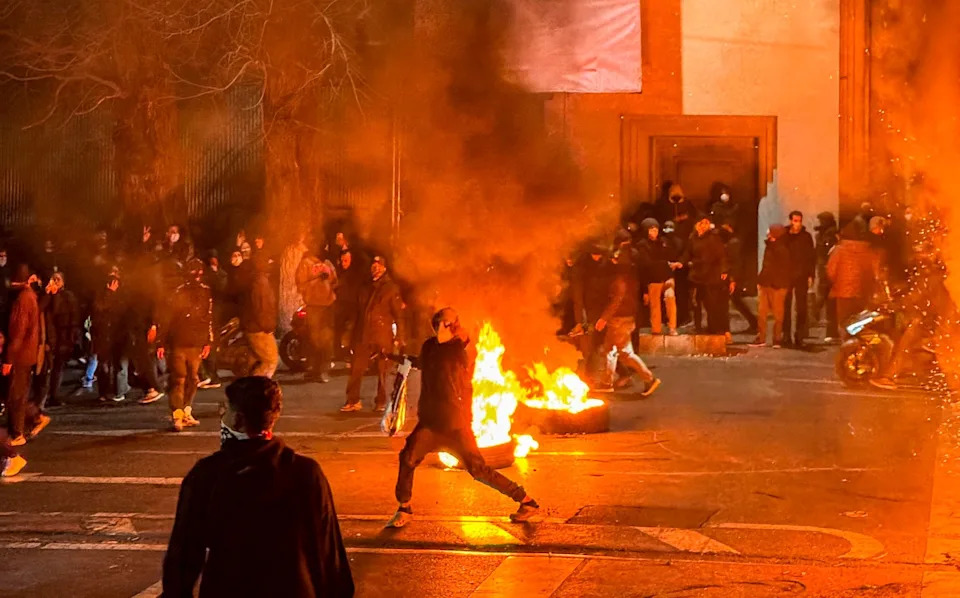
Iranian authorities are charging families extortionate amounts to retrieve their dead - AFP
A Nationwide Pattern, Rights Groups Say
Witness accounts and human-rights organisations report multiple similar cases across Iran. Rights group Iran Human Rights says authorities appear to be recategorising slain protesters as security personnel in official records and using pressure tactics to reduce the documented toll of protesters killed.
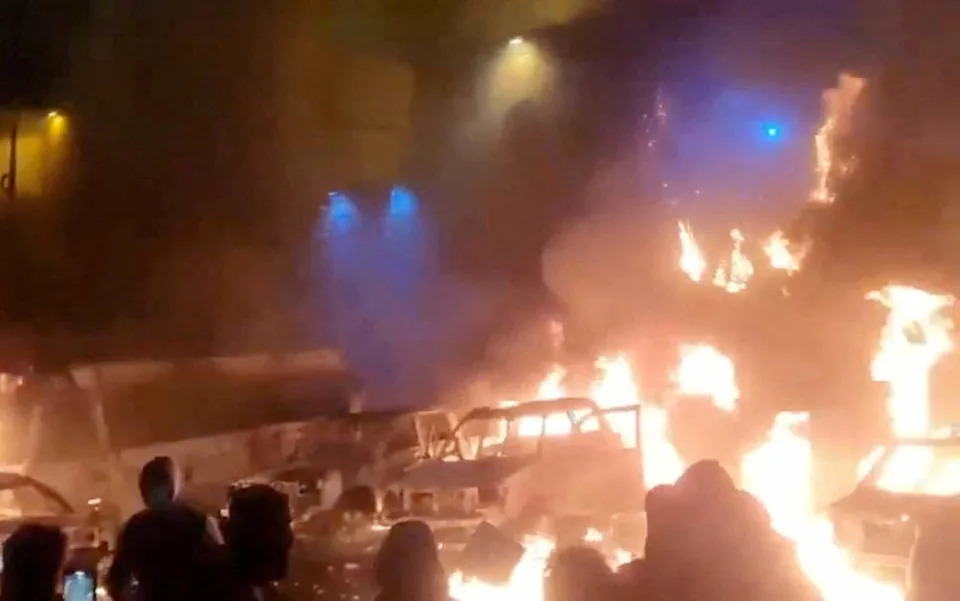
More than 2,570 people have been killed in the Iranian regime’s escalating crackdown on the nationwide protests - Reuters
“One reason for this practice is that the regime seeks to avoid international pressure for killing protesters,” said Mahmood Amiry‑Moghaddam of Iran Human Rights. He added that the practice may also be intended to prepare grounds for future prosecutions or executions by shaping public narratives.
Ransoms, Altered Certificates and Mass Morgues
Some families report being told they must pay as much as £16,000 to reclaim bodies; officials reportedly waive fees if relatives agree to identify the deceased as loyalists (for example, Basij or other security forces). In several cases death certificates list causes such as an “impact with a hard object” instead of gunshot wounds.
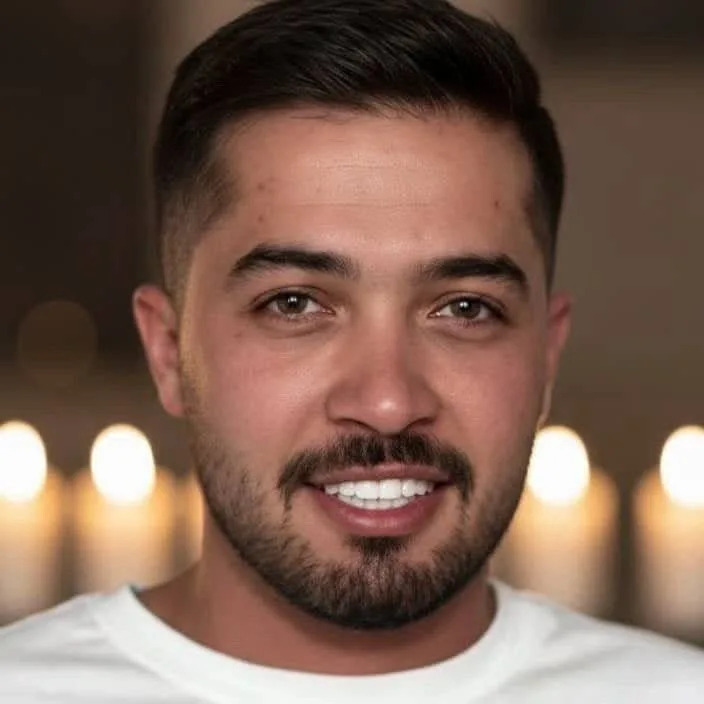
Alireza Rahimi, 26, was shot in the back by the Iranian security forces
Relatives searching for missing loved ones describe chaotic scenes at locations such as Tehran’s Behesht‑e Zahra cemetery: officials initially deny bodies exist, then direct families to vast hangars used as mass morgues or to refrigerated trucks — ice‑cream lorries and dairy transporters repurposed to store the dead.
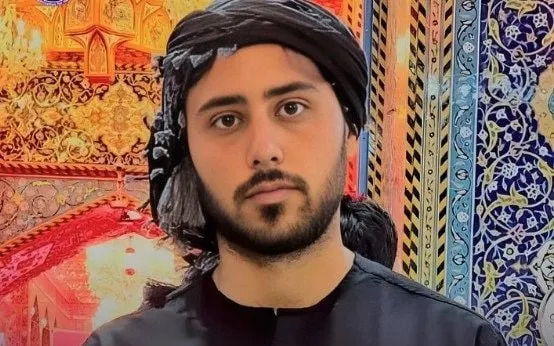
Amir Bayat, 25, was killed by direct government fire during protests in Hamedan
Individual Cases Illustrate the Pattern
In Shiraz, Javad, a 25‑year‑old university student, vanished after joining a protest. Authorities later told his family he had been killed by other protesters and showed them a grave in a section for security forces; his uncle insists doctors told them Javad had been shot in the chest.
Alireza Rahimi, a 26‑year‑old shopkeeper from Tehran, was shot in the back on Jan. 8. His family located his body only after paying an ambulance driver to help navigate the bureaucracy; his death certificate listed a non‑specific cause. In Hamedan and Nazarabad, families of Amir Bayat and Alireza Robat Jazei report similar demands to sign false statements in exchange for the return of remains.
The Human Cost
Beyond the financial and bureaucratic pressure, the psychological toll is immense. Farhad’s family keeps his Spanish textbook open at a bookmarked lesson. His fiancé is largely non‑communicative from shock; his mother sometimes calls his name before remembering he is gone. “I did not raise my son to die for dictators,” his father said. “He had no role in the IRGC, Basij or any part of the regime.”
Rights groups say nearly 5,000 people were killed during the protests, and that efforts to recategorise victims threaten both accountability and international scrutiny. Families continue to press for truth despite intimidation, extortion and the indefinite withholding of remains.
Help us improve.