The study reports that ionizing radiation on icy, glycine-coated dust can drive amino acids to form peptide bonds, producing the dipeptide glycylglycine. Experiments at the HUN-REN Atomki cyclotron (20 K, ~10−9 mbar) used infrared spectroscopy, mass spectrometry, and deuterium labeling to confirm reaction pathways. Researchers also observed a signal tentatively assigned to N-formylglycinamide, a molecule linked to DNA-precursor chemistry. These results expand possible routes for delivering complex prebiotic molecules to early Earth and other worlds.
Laboratory Shows Peptide Bonds Can Form on Space Dust — New Clues to Life’s Origins
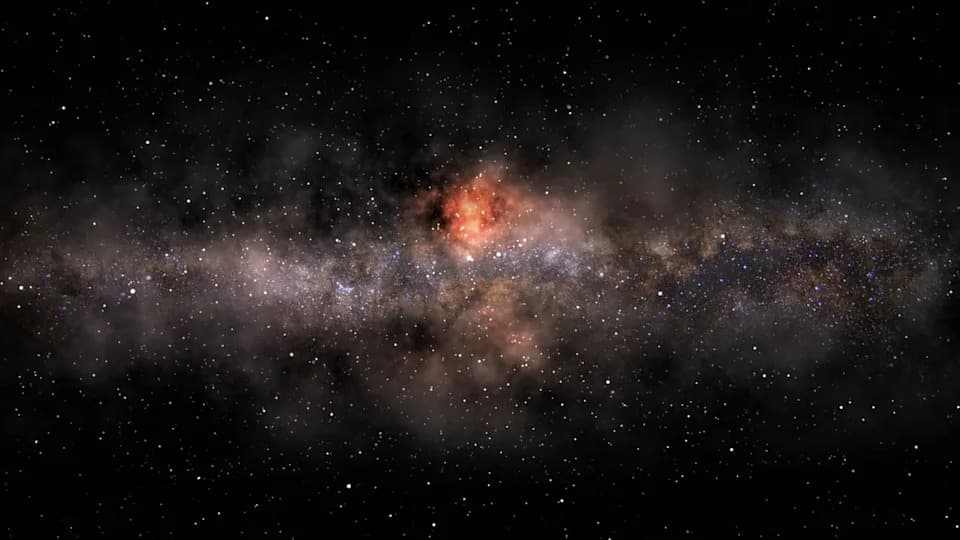
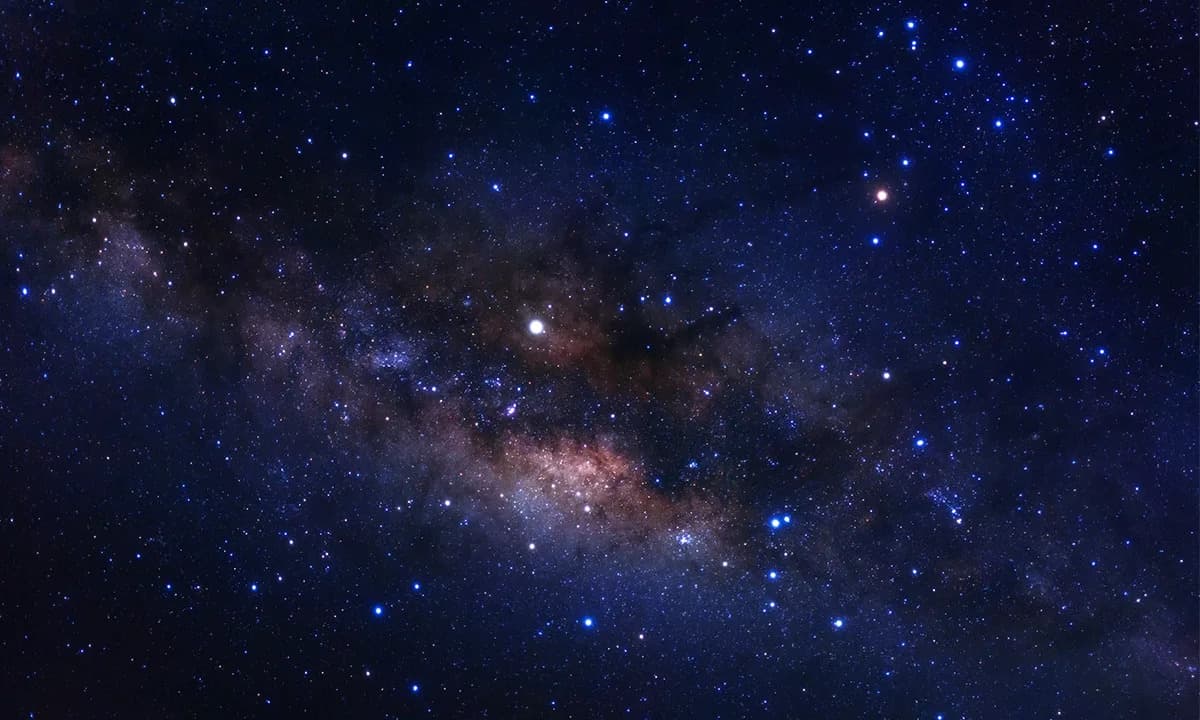
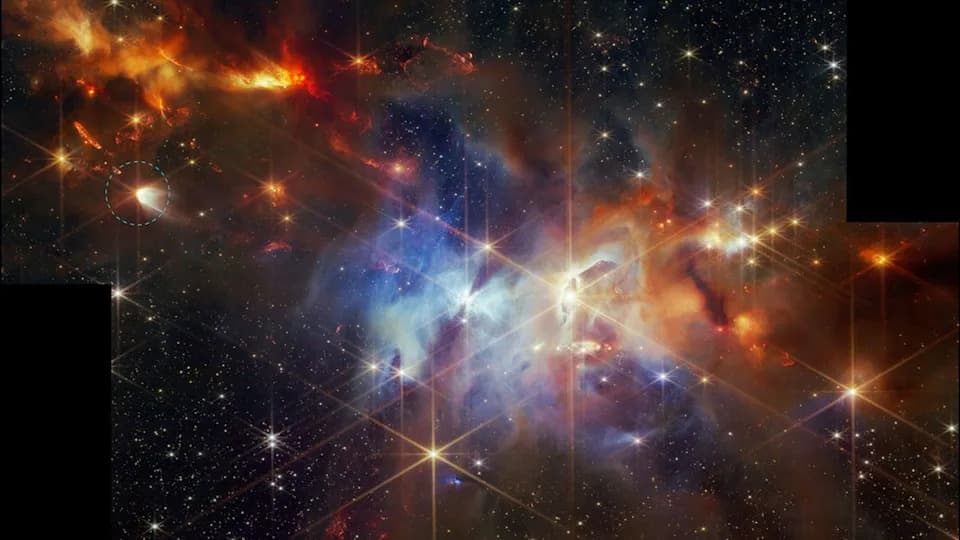
A panoramic view of the Milky Way's dusty center. New research hints that some of the more complicated building blocks of life can form on grains of space dust, potentially leading to biological molecules on planets. | Credit: Getty Images
Laboratory experiments now show that simple amino acids can link together on icy dust grains under space-like ionizing radiation, producing peptide bonds that are a key step toward more complex prebiotic molecules. The findings, published Jan. 20 in Nature Astronomy, suggest a practical pathway by which meteorites and cometary dust could deliver advanced chemical building blocks to young planets.
How the Experiment Was Done
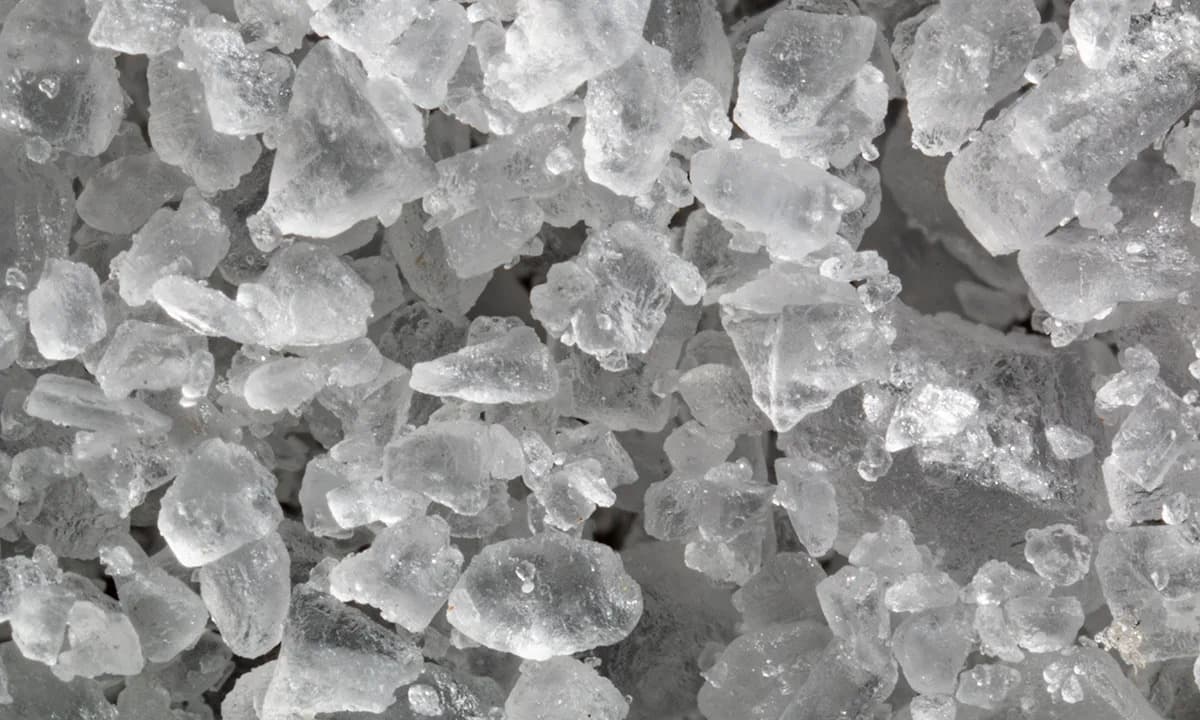
The research team, led by astrophysicist Sergio Ioppolo with lead author Alfred Hopkinson (Aarhus University), reproduced interstellar conditions at the HUN-REN Atomki cyclotron facility in Hungary. They coated frozen crystalline ices with the simplest amino acid, glycine, then irradiated those ices with high-energy protons at 20 kelvins (−253.15 °C) and a pressure of approximately 10−9 millibar to simulate the cold, vacuum, and ionizing environment of space.
Chemical changes were monitored in real time using infrared spectroscopy (to identify bond types) and mass spectrometry (to measure molecular masses). The team also used deuterium labeling — replacing certain hydrogen atoms with the heavier isotope deuterium — to trace reaction pathways unambiguously and confirm how molecules combined during irradiation.
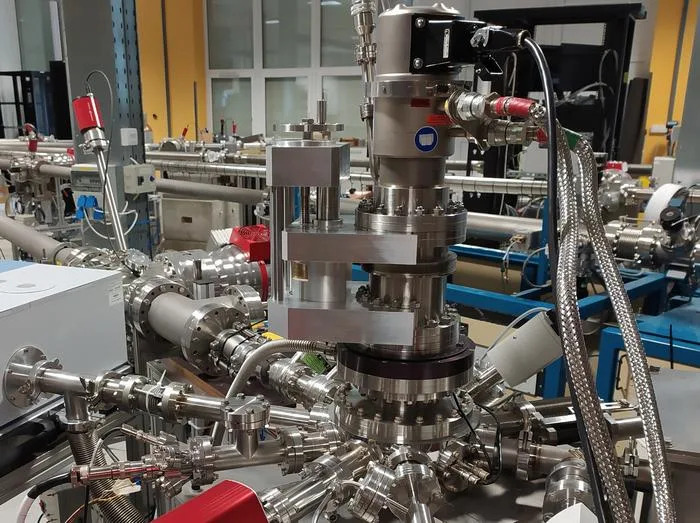
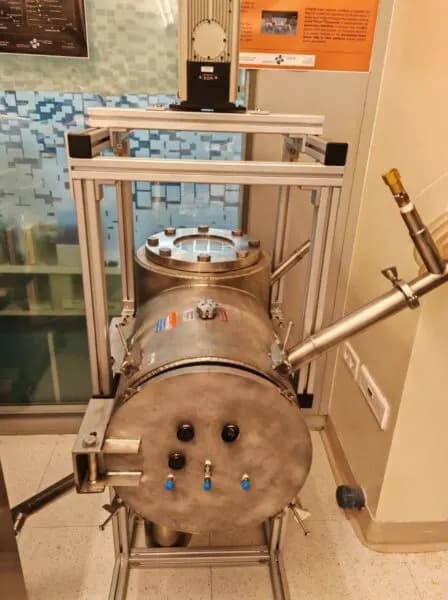
The Ice Chamber for Astrophysics–Astrochemistry (ICA) ultra-high vacuum chamber at Atomki, Hungary. This was a chamber used to process glycine with high-energy protons. | Credit: Béla Sulik, the HUN-REN Institute for Nuclear Research (Atomki)
Key Findings
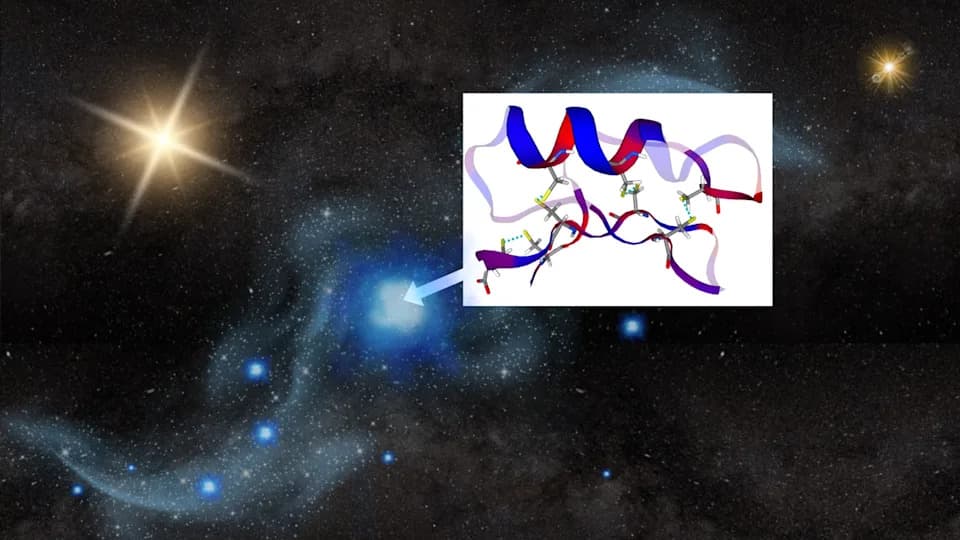
Under proton irradiation, glycine molecules combined to form a dipeptide called glycylglycine, demonstrating that peptide bonds can form spontaneously on icy grains exposed to space-like radiation. In addition to dipeptides, the researchers identified spectral signals consistent with a more complex compound tentatively assigned as N-formylglycinamide, a molecule related to biochemical pathways that produce DNA precursors.
“If amino acids can bond in space and arrive at a planetary surface as dipeptides or other complex organics, that gives a more advanced starting mix for subsequent prebiotic chemistry,” Hopkinson said.
Significance and Next Steps
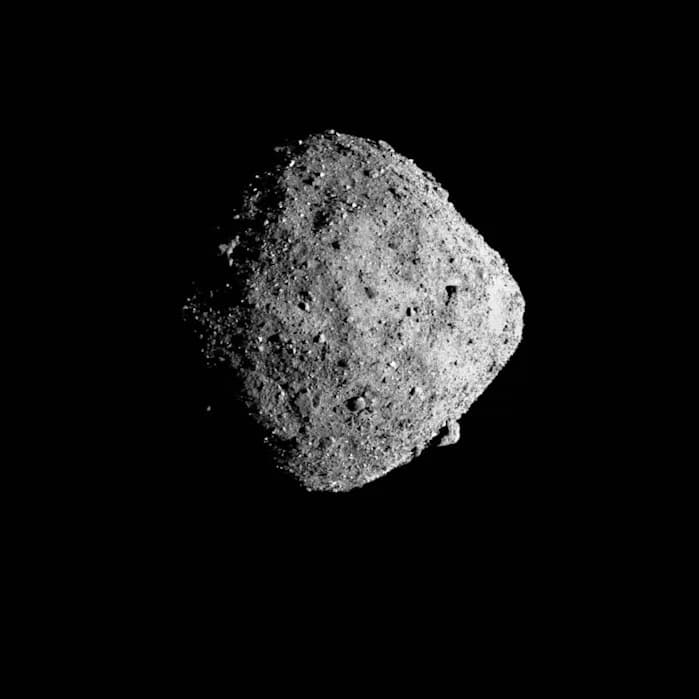
Glycine has been detected previously in meteorites and in dust sampled from the asteroid Bennu by NASA’s OSIRIS-REx mission. This new work extends that context by showing that radiation-driven chemistry on icy dust can increase molecular complexity before delivery to a planet. That could alter models of how easily life’s building blocks form and where to look for them in the solar system and beyond.
The team plans to test other protein-forming amino acids under similar conditions to see whether a wider variety of dipeptides and more complex peptides can form in the interstellar medium. If confirmed, such pathways would broaden the chemical diversity available to early-Earth chemistry and to potentially habitable worlds elsewhere.
Publication: Jan. 20, Nature Astronomy. Facility: HUN-REN Atomki cyclotron (Hungary). Lead institution: Aarhus University.
Help us improve.