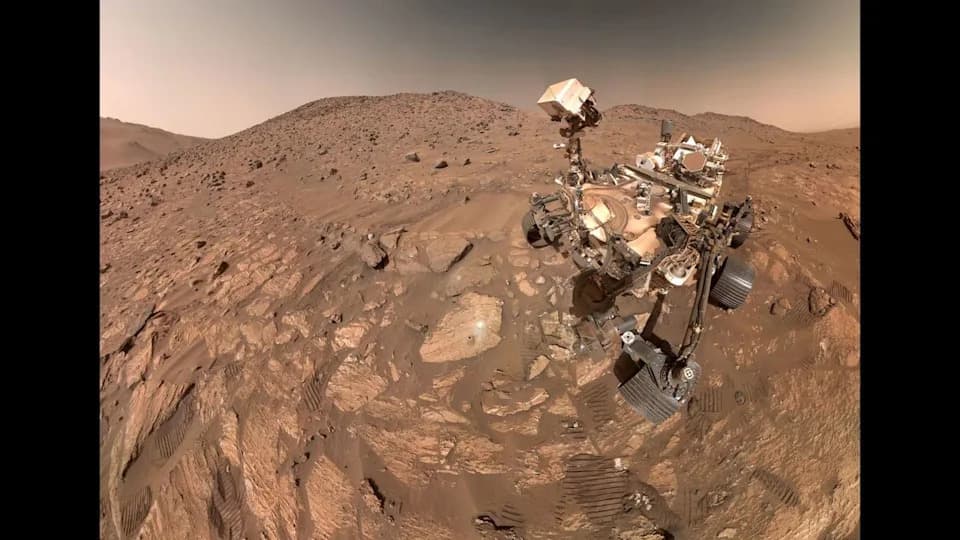
New lab experiments show ribose, phosphates and RNA nucleobases can assemble into RNA‑like molecules when mixed with borates and basalt and subjected to drying/heating cycles that mimic early Earth aquifers. Far from blocking reactions, borates stabilized ribose and aided phosphate chemistry, supporting steps in the six‑step Discontinuous Synthesis Model. Detection of ribose in OSIRIS‑REx samples from asteroid Bennu strengthens the idea that impacts delivered RNA precursors to Earth (and perhaps Mars) around 4.3 billion years ago. The findings increase the plausibility of an RNA‑first scenario while leaving some experimental caveats to explore.
New Experiments Bolster 'RNA World' Hypothesis — Borates May Have Helped Form Life's First Molecules

NASA astronauts took this photo of Earth from 36,000 nautical miles away during the Apollo 10 mission in 1969. | Credit: NASA
New laboratory experiments add weight to the long‑standing "RNA world" hypothesis by showing that the essential components of RNA can assemble under conditions that mimic drying and heating near ancient aquifers. The results suggest that borate minerals — once thought to block key reactions — may instead have stabilized fragile sugars and aided phosphate chemistry, making RNA formation more plausible on the early Earth.
What Researchers Did
A team led by Yuta Hirakawa (Tohoku University and the Foundation for Applied Molecular Evolution) combined ribose (the five‑carbon sugar used in RNA), phosphates and the four RNA nucleobases — adenine, guanine, cytosine and uracil — with borates and crushed basalt. They subjected the mixture to repeated heating and drying cycles intended to simulate the fluctuating conditions around subterranean aquifers on the early Earth.
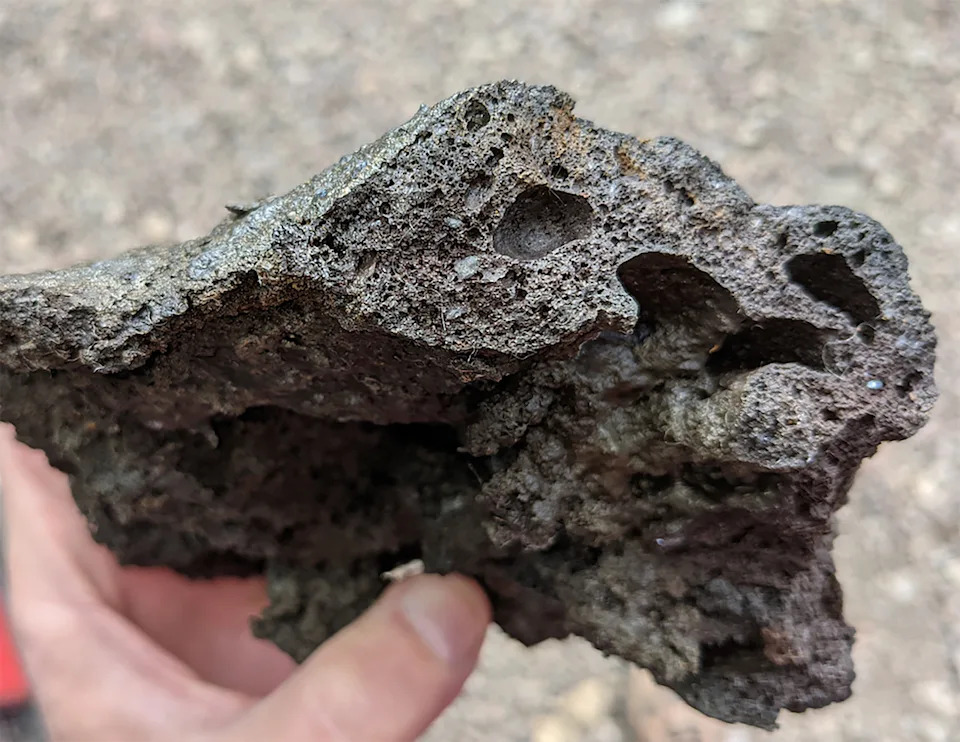
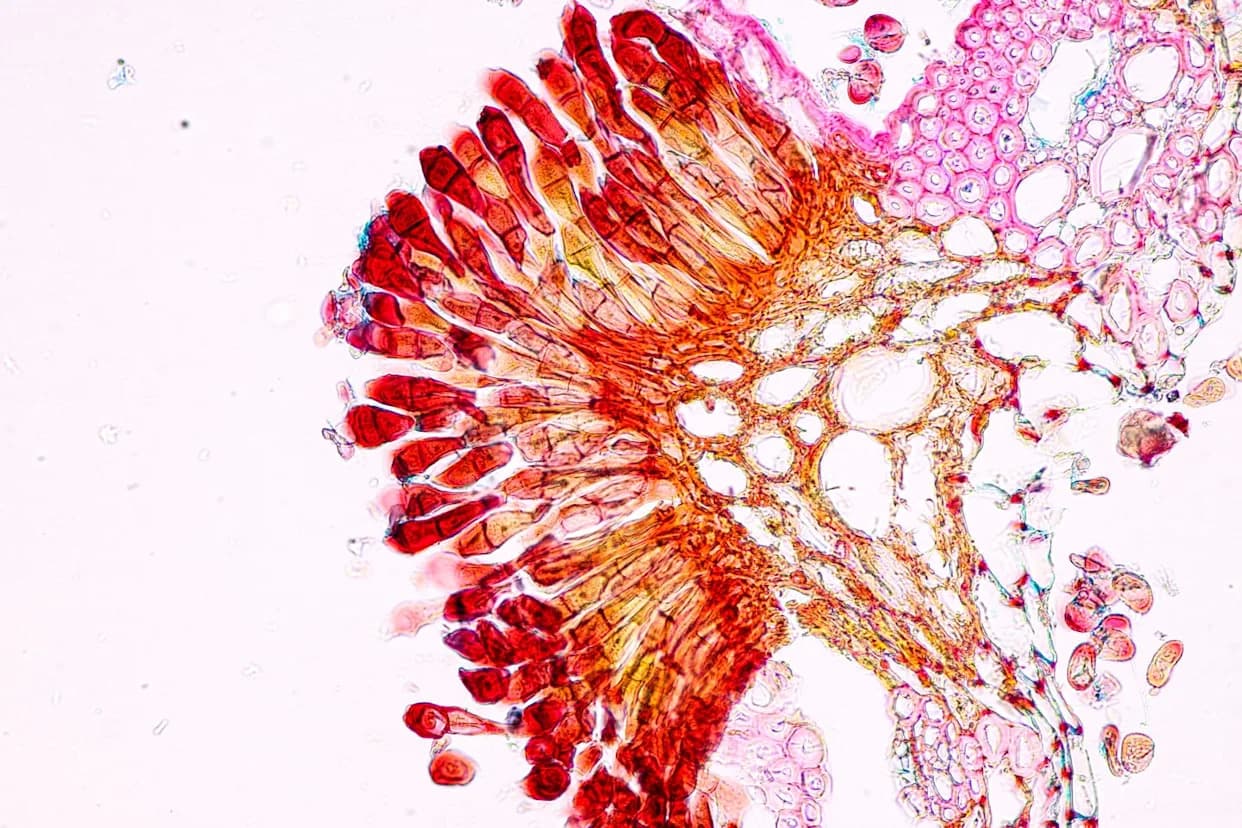
Basalt from an underground "constrained" aquifer could have provided the catalyst for the formation of RNA. | Credit: Steven A. Benner.
Key Findings
The researchers detected formation of RNA-like molecules in those mixtures. Contrary to earlier concerns, borates helped by stabilizing ribose (which otherwise degrades quickly) and by facilitating phosphate chemistry that is important for the six‑step Discontinuous Synthesis Model (DSM) proposed for prebiotic RNA assembly. The team argues these effects make some pathways to RNA both more robust and more geochemically realistic.
Supporting Evidence From Space
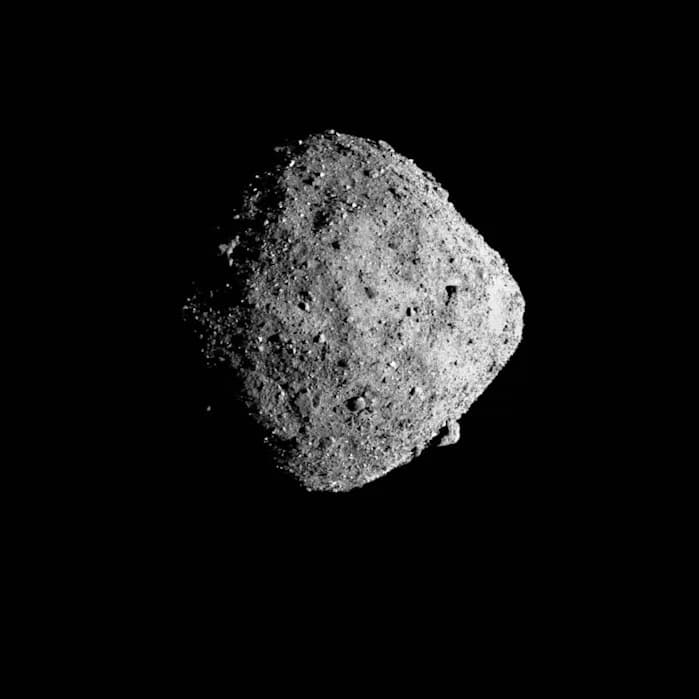
Analyses of material returned by NASA's OSIRIS‑REx mission from asteroid Bennu recently identified ribose among the organic compounds in the roughly 120 grams of returned material. That discovery means all core RNA ingredients — sugars, phosphates and nucleobases — have now been found together in an extraterrestrial sample, supporting the idea that impacts could have delivered RNA precursors to early Earth.
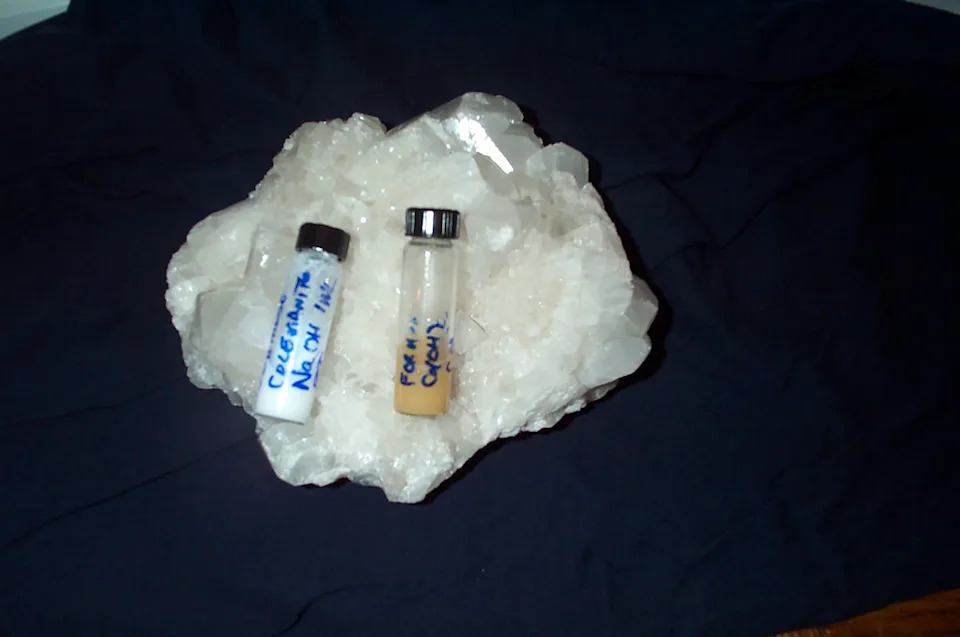
Borate minerals and the decomposition of ribose. | Credit: Steven A. Benner.
Timeline And Broader Implications
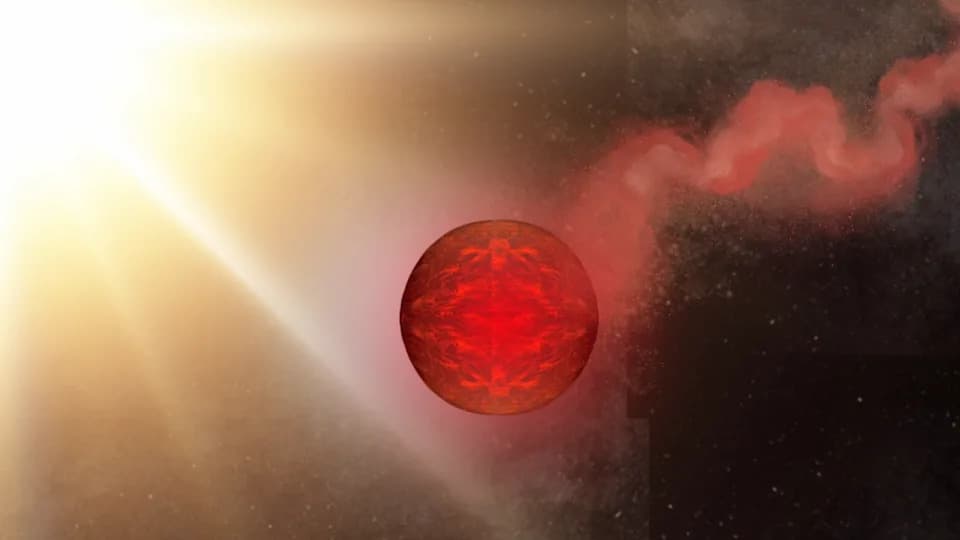
Hirakawa's team speculates that fragments from a large, roughly 500‑kilometer‑wide protoplanet (similar in size to Vesta) could have brought abundant RNA precursors to Earth about 4.3 billion years ago — roughly 200 million years after Earth's formation and about 200 million years before the oldest isotopic signs of life reported in 4.1 billion‑year‑old zircon deposits. Because early Mars experienced large impacts and has evidence for borates, similar chemistry may have been possible there as well.
Caveats And Debate
The researchers claim their study produced RNA in the lab without deliberately engineered catalysts or stepwise human intervention. Critics point out that assembling all the building blocks in a test tube still represents an experimental setup that may not exactly mirror natural environments. More work will be needed to confirm how readily these pathways operate in varied geological settings and how close the products are to functional RNA molecules capable of replication.
Publication: The study was published Dec. 15 in the Proceedings of the National Academy of Sciences.
Overall, these experiments make the RNA‑first scenario more chemically plausible by showing that common minerals like borates could have played a constructive role in stabilizing key molecules during the origin of life.
Help us improve.