Key point: Charged particles from Earth’s atmosphere can travel along magnetic field lines in the magnetotail and become trapped in lunar soil. Apollo samples show elevated amounts of volatiles — including water, CO2, helium, argon and especially nitrogen — that the solar wind alone cannot explain. Simulations suggest this process has operated for about 3.7 billion years. While these terrestrial volatiles could help supply lunar bases, extraction is energy intensive and lunar dust poses serious health and engineering challenges.
Earth’s Magnetic ‘Highway’ Seeds Moon Dust With Atmospheric Elements — What That Means For Lunar Bases
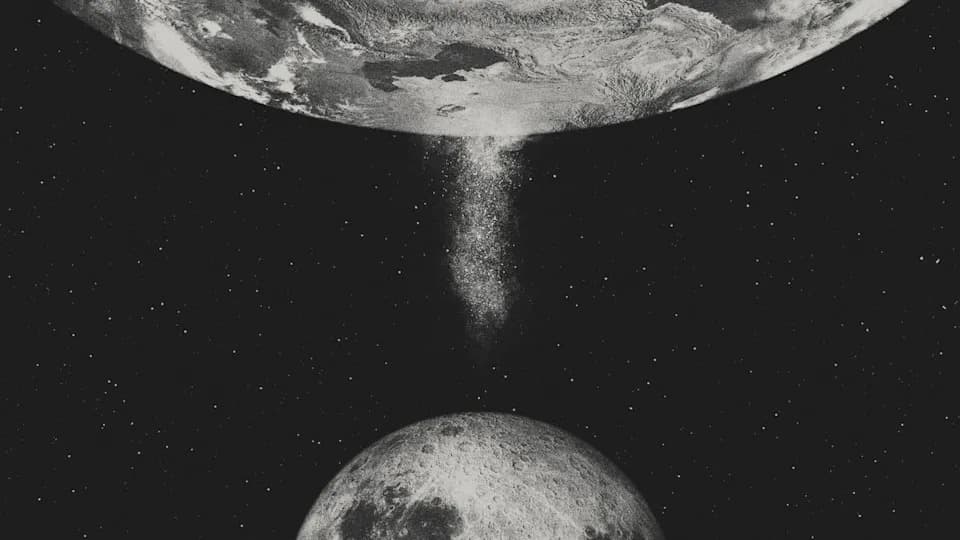
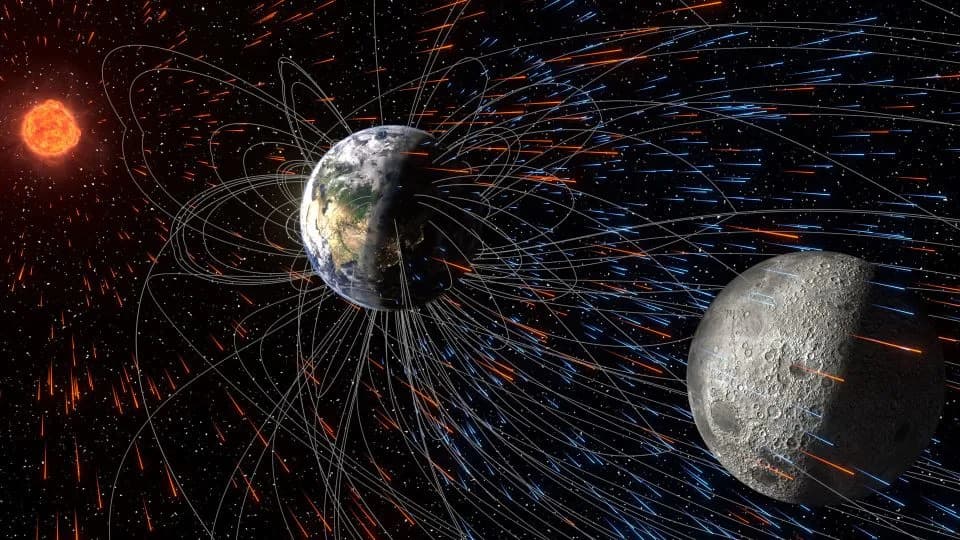
Earth’s magnetic field lines 'act as invisible highways' to the moon. | Credit: Illustration by Stephen Kelly / Getty Images
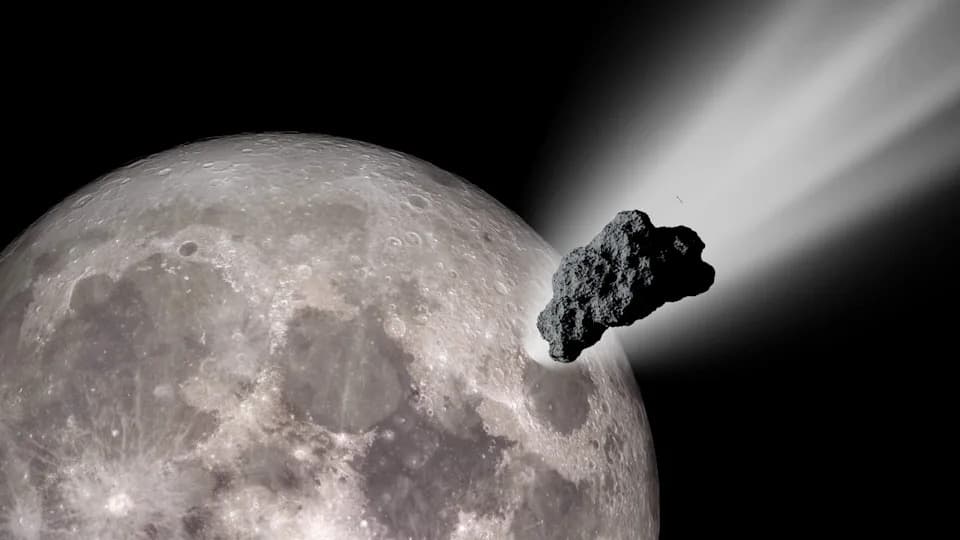
The Moon’s soil carries traces of Earth’s atmosphere. New research shows charged particles from our atmosphere can ride magnetic field lines in Earth’s magnetotail and end up embedded in lunar regolith — a discovery with both scientific and practical implications for future lunar exploration.
Study and Evidence
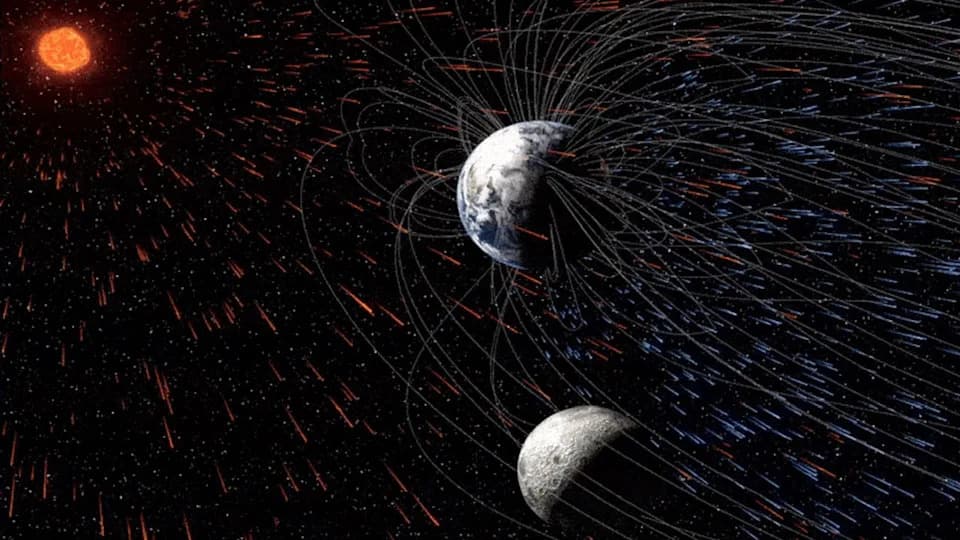
A study published in Communications Earth & Environment used computer simulations to show that Earth’s magnetic field does more than shield the planet: the magnetotail can guide charged atmospheric ions outward, creating pathways that channel some particles toward the Moon. Observations of returned Apollo samples — and reporting by outlets such as Live Science — support this mechanism as a contributor to volatile compounds found on the lunar surface.
What Apollo Samples Reveal
Soil returned by the Apollo missions contains light volatiles including water, carbon dioxide, helium, argon and notably elevated nitrogen. While the solar wind delivers some of these species, the measured nitrogen abundances are higher than the solar wind alone can explain, suggesting a terrestrial source routed by magnetic-field dynamics.
Long-Term Transfer and Broader Significance
Researchers estimate this magnetically assisted transfer has likely been active for roughly 3.7 billion years, since Earth’s magnetosphere formed. As lead author Shubhonkar Paramanick notes, studying atmospheric escape and magnetic interactions over geological time can improve our understanding of planetary habitability and inform interpretations of atmospheric loss on planets such as Mars.
Practical Implications for Lunar Bases
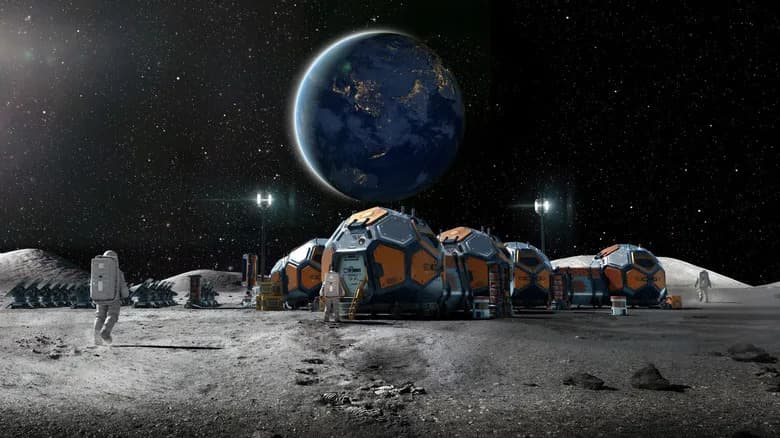
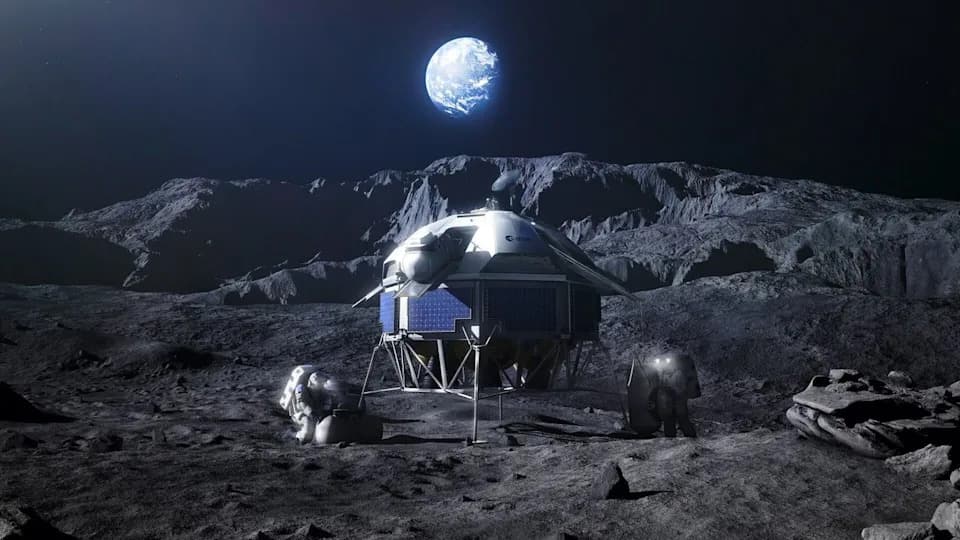
Terrestrial volatiles trapped in lunar regolith could be useful for in‑situ resource utilization (ISRU). Water and nitrogen recovered from regolith could support life support systems or fuel production, reducing the mass that must be launched from Earth. Concept studies — including work reported in the journal Joule — outline methods that exploit intense solar input and lunar thermal extremes to extract water and oxygen from dust.
Major Challenges
Low Concentrations: Useful volatiles occur at trace levels. Estimates suggest processing many tons of regolith to obtain modest amounts of water or gases, making extraction energy intensive.
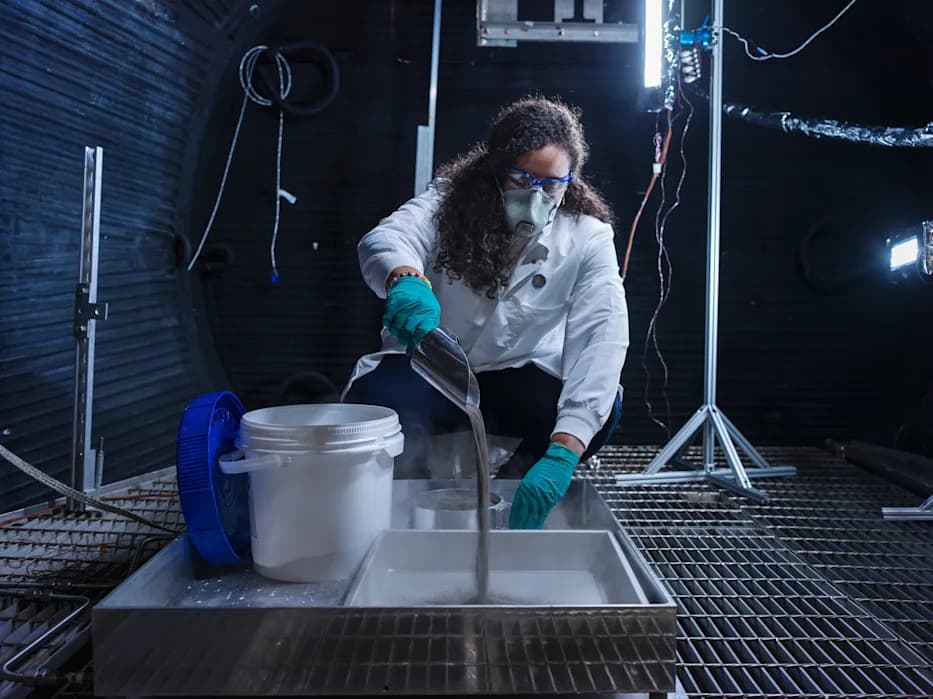
Hazardous Dust: Lunar dust is electrostatically charged when disturbed or irradiated, allowing it to levitate and cling to suits and equipment. It is also extremely abrasive and poses inhalation risks. Amy Fritz, a dust‑mitigation researcher at Johnson Space Center, has described it as "very, very sharp" and pervasive.
Conclusion
The discovery that Earth’s magnetotail helps seed the Moon with atmospheric elements deepens our understanding of planet–Moon interactions and offers tantalizing ISRU possibilities. However, low element concentrations, high energy costs for extraction, and serious operational and health risks from lunar dust mean substantial technical advances will be needed before these resources can be used routinely.
Help us improve.