Researchers at Aarhus University simulated interstellar dust-cloud conditions and found that glycine can react to form peptides and water under extreme cold, near-vacuum and radiation. The experiment, published in Nature Astronomy, suggests dust grains could host prebiotic chemistry and deliver organic building blocks to young rocky planets. While promising, lab results are not proof of life elsewhere and further studies are needed.
Space Dust May Forge Life’s Building Blocks: Peptides and Water Formed in Simulated Interstellar Conditions
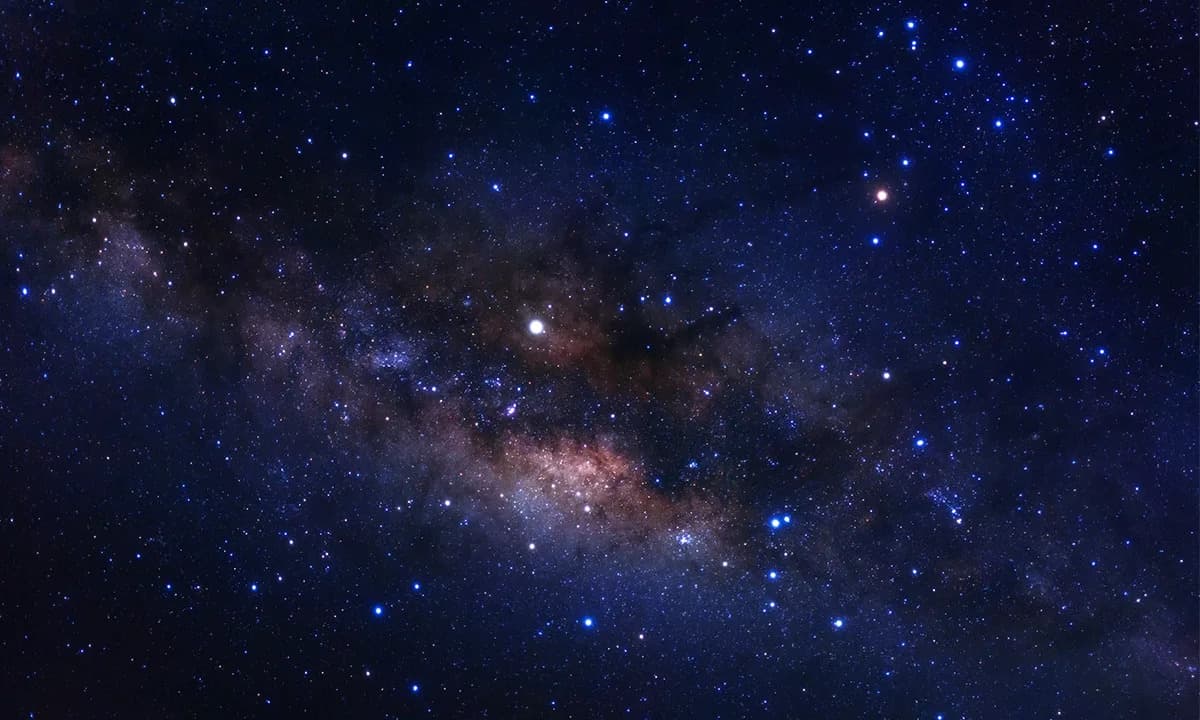
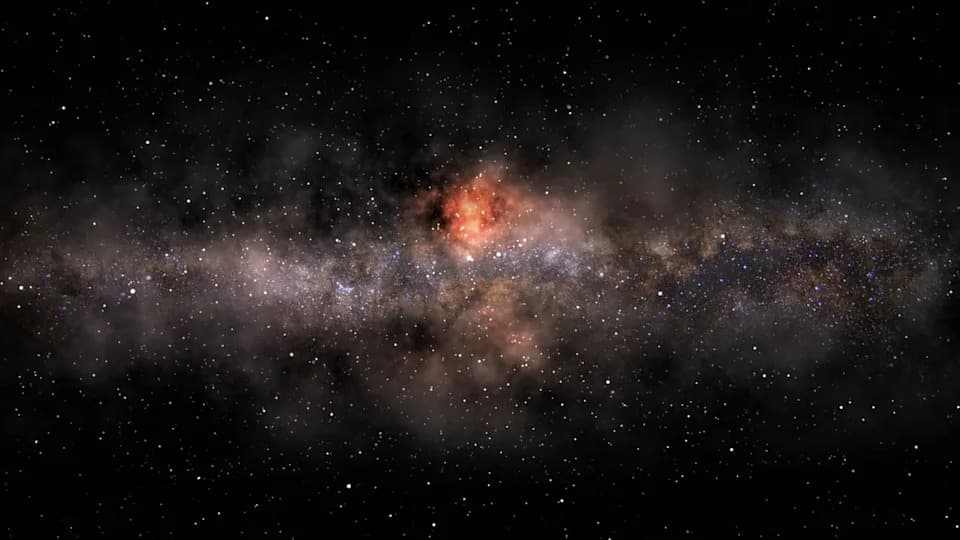
Lead image: sripfoto / Shutterstock(The center of Milky way galaxy with stars and space dust in the universe. Credit: sripfoto / Shutterstock.)
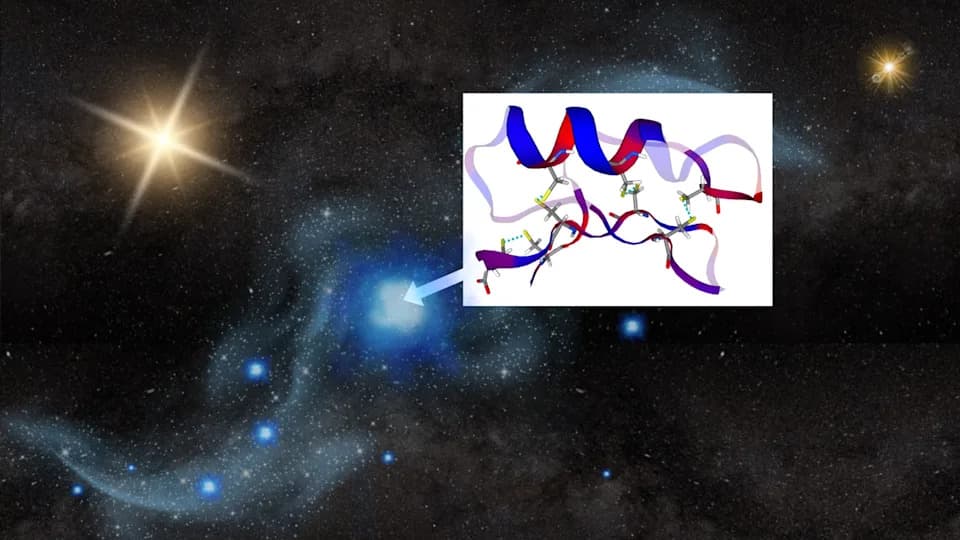
Researchers at Aarhus University report that simple organic molecules can combine into more complex compounds under conditions similar to those in interstellar dust clouds—hinting that the raw materials for life may be widespread across the galaxy. The study, published in Nature Astronomy, shows glycine molecules reacting to form short peptide chains and water when exposed to extreme cold, vacuum and radiation.
How the Experiment Worked
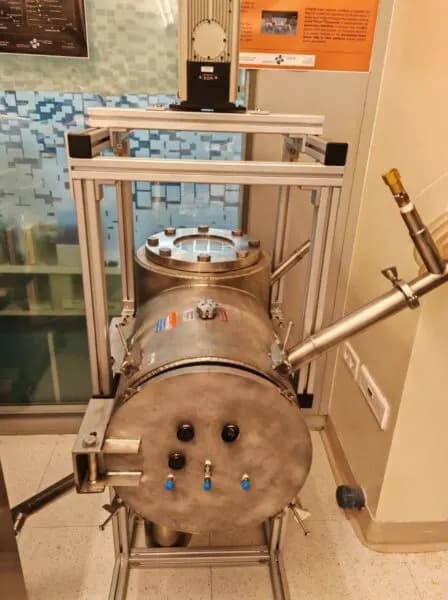
Astronomers Alfred Thomas Hopkinson and Sergio Ioppolo recreated the environment of diffuse dust clouds—regions between stars where new solar systems form—inside a laboratory chamber. To mimic interstellar conditions they cooled the chamber to roughly -430 °F (≈ -230 °C, about 43 K), produced an almost complete vacuum, and irradiated the sample. They then introduced glycine, an amino acid already detected in space.
What They Observed
The team detected the formation of peptides (short chains of amino acids that are precursors to proteins) and water inside the chamber. As Hopkinson explained in a statement,
"We saw that the glycine molecules started reacting with each other to form peptides and water. This indicates that the same process occurs in interstellar space."
Co-author Sergio Ioppolo added that these results support the idea that dust grains can host increasingly complex organic chemistry: "This is a step toward proteins being created on dust particles, the same materials that later form rocky planets."
Why It Matters
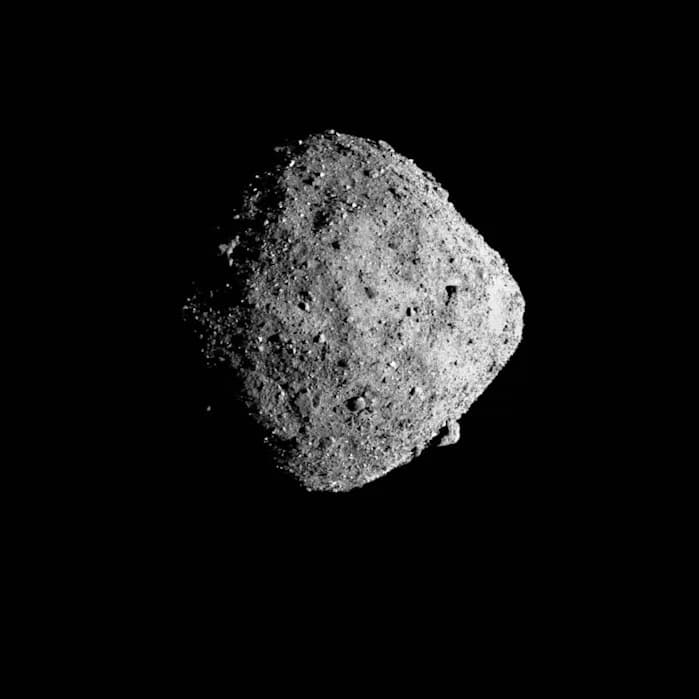
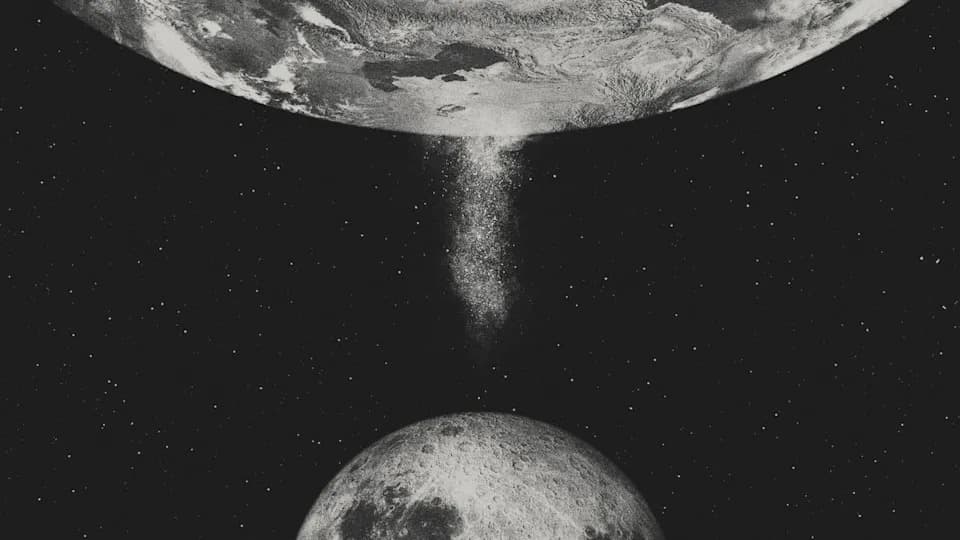
If peptides and other complex organics form on dust grains and are later delivered to young rocky planets—especially those in a star's habitable zone—then the chemical precursors of life could be distributed widely throughout planetary systems. That increases the plausibility that life’s raw ingredients are common, even if life itself still requires further favorable conditions to arise.
Caveats And Next Steps
Laboratory simulations are powerful but simplified models. The experiment demonstrates that nonliving chemical processes can produce peptides and water from glycine under specific conditions, but it does not prove proteins or living systems are abundant in space. Follow-up work will need to test other amino acids, longer peptide formation, the role of different radiation environments, and how these molecules survive delivery to planetary surfaces.
Bottom line: The study strengthens the case that interstellar dust grains can act as miniature chemical factories, producing molecules that could seed nascent planets with the building blocks of biology.
Help us improve.