Scientists linked a mass burial at the Roman city of Jerash, Jordan, to the Plague of Justinian (541–750 A.D.) using ancient DNA and oxygen isotope analysis. The team found Yersinia pestis at the site and evidence that the victims were interred rapidly in a crisis pit. Isotope and genetic data indicate the buried individuals came from diverse regions, offering new insights into mobility and the human impact of an early pandemic.
New DNA Evidence Connects Jerash Mass Grave to the Plague of Justinian
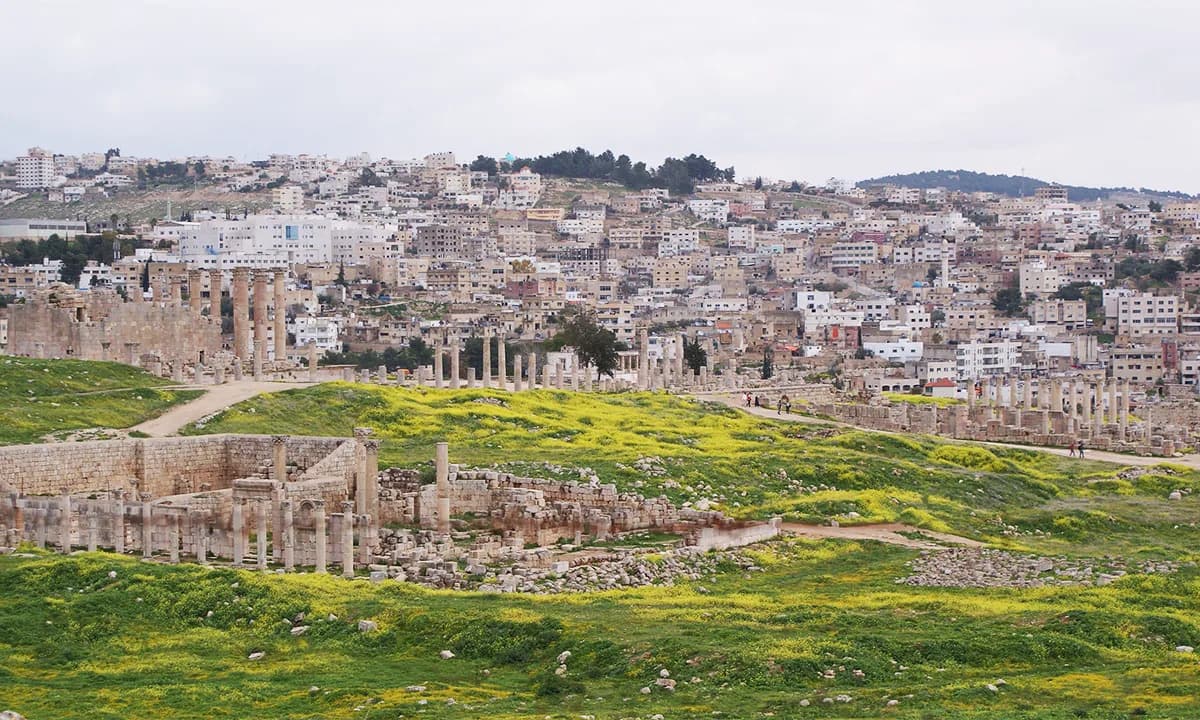
Lead image: Freedom's Falcon / Wikimedia Commons(The Cardo "Colonnaded Street" in Jerash, Jordan - as seen from the western side. Credit: Freedom's Falcon / Wikimedia Commons.)
Researchers have used ancient DNA and isotope analysis to link a large mass burial at the Roman city of Jerash (modern-day Jordan) to the Plague of Justinian, a pandemic that swept the eastern Mediterranean between 541 and 750 A.D. The study, published in the Journal of Archaeological Science, builds on earlier work that first identified the plague bacterium Yersinia pestis at the site.
Background
Jerash was a thriving urban center on key trade routes, famous for temples, theaters, and a hippodrome. Although contemporary written sources do not explicitly mention an outbreak in Jerash, records show epidemics in nearby cities such as Jerusalem and Alexandria, and archaeological layers point to economic and demographic decline in Jerash in the late sixth and early seventh centuries.
The Archaeological Find
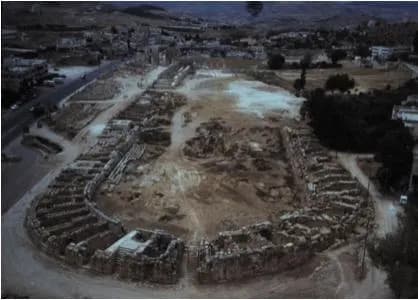
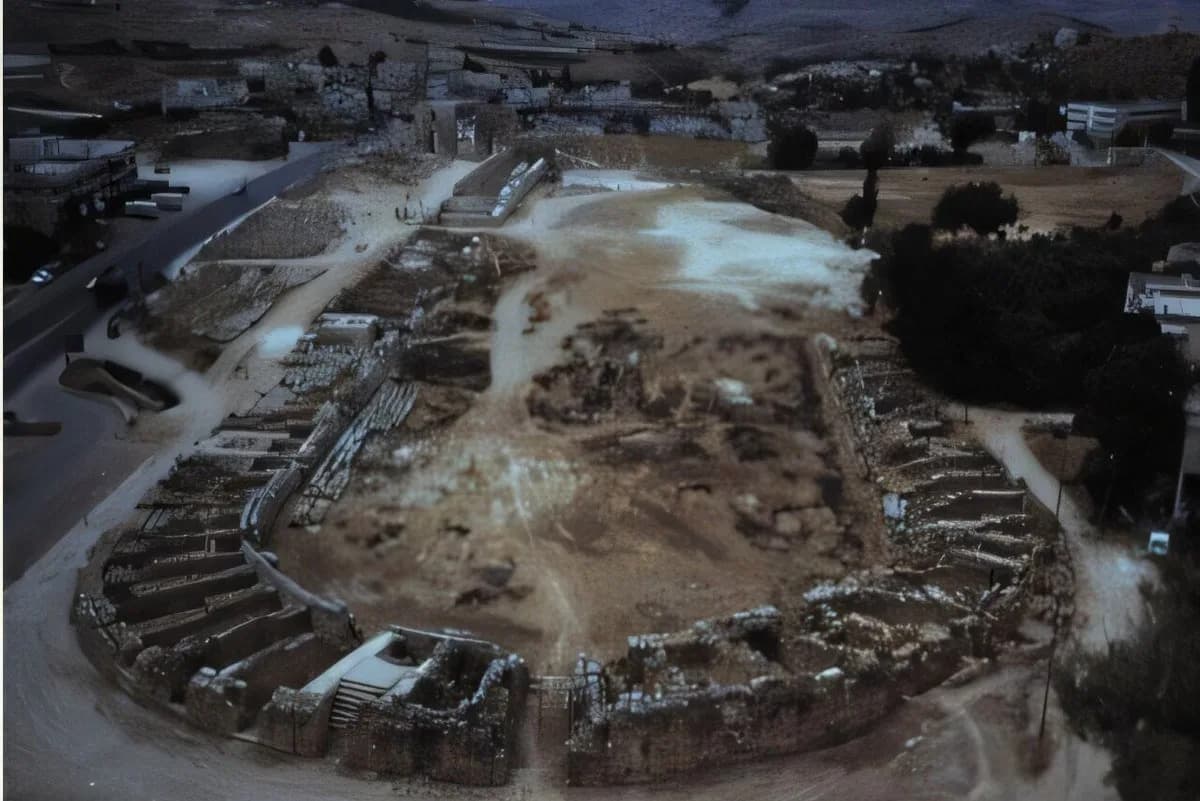
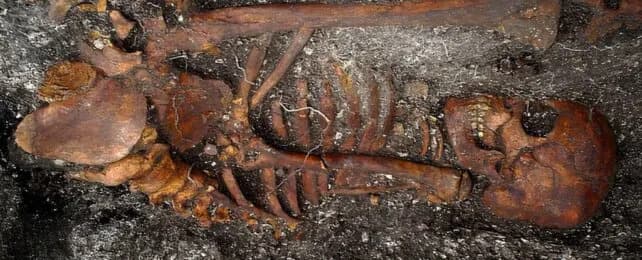
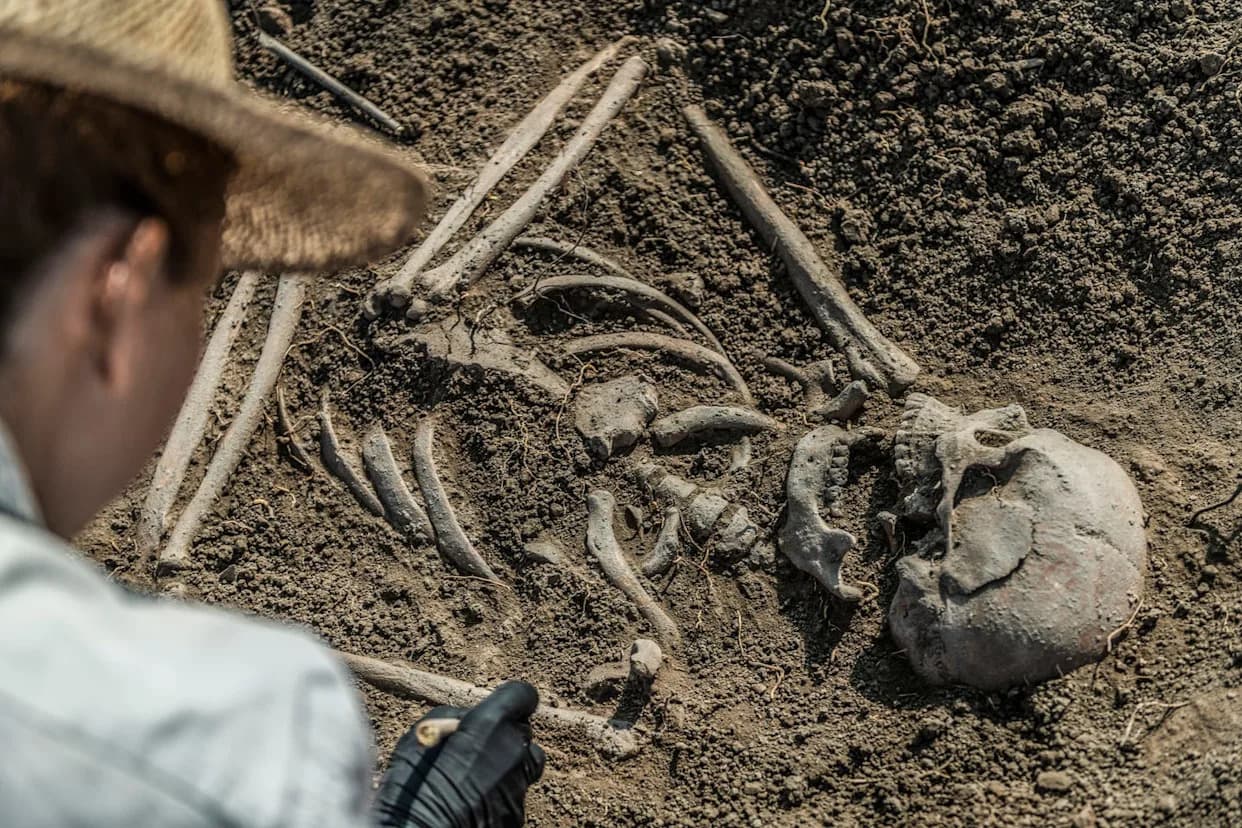
Excavations uncovered a large, disorderly burial pit containing hundreds of individuals. The remains appear to have been interred rapidly—within days or weeks—consistent with crisis burials seen at later medieval plague pits from the Black Death era.
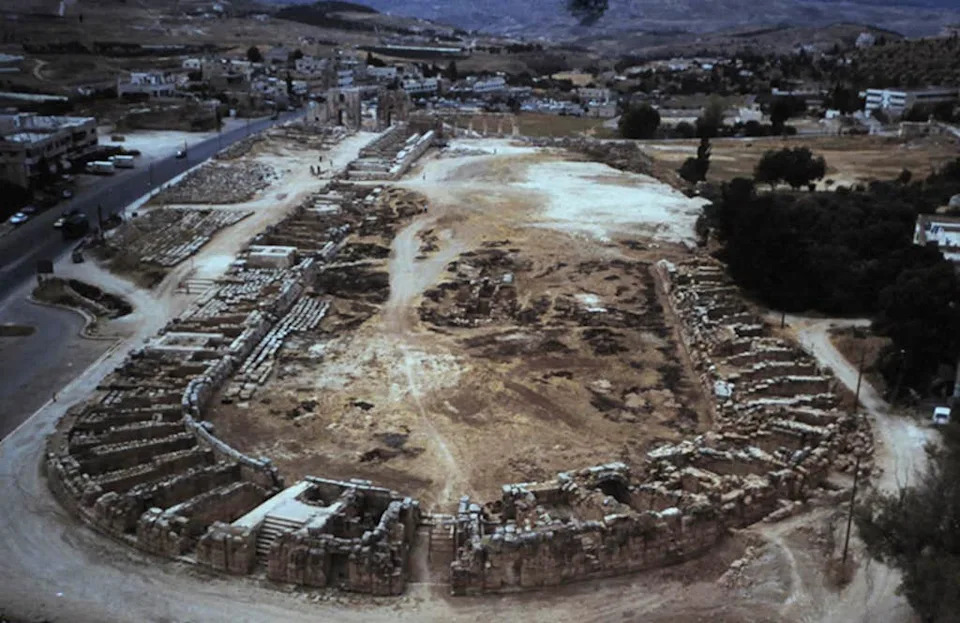
ANCIENT PLAGUE:The hippodrome at Jerash that contained the mass grave built during the Plague of Justinian.Photo by Karen Hendrix.
Methods And Key Findings
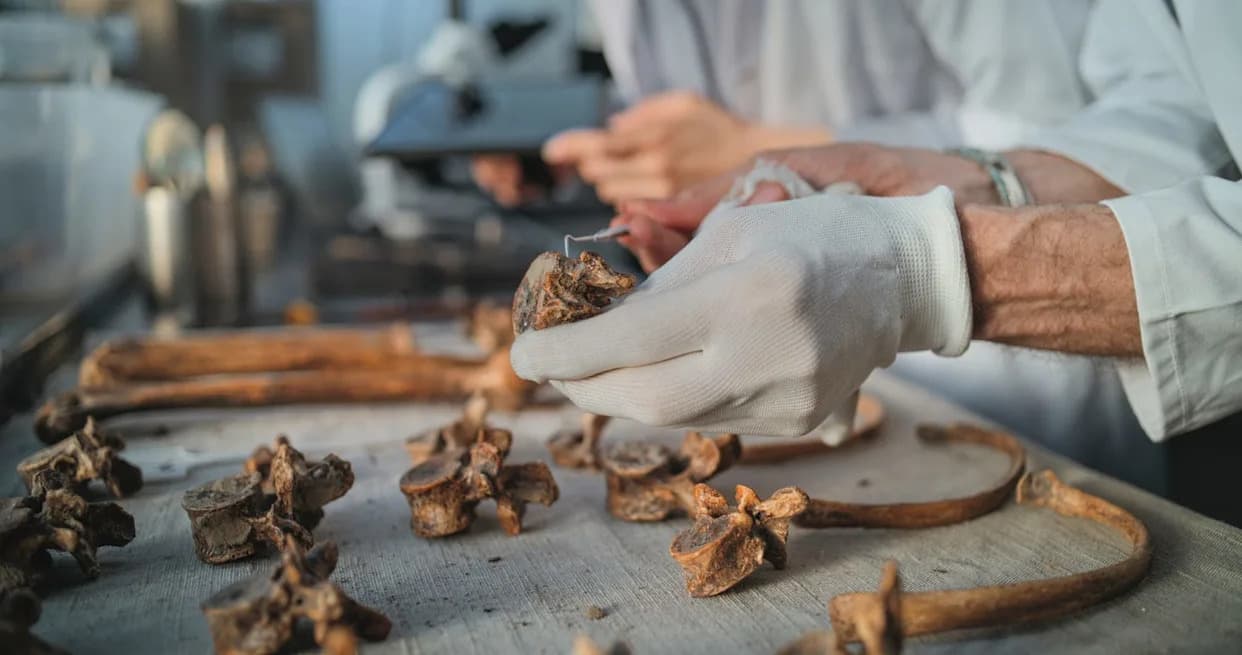
The team combined multiple scientific approaches to reconstruct life histories and origins. Oxygen isotope ratios in tooth enamel showed that the buried people had consumed water from a range of geographic sources, indicating diverse childhood origins. Ancient DNA extracted from teeth revealed varied ancestral links: for example, one individual showed affinity with populations corresponding to present-day Mozambique or Sudan, while another traced to central and eastern Europe. These genetic lineages are also consistent with the diversity known in Levantine populations of the period.
"By linking biological evidence from the bodies to the archaeological setting, we can see how disease affected real people within their social and environmental context," said Rays Jiang, a genomicist and public health researcher involved in the study.
Implications
The findings suggest that pandemic mortality in Jerash brought together people from a wide geographic area into a single crisis burial. This provides a rare, direct window into mobility and long-term migration patterns that are difficult to detect in routine cemeteries. More broadly, the study reinforces how genomic and isotopic techniques can transform our understanding of ancient pandemics and their social consequences.
Reference: Results reported in the Journal of Archaeological Science by a team including Rays Jiang, University of South Florida.
Help us improve.