The author, a Saint Paul City Councilmember, describes sustained ICE activity in Minneapolis–Saint Paul—helicopters, daycare raids, school closures, rapid cross-state removals and community fear. Civil-rights leaders have been arrested, a child and his father were transported to Texas, and an individual, Alex Pretti, was killed after being shot by ICE agents. Saint Paul, Minneapolis and the state sued DHS on January 12 and local officials are strengthening ordinances, seeking a state emergency declaration and an eviction moratorium. The piece frames local resistance as part of a broader stand against authoritarianism and offers a cautious note of historical hope for democratic resurgence.
Minnesota’s Fight Against ICE: A Community Resisting an Authoritarian Push
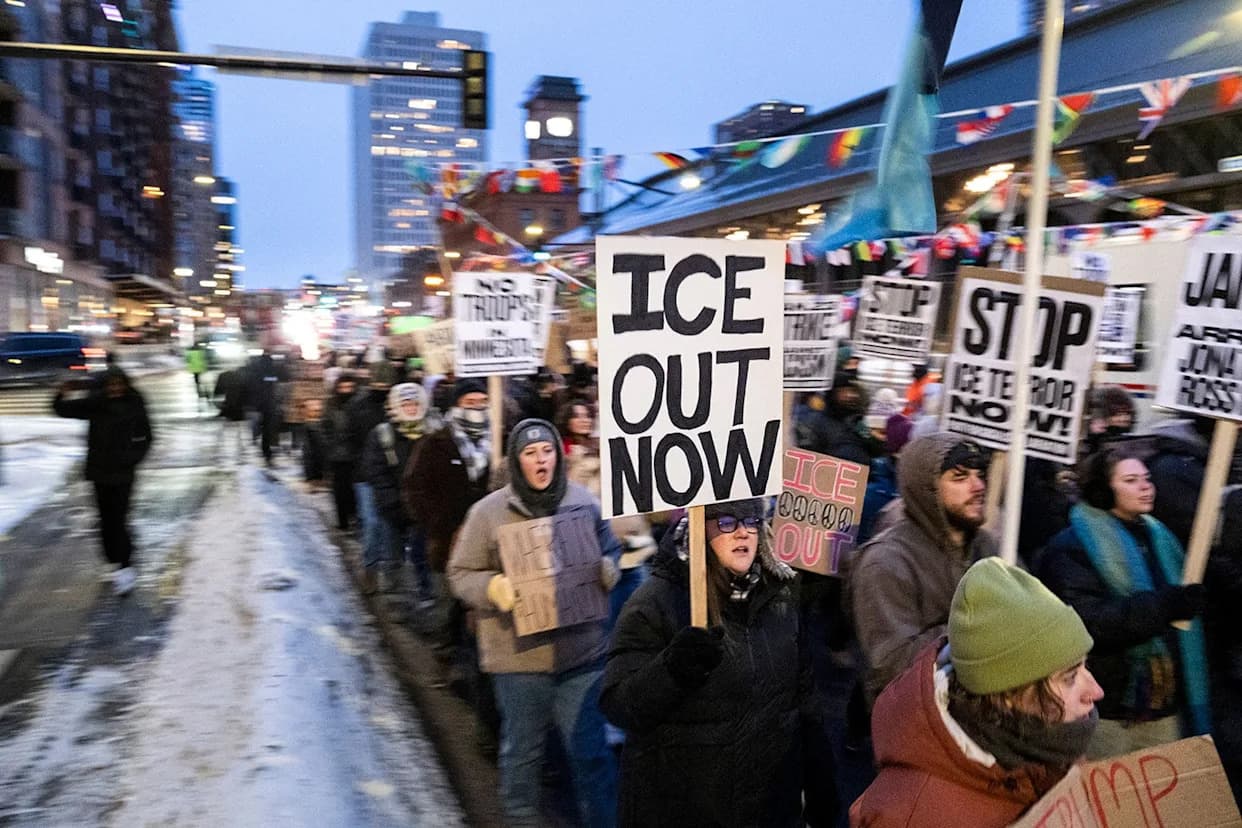
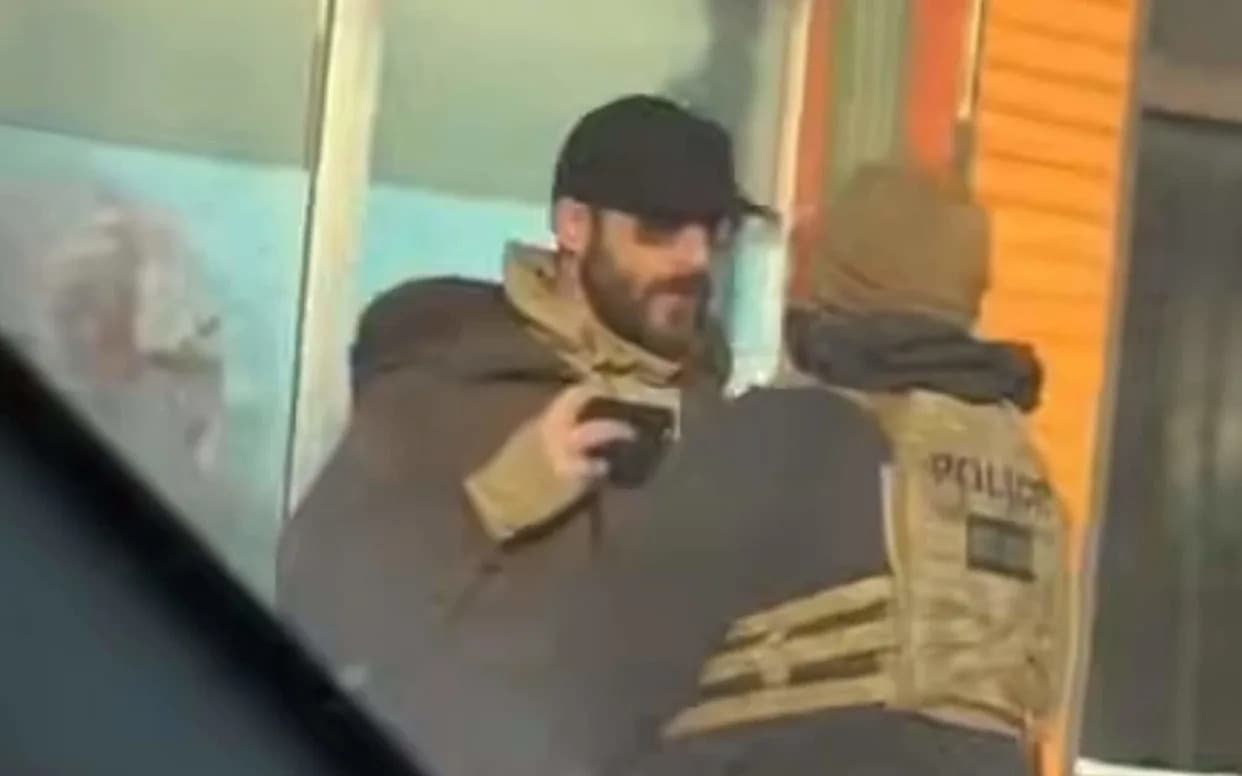
On a bitter Thursday evening, I finished a shift on daycare patrol as the wind chill dropped toward 25 degrees below zero. These patrols began after ICE agents appeared at my son’s daycare two weeks ago; that same day a daycare worker employed by the same provider was detained by agents nearby while trying to get to work. During my most recent patrol, ICE operatives were seen in the neighborhood—as they have been repeatedly—but everyone in the building left safely.
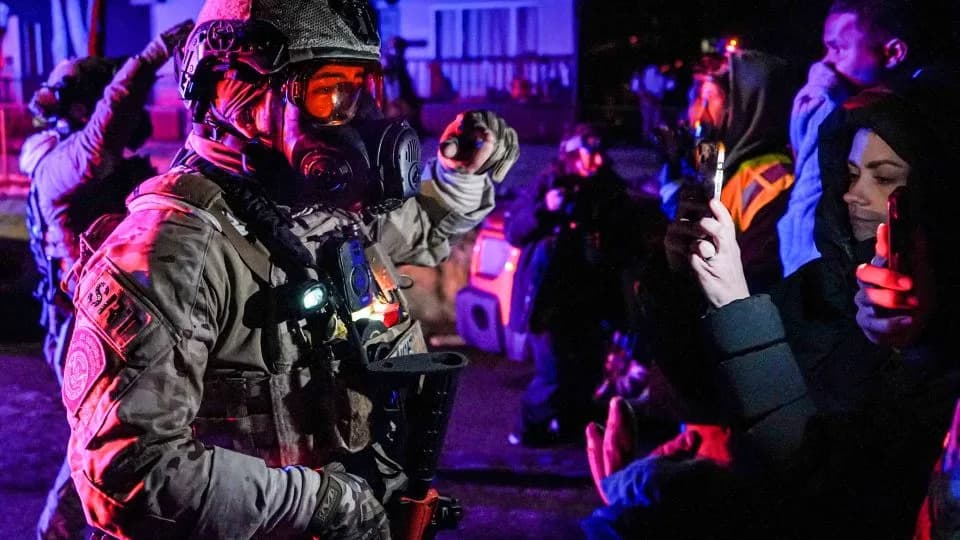
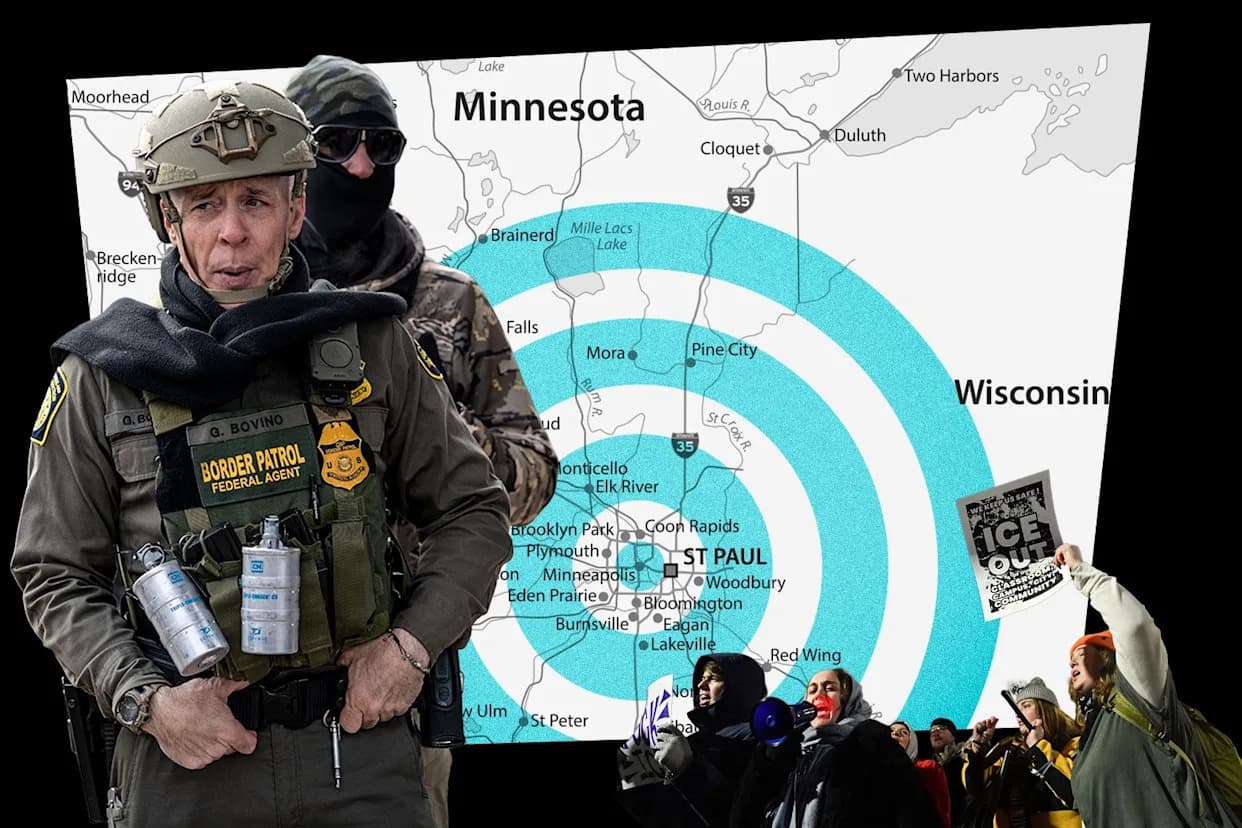
As I write, a helicopter circles above our block, a near-daily occurrence. My phone buzzes constantly with alerts from Signal groups organized to protect and support our community. Friends ask whether we should fear invocation of the Insurrection Act and a military deployment to our city; my husband learned that workers at a nearby small business were detained by federal agents; another friend’s school went on lockdown today because ICE was operating in the area.
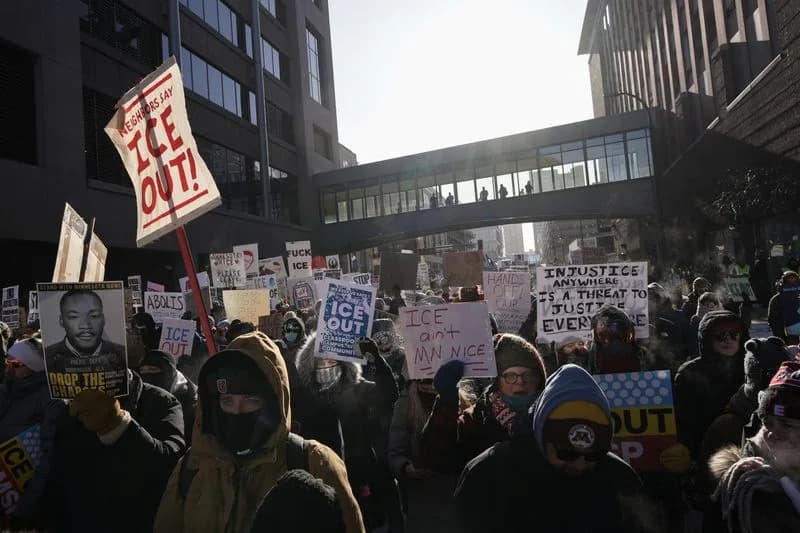
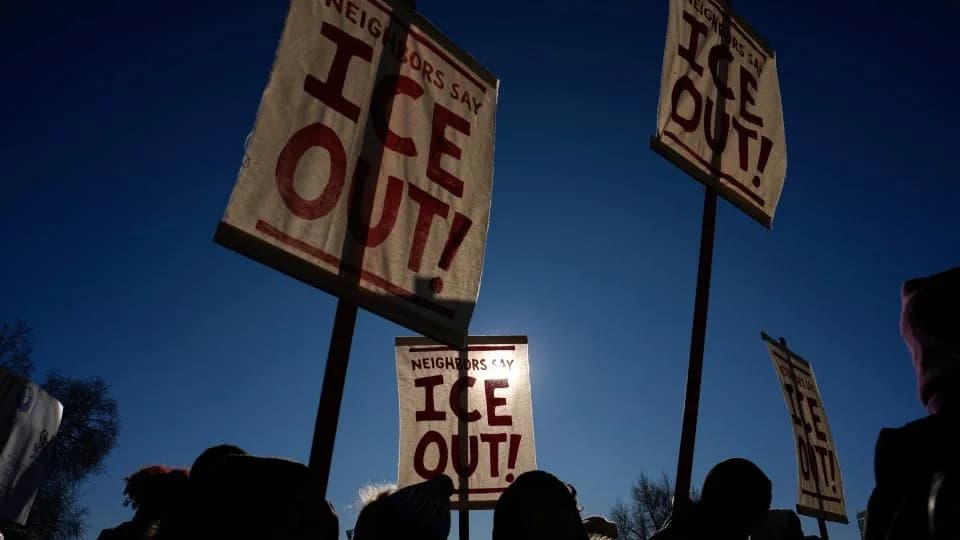
Our neighborhood has never felt more united, yet you wouldn’t notice that unity by looking at the streets. Few people leave their homes now; many will not answer a knock for fear the next voice at the door will be a federal agent demanding to know where Black and Brown residents live. People are deliberately supporting immigrant-owned restaurants, but must first check whether they are open because so many are closed. Neighbors deliver food and essentials to those who cannot safely leave—but they take care to use different vehicles than the ones they use while observing ICE checkpoints, worried that the government is tracking license plates.
Earlier this week, students lost two days of in-person instruction when schools closed so teachers could shift to virtual learning. This was not a public-health closure; it was a response to the federal government’s actions in our community. People are being moved across state lines so quickly that families do not have time to reach holding facilities with paperwork proving legal status before their loved ones are gone.
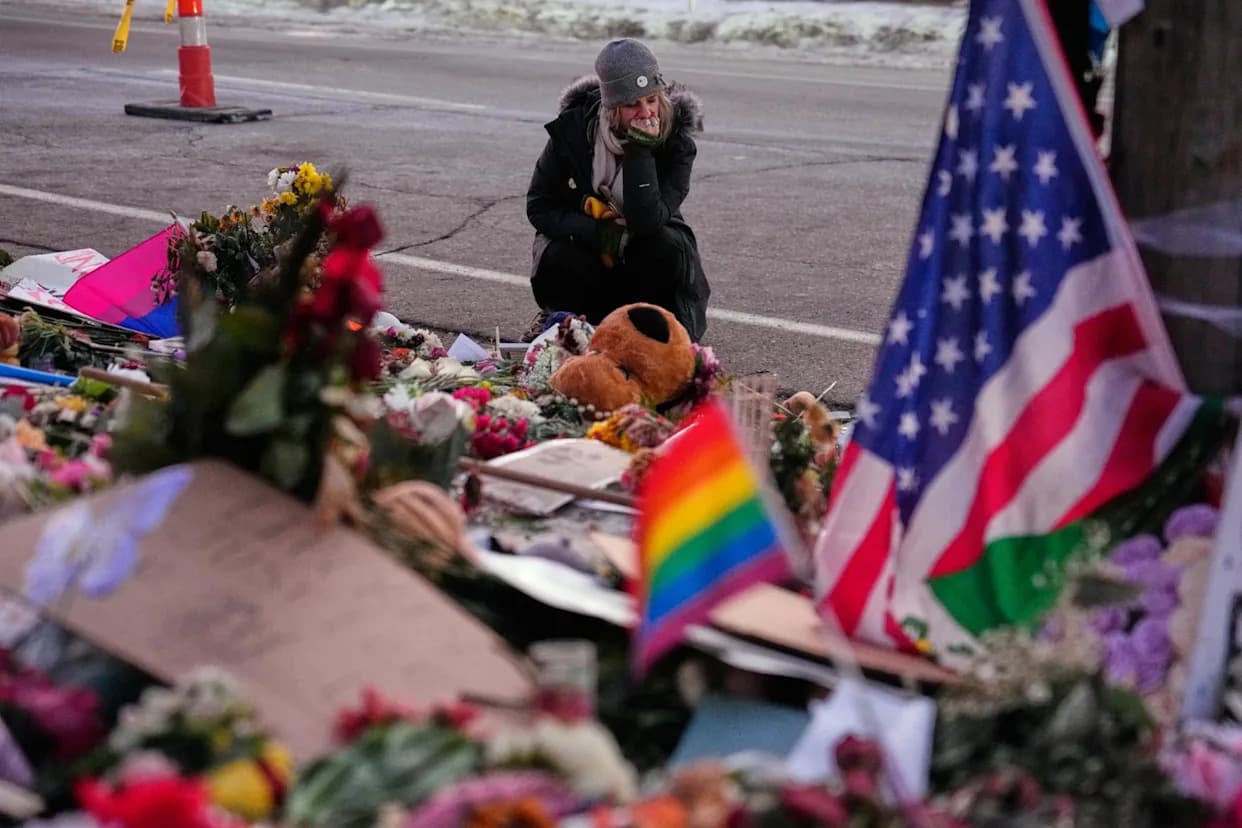
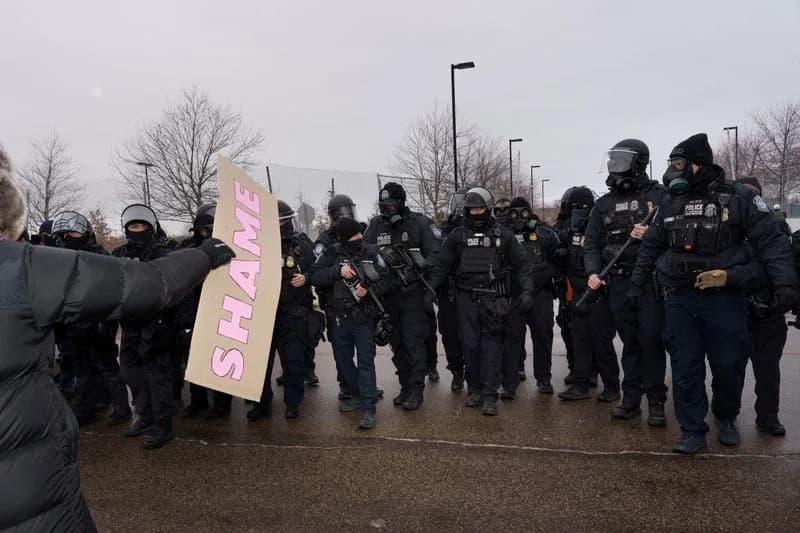
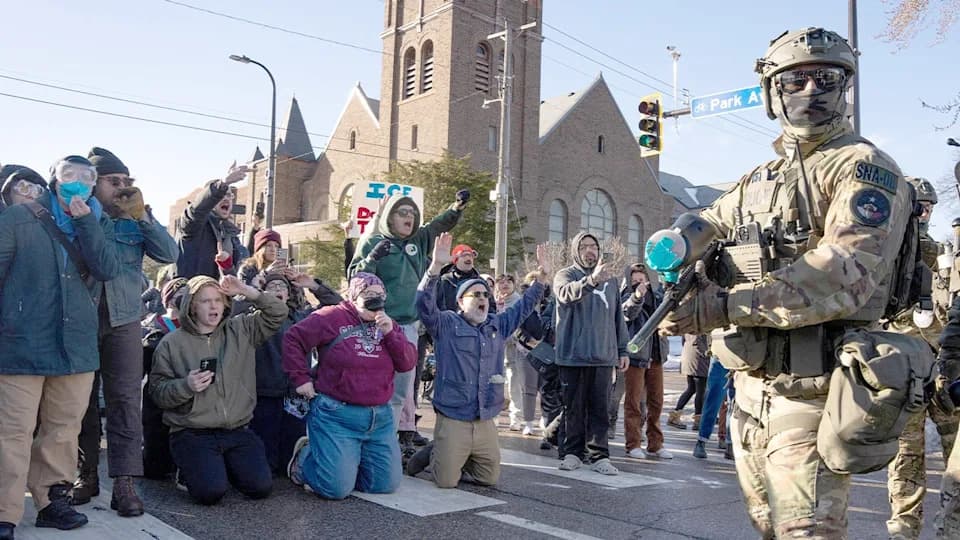
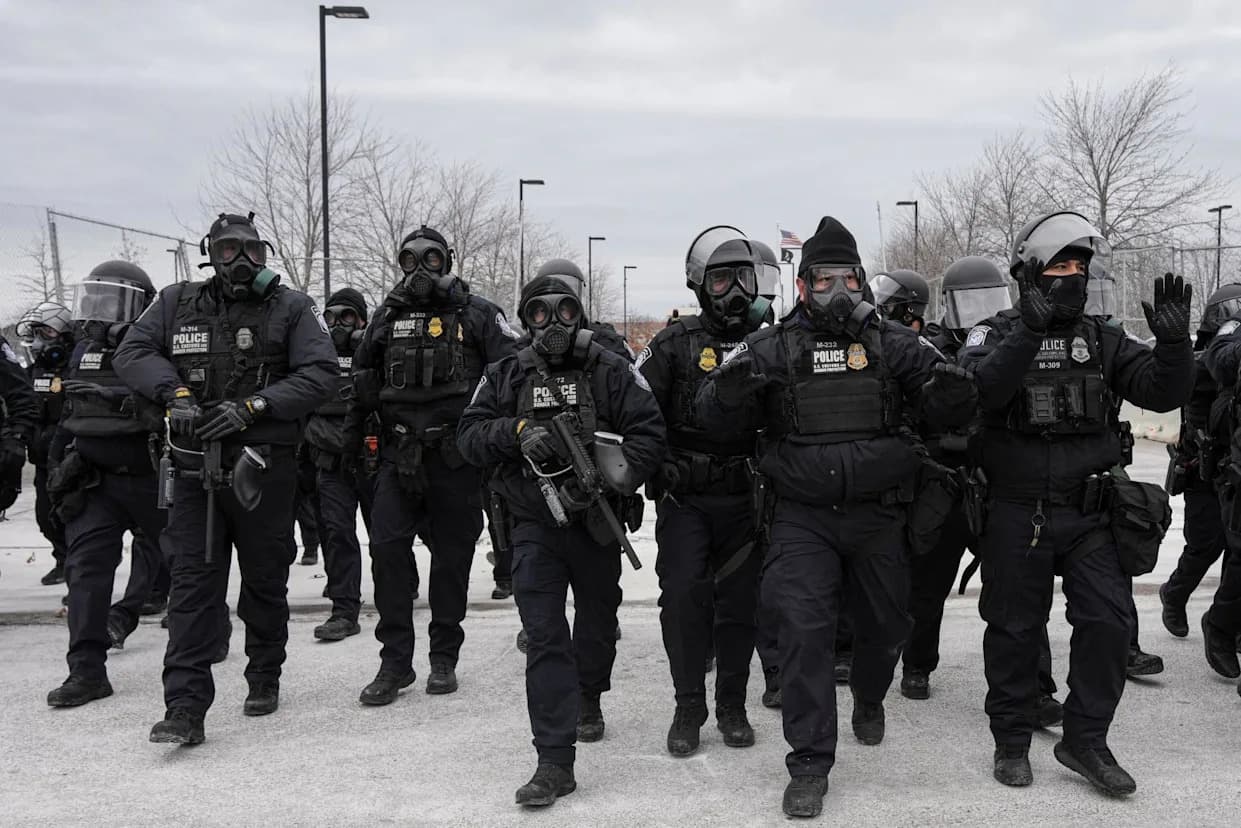
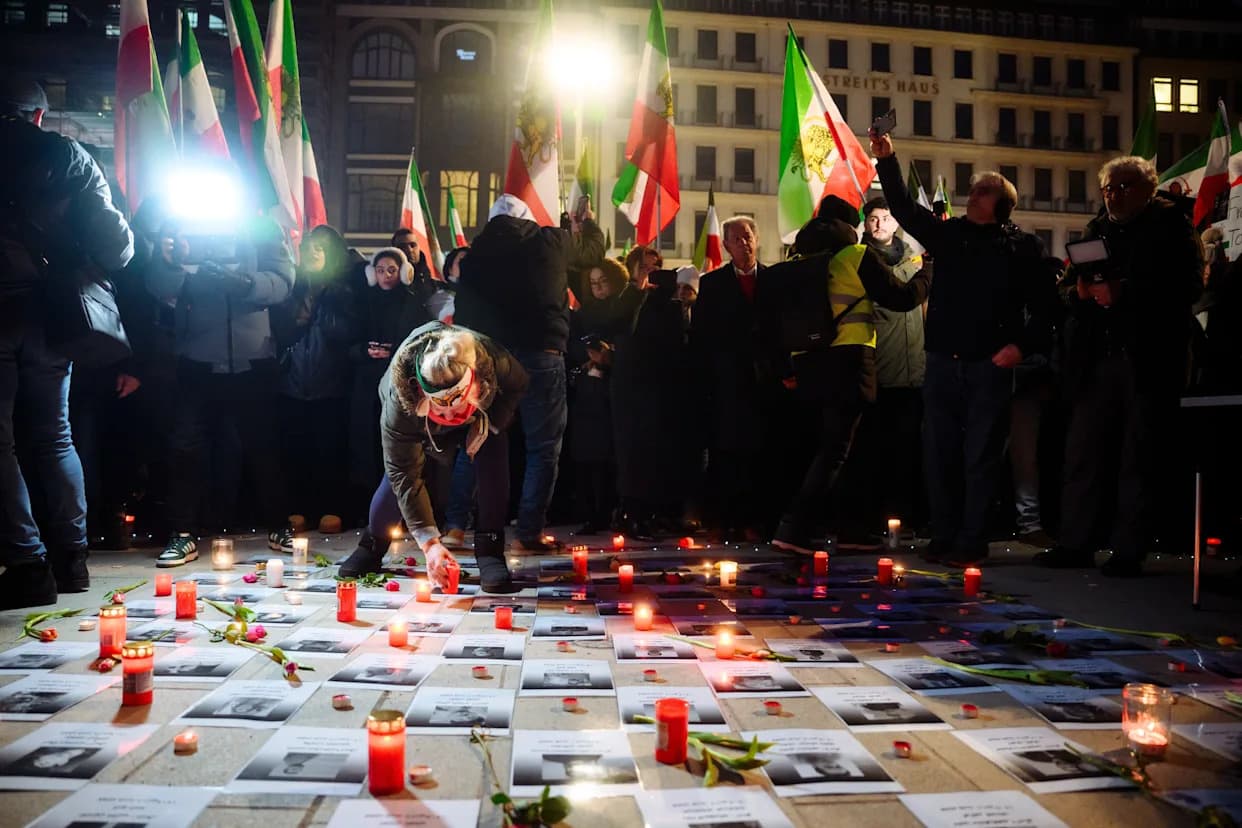
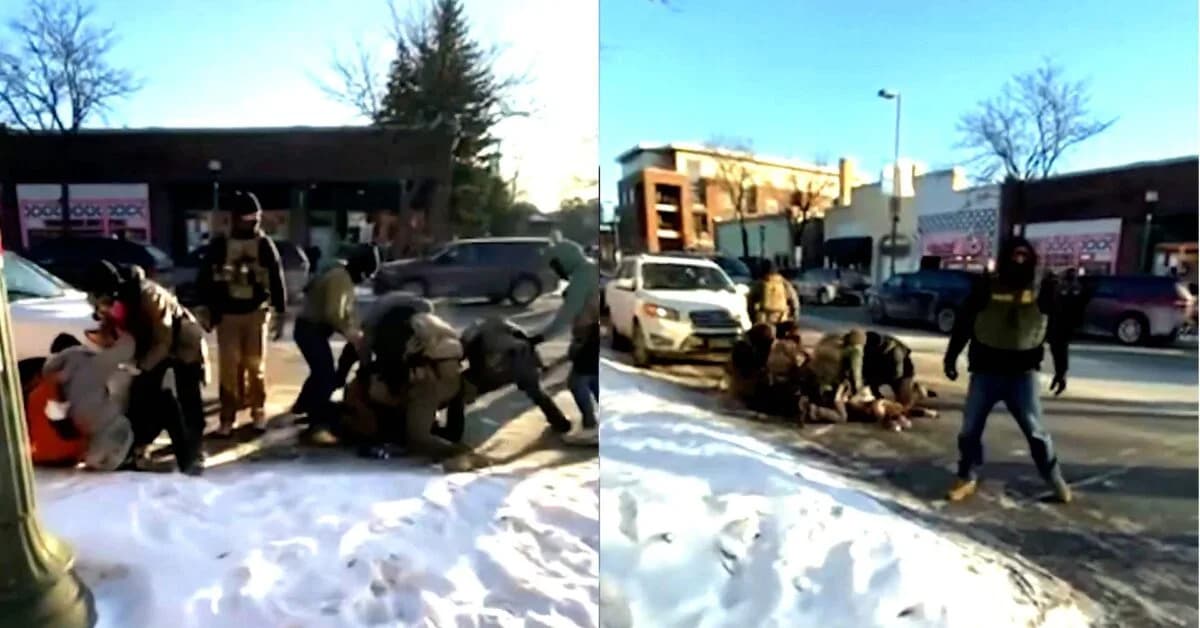
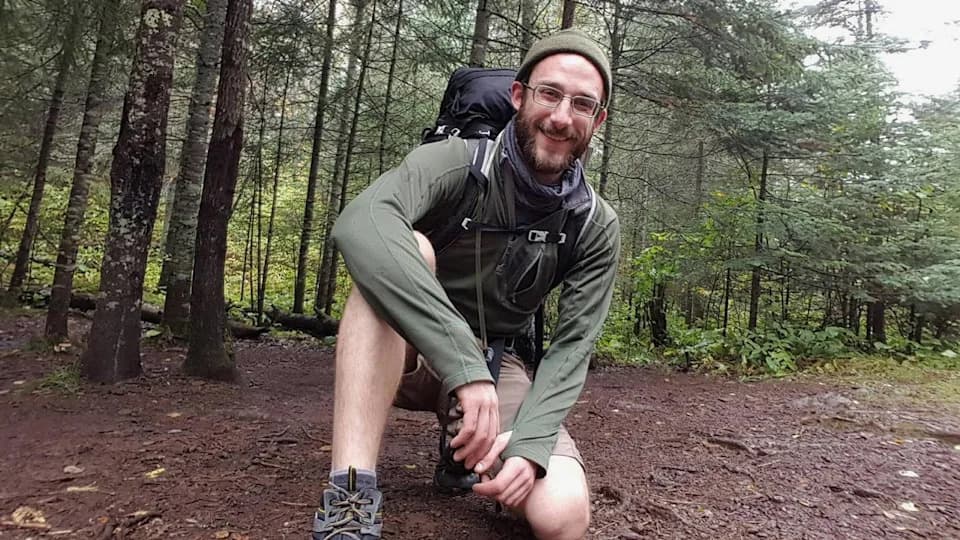
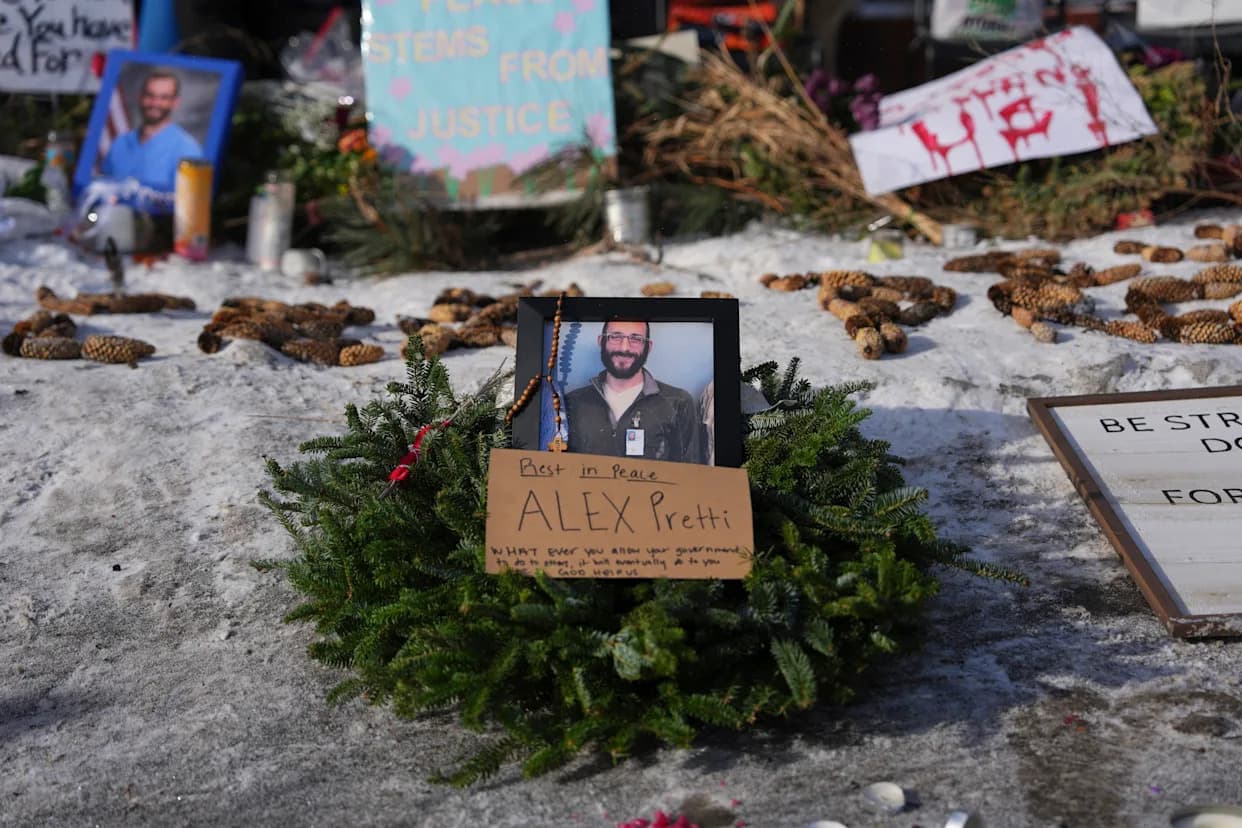
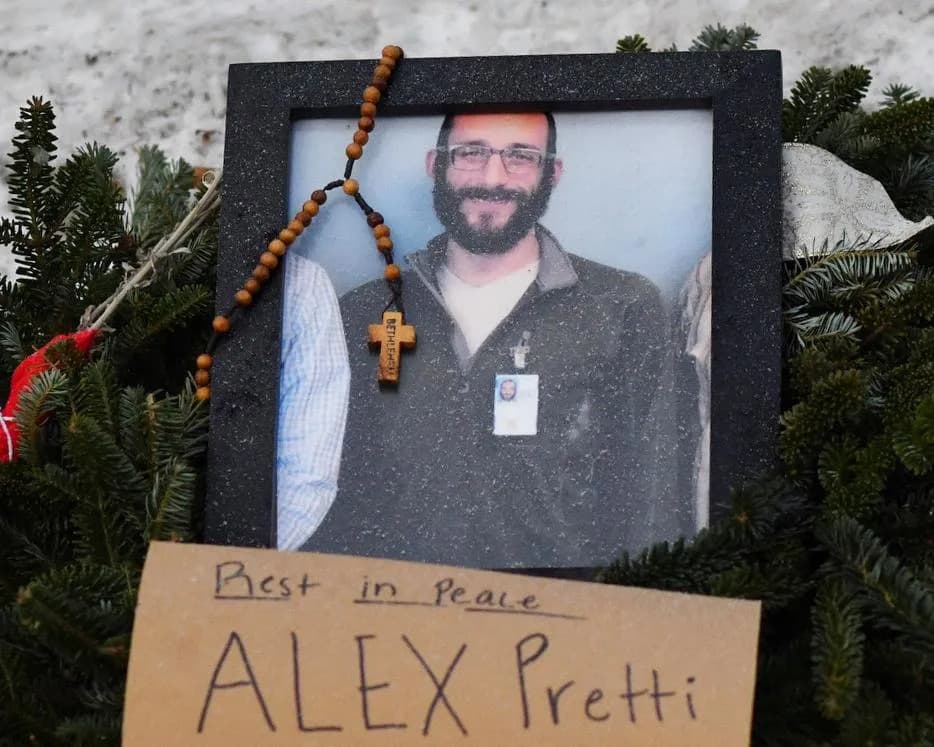
The horrors that followed Renee Good’s death have not ceased; they have escalated. Protesters have been assaulted and shot. On Tuesday, ICE detained a five-year-old and used the child to lure his family out of hiding; the preschooler and his father were then transported to Texas, and it is unclear when or if they will return. On Thursday, several civil-rights leaders, including Saint Paul Public School board member Chauntyll Allen, were arrested while protesting—a Justice Department action the NAACP has described as a likely violation of First Amendment rights. And on Saturday, Alex Pretti was shot multiple times at close range and killed by ICE agents. Each day brings another atrocity and another instance of long-term harm inflicted on our community.
Local Leadership And Legal Action
I serve as a Saint Paul City Councilmember, and I believe our community is under violent attack by the federal government. We are fighting back with every tool we have.
On January 12, Saint Paul announced a joint lawsuit with the city of Minneapolis and the state of Minnesota against the Department of Homeland Security, seeking to halt what we maintain is an unconstitutional operation. Our City Council is working to strengthen the city separation ordinance and develop legal measures to ensure that municipal resources—including our police department—cannot and will not assist immigration enforcement. We have urged the governor to declare a state of emergency and to implement a statewide eviction moratorium so no one loses their home because the federal government has made it impossible to earn a living.
Every elected official in our city is mobilizing to connect residents with the support they need now. We are also pressing Congress to act—asking representatives and senators to use every available tool to end this occupation—because cities and states alone lack the authority to fully protect people from federal actions.
Why This Matters
None of these measures feels sufficient on its own. Individually, they do not resolve this crisis. But history offers reason for hope: over the past 30 years, 52 percent of autocratization episodes were followed by democratic resurgence, and in 90 percent of those cases countries ultimately returned to levels of democracy that were as strong as or stronger than before.
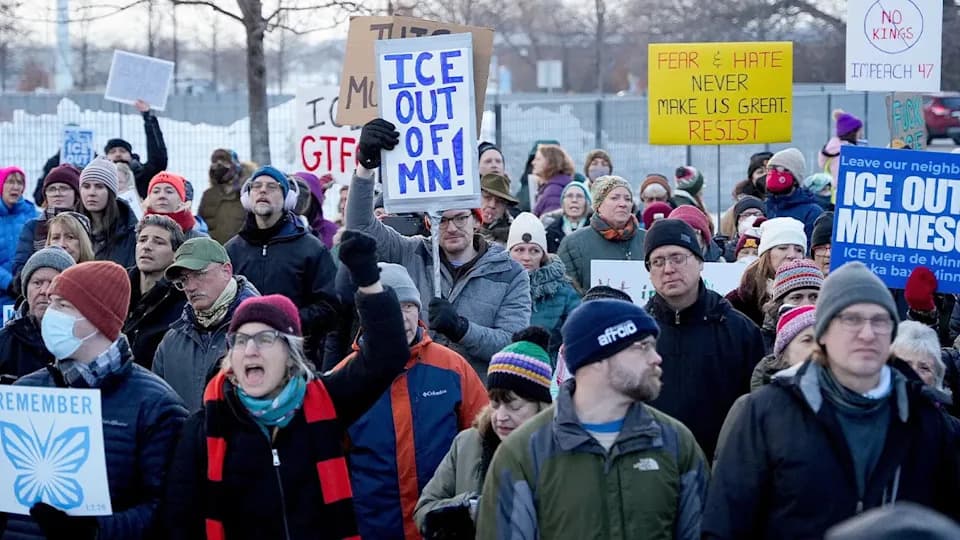
Across Saint Paul and Minnesota, we are proving we have the capacity to prevail. We are building solidarity, expanding our capacity to support neighbors, and resisting through every lawful channel available. We remain committed to nonviolence even as federal actions escalate. We may grow tired, but we refuse to surrender to despair. Our civil-resistance movement is robust and growing.
Most importantly, we know what we are defending because we have lived it: Saint Paul is strongest when we welcome and uplift immigrant neighbors. Minnesota is at its best when it builds systems that allow everyone—whether newly arrived or here for generations—to thrive. We hold fast to Paul Wellstone’s words: “we all do better when we all do better.” The harsh, punitive vision that federal leaders are trying to impose on our communities is one we will never accept. The path ahead is uncertain, but we will continue to put one foot in front of the other until we win.
Help us improve.