Federal immigration officers have significantly increased operations in Minneapolis since the fatal shooting of Renee Nicole Good, according to residents and protesters. Witnesses report unmarked cars, door-to-door checks, forceful arrests and use of chemical agents, with videos widely circulating online. Mayor Jacob Frey called the situation "impossible," citing a major discrepancy between local police and roughly 3,000 federal personnel. Community members say they feel under siege and have demanded ICE leave the city.
‘It Feels Like an Invasion’: Minneapolis Residents Alarmed as Thousands of Federal Immigration Officers Deploy After Renee Good Shooting
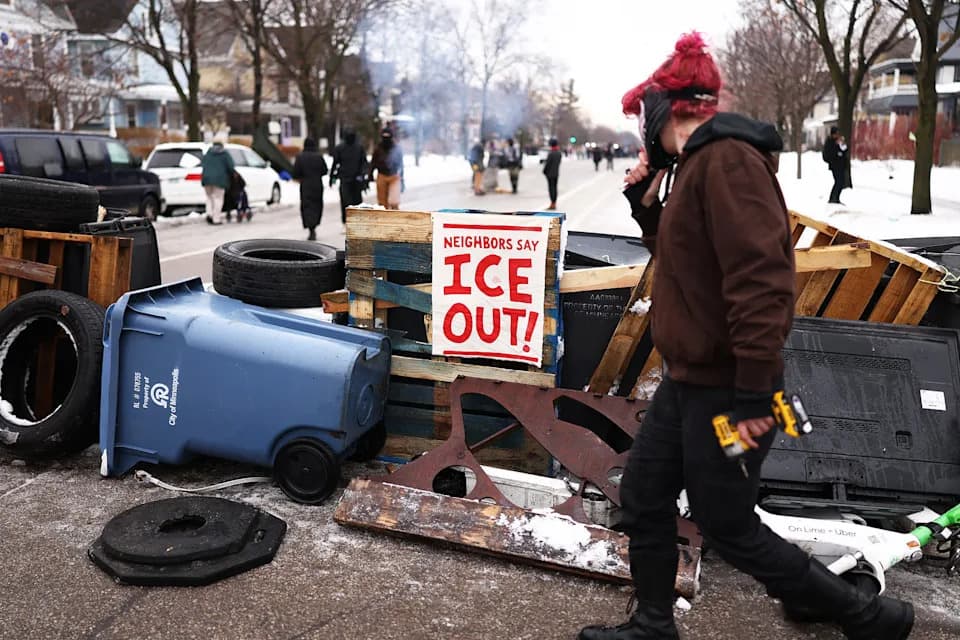
Neighbors who live near the street where Renee Good was killed say the community has had no time to recover. (Charly Triballeau / AFP via Getty Images)(Charly Triballeau)
MINNEAPOLIS — Residents, protesters and local leaders say the presence of federal immigration officers in Minneapolis has surged since the fatal shooting of Renee Nicole Good, and the heightened operations have left many feeling alarmed and watched.
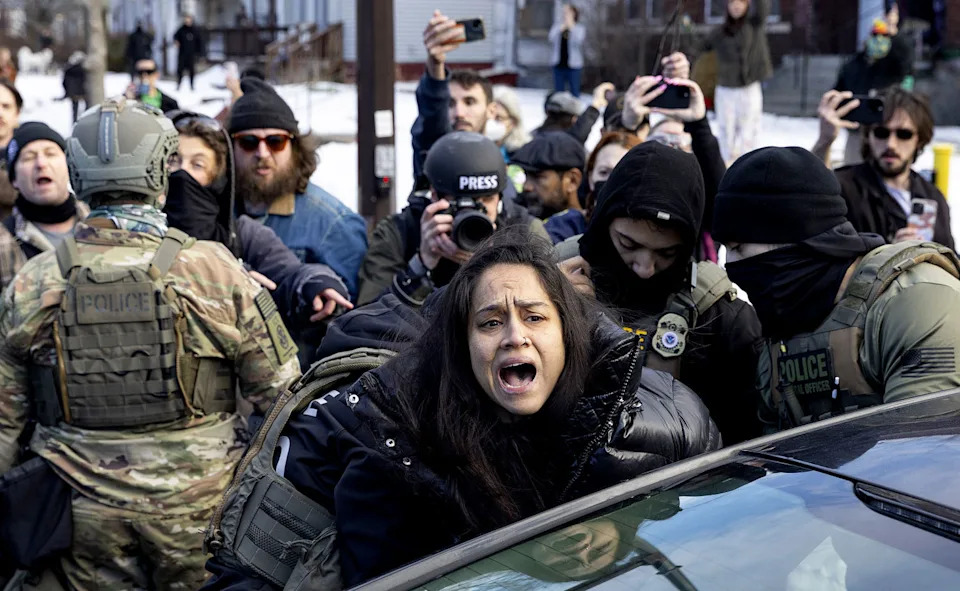
Federal officers have smashed car windows and arrested people they said were obstructing enforcement operations. (Mostafa Bassim / Anadolu via Getty Images)(Mostafa Bassim)
What Residents Are Reporting
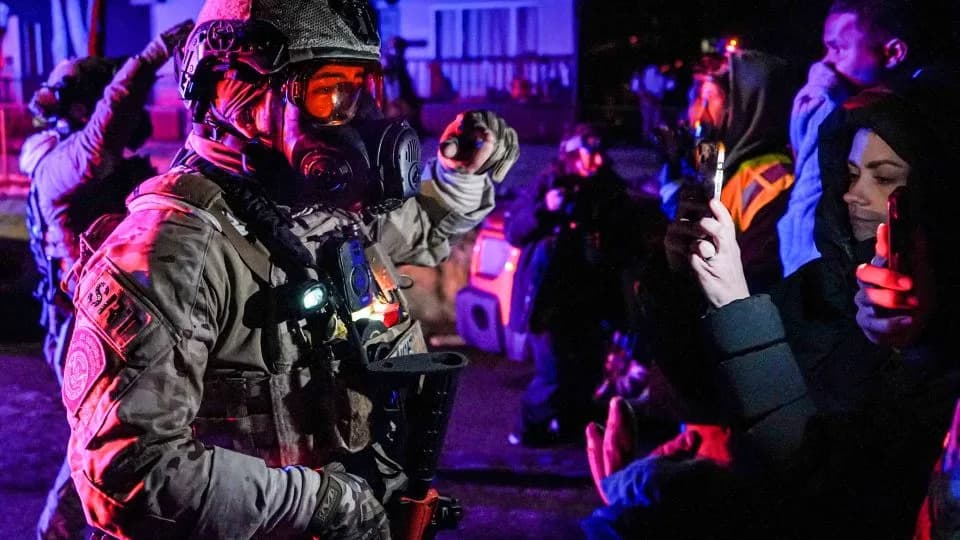
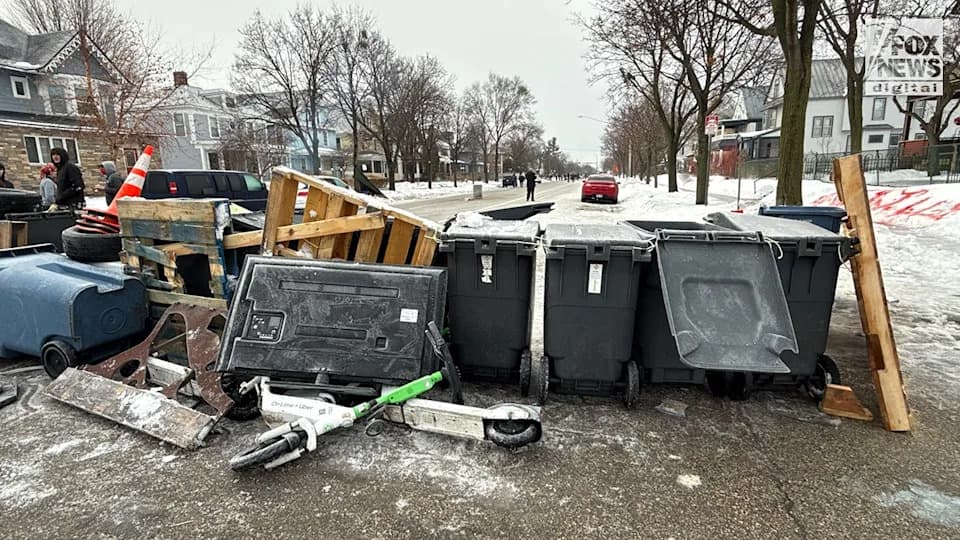
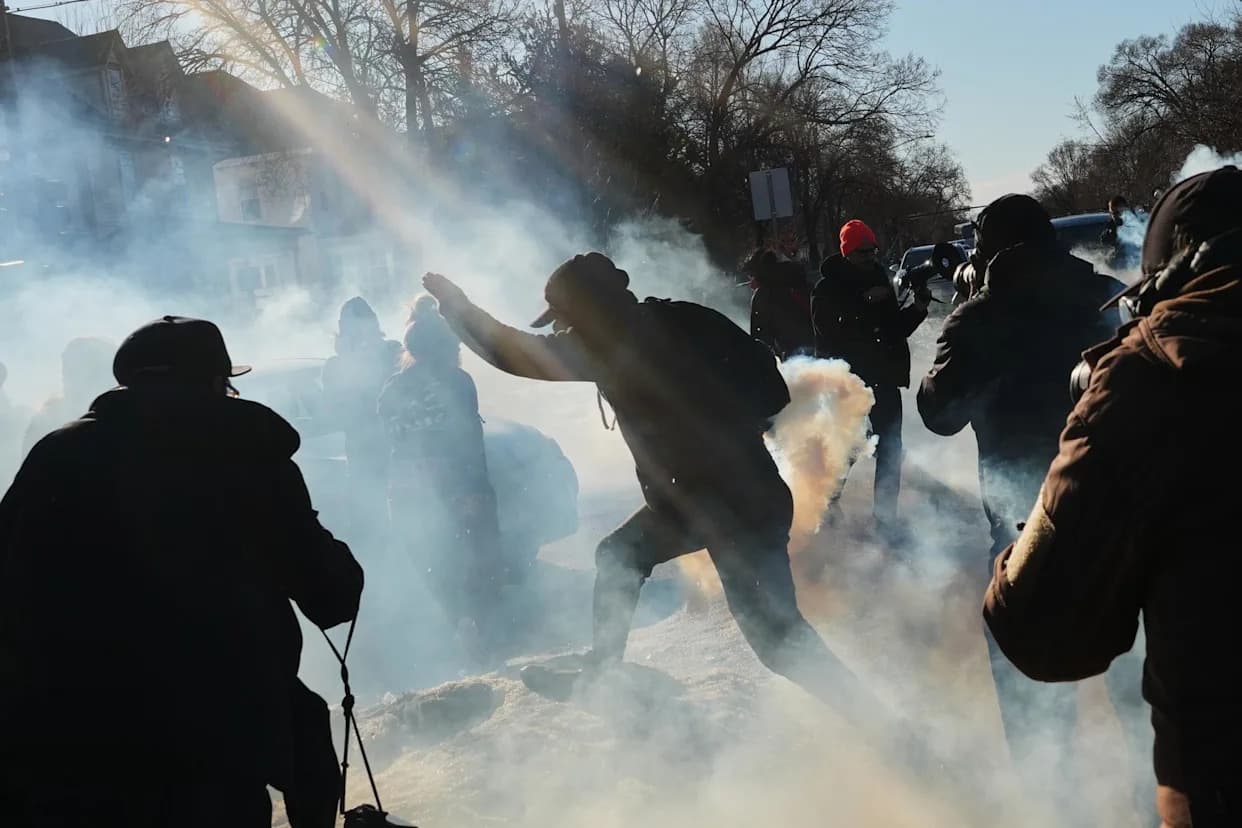
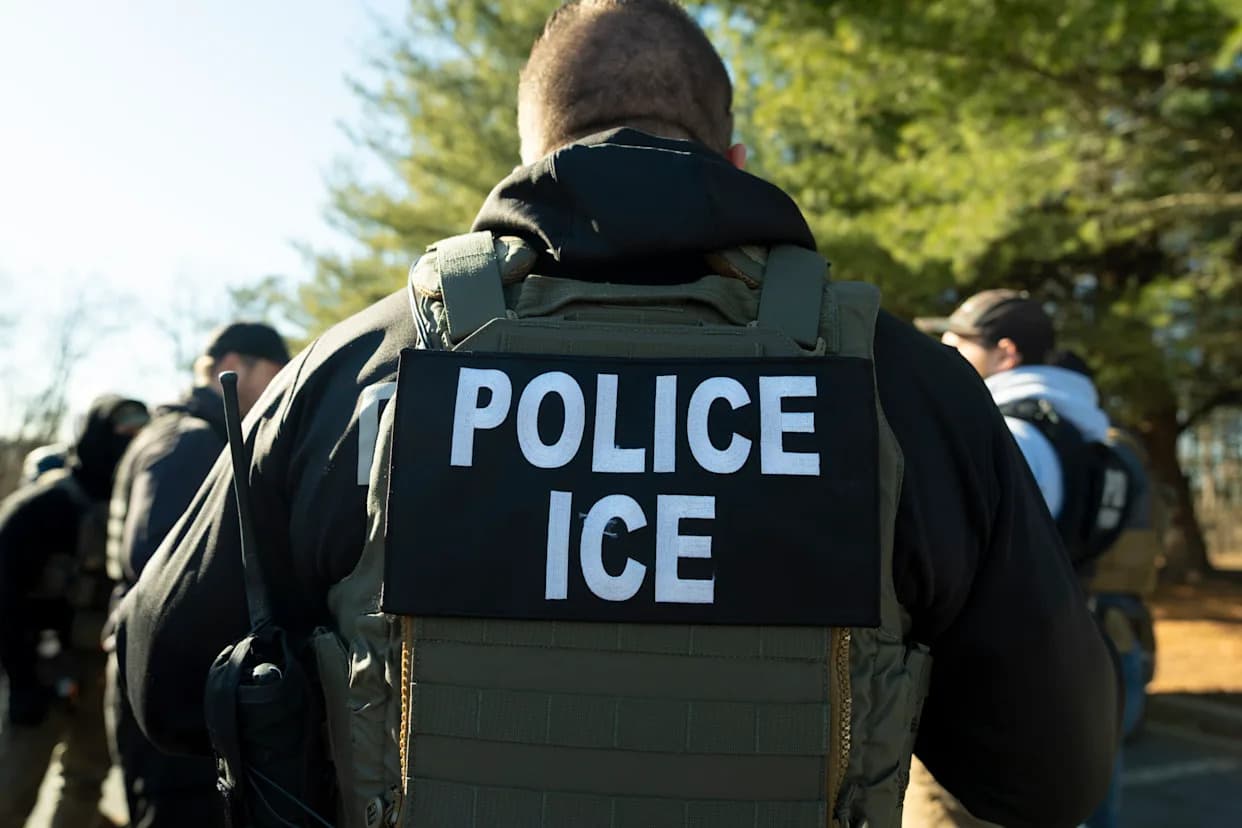
Witnesses describe officers traveling in unmarked cars, conducting door-to-door checks, standing in retail parking lots and detaining people near the memorial to Good. Protesters say the steady sounds of horns and whistles serve as neighborhood alerts when federal teams are nearby, and some videos circulating online show officers using chemical irritants and force during arrests.
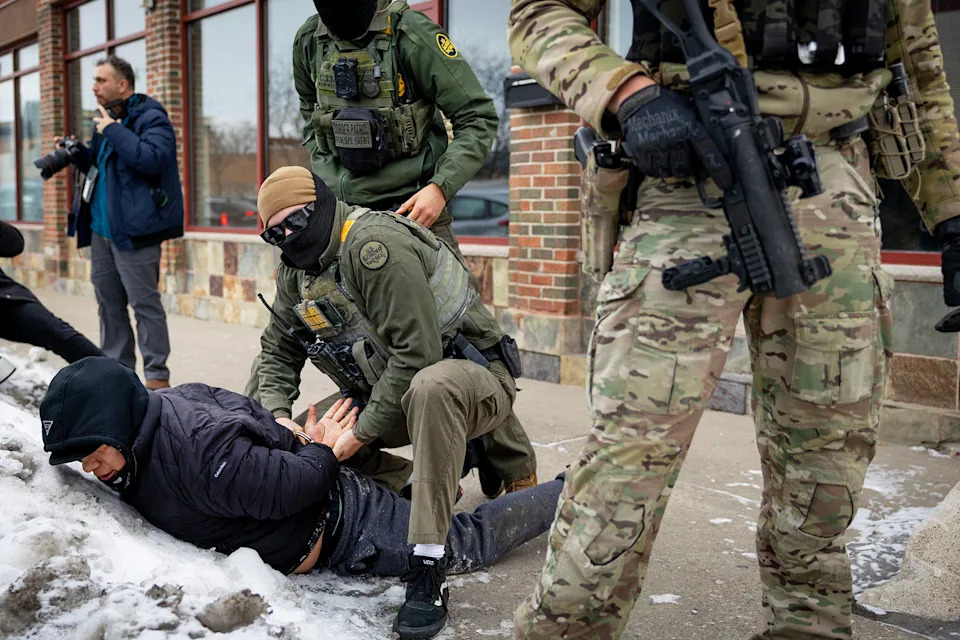
Immigration officers have been flooding neighborhoods, knocking on doors in pursuit of non-U.S. citizens. (Scott Olson / Getty Images)(Scott Olson)
Scope And Tactics
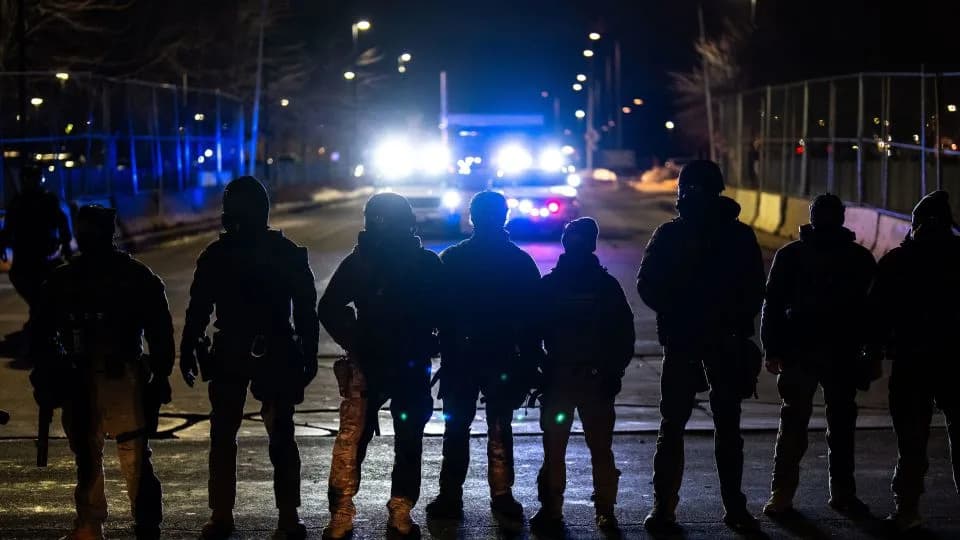
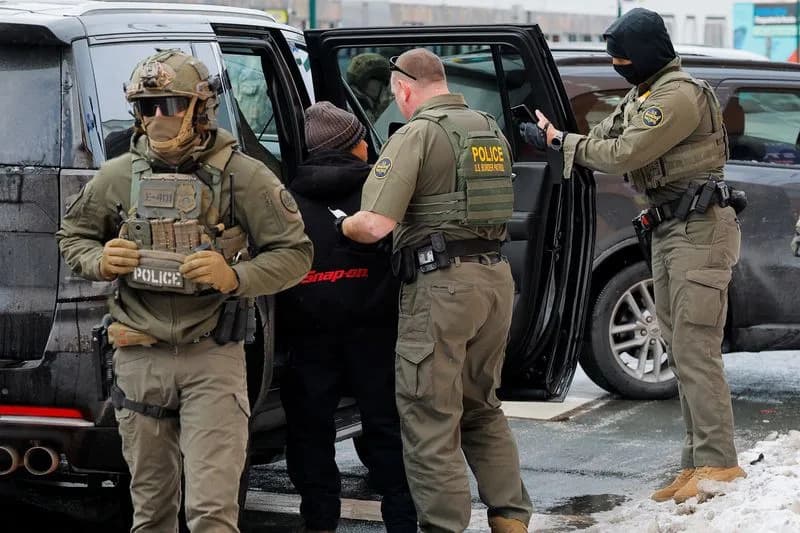
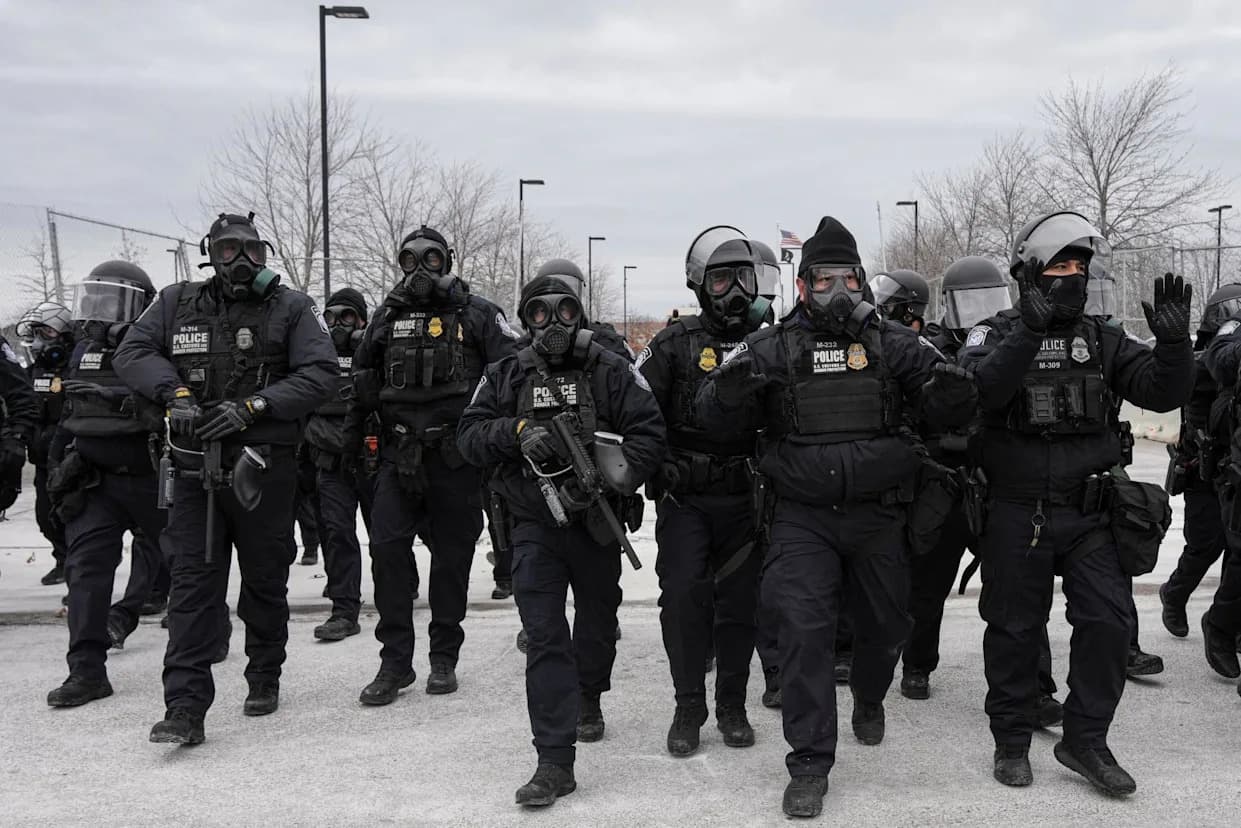
The deployment — branded by the administration as Operation Metro Surge — appears to some residents to be larger and more aggressive than comparable immigration operations in other Democratic-led cities, including Chicago, Los Angeles and Charlotte. Federal officials told reporters that roughly 3,000 federal personnel are operating in the area, including more than 2,000 ICE staff, several hundred Border Patrol agents and personnel from Justice Department agencies. City officials say Minneapolis has about 600 police officers.
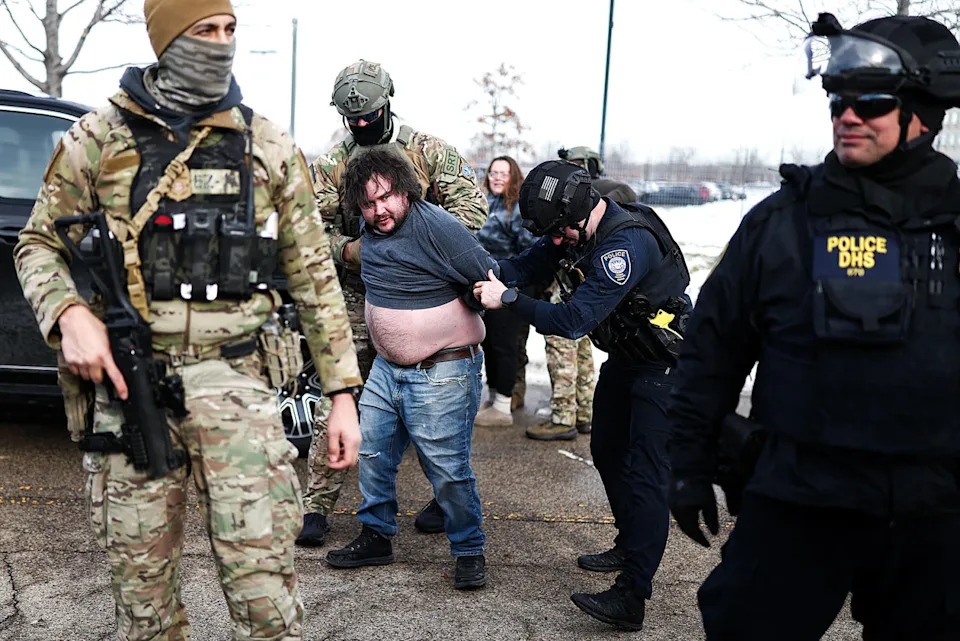
Federal officers regularly detain protesters outside the Whipple Federal Building. (Charly Triballeau / AFP - Getty Images)(Charly Triballeau)
Video Evidence And Allegations
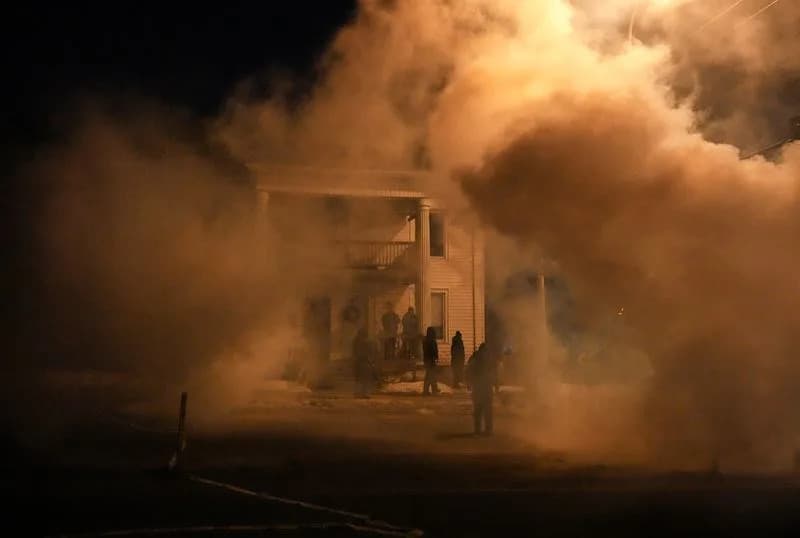
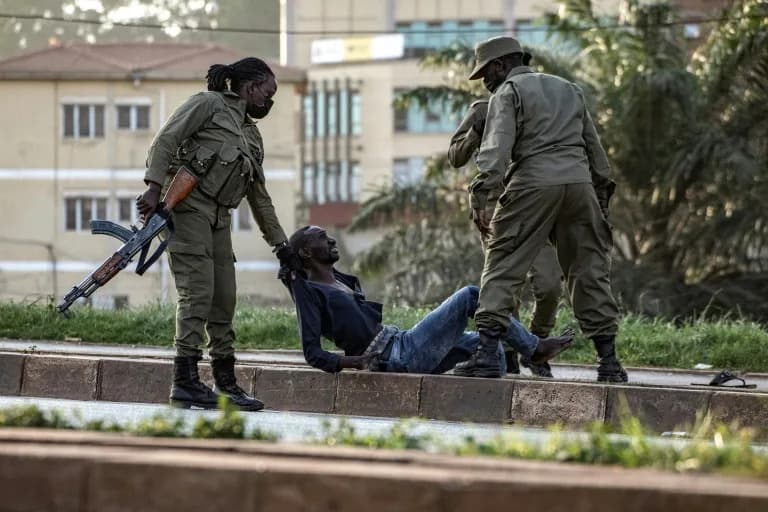
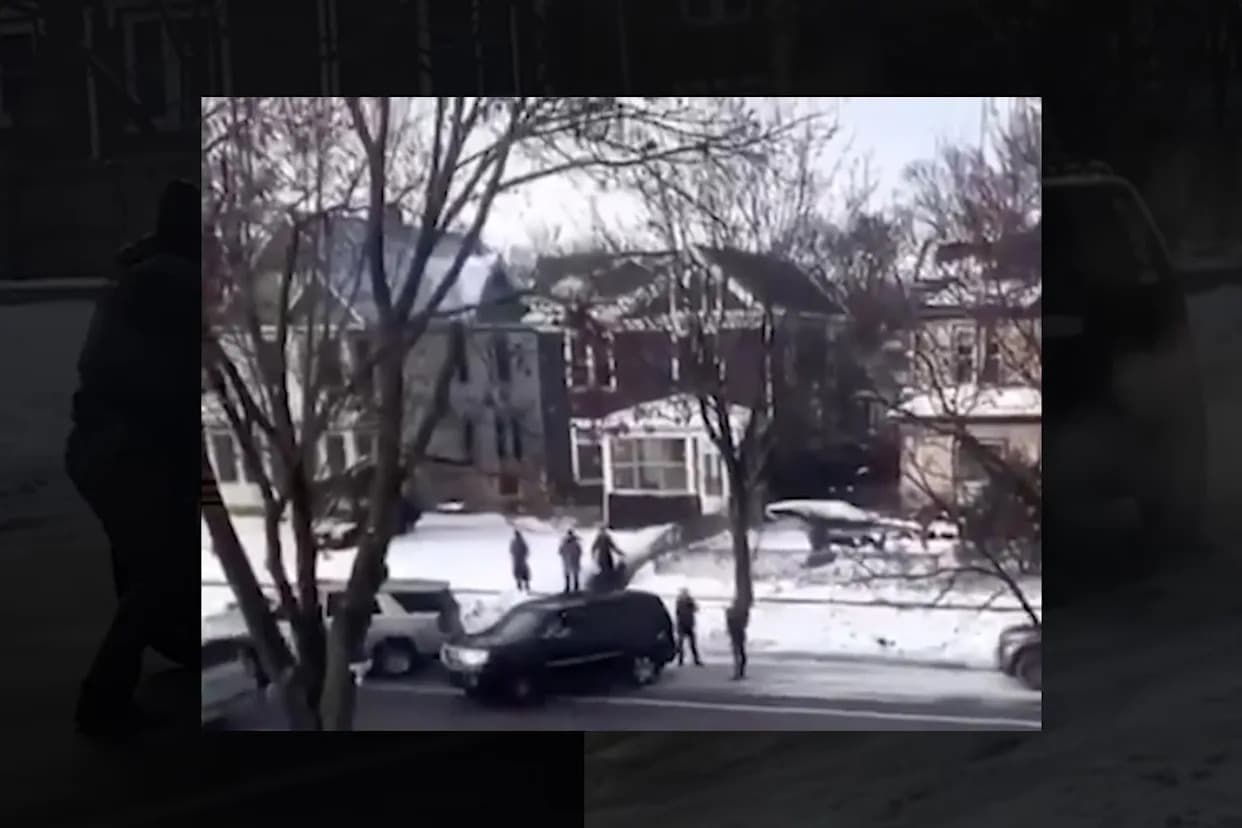
Activists and neighbors have shared footage showing violent arrests, officers smashing car windows, and agents appearing to spray chemical agents directly into people’s faces. One widely circulated clip shows a woman being dragged from her car; another shows an officer leaning out of a vehicle and firing a stream of red chemical agent at a protester.
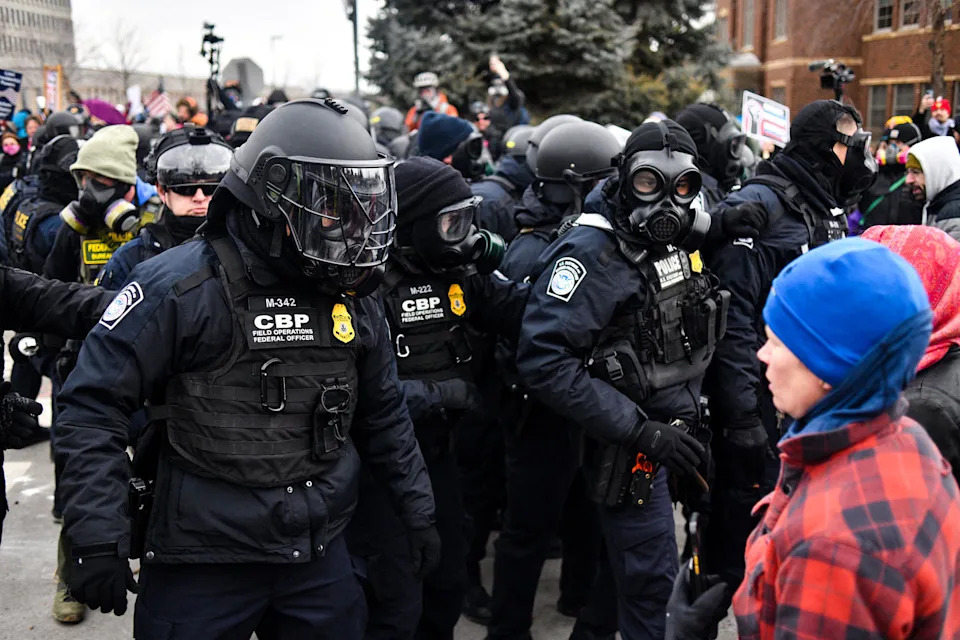
The Whipple Building, which holds an ICE facility, has been the site of daily protests. (Octavio Jones / AFP - Getty Images)(Octavio Jones)
“It feels like an invasion,” a woman protesting outside the Whipple federal detention facility said, asking to remain anonymous for fear of retaliation. “It feels very much like a Nazi Germany situation to me. It needs to stop.”
Shooting, Official Accounts And Local Response
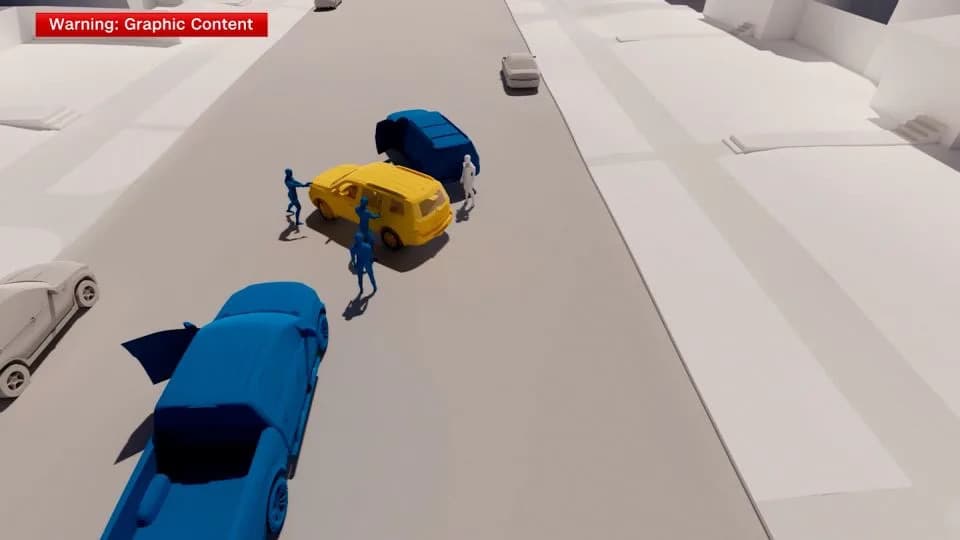
The surge followed the shooting death of 37-year-old Renee Nicole Good, a U.S. citizen, during an encounter with an ICE officer. The Department of Homeland Security said an officer fired after being attacked; DHS reported that a man was shot in the leg after allegedly striking a federal officer with a snow shovel or broom handle, and said the officer acted fearing for his life.
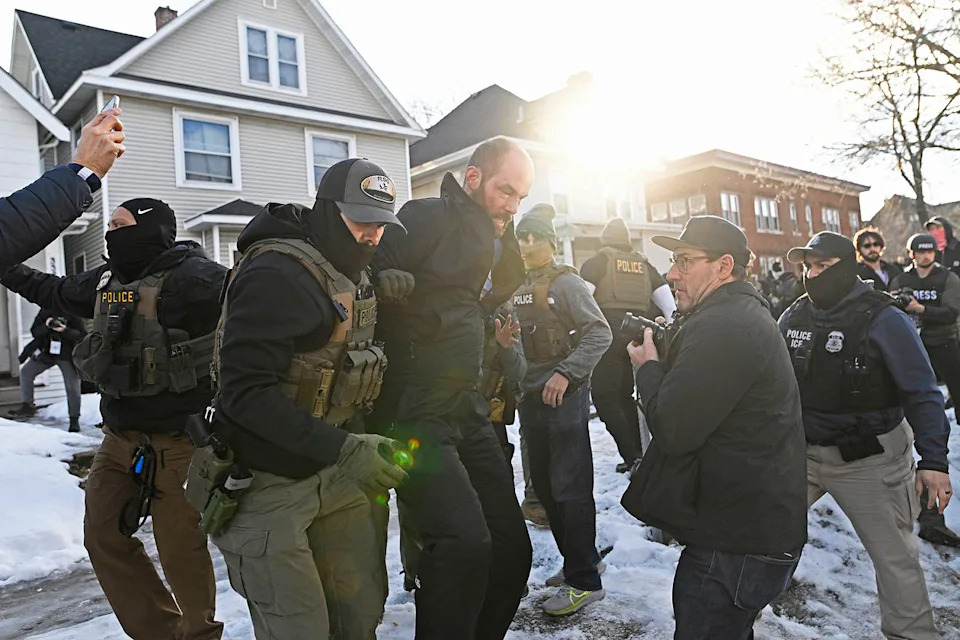
The Trump administration said it would target for arrest anyone interfering with immigration enforcement. (Stephen Maturen / Getty Images)(Stephen Maturen)
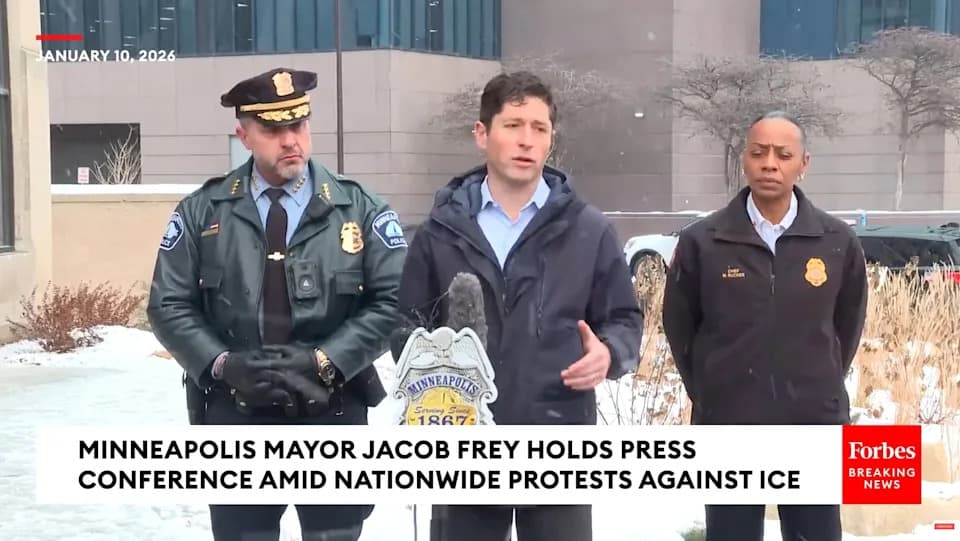
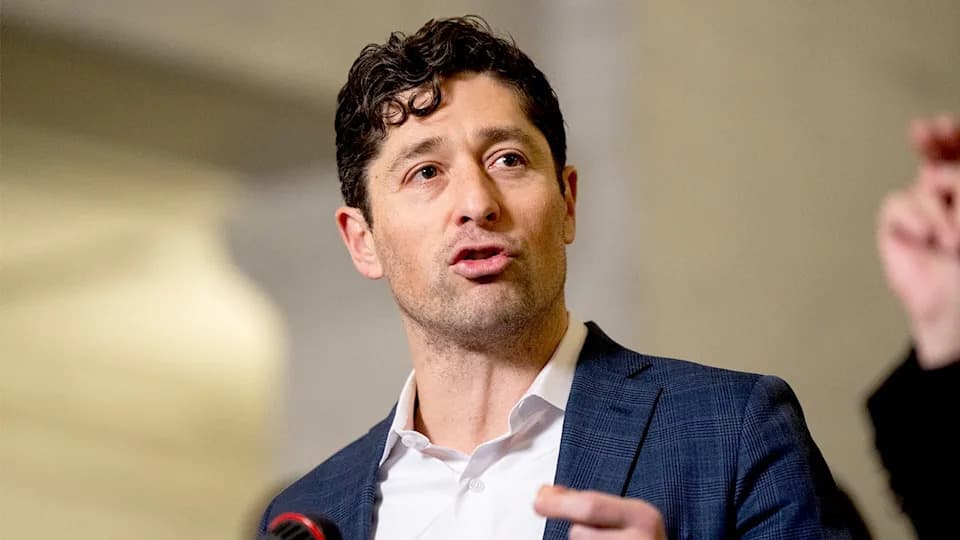
Mayor Jacob Frey called the situation "impossible" at a news conference, noting the mismatch between local and federal personnel and urging protesters not to be provoked while stressing the city’s duty to protect residents. The City of Minneapolis later posted on X urging ICE to leave the city and state and reiterating support for immigrant and refugee communities.
Allegations Of Overreach And Conditions At Detention Facility
Several residents described encounters in neighborhoods including Lake Street, Uptown and Powderhorn and reported seeing officers at locations such as a Target in Richfield. One person detained hours after Good’s death provided video that appears to show officers breaking car windows, pepper-spraying occupants and removing them from the vehicle. That person later described overcrowded conditions at the Whipple ICE facility, saying cells held more than 20 people in spaces they believed designed for far fewer.
National Political Context
Vice President J.D. Vance has publicly endorsed door-to-door enforcement tactics, saying on Fox News that deportation numbers could rise as more personnel go "door to door." He also suggested the ICE officer who shot Good would have broad legal protection. The deployment and Good’s death have intensified debate over federal immigration tactics and their role in local communities still grappling with the aftershocks of high-profile police violence.
Community Reaction
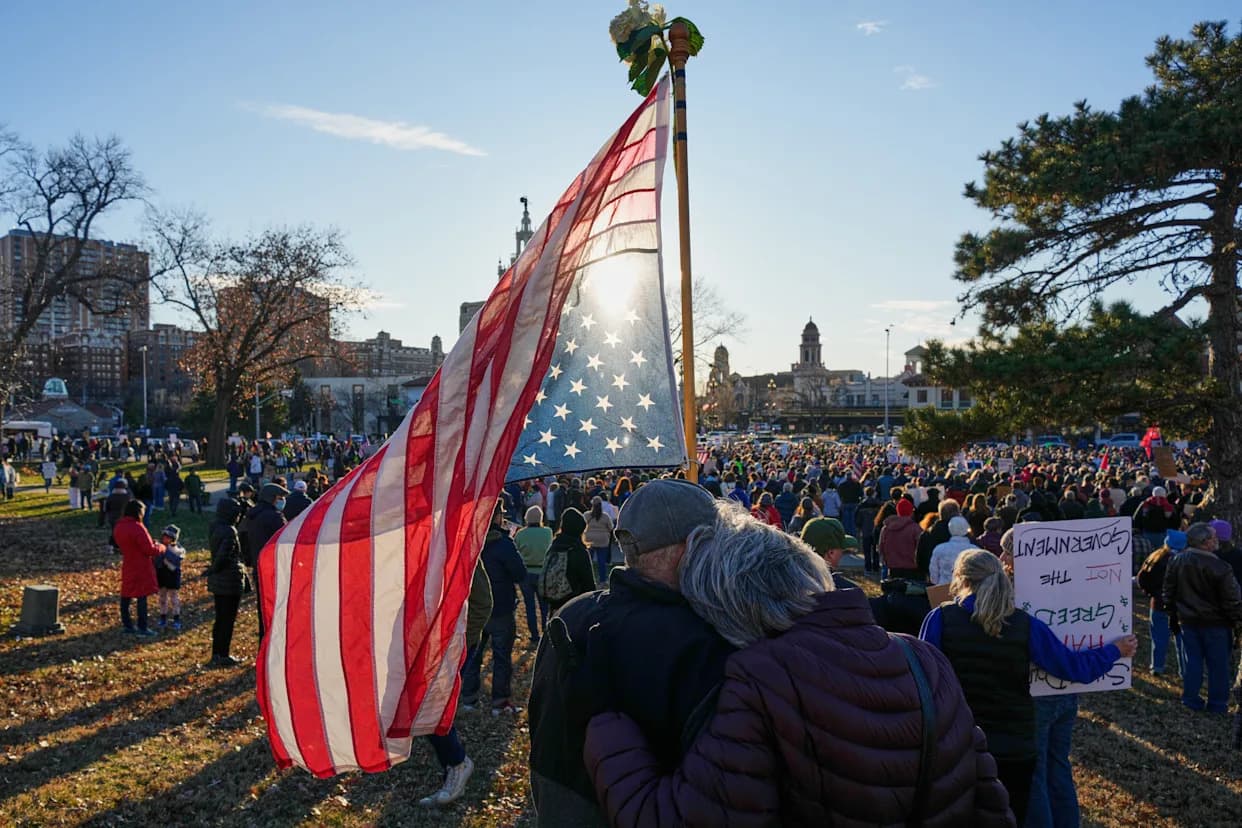
Wherever officers appear, residents report community members turning out with whistles and horns to warn neighbors and to record encounters. In parts of the Bryant Central neighborhood, some residents said the federal presence felt punitive and politically motivated. Protest activity has remained intense around the Good memorial, and confrontations between federal officers and demonstrators have continued.
Note: Reporting in this account is based on interviews with residents, activists and local officials and video provided to reporters. The Department of Homeland Security did not provide additional comment for every allegation described by witnesses. This article was originally reported for NBC News.
Help us improve.