The Huayuan quarry in Hunan, China, has produced over 50,000 fossil specimens from a compact site, revealing more than 150 species — 91 new to science. Dated to about 512 million years ago, the assemblage preserves soft tissues (gills, guts, eyes and nerves) and represents organisms that lived immediately after the Sinsk mass extinction. The diversity includes worms, sponges, jellyfish and arthropods such as radiodonts, and similarities with Burgess Shale forms suggest wide early dispersal. The discovery offers critical insight into post‑extinction recovery and early animal evolution.
China's Huayuan Quarry Yields Nearly 100 New Ancient Species — A Rare Window Into Post‑Extinction Life
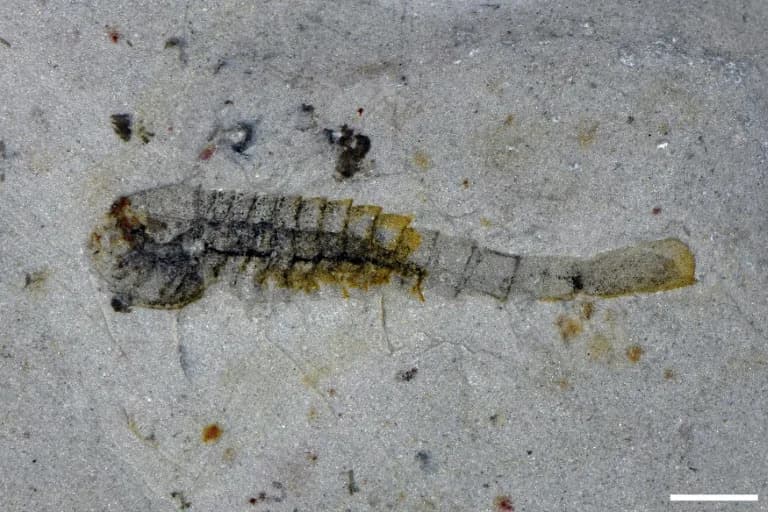
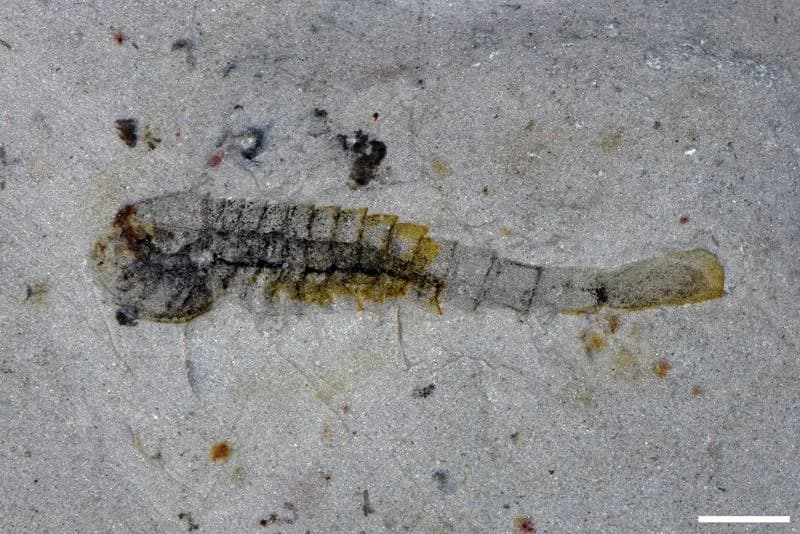
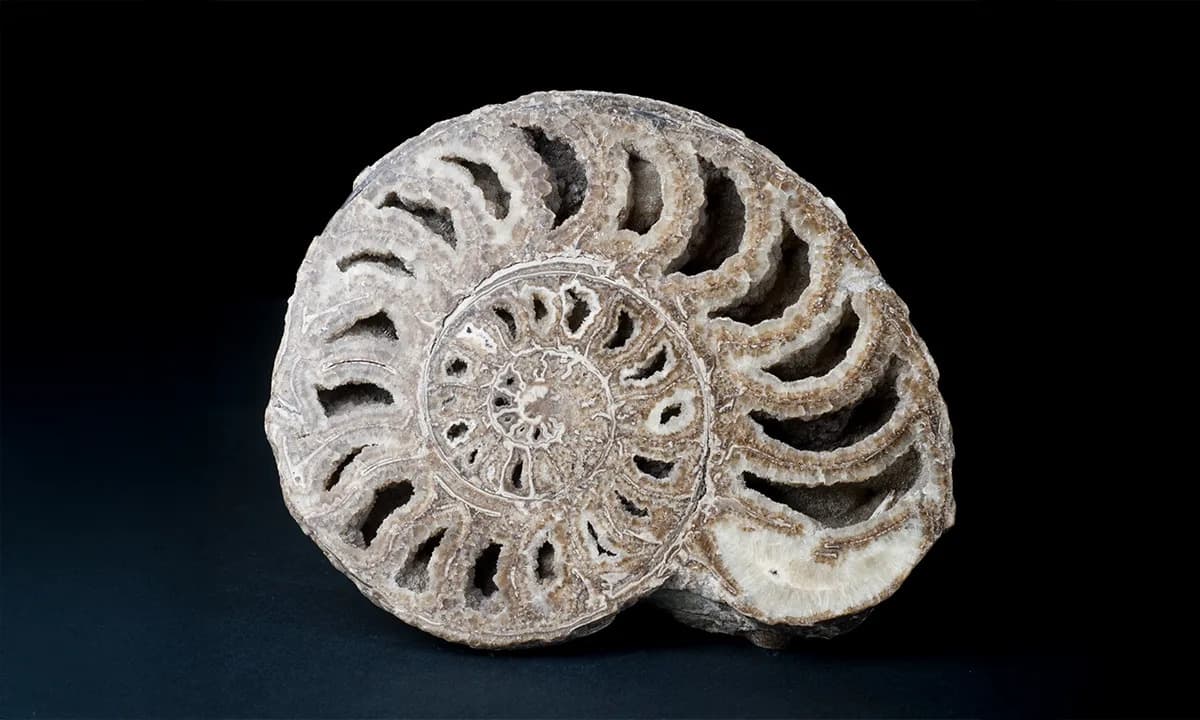
The Chinese team uncovered more than 150 different species between 2021 and 2024 (Han Zeng)(Han Zeng/AFP/AFP)
Scientists have uncovered an exceptional fossil assemblage in a small quarry in Huayuan County, Hunan province, China. Between 2021 and 2024 a research team led by Han Zeng of the Chinese Academy of Sciences collected more than 50,000 fossil specimens from a single exposure roughly 12 metres high, 30 metres long and 8 metres wide. In that compact site they identified over 150 species, 91 of which are new to science.
The fossils — collectively named the Huayuan Biota — are remarkable for the rare preservation of soft tissues. Many slabs show gills, guts, eyes and even nerve tissues, offering unusually detailed anatomical information for organisms that lived about 512 million years ago.
“We have collected over 50,000 fossil specimens from a single quarry,” Han Zeng told AFP. “Many fossils show soft parts including gills, guts, eyes and even nerves.”
Why the Find Matters
The Huayuan assemblage dates to roughly 512 million years ago — immediately after the Sinsk event, a mass extinction around 513 million years ago that disproportionately affected shallow-water life, likely due to falling oxygen levels. Because it preserves delicate, soft-bodied organisms from the recovery interval after that extinction, the site offers a rare and important glimpse into how ecosystems rebounded after a major biological crisis.
What Was Discovered
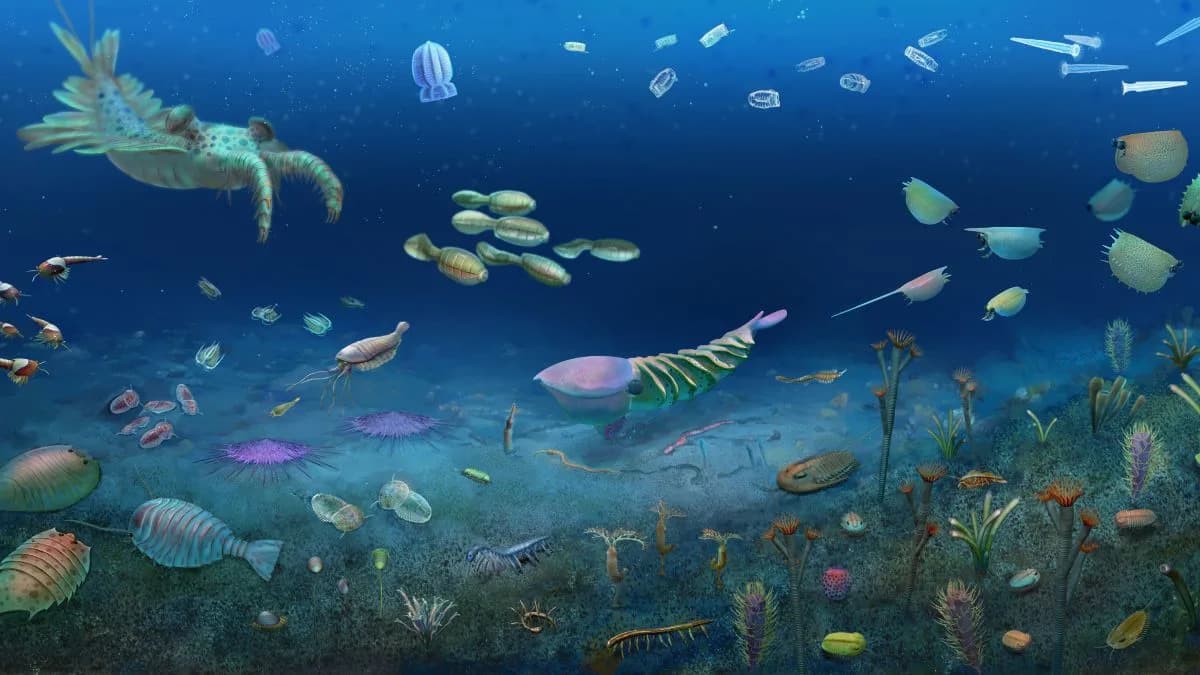
The biota includes a wide range of early animals: relatives of worms, sponges and jellyfish, and a rich suite of arthropods. Among those arthropods are radiodonts — spiny, stalk‑eyed predators that occupied apex roles in Cambrian seas. Some Huayuan species closely resemble organisms described from the Burgess Shale in Canada, implying that certain Cambrian animals could disperse very long distances even at this early stage of animal evolution.
Scientific Implications
Researchers say the fossils strengthen the idea that deep or more stable environments acted as refuges during environmental crises, while shallow-water communities were hit hardest. The Huayuan Biota therefore helps fill a crucial gap in the fossil record by documenting which lineages survived and how marine ecosystems reorganized after the Sinsk event.
Publication and context: The findings appear in the journal Nature. The fieldwork and analysis were performed from 2021 to 2024 by a team led by Han Zeng of the Chinese Academy of Sciences. The discovery also underscores broader concerns: the geological record contains many extinction episodes, and scientists warn that human activity has put Earth on another major biodiversity-loss trajectory.
Help us improve.