The Huayuan biota in Hunan, China, preserves an exceptionally detailed Cambrian ecosystem dated to about 512–513 million years ago, shortly after the Sinsk extinction. The deposit contains 8,681 specimens representing 153 species across 16 groups, nearly 60% of them new to science. Exceptional soft‑tissue preservation—including nervous systems, gut structures, and the oldest known pelagic tunicate—suggests deep‑water refuges aided rapid post‑extinction recovery and reveals surprising links to the Burgess Shale.
Huayuan Fossil Site Reveals Rapid Ecosystem Recovery After Major Cambrian Extinction
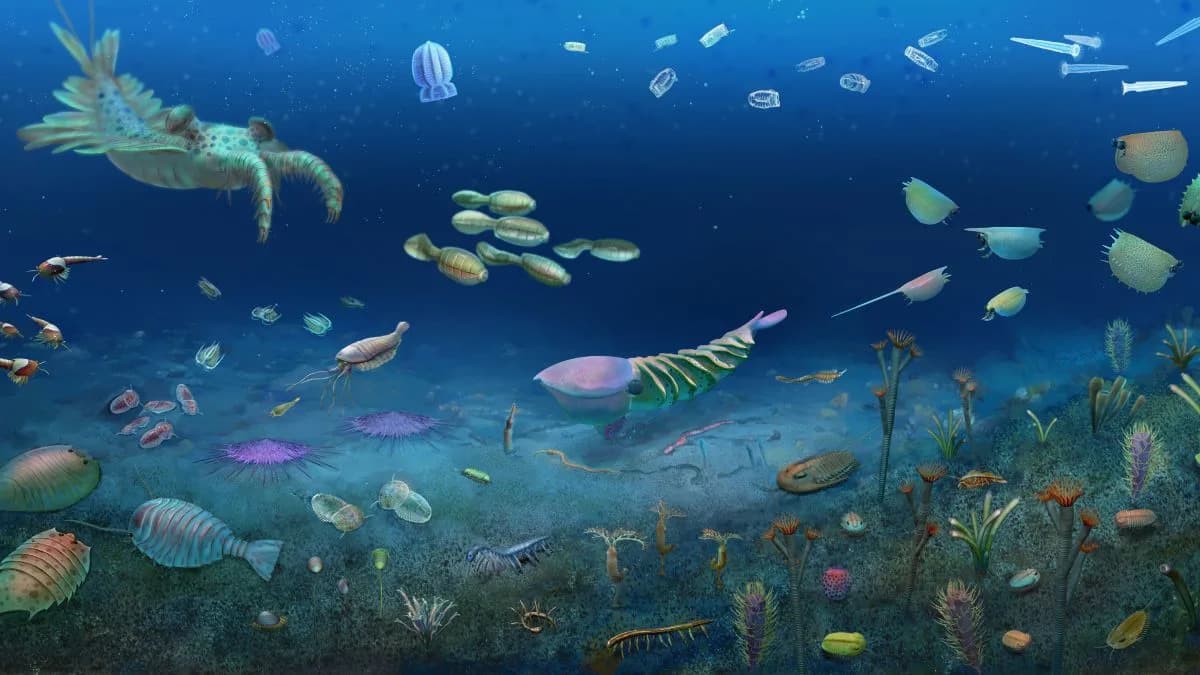
Stunning Fossil Site Reveals Life Rebounding After Major Extinction Event
Just over half a billion years ago, Earth's early animal world was shaken by the Sinsk extinction, a global die‑off that interrupted the Cambrian explosion. A newly described fossil deposit in Huayuan, Hunan Province, China, now offers an extraordinary, detailed snapshot of life rebounding soon afterward.
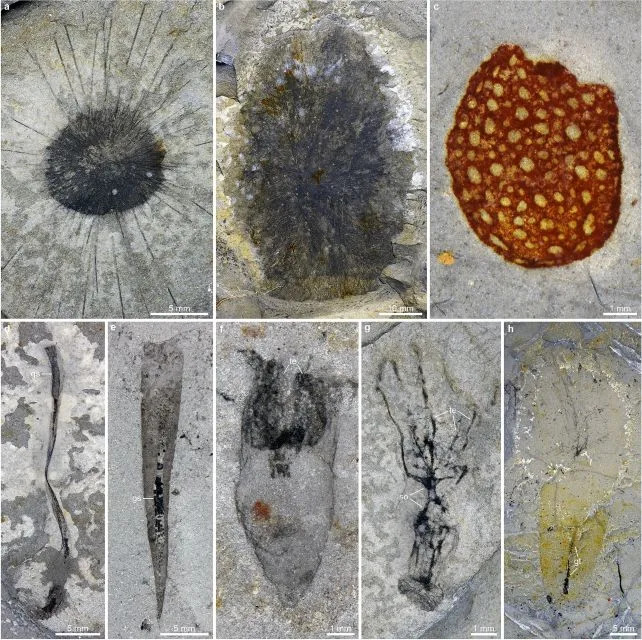
Some of the strange new fossils of the Huayuan biota, including Cnidarians and one spectacular sponge in the top right. (Zeng et al.,Nature2026)
A Rare, Exceptionally Preserved Fauna
Designated the Huayuan biota, the deposit contains 8,681 fossil specimens representing 153 animal species across 16 major groups. About 60% of these species are new to science. The fossils date to roughly 512–513 million years ago, placing them immediately after the Sinsk extinction event (~513.5 Ma).
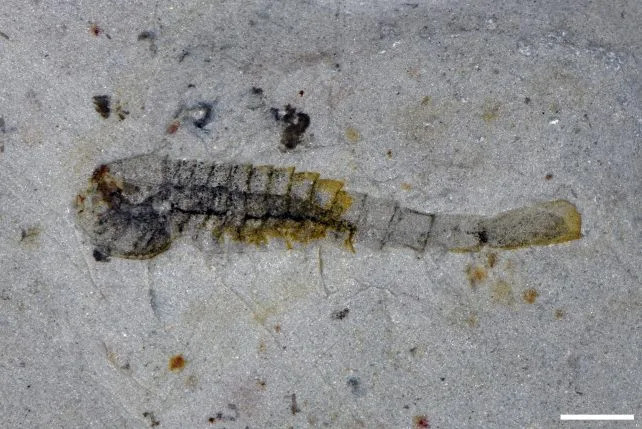
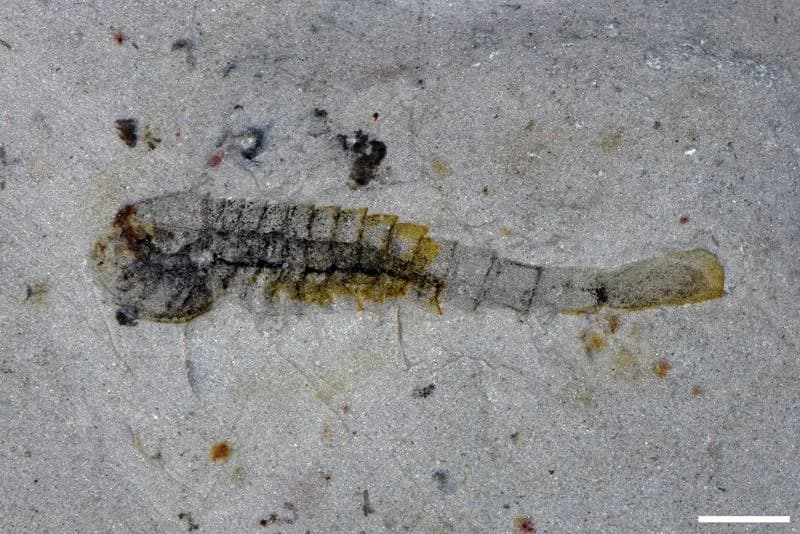
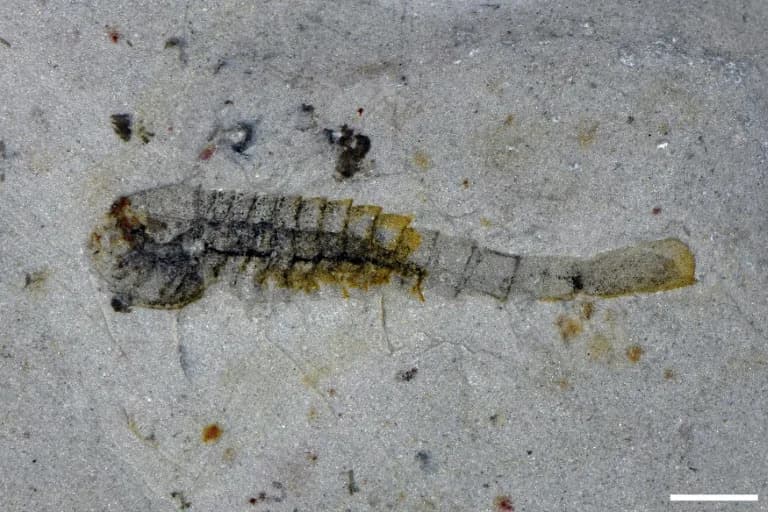
A new arthropod species, complete with its digestive tract. (Han Zeng)
What Makes Huayuan Special
Huayuan is classified as a Burgess Shale–type (BST) Lagerstätte—one of the rarest kinds of fossil deposits—where soft bodies and delicate internal tissues are routinely preserved. Many specimens retain soft organs and internal anatomy, including nervous systems, gut diverticula, optic neuropils and, in some cases, cellular‑level detail. These exceptional preservation qualities make Huayuan comparable in richness and fidelity to the famous Burgess Shale.
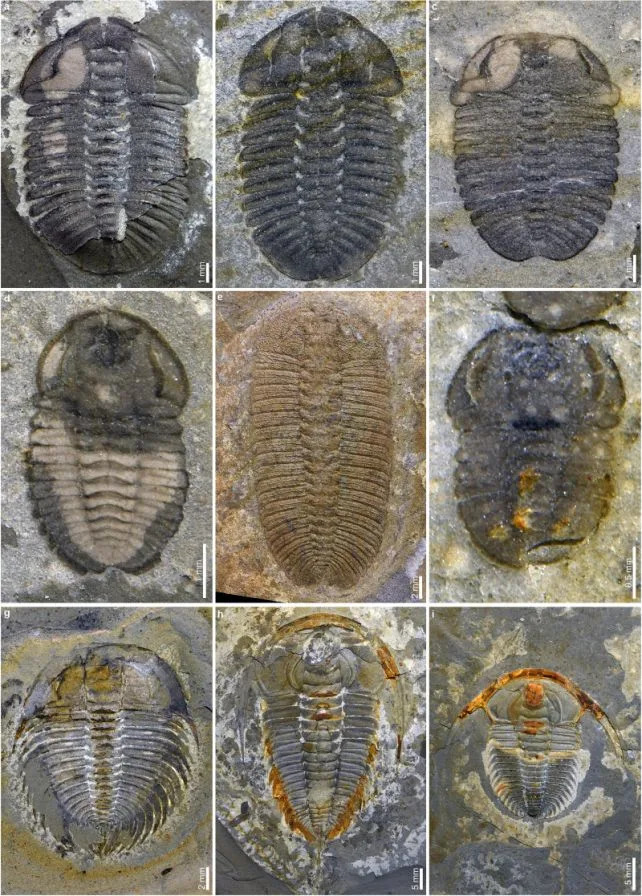
A selection of some of the trilobites of the Huayuan biota. (Zeng et al.,Nature2026)
Insights Into Post‑Extinction Recovery
The assemblage includes trilobites and apex predators known as radiodonts, plus sponges, comb jellies (ctenophores), sea anemones and other invertebrates. Importantly, many organisms appear preserved in life positions rather than as transported remains, enabling behavioral inferences. For example, several vetulicolians occur in grouped orientations consistent with shoaling or social aggregation.
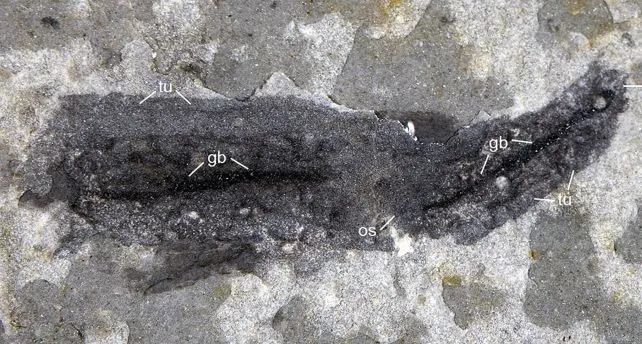
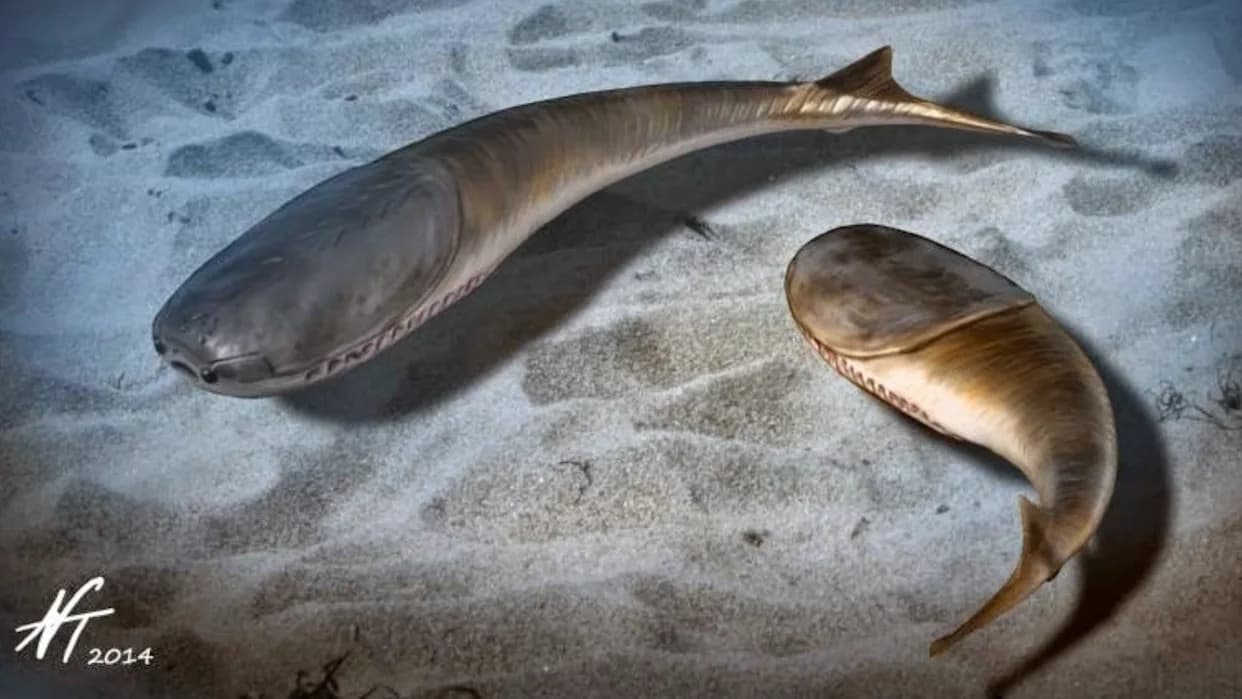
Believe it or not, this black smear is the world's oldest pelagic tunicate. (Zeng et al.,Nature2026)
Surprising Finds And Ecological Implications
Among the notable discoveries is the oldest known pelagic tunicate—a free‑swimming filter feeder whose modern relatives play a major role in the ocean carbon cycle. Its presence suggests that elements of modern‑style marine ecosystems were already reassembling soon after the Sinsk event. The Huayuan biota also shares taxa with other BST sites: iconic genera once thought restricted to the Burgess Shale, such as Helmetia and Surusicaris, appear in Huayuan despite vast geographic and temporal separation.

Audition now for ScienceAlert's Casting Call
“The extraordinary biodiversity of the Huayuan biota provides a unique window into the Sinsk event by revealing the post‑extinction recovery or radiation in the outer shelf environment,” the authors write, noting that deep‑water habitats may have served as refuges that helped restructure global marine diversification.
Why This Matters
Published in Nature and led by paleontologist Maoyan Zhu (Chinese Academy of Sciences), the Huayuan discovery fills a critical gap in our understanding of how life recovered after one of the early Cambrian's major extinctions. With thousands of well‑preserved specimens and many new species to describe, the site will keep paleontologists busy for years and reshape models of early animal ecosystem recovery.
Help us improve.