New analyses in Science Advances suggest the 400‑million‑year‑old columnar fossils called Prototaxites do not match the anatomy or chemistry of known plants, algae, or fungi. The fossils contain irregular, tube‑like internal structures and show no detectable chitin, a hallmark of fungi. If these results hold, Prototaxites may represent a previously unknown lineage—or an extinct, highly unusual fungal group—prompting calls to find more specimens with matching chemical fingerprints. The findings challenge assumptions about early complex life on land.
Ancient 26‑ft Giants Might Belong To an Unknown Kingdom of Life, New Study Suggests
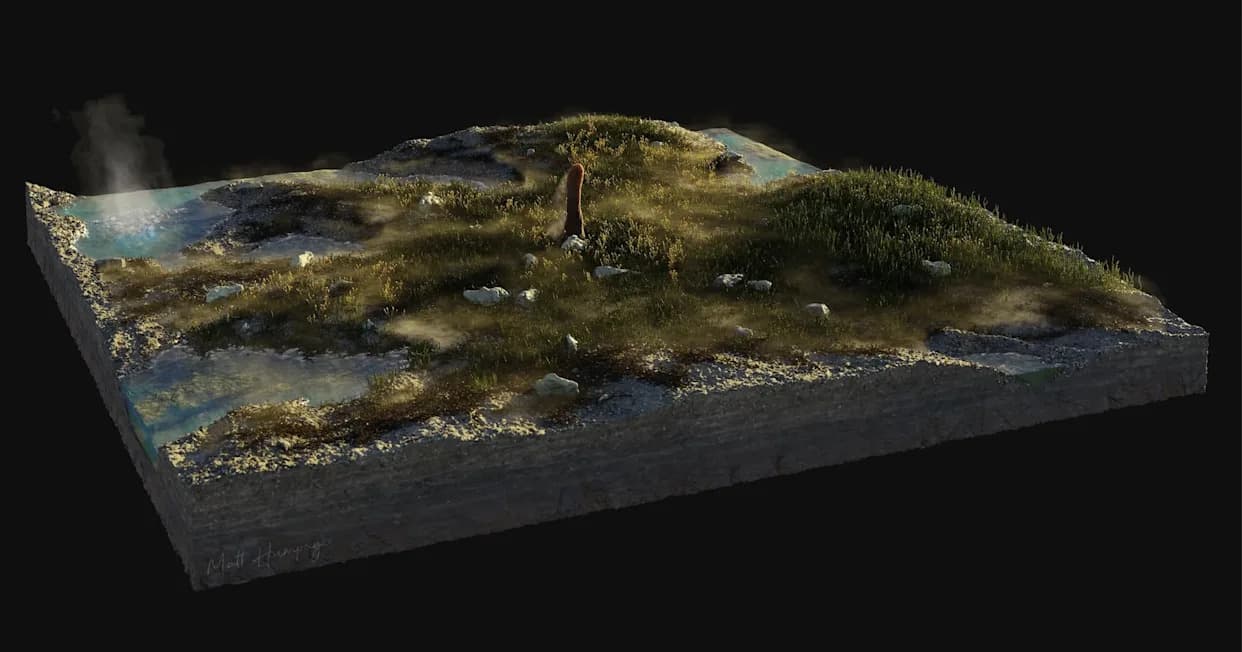
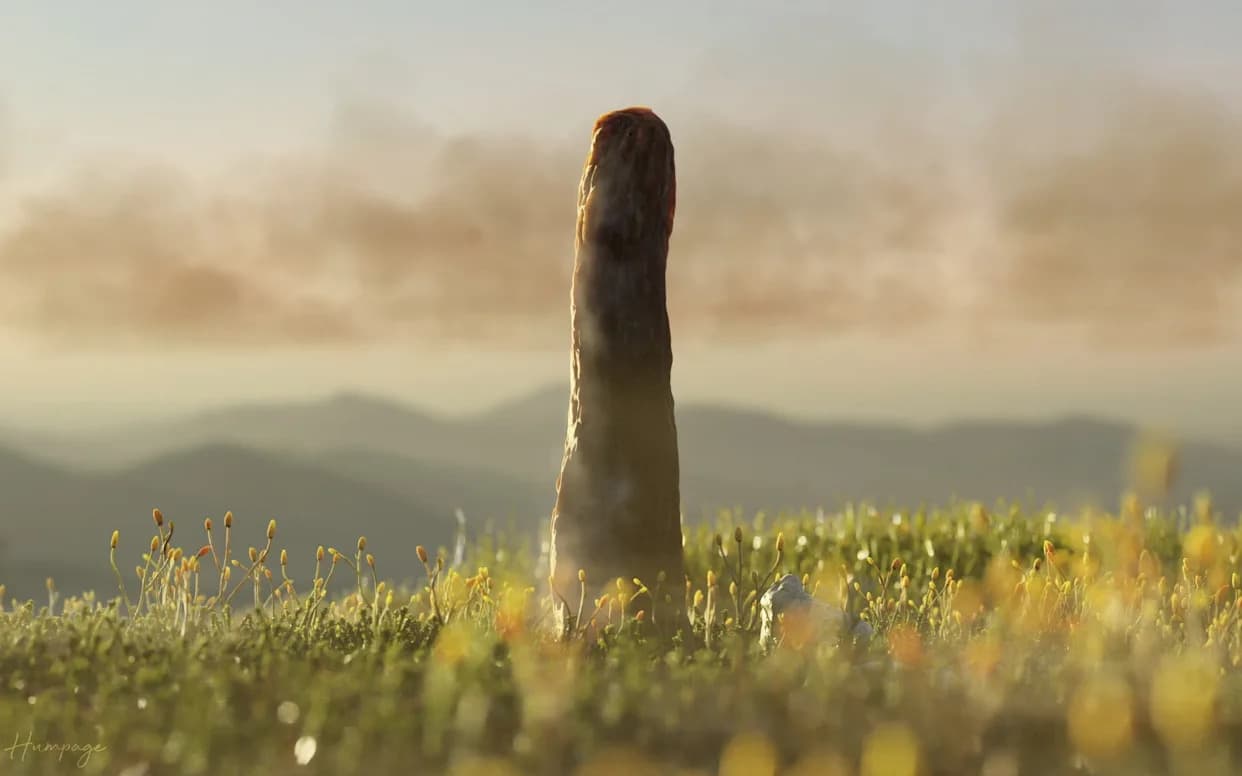
Matt Humpage, Northern Rogue Studios via Loron / Cooper et al.
Scientists are re-examining enigmatic, spire-shaped fossils called Prototaxites and now propose these organisms—some reaching roughly 26 feet (about 8 m) tall and living more than 400 million years ago—may not fit into any known kingdom of life.
New Study Challenges Longstanding Ideas
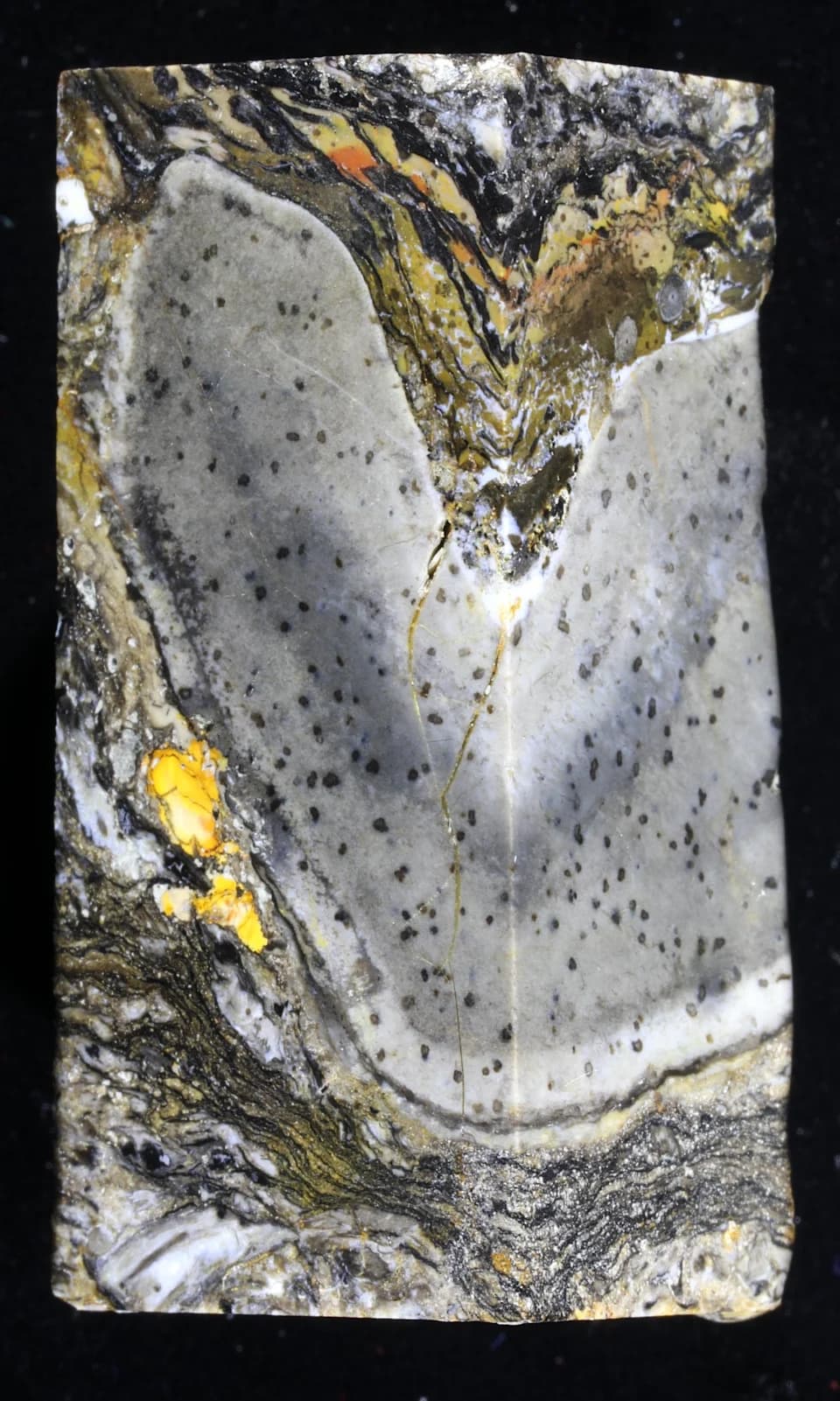
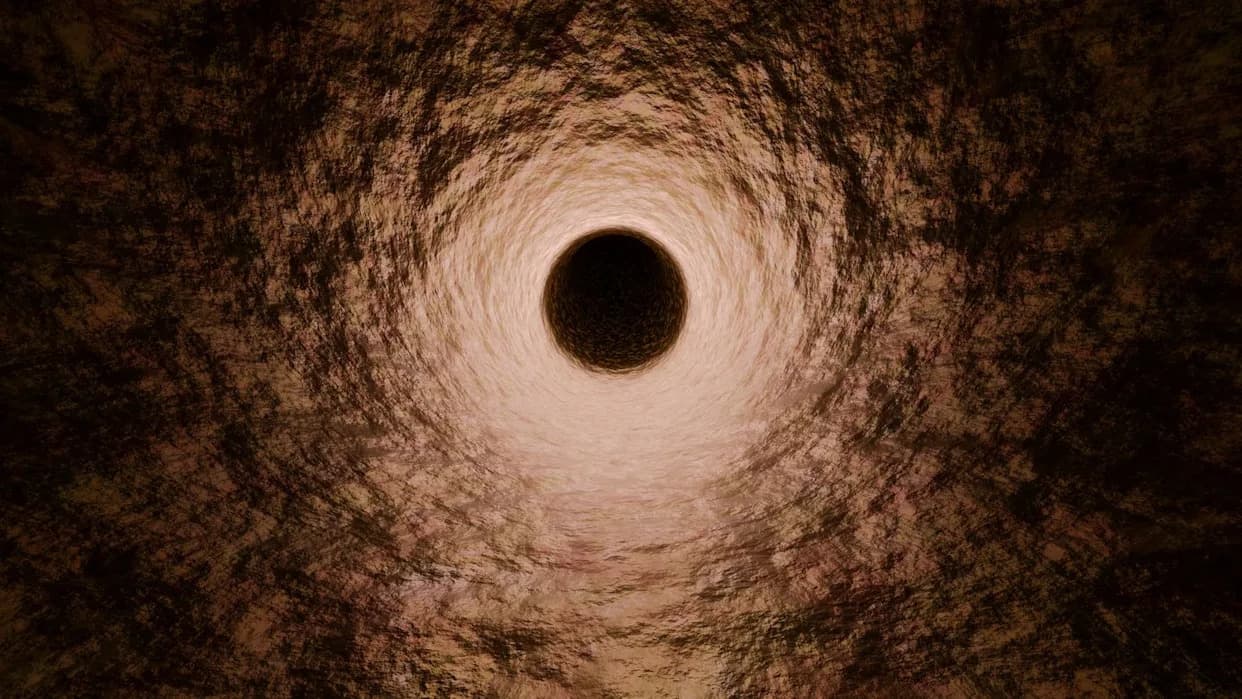
A paper published in Science Advances reports detailed analyses of the internal anatomy and chemistry of Prototaxites fossils. The authors conclude that the preserved, tube-like structures are highly irregular and variable, unlike the ordered hyphal networks found in living fungi. In addition, sensitive chemical tests failed to detect chitin, the polymer that forms the cell walls of all known fungi.
“It feels like it doesn’t fit comfortably anywhere,” Matthew Nelsen, a senior research scientist at the Field Museum of Natural History (not involved in the study), told Scientific American. “People have tried to shoehorn it into these different groups, but there are always things that don’t make sense.”
A Brief History Of The Mystery
The name Prototaxites—literally “early yew”—reflects the organism’s tree-like appearance when its fossils were first described in 1855. Over time, its classification swung from tree to algae to a proposed giant fungus, in part because some isotopic measurements resembled fungal signatures. The new study re-examines those interpretations and finds important anatomical and chemical discrepancies with modern fungal groups.
Co-lead author Laura Cooper of the University of Edinburgh cautions that many basics of Prototaxites biology remain unknown. “How it actually works energetically is still a complete mystery,” she said, underscoring that neither taxonomy nor metabolism is yet settled.
What This Could Mean
If Prototaxites represents a lineage outside current kingdoms, it would imply a remarkable, now-extinct path to large, complex multicellularity. Some researchers instead favor an extinct fungal lineage that evolved distinct traits, which would also be notable. Either way, the fossil raises questions about how complex life diversified on early land.
Researchers including Vivi Vajda of the Swedish Museum of Natural History recommend searching for additional fossils with similar chemical fingerprints to help place Prototaxites on the tree of life. More specimens and advanced chemical and anatomical studies will be essential to resolving whether these giants represent a new branch of life or an unusual member of a known group.
Why It Matters: These fossils predate the first true trees and, if correctly interpreted, reveal that extraordinary and poorly understood forms of life once dominated early terrestrial ecosystems.
Help us improve.