U.S. District Judge Roy Dalton sharply criticized the Justice Department’s legal handling of an immigration detention case, ordering the release of Javier Gimenez Rivero, a high‑school student from Venezuela. Dalton called the government’s jurisdictional argument "beggars belief" and described its position as "incoherent" and "simply insupportable on all fronts." He ordered U.S. Attorney Gregory Kehoe and AUSA Joy Warner to show cause by Feb. 9 why they should not be sanctioned. Dalton stressed that freeing the student remedies his detention but does not erase broader problems in the government’s courtroom conduct.
Florida Judge Rebukes DOJ As 'Incoherent,' Orders Release Of Immigrant Teen And Threatens Sanctions
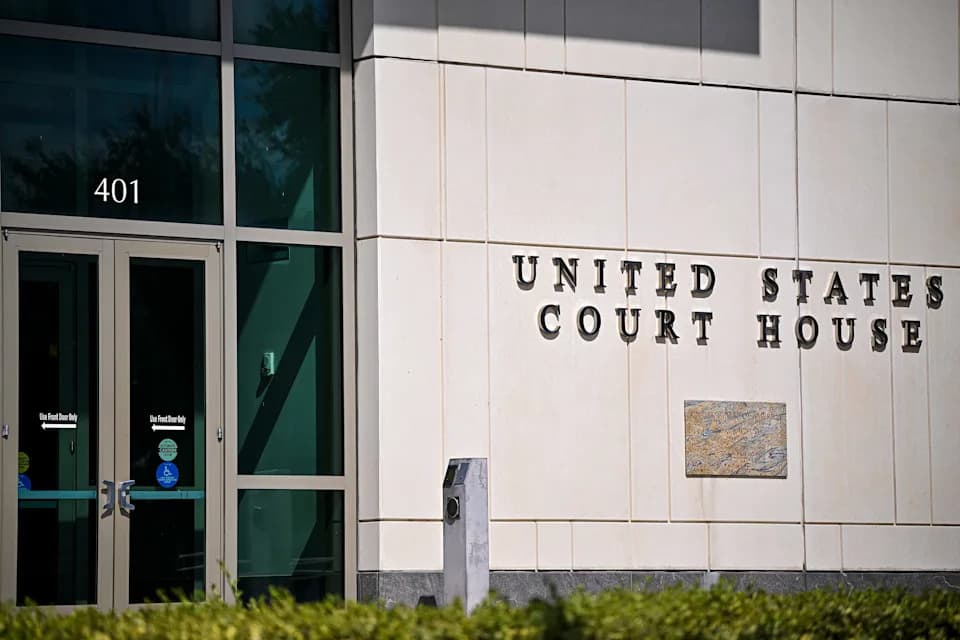
U.S. District Judge Roy Dalton delivered a sharply worded rebuke of the Justice Department’s handling of an immigration detention case, ordering the release of high‑school student Javier Gimenez Rivero and directing government lawyers to explain why they should not be sanctioned.
Dalton, an Obama appointee, issued a written order memorializing remarks he made at a recent hearing after granting Gimenez Rivero’s petition. The student, who fled Venezuela with his family, had been living in Florida for more than four years.
The judge rejected the government’s jurisdictional argument as one that "beggars belief and appears to deliberately mislead the Court about the law and the record." On the merits, Dalton characterized the Justice Department’s position as "similarly ill‑informed," "incoherent," and "simply insupportable on all fronts."
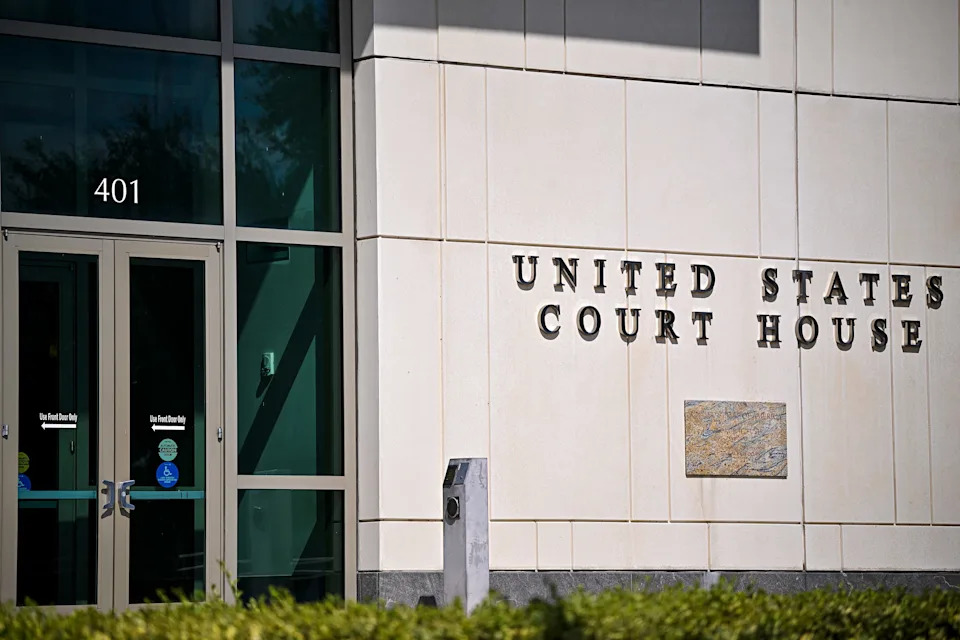
ORLANDO, FLORIDA - OCTOBER 23: An exterior view of the US Middle District Court on October 23, 2025 in Orlando, Florida. FBI Director Kash Patel announced an investigation that has led to the arrest of about 30 people, including Miami Heat guard Terry Rozier and Portland Trail Blazers coach Chauncey Billups in relation to an allegedly illegal gambling scheme. (Photo by Miguel J. Rodriguez Carrillo/Getty Images)(Miguel J. Rodriguez Carrillo / Getty Images)
"Members of this Bar have a duty of candor to the Court," Dalton wrote, and criticized the government for failing to cite binding contrary authority or to explain why that authority is wrong. He added: "Don't hide the ball. Don't ignore the overwhelming weight of persuasive authority..."
Dalton emphasized that while releasing Gimenez Rivero "provides him with the remedy he deserves," it does not erase the broader harms caused by the government's conduct in court. He noted that judges appointed by presidents from Ronald Reagan through Donald Trump have rejected the government’s interpretation of the legal issue at stake.
As a result, Dalton ordered U.S. Attorney Gregory Kehoe and Assistant U.S. Attorney Joy Warner to "show cause" in writing by Feb. 9 explaining why they should not be sanctioned for their handling of the case. The judge concluded with a blunt reminder: "In this country, we don't enforce the law by breaking the law."
This decision follows other recent judicial criticisms of federal immigration enforcement, including a Minnesota judge’s demand that an acting U.S. immigration chief explain why he should not be held in contempt. Together, these rulings highlight mounting judicial scrutiny of the Justice Department’s approach to detainee litigation and compliance with court orders.
Help us improve.