U.S. District Judge William Young, a Reagan appointee, said he will issue a limited order to block the Trump administration from retaliating against academics who challenged the detention and attempted deportation of non-citizen activists on college campuses. Young reiterated a prior ruling that the State Department and DHS violated the First Amendment by targeting people for their speech. He accused Secretary of State Marco Rubio and DHS Secretary Kristi Noem of conspiring to target individuals and reallocating career DHS staff to dig up damaging information. The order will apply to plaintiffs such as the AAUP and MESA; Young rejected a nationwide injunction as overbroad but said sanctions are warranted.
Reagan-Appointed Judge Says Rubio and Noem Took Part in an 'Unconstitutional Conspiracy' to Chill Campus Speech
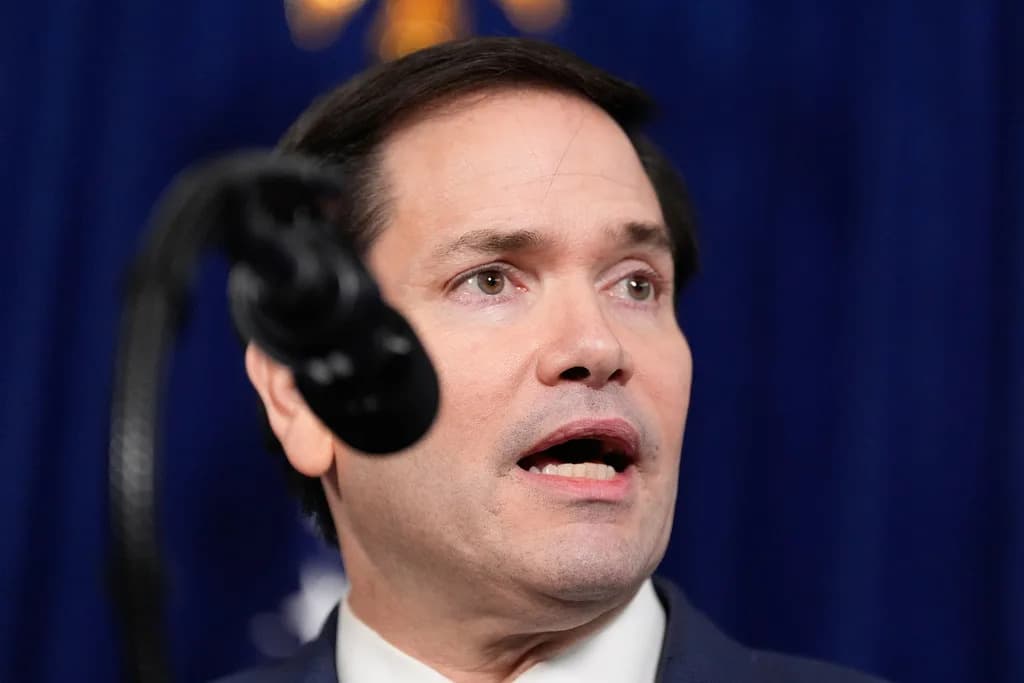
U.S. District Judge William Young, a Reagan appointee, told a Boston federal court he will soon issue an order to prevent the Trump administration from retaliating against academics who challenged its actions related to detaining and attempting to deport non-citizen, pro-Palestinian activists on college campuses.
Young was continuing a line of ruling from a September decision in which he found that the State Department and the Department of Homeland Security (DHS) had violated the First Amendment by targeting non-citizens on campus for their speech. Reporters from Reuters and Politico were present and quoted the judge's remarks.
Accusation of Conspiracy
In blunt terms, Judge Young accused top officials of orchestrating a targeted campaign. As reported by Politico's Kyle Cheney, Young said:
"There was no policy here. What happened here is an unconstitutional conspiracy to pick off certain people, to twist the laws."
He explicitly named Secretary of State Marco Rubio and DHS Secretary Kristi Noem, saying they "intentionally" moved forward despite cautions from career professionals and that their actions had the predictable effect of chilling speech.
Weaponizing Government Resources
Judge Young described how career intelligence and investigative officials were reassigned away from counterterrorism and human-trafficking work to search for damaging information about targeted activists. He characterized that reallocation as an example of how government machinery can be "weaponized" against a disfavored group.
He added sharp criticism of the administration's posture toward executive power, saying he used the term "authoritarian" carefully but believed the record showed a view that when the president speaks, those in the executive branch should "toe the line absolutely."
Scope of the Court Order
Judge Young said any forthcoming order will be tailored: it will apply to the academic associations that brought the lawsuit — including the American Association of University Professors (AAUP) and the Middle East Studies Association (MESA) — rather than a nationwide injunction. He rejected the plaintiffs' request for a broad, nationwide order as "overbroad," but said some remedial sanction is necessary to address what he concluded was unconstitutional conduct by senior officials.
The remarks come amid continuing litigation over how federal agencies engage with campus speech and activism. The judge’s statements were reported by Reuters and Politico and reflect a forceful judicial view on the balance between national-security functions and First Amendment protections on campus.
Help us improve.