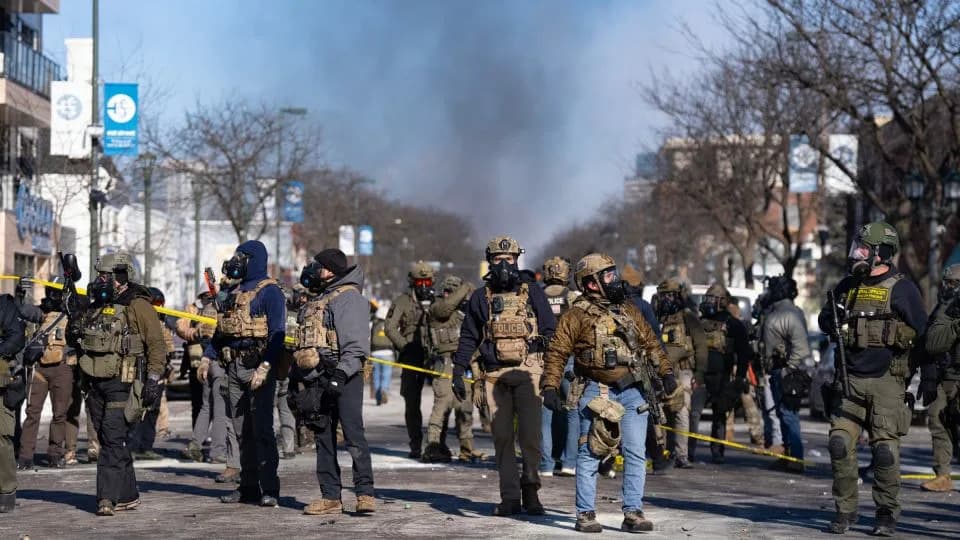
Conservative Chief U.S. District Judge Patrick Schiltz has accused ICE of repeatedly ignoring court orders in Minnesota tied to arrests during "Operation Metro Surge," citing nearly 100 unheeded orders across 74 cases. Schiltz briefly ordered acting ICE director Todd Lyons to explain why he should not be held in contempt; DHS called the judge an "activist judge," and the hearing was later canceled after an immigrant's release. The judge — a George W. Bush appointee who clerked for Justice Antonin Scalia — emphasized that courts must be respected to preserve the rule of law and noted he supports legal aid for the poor.
Conservative Federal Judge Rebukes ICE After Nearly 100 Court Orders Ignored in Minnesota

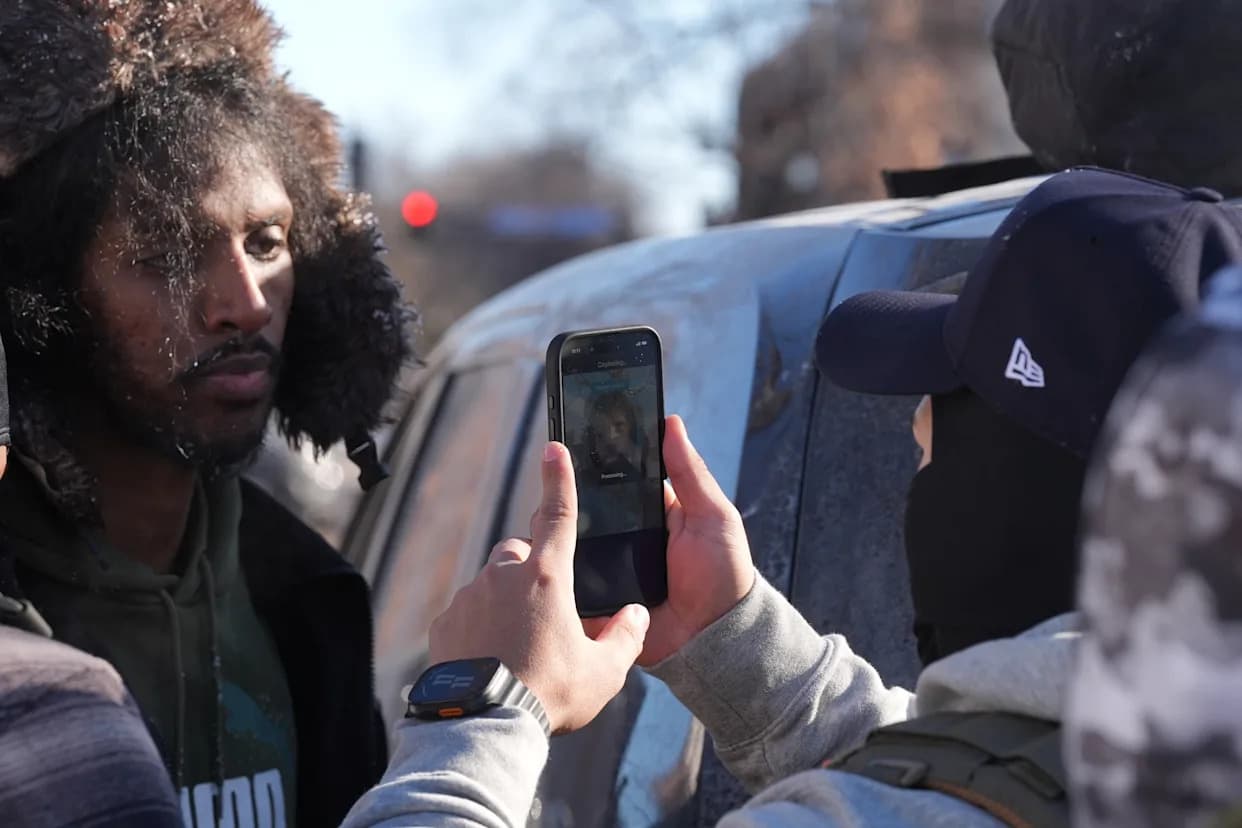
A federal agent approaches a vehicle on Thursday, Jan. 29, 2026, in Minneapolis. (AP Photo/Adam Gray)(ASSOCIATED PRESS)
Chief U.S. District Judge Patrick Schiltz — a conservative jurist appointed by President George W. Bush — has sharply criticized U.S. Immigration and Customs Enforcement (ICE) for failing to comply with nearly 100 court orders in Minnesota tied to arrests during "Operation Metro Surge." After surveying colleagues in his district, Schiltz said the agency’s noncompliance across 74 cases is "almost certainly substantially understated."
Judge’s Findings and Ruling
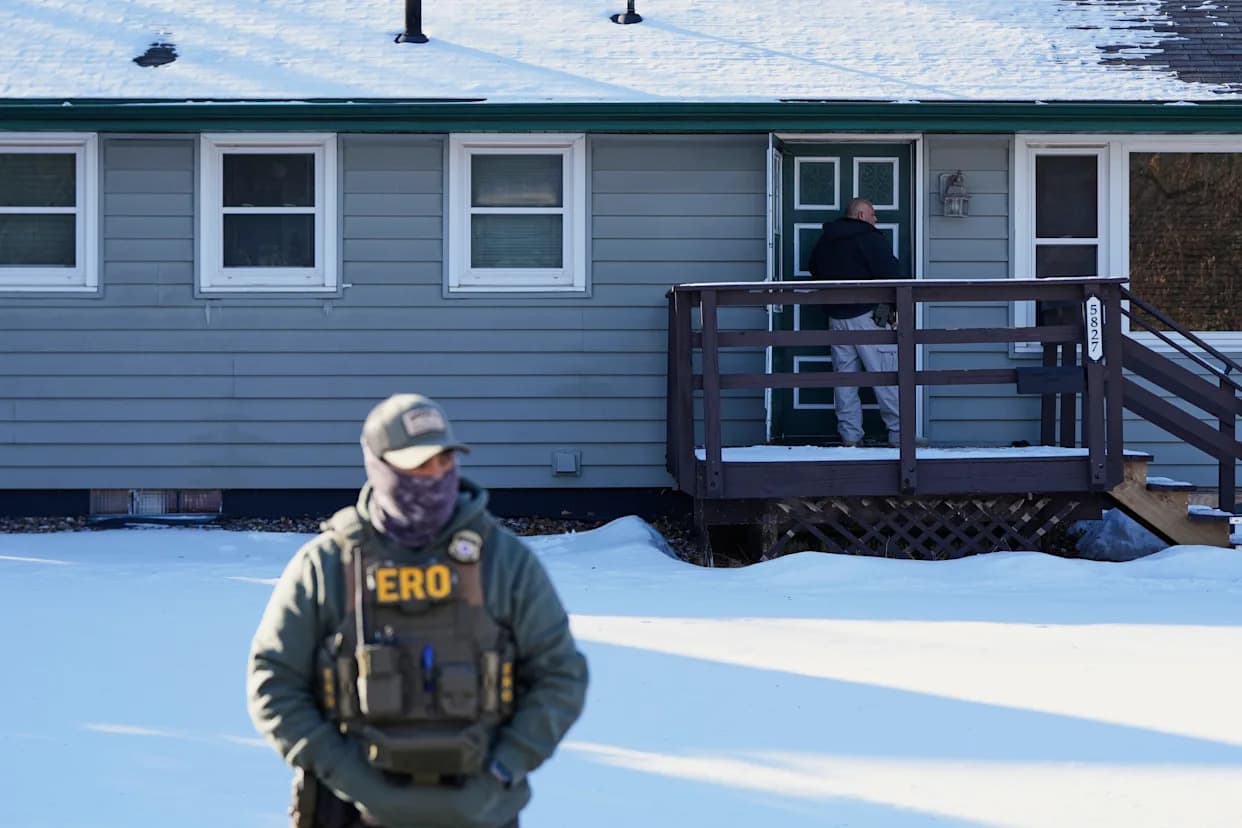
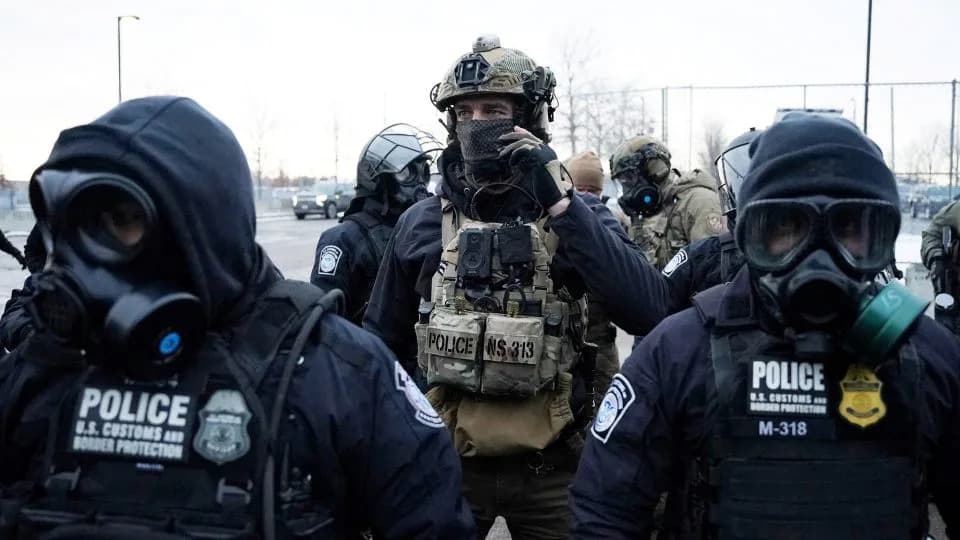
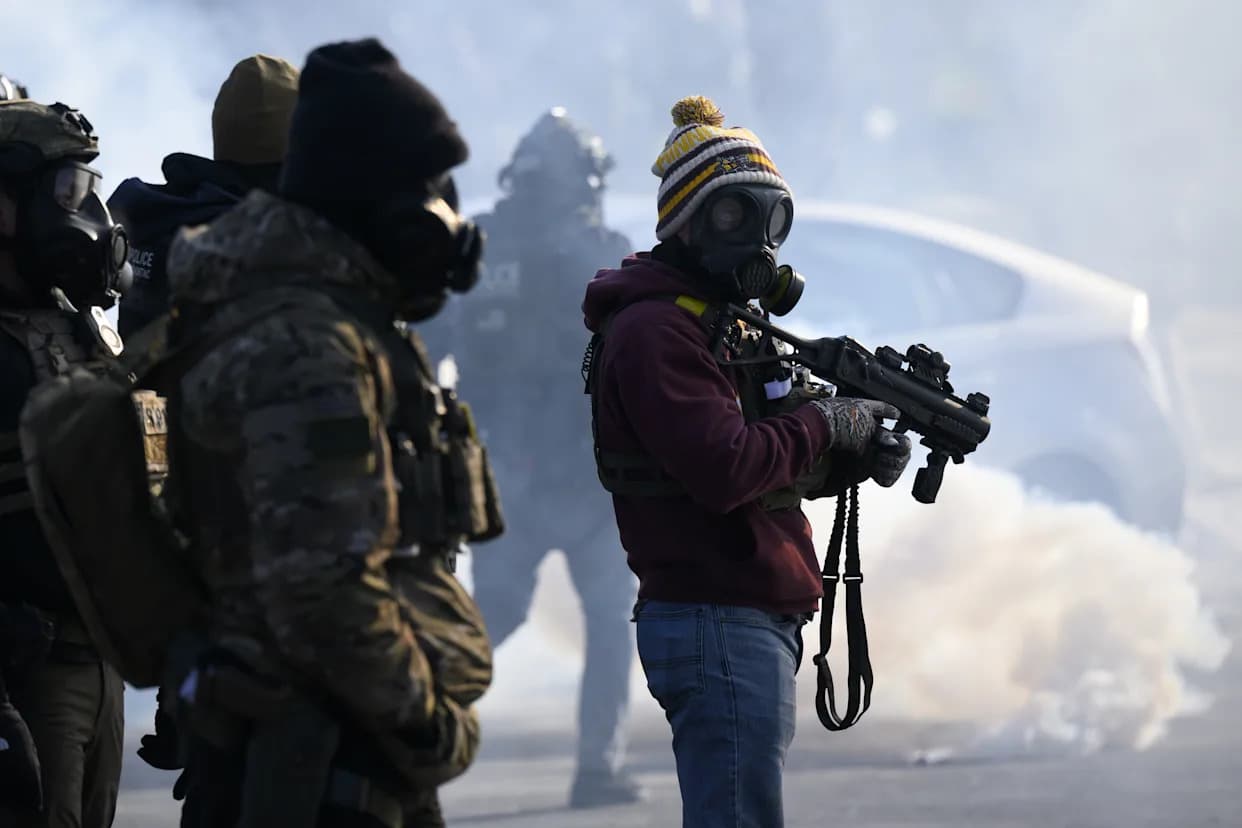
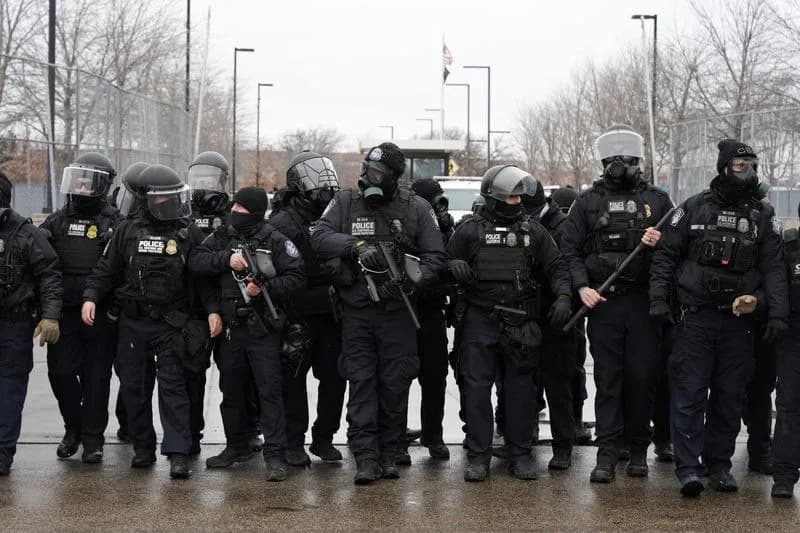
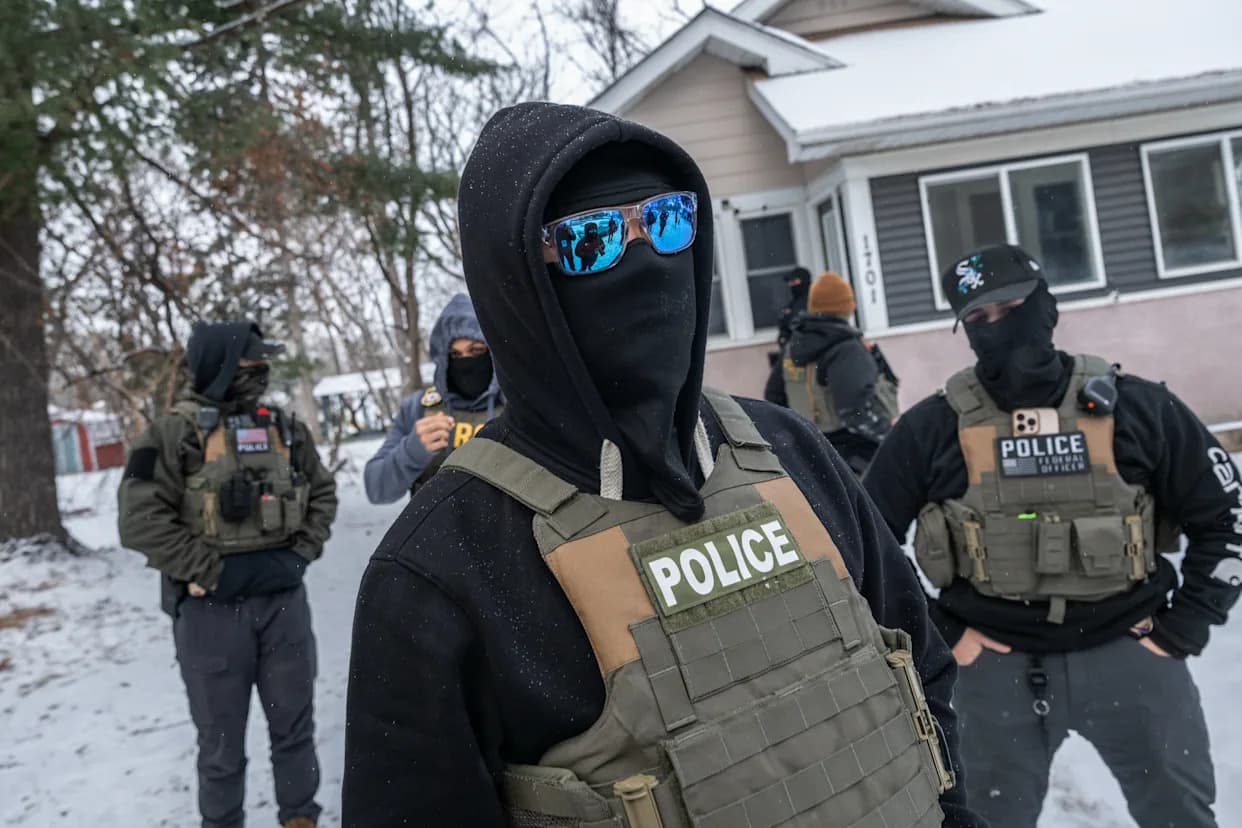
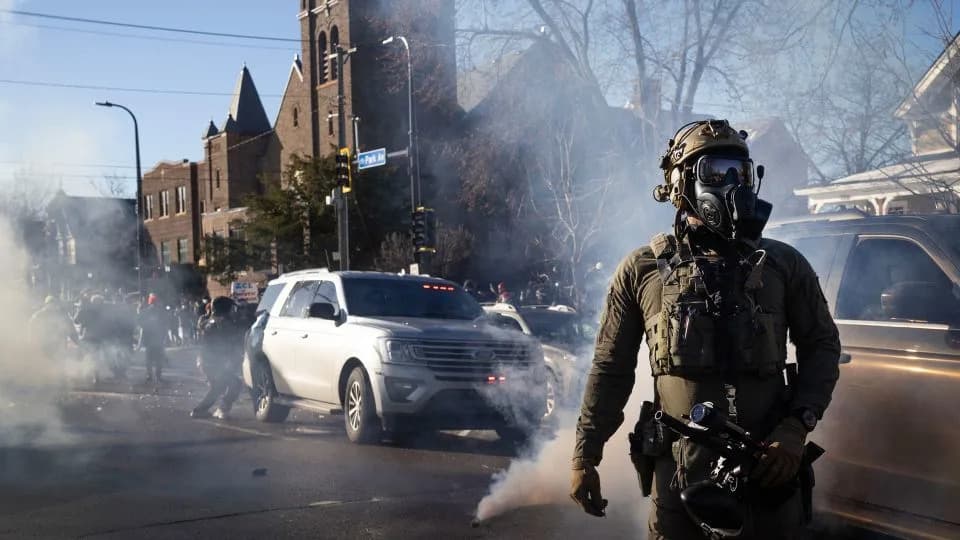
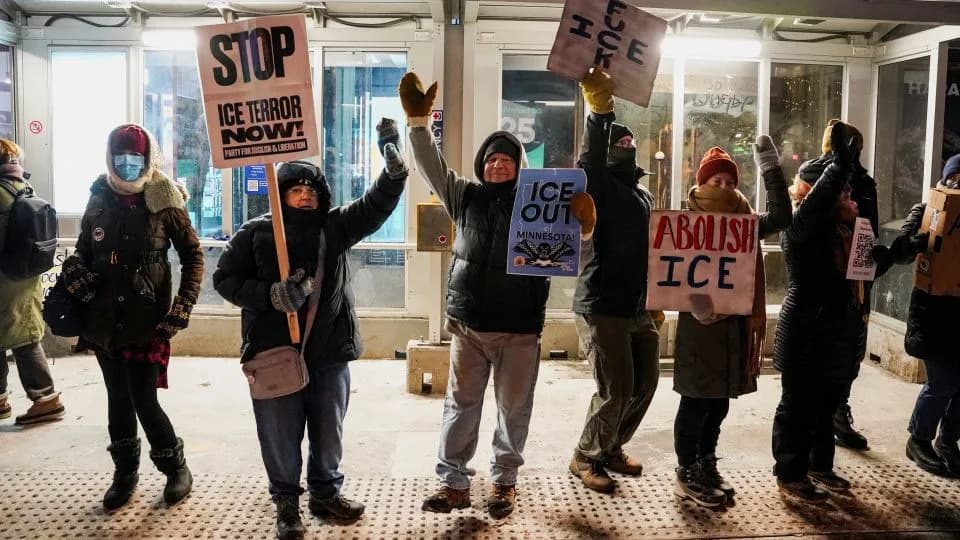
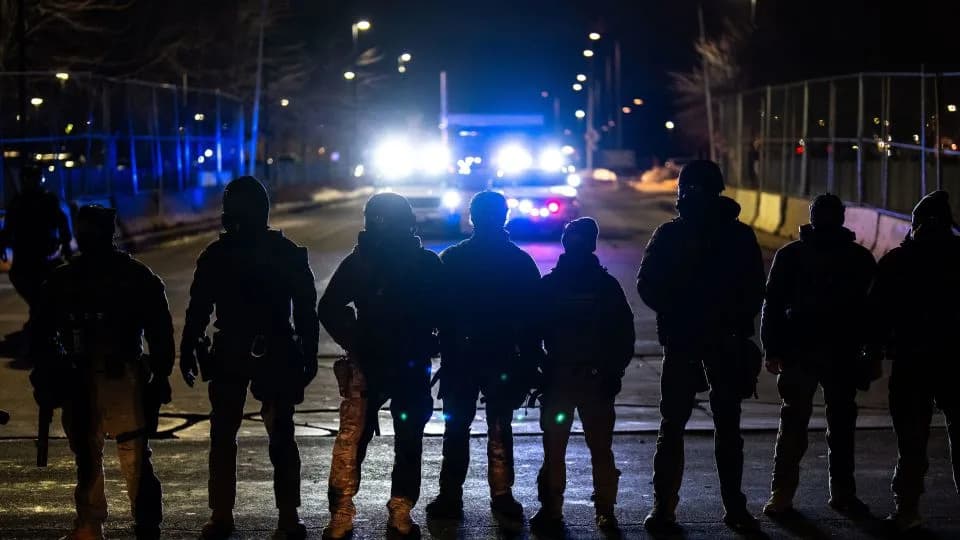
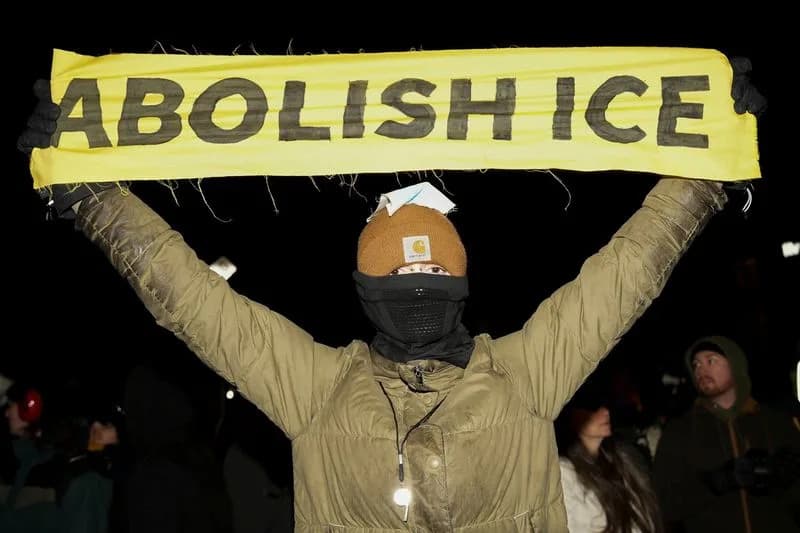
Schiltz emphasized that his concern was the agency’s repeated failure to follow court orders, not the reported on-the-ground tactics of some officers. Still, he acknowledged widely circulated reports that enforcement actions in Minneapolis have included forced entries, the use of tear gas against protesters and, in separate incidents, shootings that killed two U.S. citizens.
"ICE is not a law unto itself," Schiltz wrote. "ICE has every right to challenge the orders of this Court, but, like any litigant, ICE must follow those orders unless and until they are overturned or vacated."
Contempt Hearing and Response
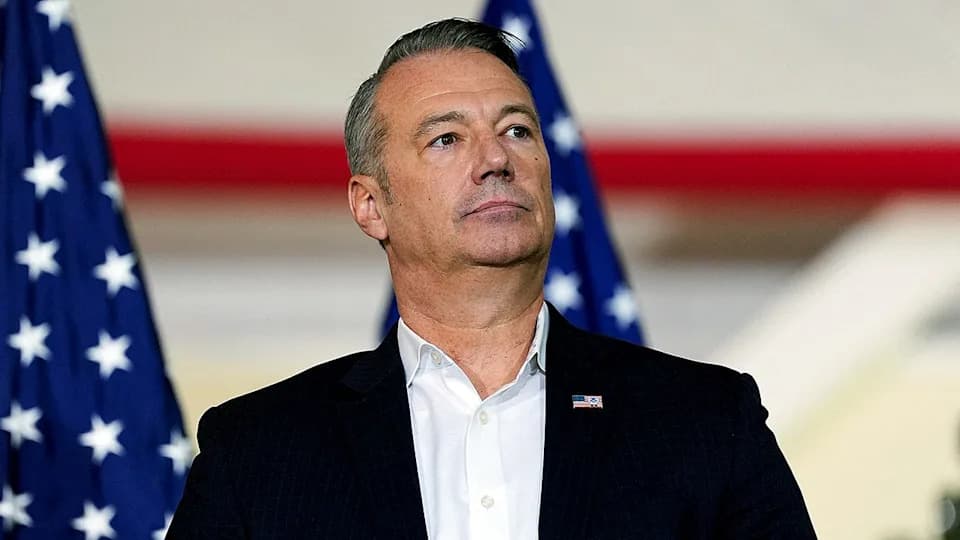
In an "extraordinary" move, Schiltz ordered ICE’s acting director, Todd Lyons, to appear and explain why he should not be held in contempt for the agency’s alleged noncompliance. The Department of Homeland Security responded by calling Schiltz an "activist judge." Schiltz later canceled the scheduled hearing after an immigrant in one of the underlying cases was released.
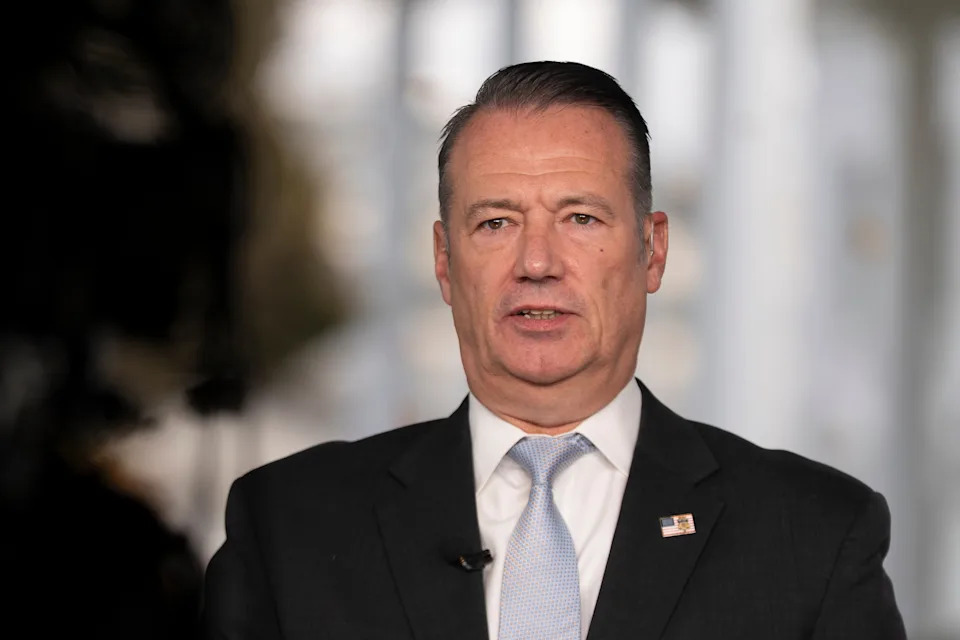
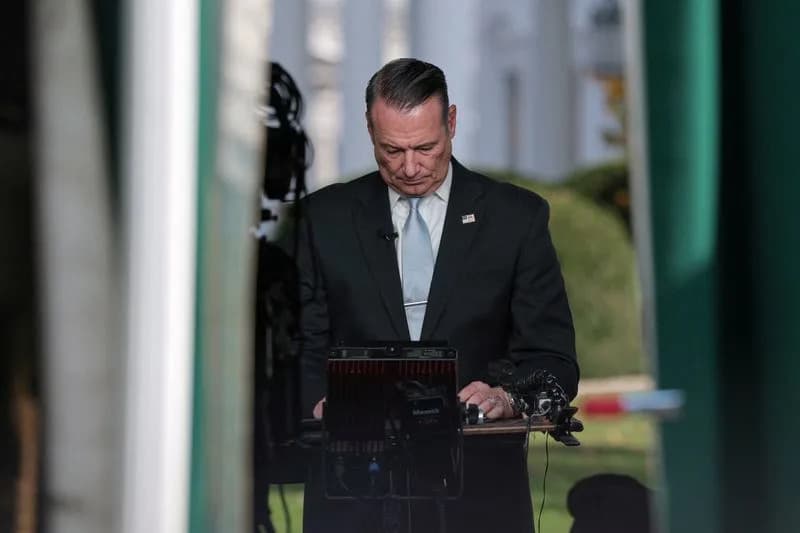
FILE - Todd Lyons, acting director of the U.S. Immigration and Customs. Enforcement (ICE), is interviewed on TV on the White House grounds, Monday, Nov. 3, 2025 in Washington. (AP Photo/Manuel Balce Ceneta, File)(ASSOCIATED PRESS)
Broader Judicial Oversight
The Minnesota ruling is part of a broader pattern of courts scrutinizing immigration enforcement. In Minnesota, U.S. District Judge Kate Menendez issued an order barring officers from using tear gas or pepper spray against peaceful protesters (an appeal has temporarily stayed that restriction). Last November, a federal judge in Chicago imposed similar limits and found that a Border Patrol commander had misrepresented threats to agents; an appeals court later stayed the remedy and that related lawsuit was dropped after tensions eased.
About Judge Schiltz
Schiltz, 65, has served on the federal bench for about two decades after being nominated by President George W. Bush. He previously clerked for U.S. Supreme Court Justice Antonin Scalia and worked as a practicing attorney and law professor. Observers note that Schiltz is not a judge who seeks controversy but does take a strong view of the rule of law.
Schiltz has acknowledged donating to the Immigrant Law Center of Minnesota and Mid-Minnesota Legal Aid, saying he supports access to counsel for low-income people. He told Fox News Digital that his donations reflect a belief that legal help should be available to those who cannot afford it.
Why This Matters
Legal experts say the episode raises core questions about accountability and the balance of powers: courts can issue orders to protect individuals’ rights, but enforcement depends on government agencies following those orders or formally overturning them through the appeals process. Schiltz’s public rebuke signals that judges may take active steps to enforce compliance when noncompliance appears widespread.
Help us improve.