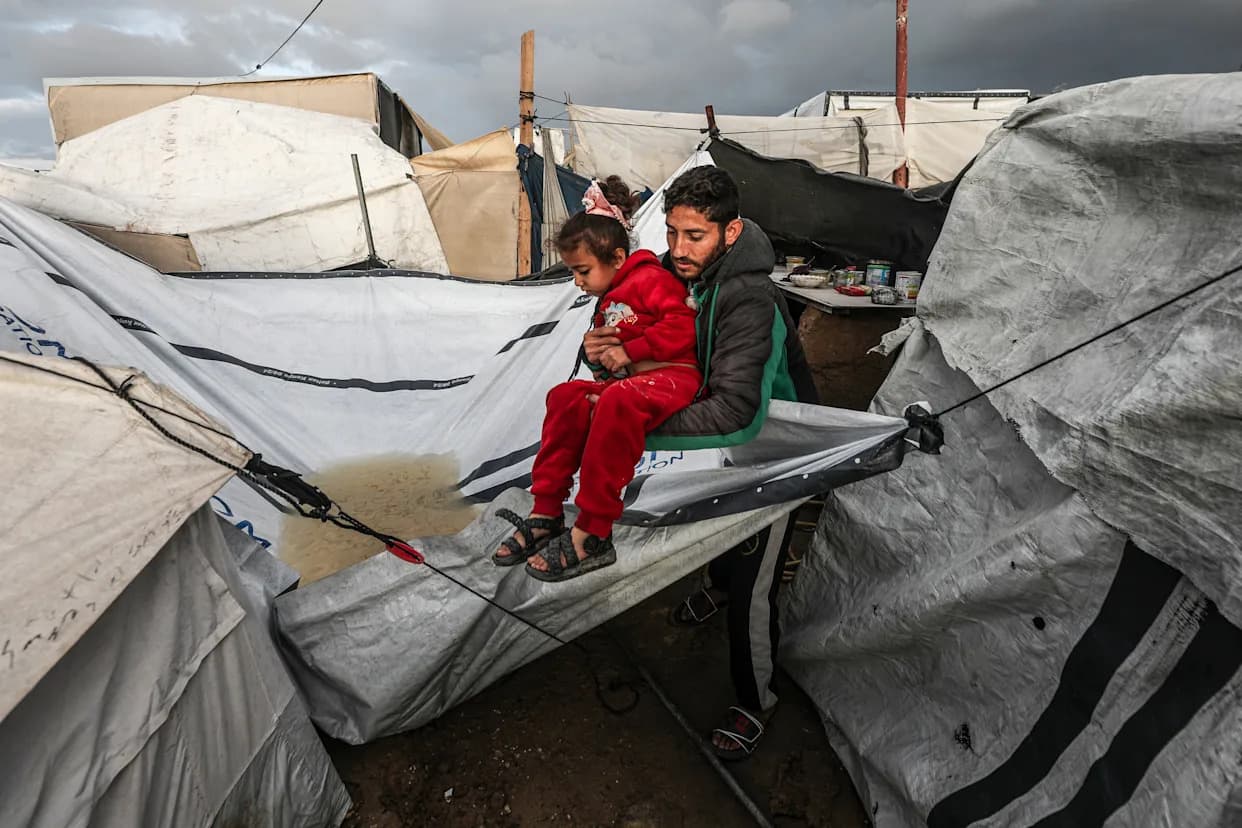
Sen. Marco Rubio told a federal judge the United States cannot realistically recover 137 Venezuelan men deported in March after wartime authorities were invoked to send them to El Salvador. The men were later returned to Venezuela in a July prisoner exchange. Rubio and the Justice Department argued that raising their case in delicate diplomatic talks or holding remote bond hearings would be impractical and could harm U.S. foreign-policy interests. Judge James Boasberg previously found the deportations violated the men's due-process rights; the DOJ plans to seek appellate relief if the judge orders remedies.
Sen. Rubio Says U.S. Cannot Recover 137 Venezuelans Illegally Deported in March
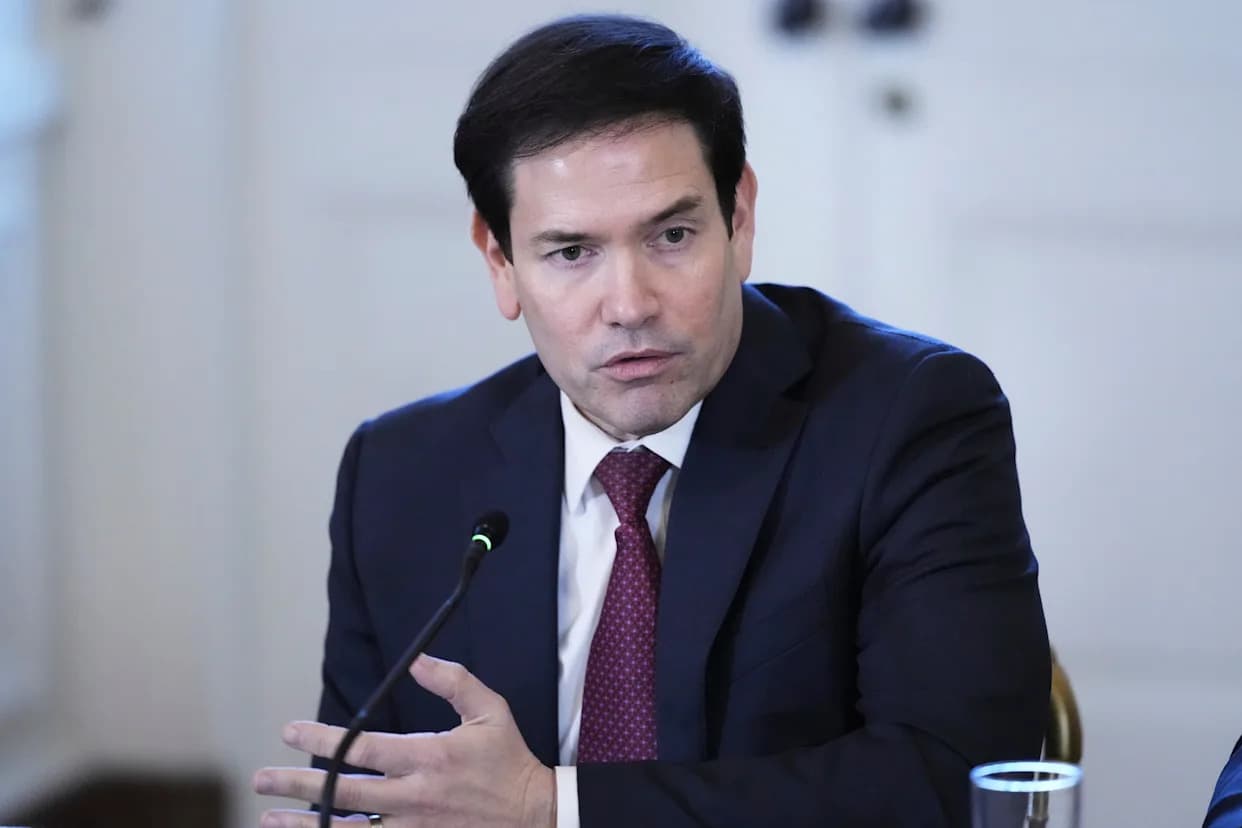
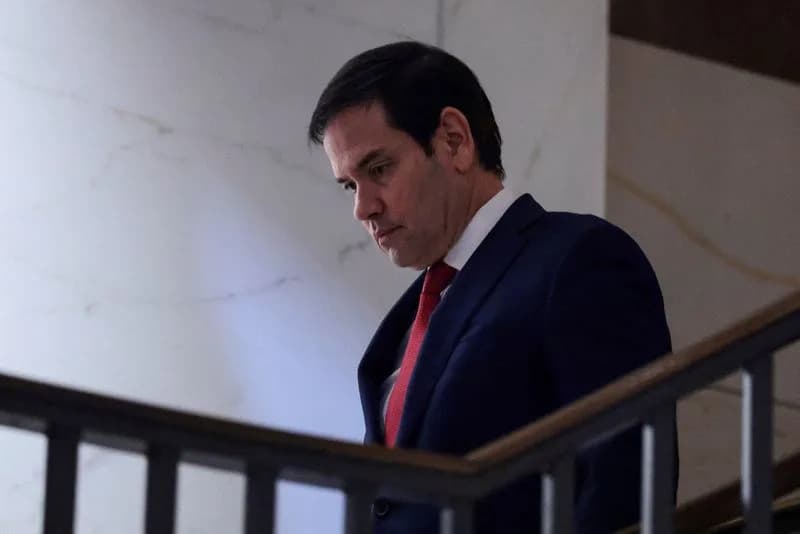
Sen. Marco Rubio told a federal judge on Monday that the United States cannot realistically retrieve 137 Venezuelan men who were deported in March after the administration invoked wartime authorities to send them to El Salvador. A two-page declaration from Rubio was appended to a Department of Justice filing in the case.
The men were later transferred back to Venezuela as part of a prisoner exchange in July. Rubio warned that raising the fate of the 137 men in early talks with Venezuela's new leadership would risk causing significant harm to sensitive U.S. foreign-policy objectives.
'Any effort to inject the fate of the 137 men into nascent negotiations with Venezuela's new leader would risk material damage to U.S. foreign policy interests,' Rubio wrote in the declaration.
Rubio added that the United States remains engaged in efforts to promote changes in Venezuela that are beneficial to both the U.S. and the Venezuelan people, and described those diplomatic efforts as 'ongoing, intensive, and extraordinarily delicate.' He did not detail how negotiations over the deportees might undermine those efforts.
Rubio's statement responded to questions from U.S. District Judge James Boasberg. Last year Boasberg found that the abrupt March deportations violated the men's due-process rights and contravened his own order that they remain in U.S. custody. Although the men have since been returned to Venezuela, the judge ruled they remain entitled to the due process they were denied.
The senator also said arranging remote bond hearings would be impractical, citing both the delicate diplomatic context and an increased risk of 'intentional interference by anti-American elements.' The Justice Department's filing noted additional practical obstacles to remote proceedings, including difficulty verifying witness identities and challenges pursuing perjury allegations without an active extradition treaty with Venezuela.
The administration's position rejects the two remedial options Judge Boasberg proposed to address the due-process violation. The dispute has fueled months of tension between the judge and administration officials; President Trump has publicly criticized Boasberg and even called for his impeachment.
Justice Department lawyers signaled they intend to ask an appeals court to halt any order compelling the administration to provide relief to the deported men. The administration has asserted that some of the men were gang members, but the men were reportedly given little or no opportunity to contest those allegations before being removed and transferred to a high-security prison in El Salvador.
Help us improve.