A rapidly intensifying low may develop off the Carolina coast late this week and impact the East Coast from Georgia to Maine between Jan. 30 and Feb. 2. Meteorologists warn the system could undergo bombogenesis and become a “bomb cyclone,” bringing heavy, wind-driven snow, strong onshore winds and coastal flooding. Major uncertainties remain about storm track and the coastal rain–snow boundary, though very cold air will favor snow where precipitation occurs.
Could a 'Bomb Cyclone' Strike the East Coast This Week? What Forecasters Know — And Don't
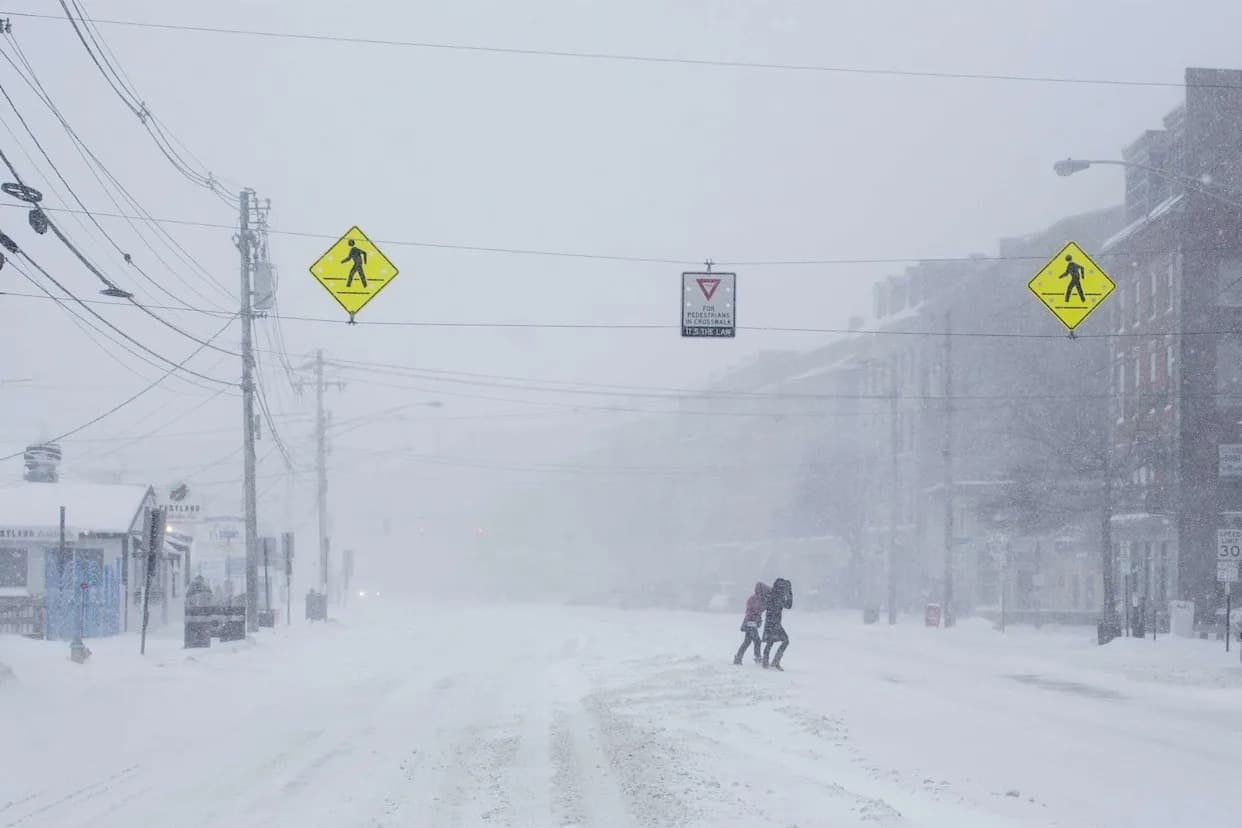
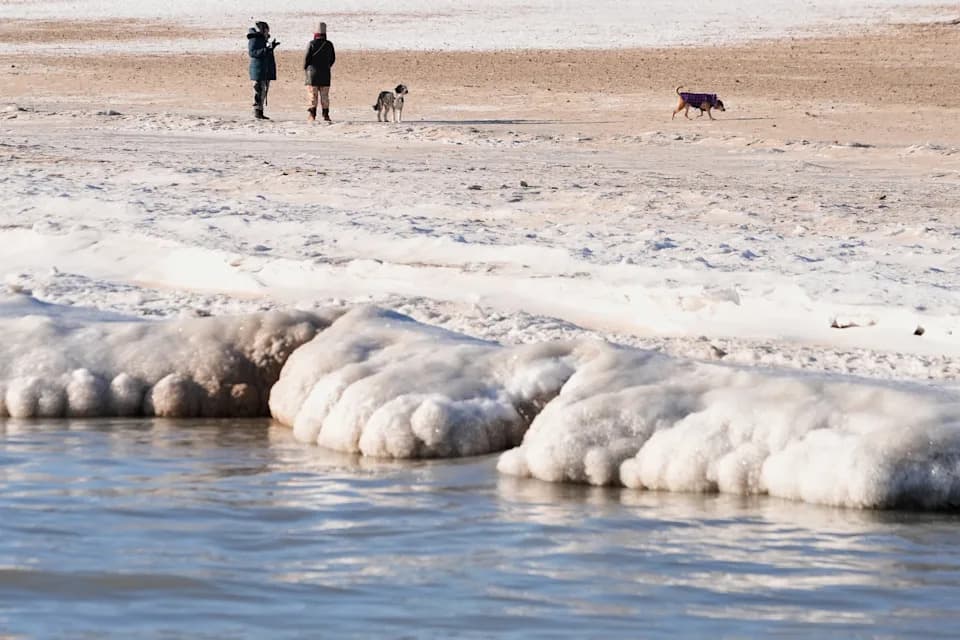
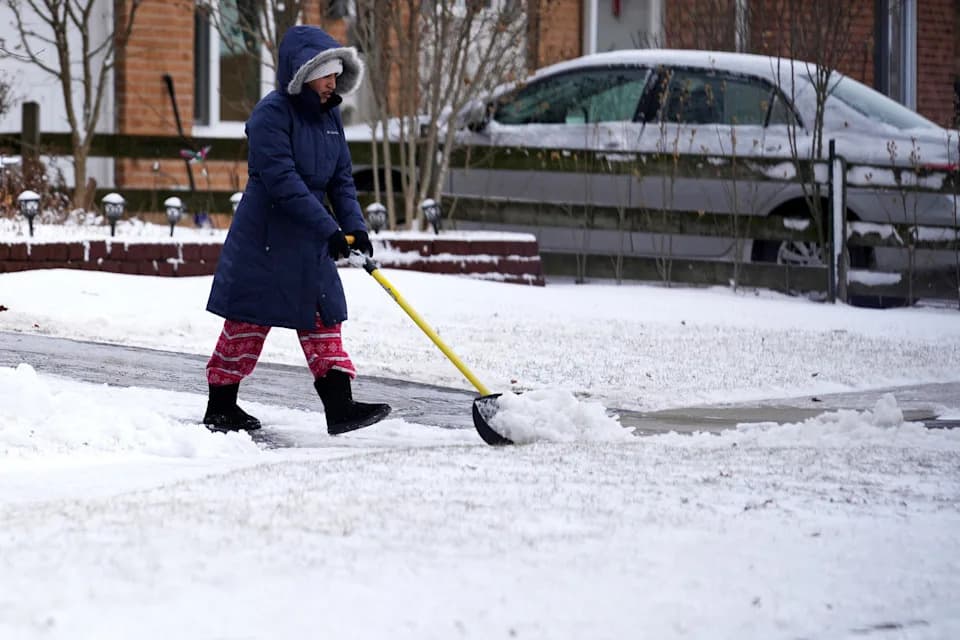
Two people cross a nearly empty Commercial Street at 1:19 p.m. during Winter Storm Grayson in January 2018.Brianna Soukup/Portland Portland Press Herald via Getty
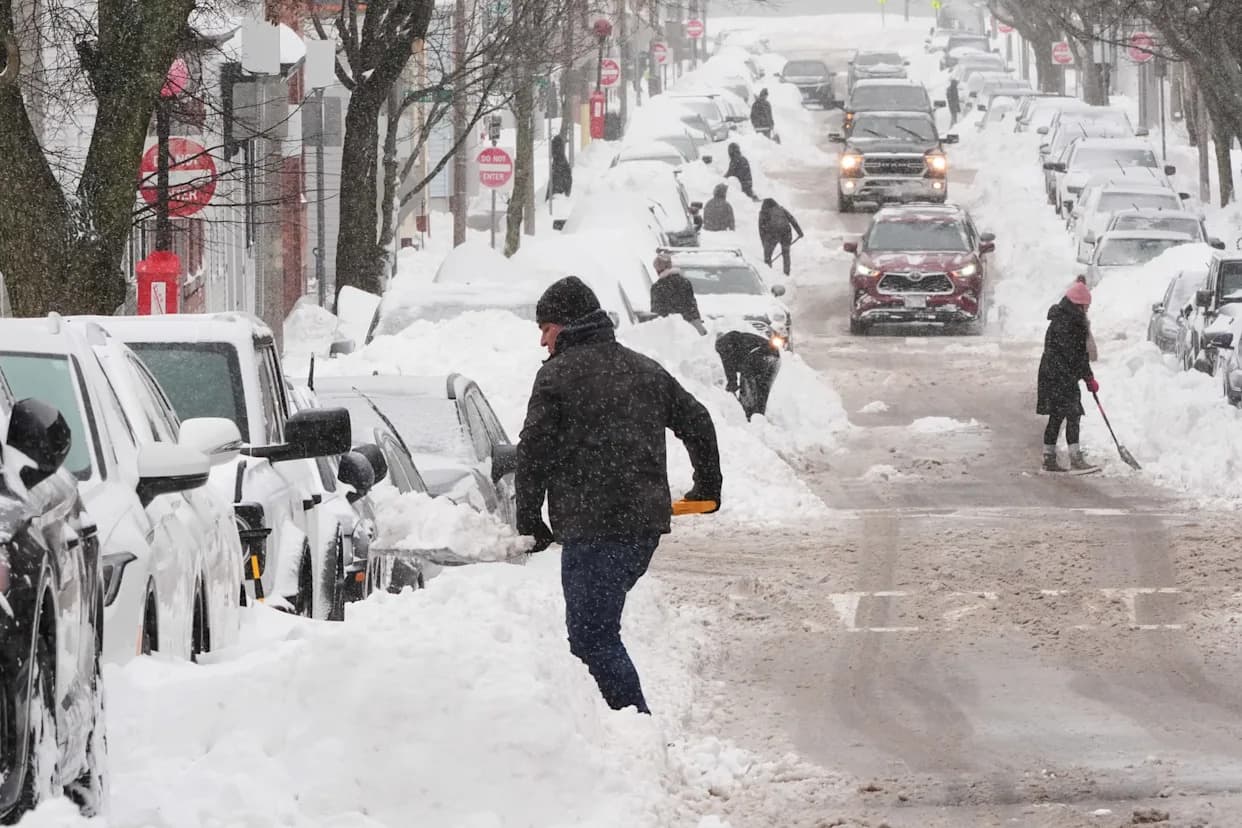
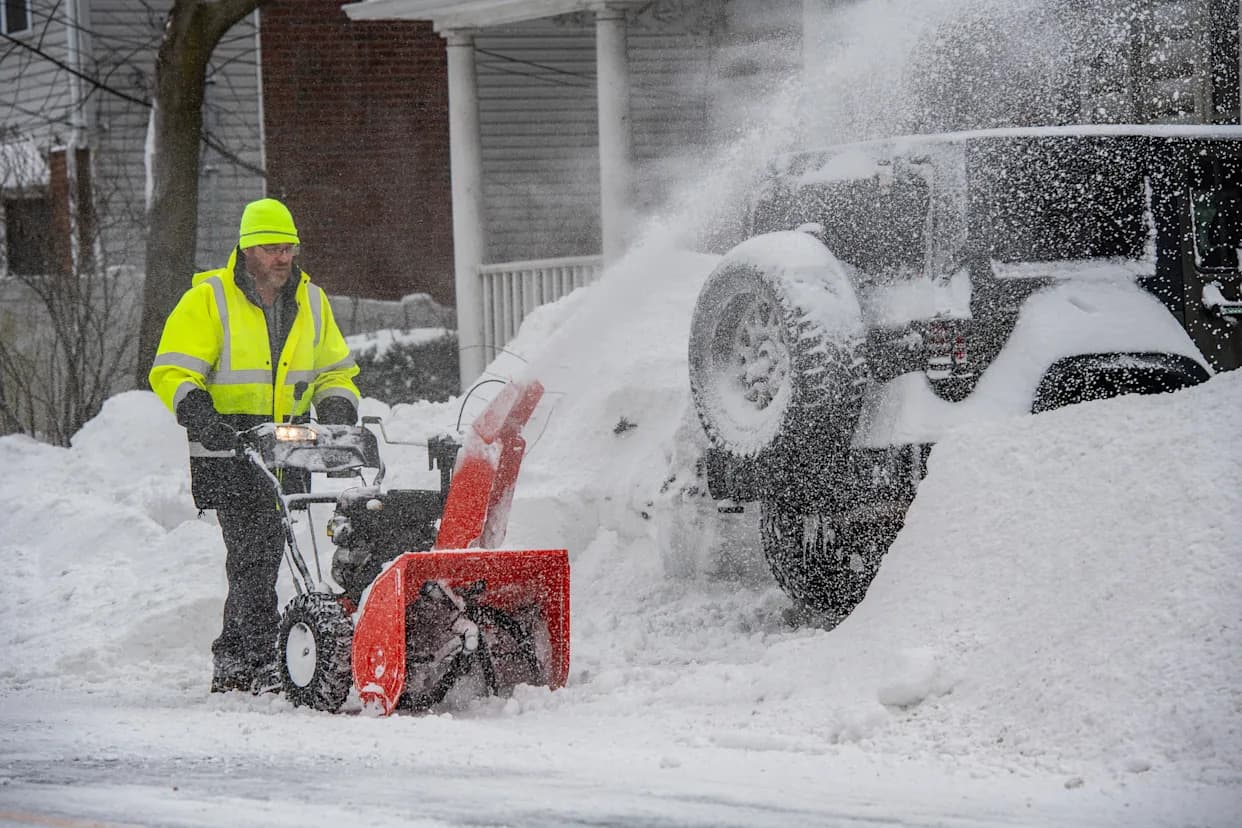
A potentially powerful winter storm may impact the U.S. East Coast within days of Winter Storm Fern, which left parts of the region under nearly two feet of snow and created dangerous travel conditions.
Forecasters say a low-pressure system could rapidly intensify just off the Carolina coast late this week and track north along the Mid-Atlantic, bringing a mix of heavy snow, strong winds and coastal flooding from Georgia to Maine. Exact timing, track and precipitation types remain uncertain.
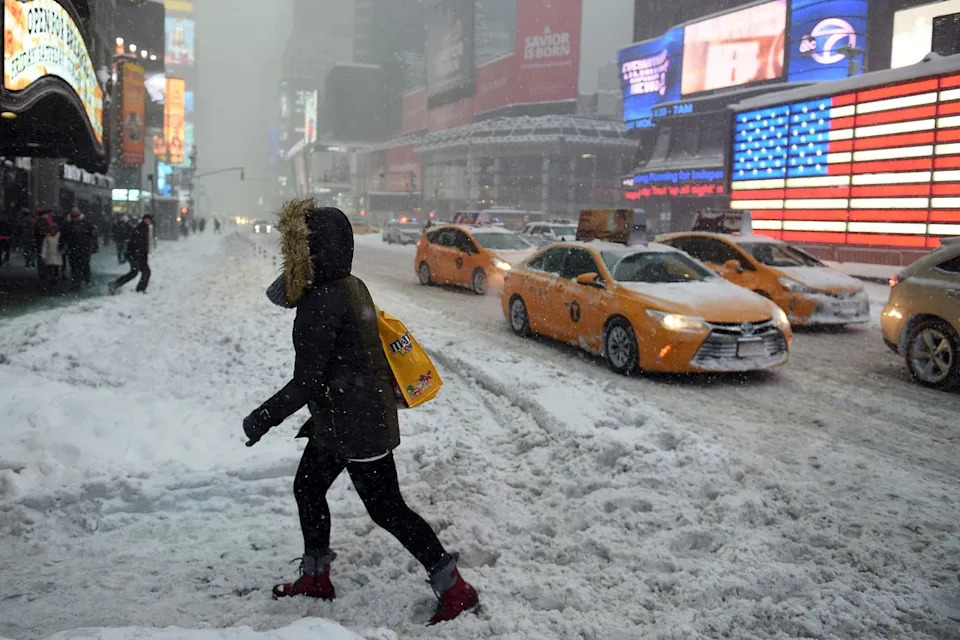
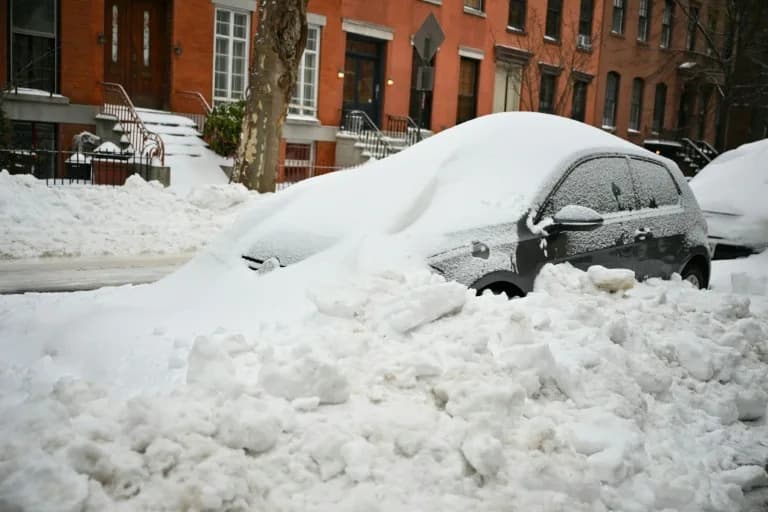
Pedestrians cope with snow covering sidewalks and streets in Time Square on January 23, 2016 in New York City.Astrid Riecken/Getty
How the Storm Could Develop
According to the National Weather Service’s Weather Prediction Center (WPC), a low is expected to deepen quickly just off the Carolina coast on Saturday, Jan. 31, and move along the Mid-Atlantic shoreline on Sunday, Feb. 1. If the system undergoes rapid intensification — known as bombogenesis — it would be classified as a "bomb cyclone," capable of producing very strong winds and elevated coastal flooding risks as well as heavy, blowing snow.
What Forecasters Agree On
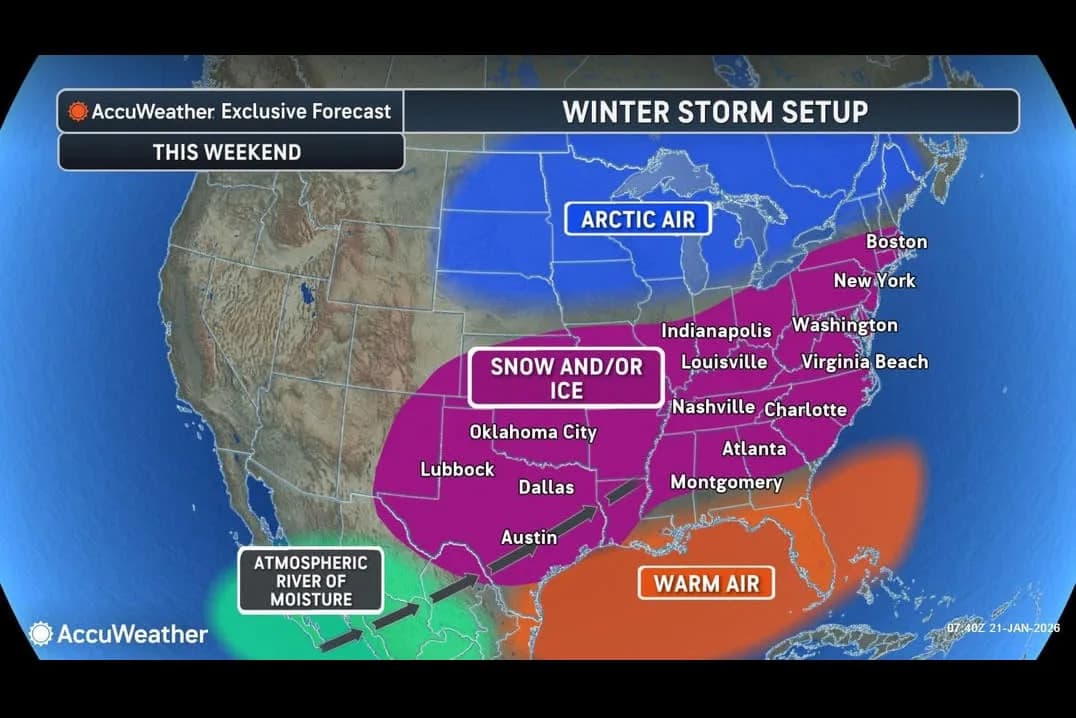
- Very cold air will remain entrenched across much of the eastern U.S., increasing the likelihood that precipitation falls as snow where the storm overlaps that cold air mass.
- Forecasters have increasing confidence in strong onshore winds along the coastline, which raise the risk of coastal flooding and erosion—especially near times of high tide.
Major Uncertainties
Key forecast uncertainties include the storm’s precise track, the location of the rain-versus-snow boundary along the coast, timing of peak impacts, and the ultimate magnitude of coastal flooding and travel disruptions. The WPC cautioned that while confidence in coastal impacts has risen, "there remains a wide range of potential scenarios regarding winter hazards."
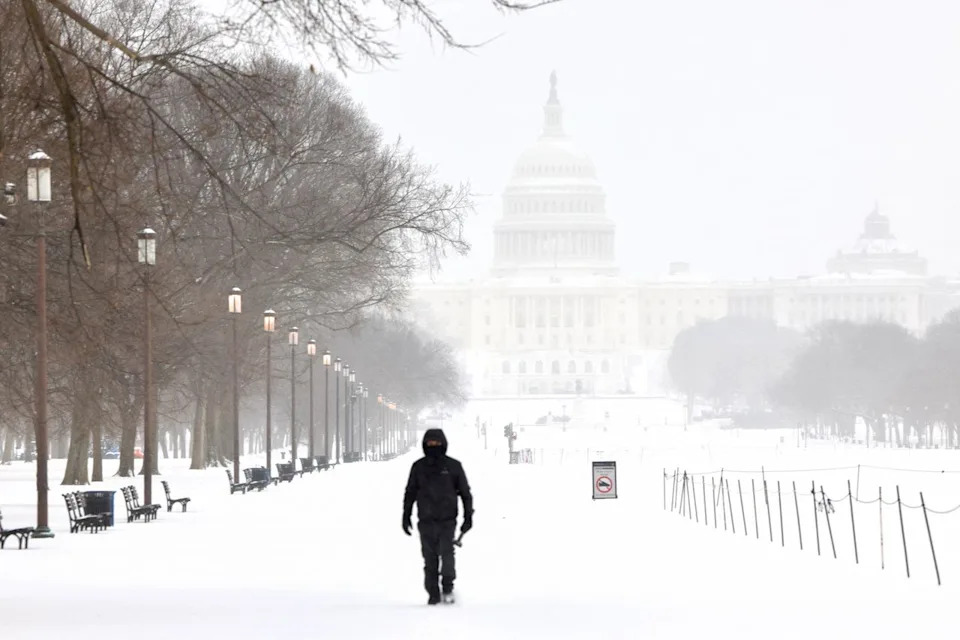
A man walks along the National Mall as snow falls in Washington, DC, on January 25, 2026.Amid FARAHI / AFP via Getty
Timing window: the system could arrive as early as Friday, Jan. 30, and linger through Monday, Feb. 2, depending on model updates and the storm’s actual track.
Where Snow Could Be Heaviest
Model guidance as of Tuesday, Jan. 27, pointed to some of the heaviest snowfall across southeastern Massachusetts, parts of Delaware and Maryland, and eastern sections of Virginia and North Carolina, but these details remain subject to change as forecasts evolve.
Impacts will vary sharply depending on how close the storm’s center tracks to shore: a farther offshore track could keep most precipitation over open water, while a closer track would increase the chance of heavy, wind-driven coastal snow and greater travel disruption.
Context And Safety
This potential storm follows closely after Winter Storm Fern, which produced roughly two feet of snow in some areas and contributed to hazardous conditions that authorities say were associated with at least 30 deaths across impacted states, according to the Associated Press.
Residents along the East Coast should monitor updates from the National Weather Service, check local advisories, and prepare for rapidly changing conditions over the coming days.
Help us improve.