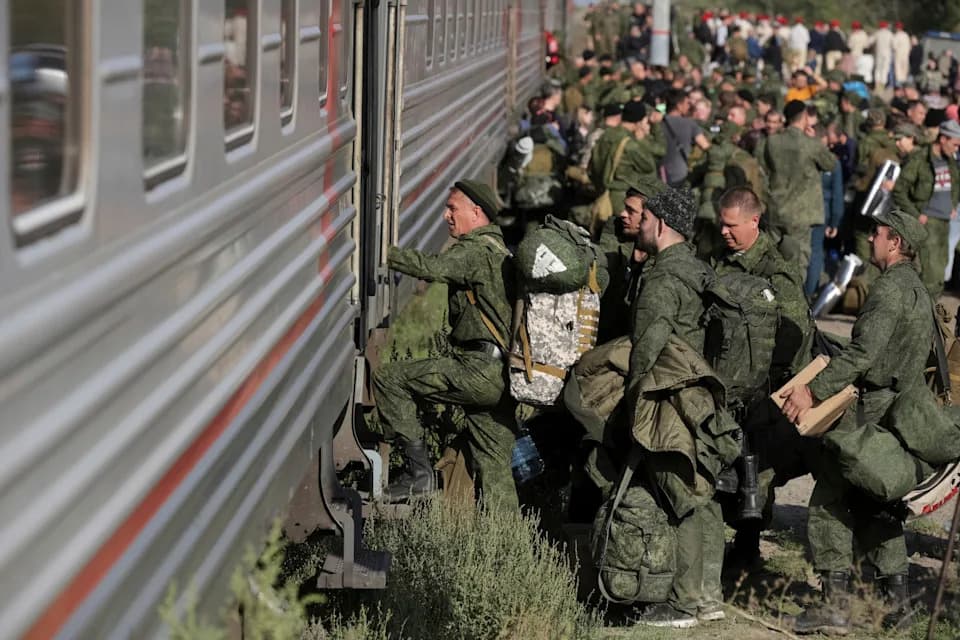
A major late-January 2026 winter storm from Texas to New England was amplified by a southward stretch of the stratospheric polar vortex that reinforced large jet-stream swings and by abundant moisture fed from an unusually warm Gulf of Mexico. While overall snowfall trends are decreasing in a warming climate, a warmer ocean and atmosphere can supply extra moisture and energy that help intensify extreme storms. Rapid Arctic warming may be increasing disruptions to the stratospheric vortex, but links to extremes remain an active area of research.
Southward Polar Vortex and a Warm Gulf Fueled the January 2026 U.S. Winter Storm

Craig F. Walker/The Boston Globe via Getty Images
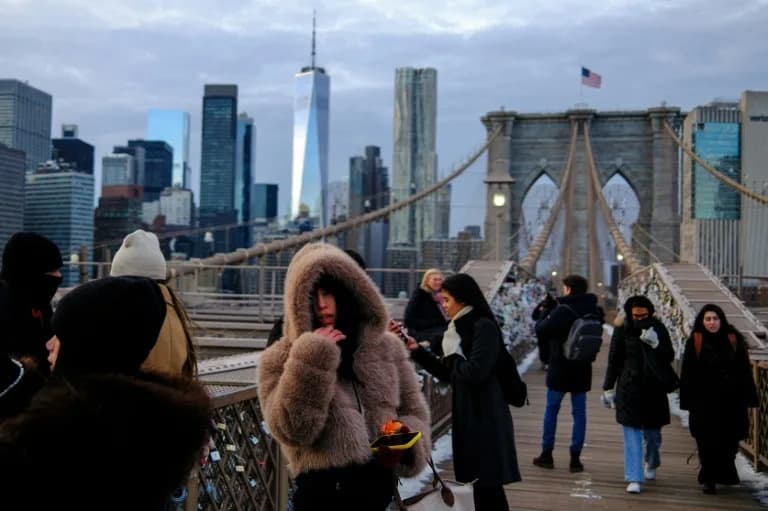
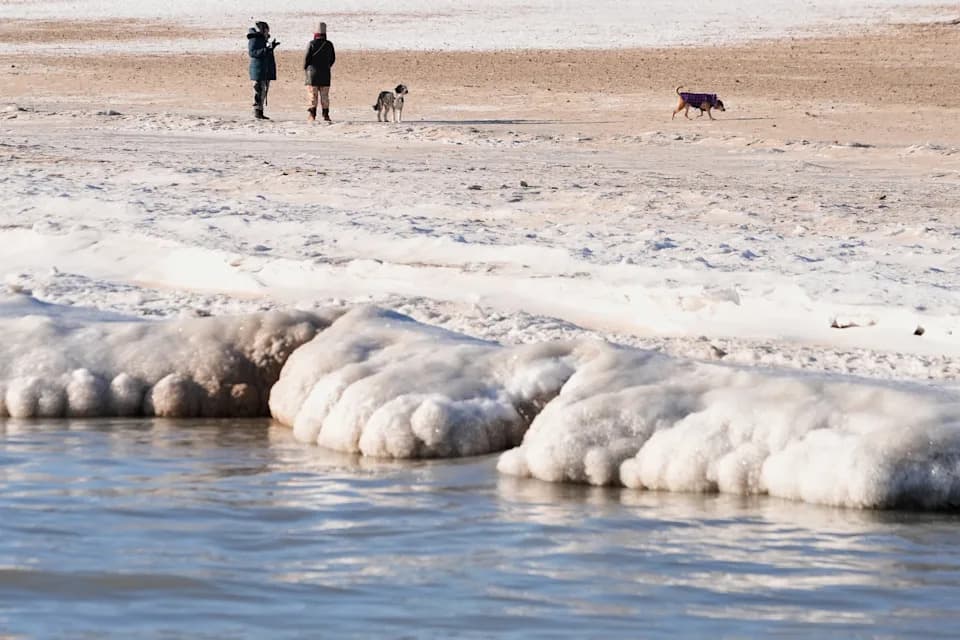
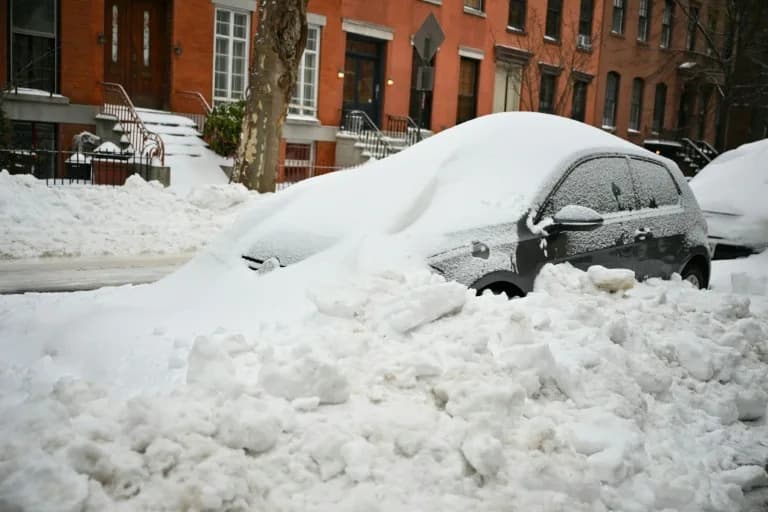
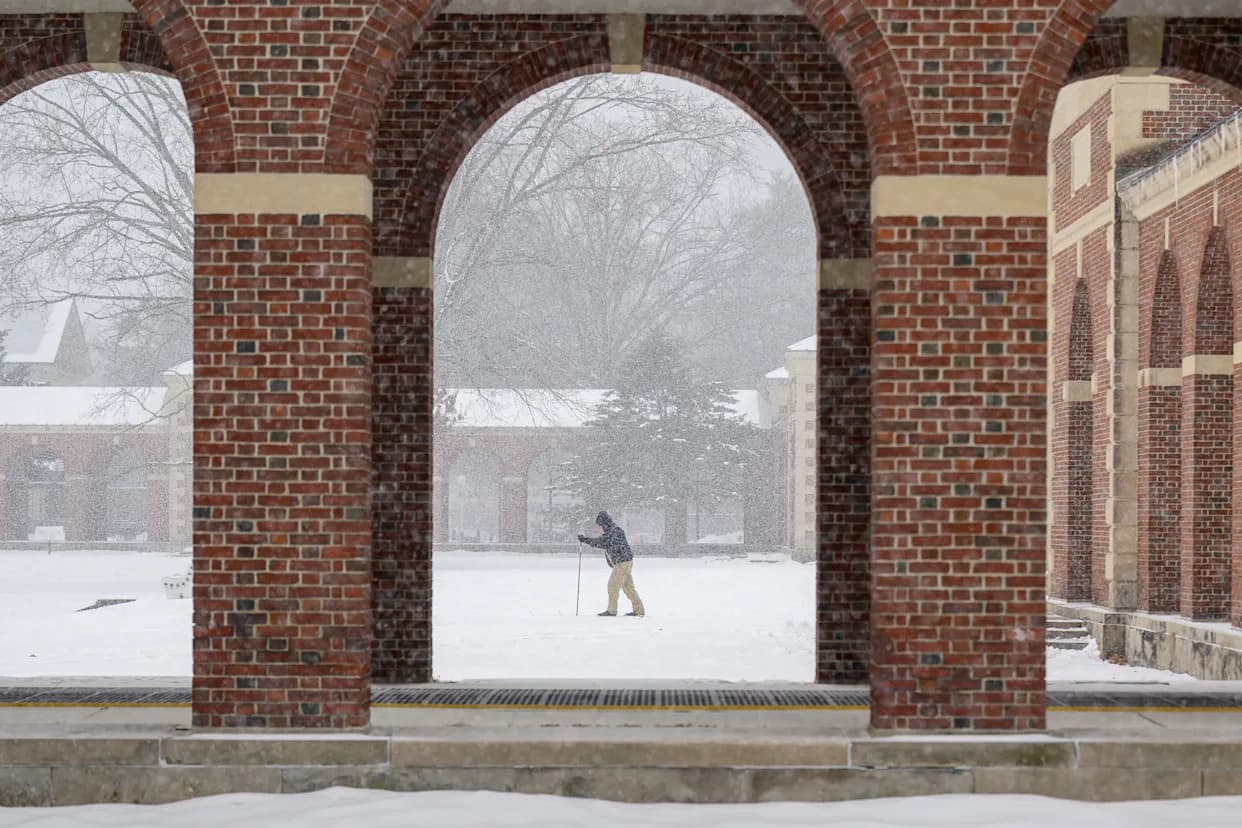
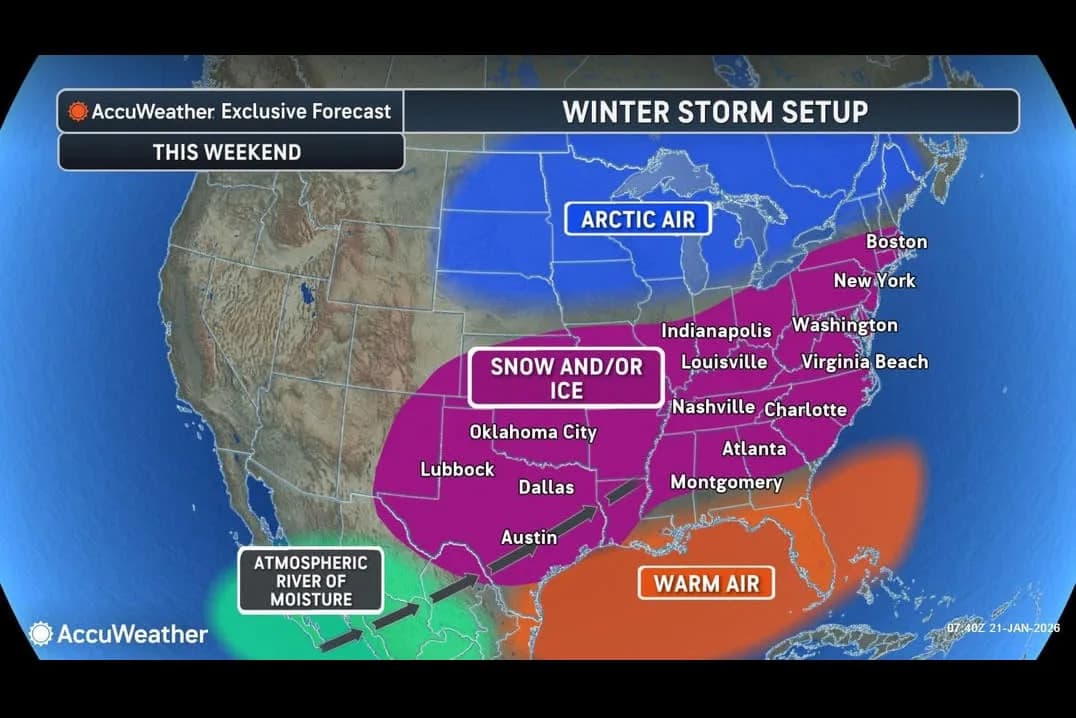
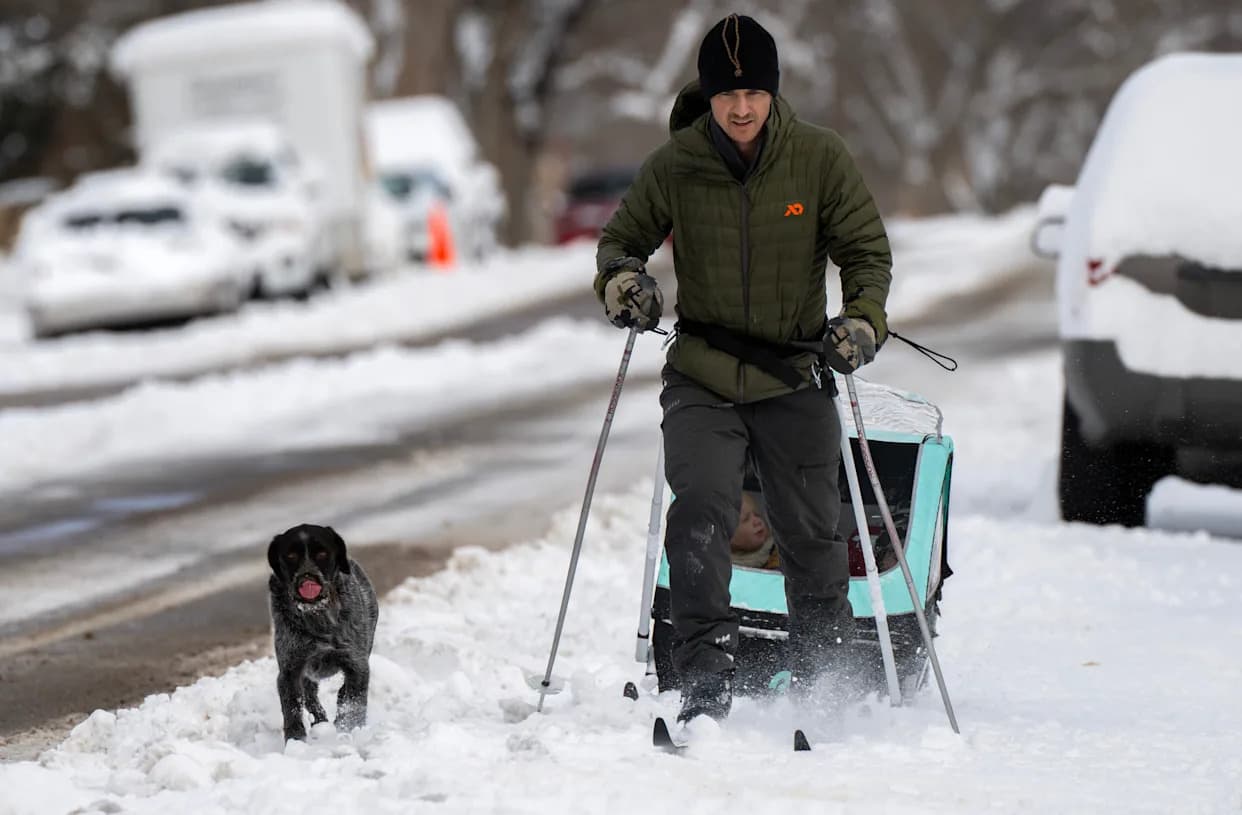
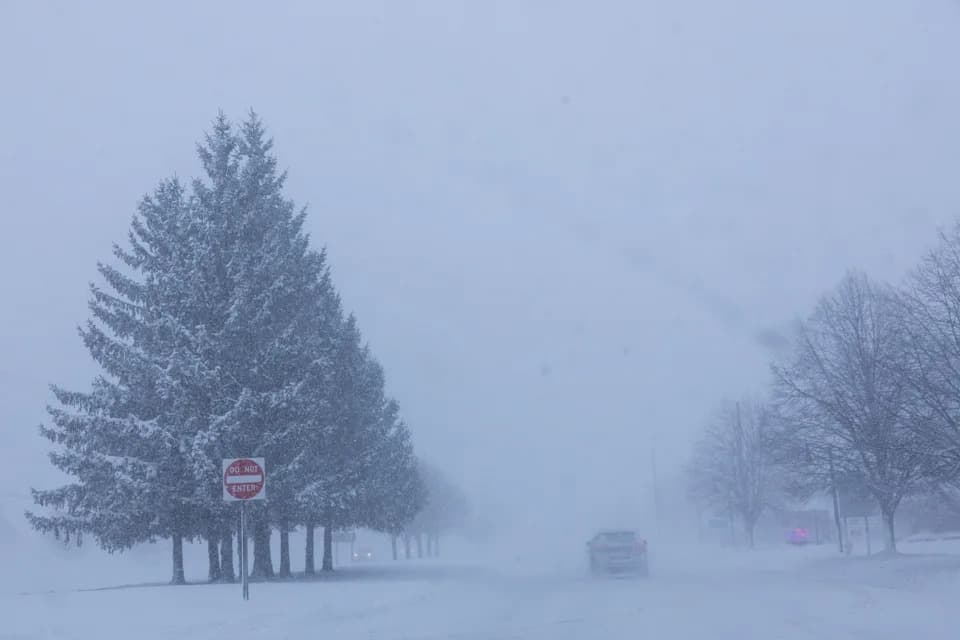
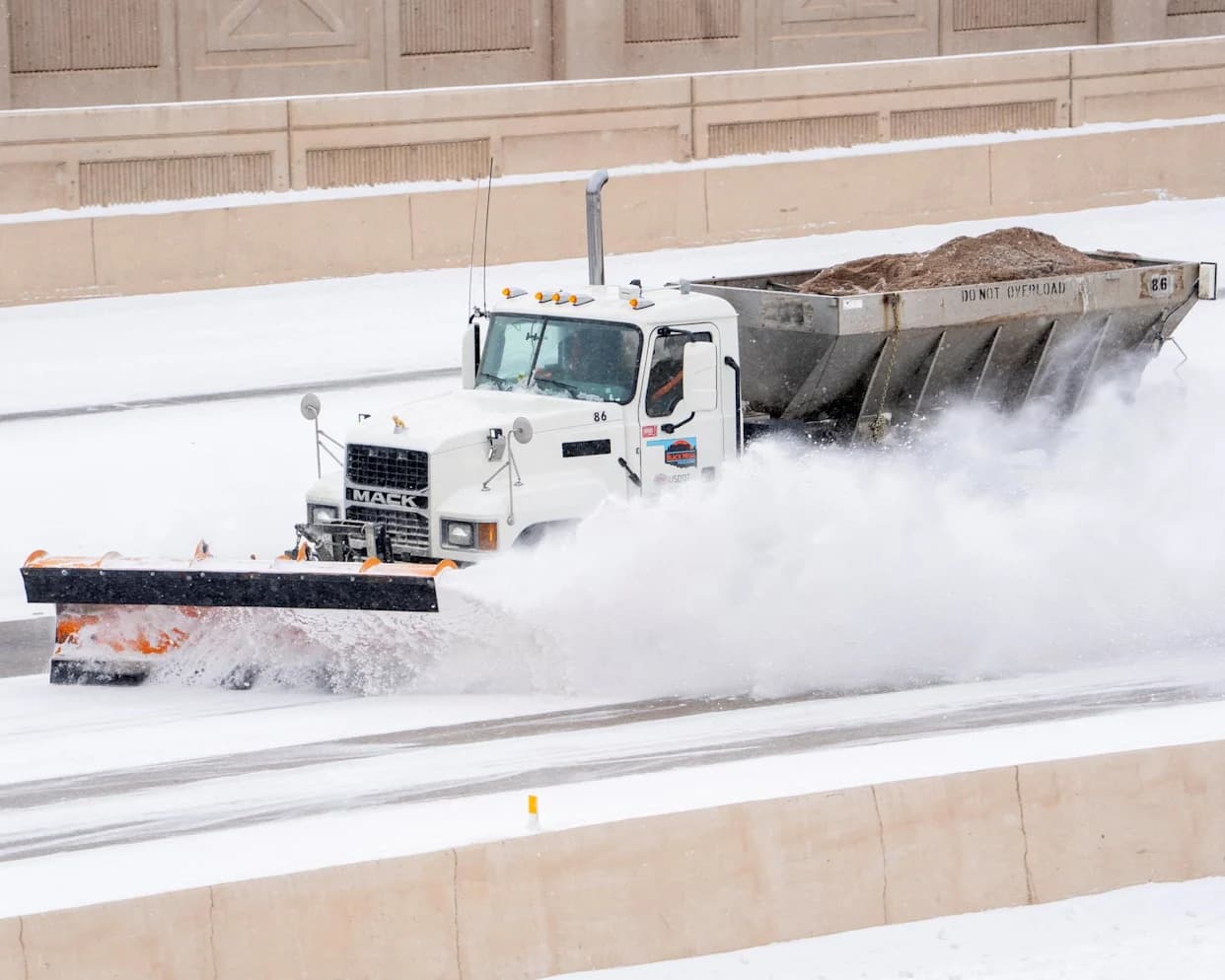
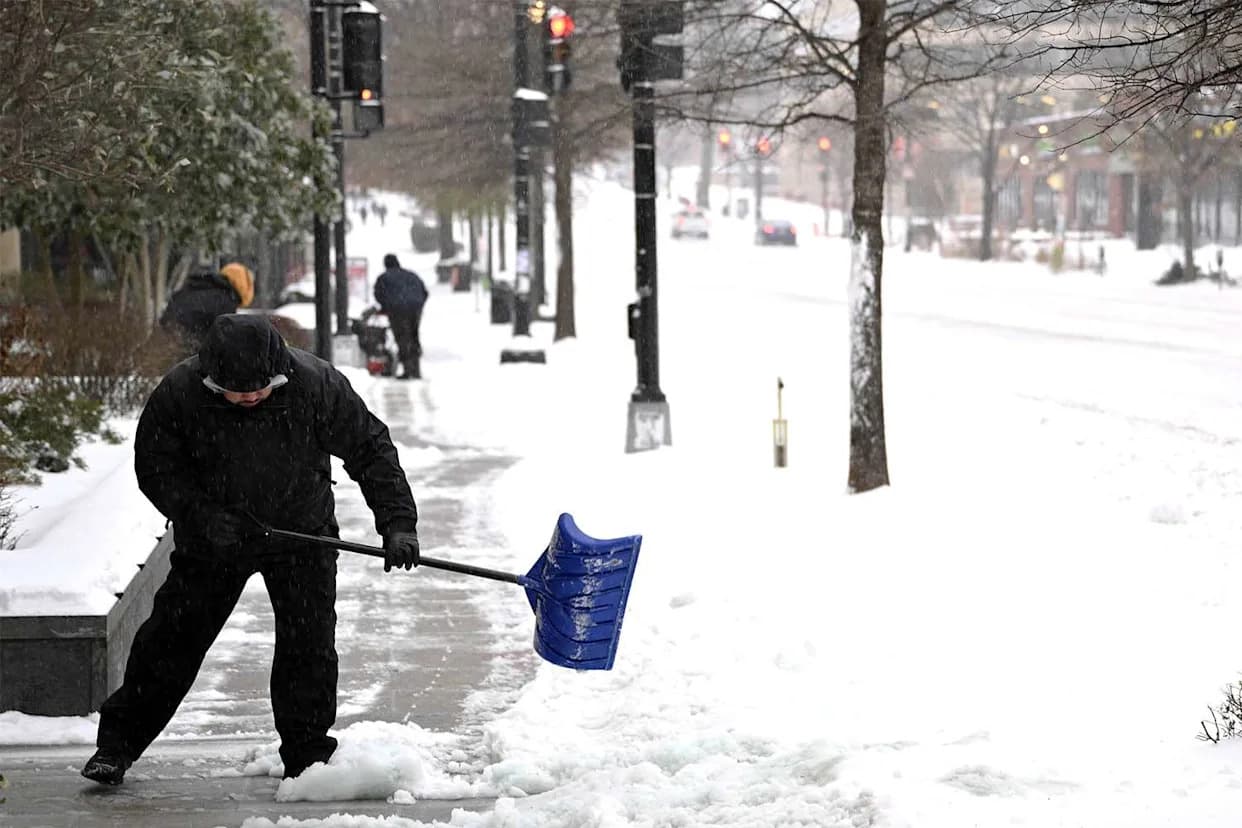
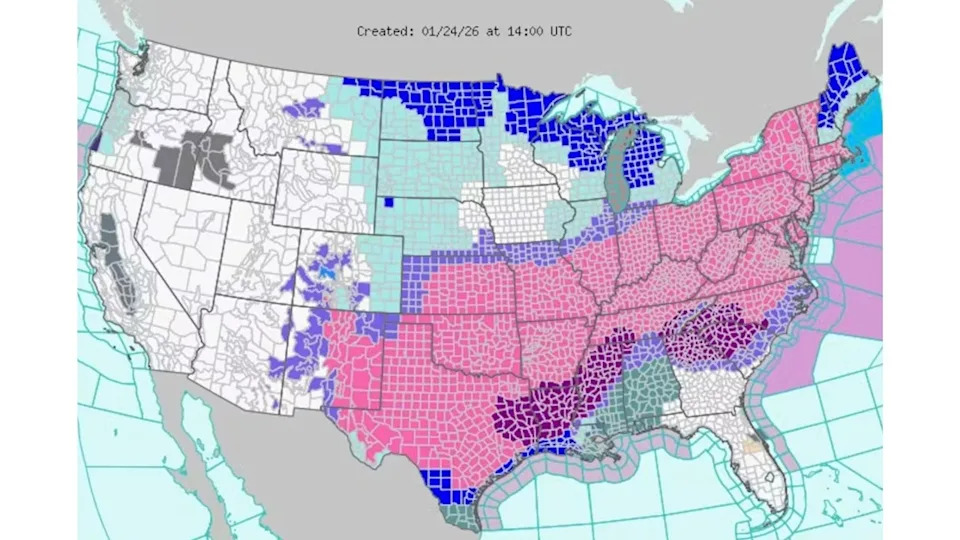
A powerful winter storm swept across the central and eastern United States in late January 2026, threatening areas from Texas to New England with crippling freezing rain, sleet and heavy snow. Several governors declared states of emergency as forecasters warned of hazardous travel, dangerously low wind chills and widespread power outages that could linger for days.
Mathew Barlow, CC BY
What Fueled the Storm
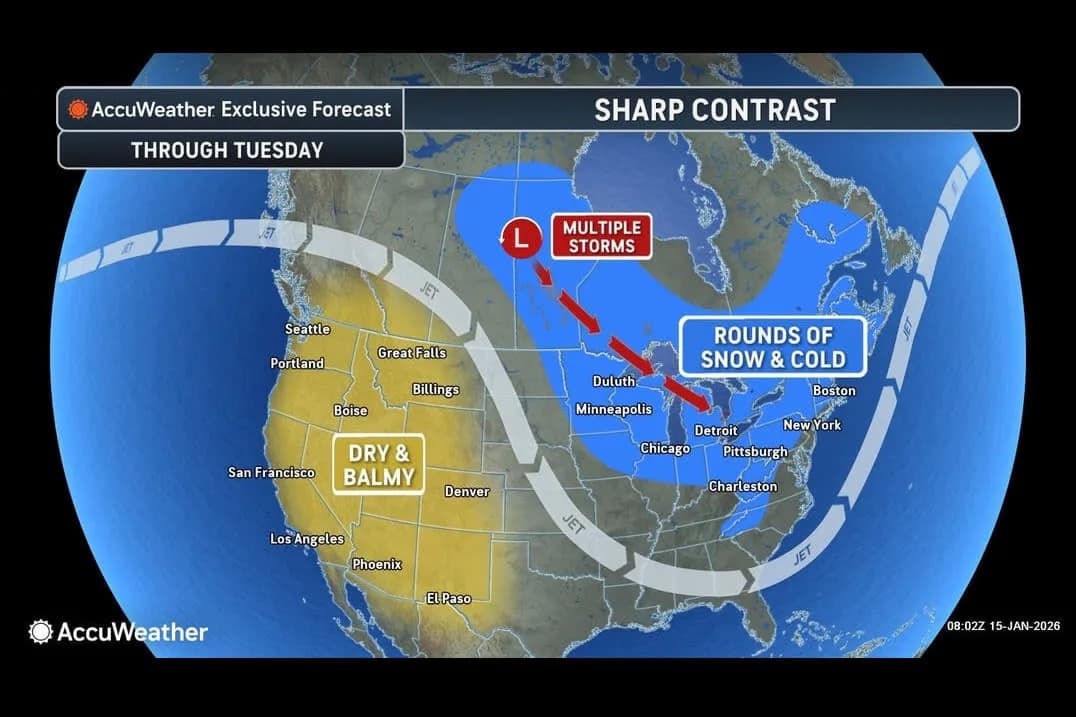
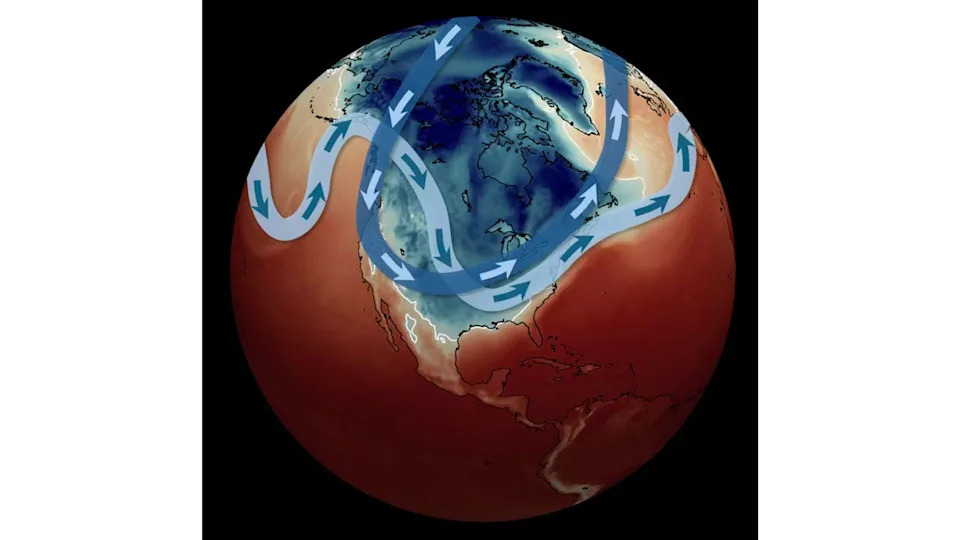
Multiple atmospheric ingredients aligned to produce this large and severe winter system. A strong Arctic air mass pushed southward, creating a sharp temperature contrast with much warmer air from the south. At the same time, disturbances in the jet stream synchronized, and the system tapped abundant moisture from an unusually warm Gulf of Mexico, supporting heavy precipitation across a broad region.
National Weather Service
The Stratospheric Polar Vortex's Role
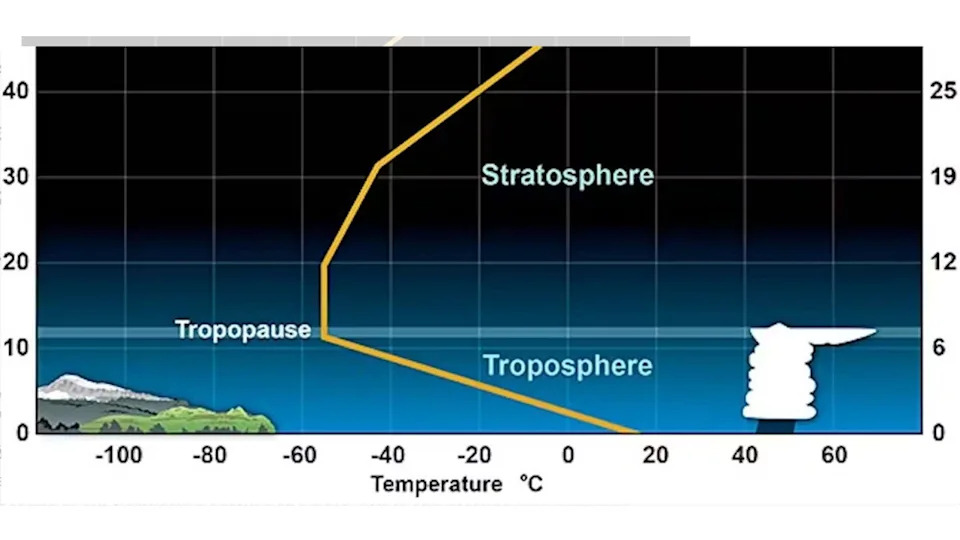
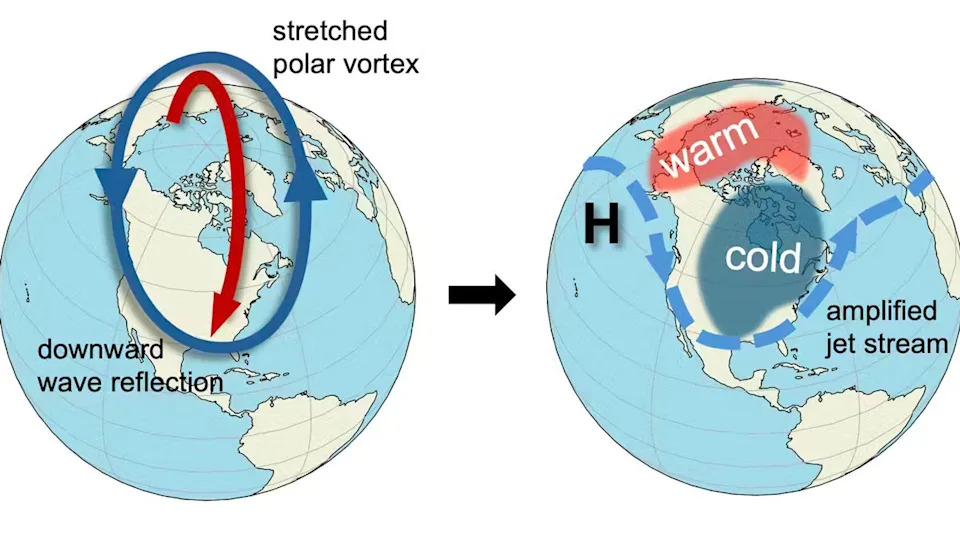
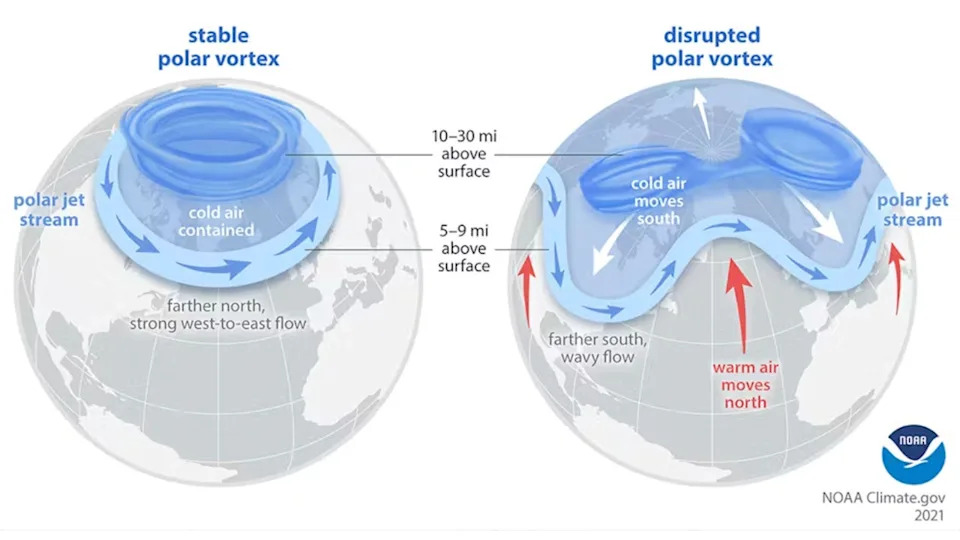
To fully understand the event, it helps to look well above the surface — into the stratosphere roughly 7 to 30 miles (about 10–50 km) up. The Northern Hemisphere's stratospheric polar vortex is a belt of fast-flowing air encircling the pole. When that vortex stretches southward, it can interact with vertically propagating atmospheric waves that link the stratosphere and troposphere. Under the right conditions, energy can reflect off the stratospheric vortex and propagate back down, amplifying north–south swings in the tropospheric jet stream and increasing the likelihood of deep cold intrusions and intense winter storms at the surface.
NOAA
Climate Connections: Complex But Important
Earth is unequivocally warming as human activities increase greenhouse gas concentrations, and average snowfall amounts are declining in many places. However, a warmer world can also produce conditions that favor more extreme winter events in some locations. A warmer ocean increases evaporation, supplying storms with more moisture; a warmer atmosphere holds more water vapor, which releases energy when it condenses into rain or snow. At the same time, warming can weaken the temperature contrasts that drive storms. These opposing effects make projections complex, but evidence suggests the most intense winter storms may become more intense even as average conditions change.
Mathew Barlow and Judah Cohen, CC BY
Rapid Arctic warming — often called Arctic amplification — is one hypothesized mechanism that could increase disruptions to the stratospheric polar vortex, potentially making strong polar excursions and related extreme winter weather more likely. This link remains an active area of research and is not yet fully settled.
NOAA
Impacts And Preparedness
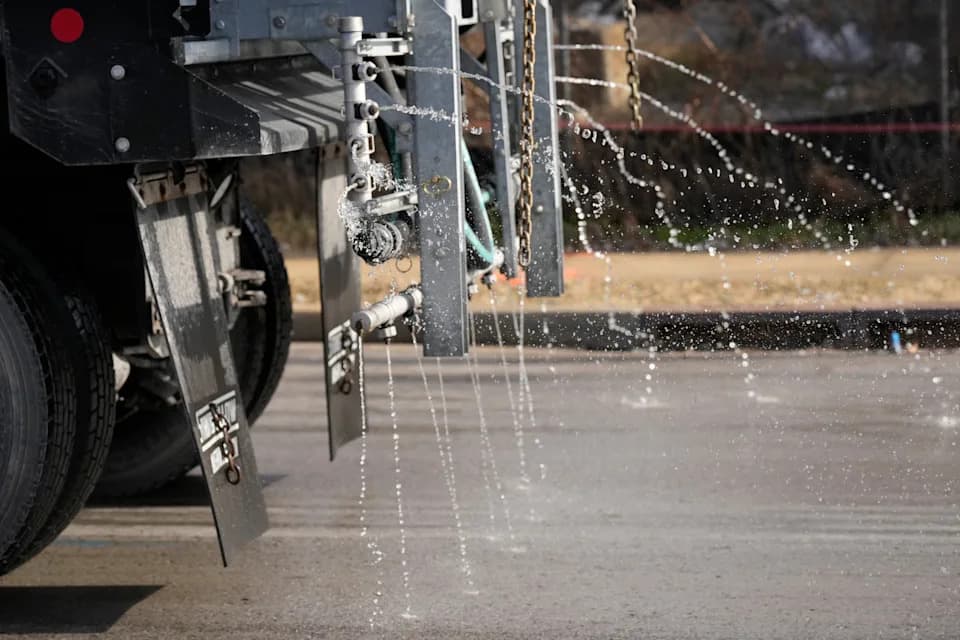
The late-January storm produced hazardous travel conditions, heavy ice accumulations, and power outages across a wide area. Residents in affected regions were advised to follow local emergency guidance, limit travel during the worst conditions, and prepare for possible prolonged outages by securing warm clothing, food, water and emergency supplies.
Science, Forecasting And Resources
Advances in observations, models and forecasting have improved warnings for complex events that involve stratosphere–troposphere coupling. Much of the foundational data, models and long-term monitoring come from federal research programs and government laboratories such as the National Center for Atmospheric Research (NCAR). These institutions provide essential tools used by forecasters and researchers worldwide.
Authors: Mathew Barlow, Professor of Climate Science, UMass Lowell; Judah Cohen, Climate Scientist, Massachusetts Institute of Technology (MIT)
Help us improve.