The United States was hit by a major winter storm that spread heavy snow across the Northeast and catastrophic ice through parts of the South, leaving hundreds of thousands without power and causing widespread travel chaos. Over a dozen storm-related deaths have been reported and a private jet crashed at Bangor, Maine, amid conflicting early casualty reports. Flight cancellations peaked at more than 11,000 on the storm’s worst day, and emergency crews, including the National Guard in Mississippi, were mobilized to assist recovery. Frigid temperatures and lingering ice are expected to prolong outages and travel hazards into the week.
Massive Winter Storm Paralyses Much Of U.S.: Heavy Snow In Northeast, Catastrophic Ice In The South, Hundreds Of Thousands Without Power
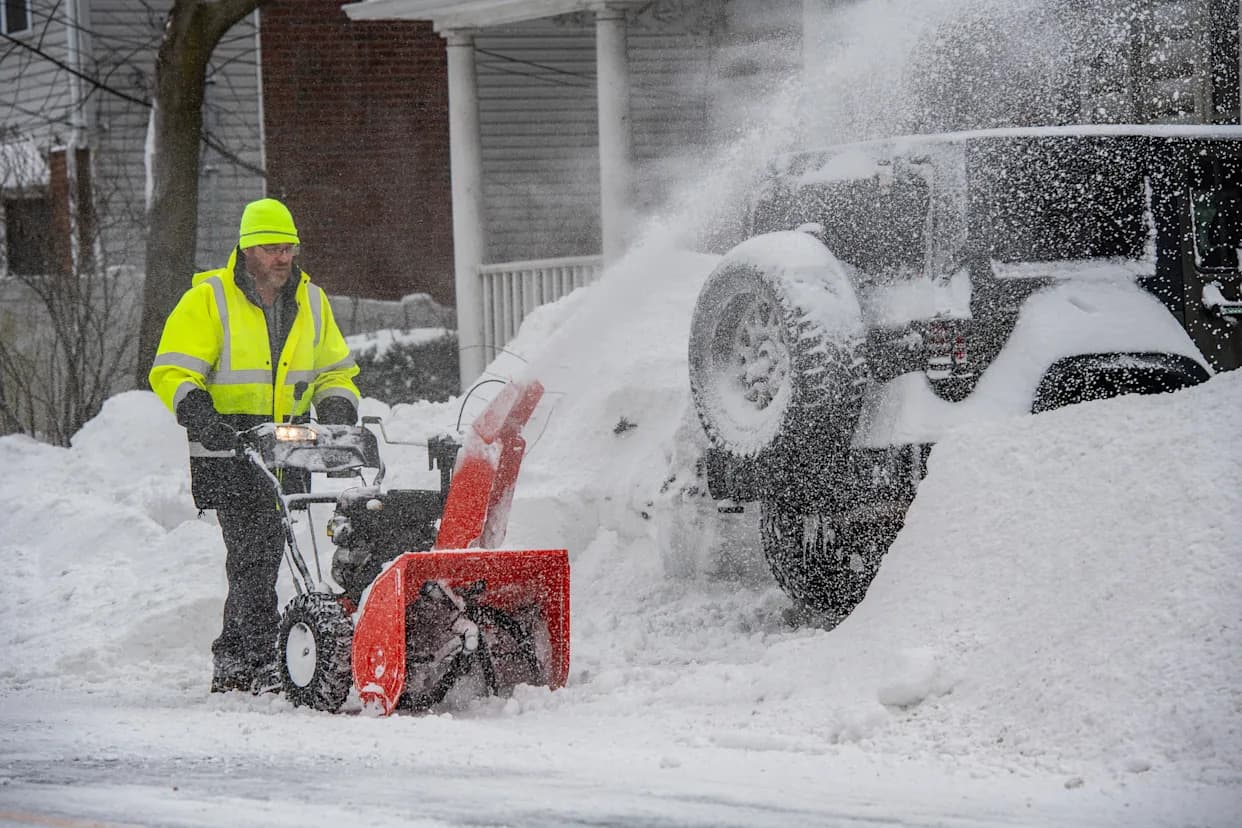
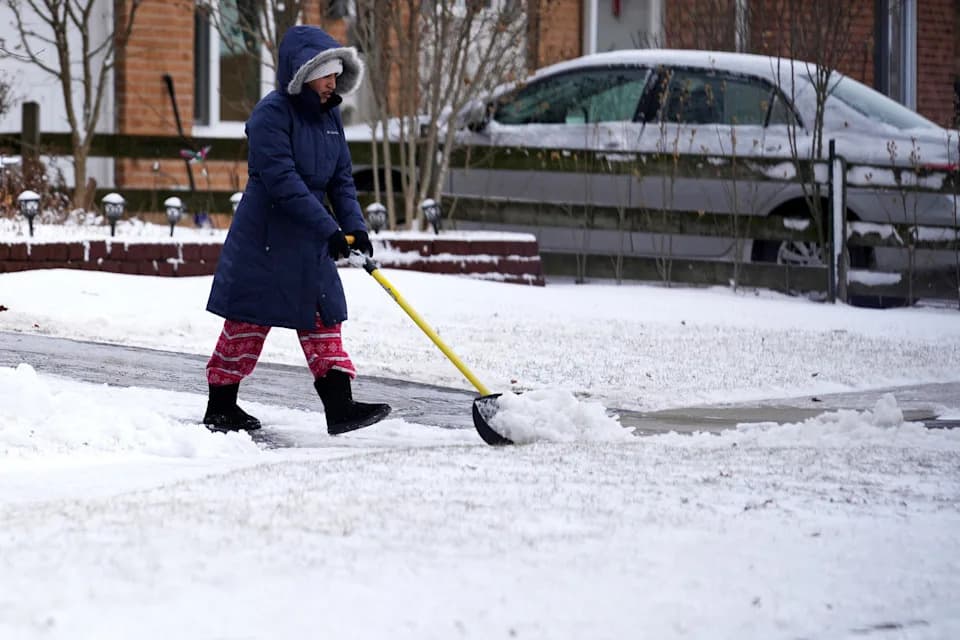
A person uses a snowblower to remove snow from their driveway in Winthrop, Mass., on Jan. 26.(Joseph Prezioso/AFP via Getty Images)
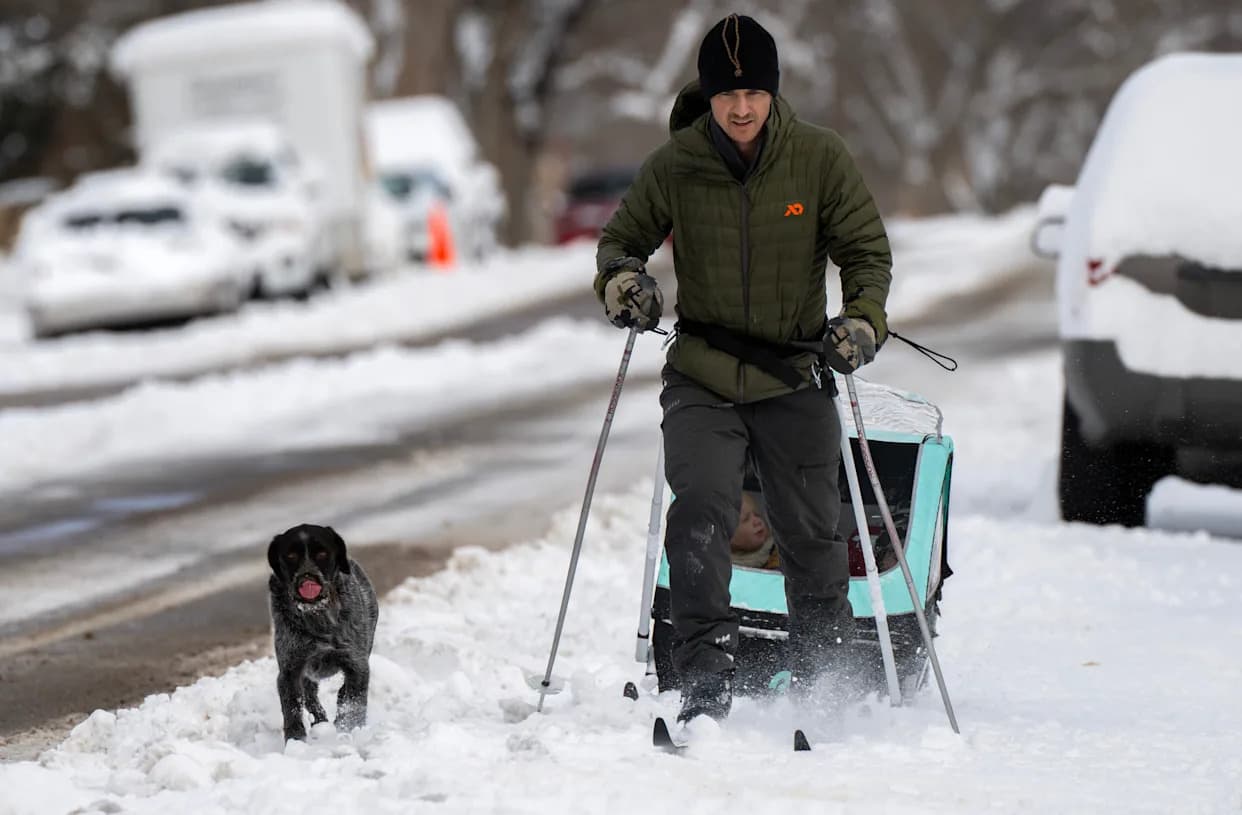
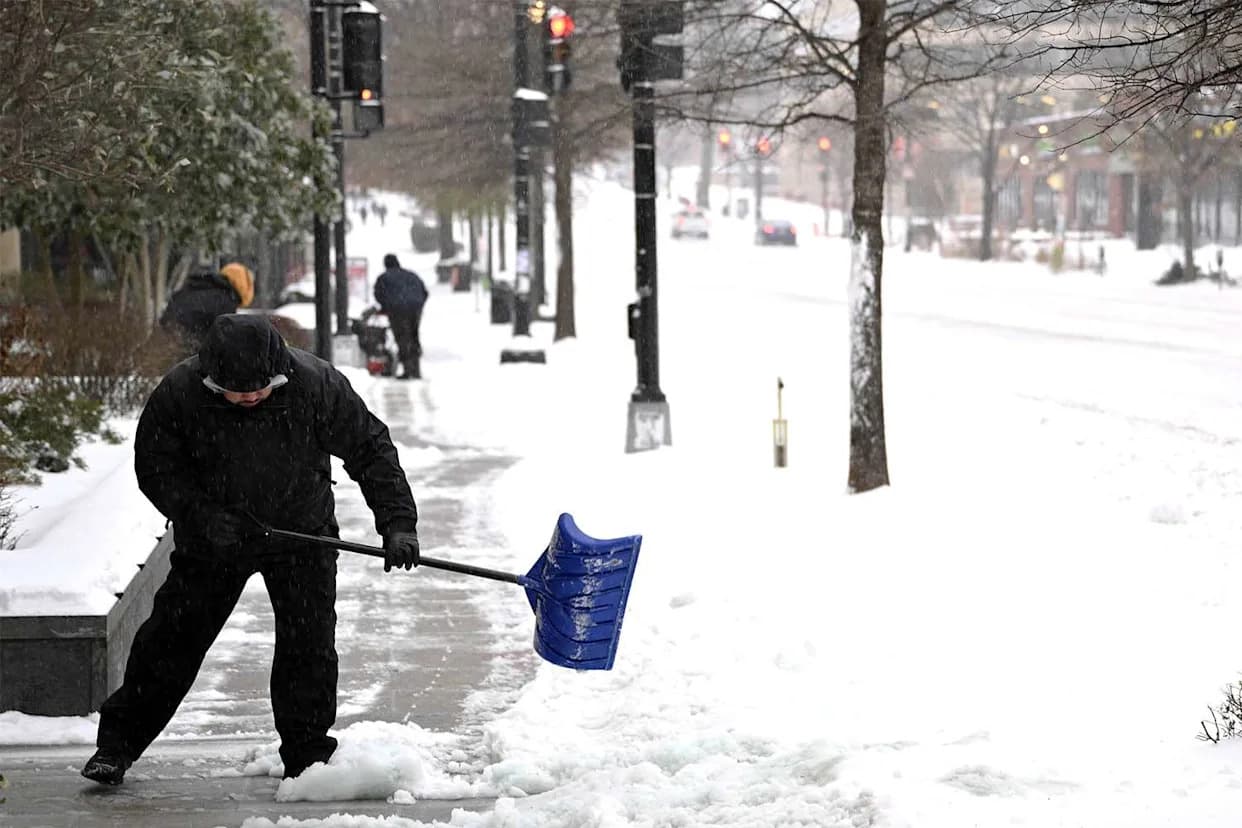
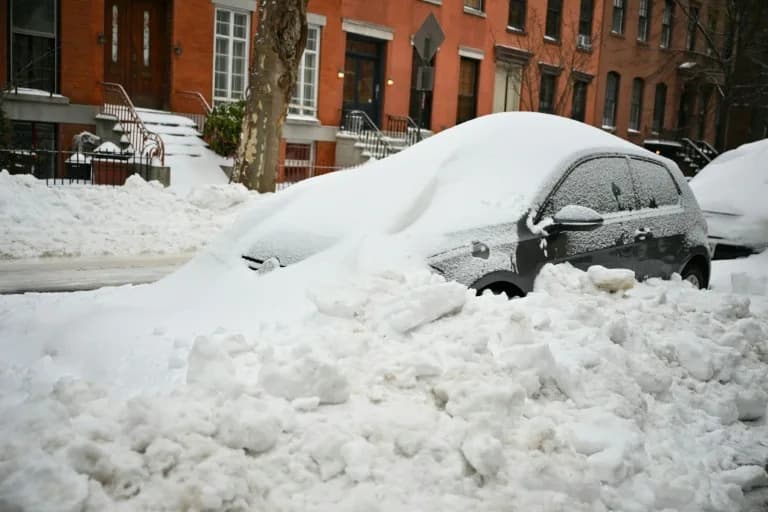
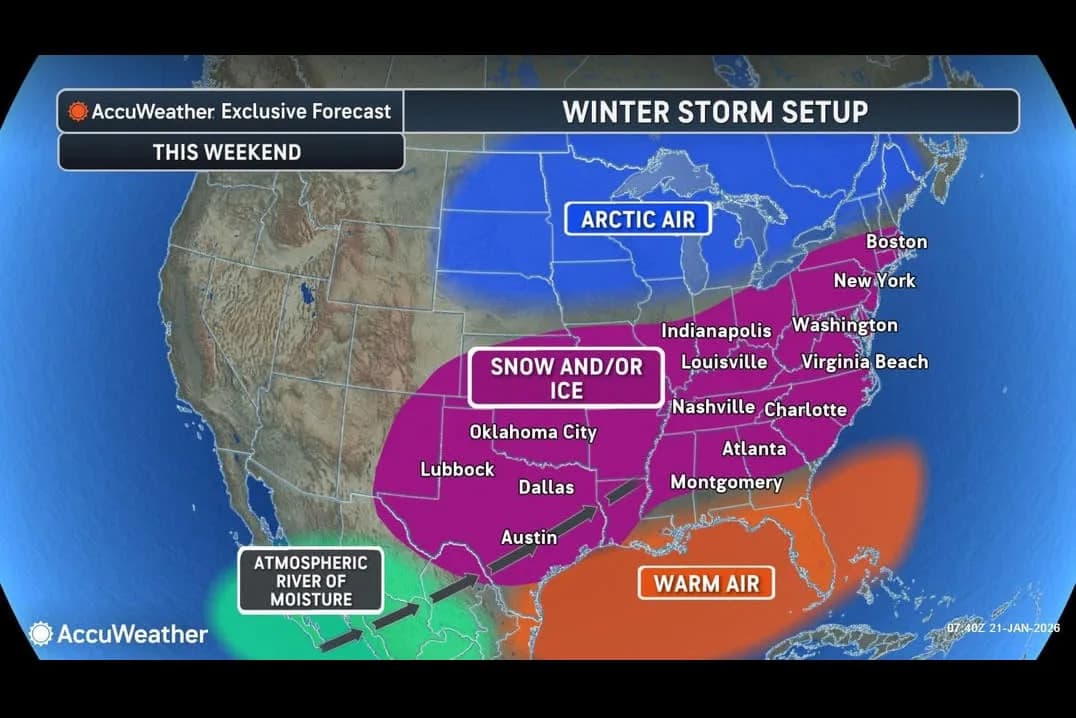
A powerful winter storm slammed across roughly two-thirds of the United States over the weekend, bringing heavy snow, widespread ice, and dangerously cold temperatures. More than 100 million people were placed under winter-storm warnings from New Mexico to Maine as blizzard conditions and ice made travel treacherous, knocked out power for hundreds of thousands of customers and prompted large-scale emergency response efforts.
Overview
The storm combined heavy snow in the Northeast and Midwest with severe ice accumulation across parts of the South and Mid-Atlantic. Frigid air followed the system, with subzero temperatures expected in many affected areas through midweek. Officials warned that the combination of deep snow, heavy ice and extreme cold would prolong outages and travel disruptions.
Human Cost And Incidents
Authorities have attributed more than two dozen deaths to the storm across multiple states, including fatalities linked to shoveling, hypothermia, vehicle accidents and recreational incidents such as sledding. Among the deadliest incidents was a private jet crash at Bangor International Airport in Maine during takeoff amid the storm. Early reports conflicted about the number of victims; airport and federal agencies have issued differing initial statements. Federal investigators from the FAA and the NTSB are continuing their inquiries and have urged patience as they confirm passenger and crew information.
Travel And Transportation Impacts
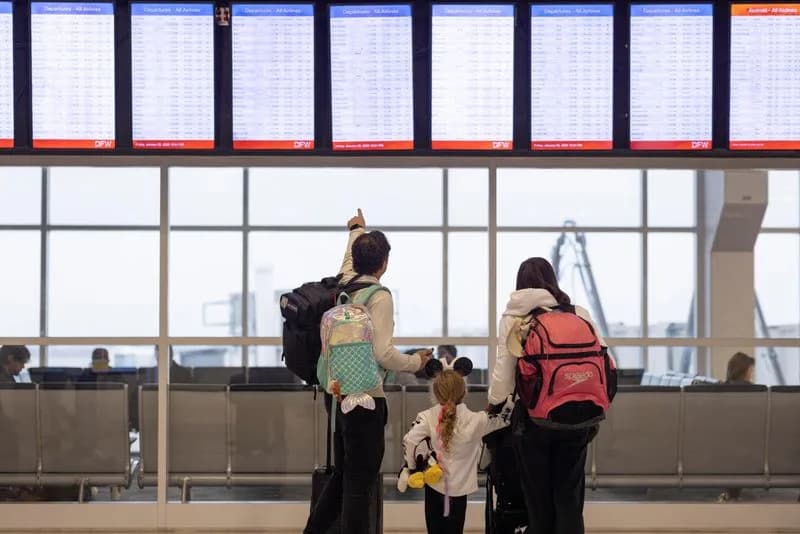
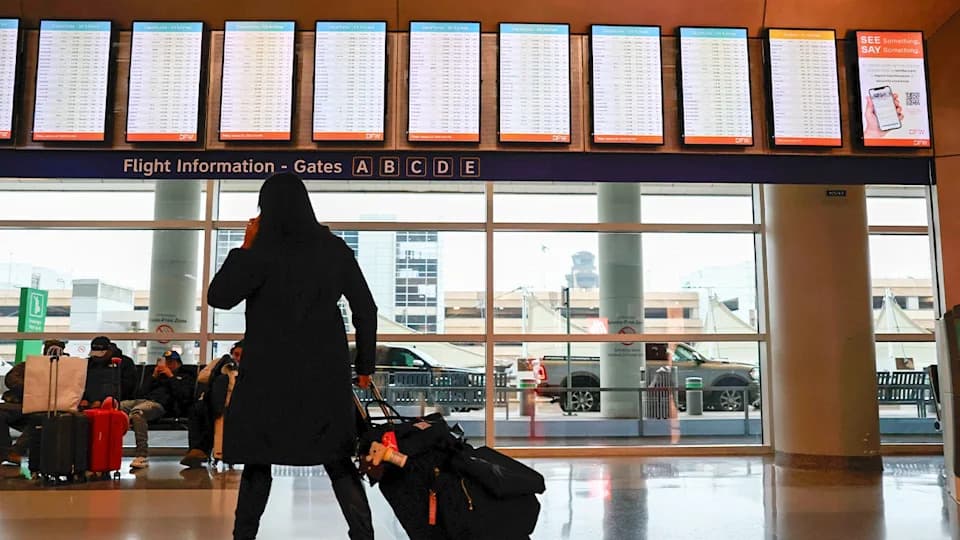
Air travel was severely disrupted. Flight-tracking services reported more than 11,000 U.S. cancellations on the storm’s peak day, with thousands more canceled or delayed on subsequent days as airports struggled to clear runways and maintain operations in subfreezing conditions. Major hubs—including Boston Logan and Dallas-Fort Worth—reported particularly high cancellation rates during the storm.
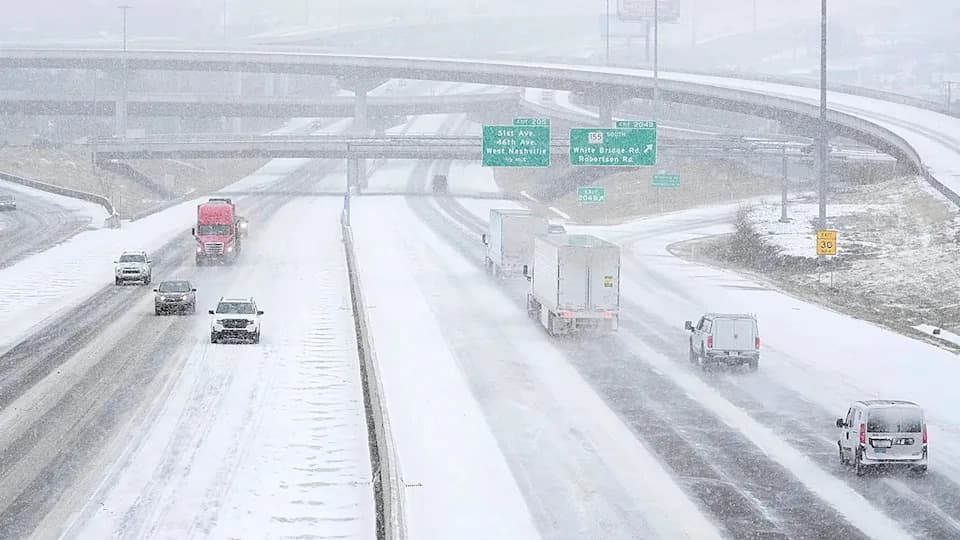
National Weather Service: "Catastrophic ice accumulation" was warned from the lower Mississippi Valley to the Mid-Atlantic, with prolonged travel disruptions expected where ice and cold lingers.
Power Outages And Emergency Response
Power-outage figures fluctuated as utilities mobilized crews; trackers reported outages ranging from roughly 600,000 to more than 800,000 customers across several Southern and Southeastern states at different times. Tennessee, Mississippi and Louisiana experienced some of the highest totals, largely because ice-laden trees and limbs toppled lines. States deployed emergency resources: Mississippi’s governor activated the National Guard, initially authorizing about 500 troops to assist with logistics, debris removal and traffic control as conditions permitted.
Naming, Messaging And Public Safety
Many outlets and meteorologists referred to the system as "Winter Storm Fern," a name assigned by The Weather Channel. The National Weather Service does not formally name winter storms and has said it has no plans to adopt that practice, noting that one label can obscure locally varying impacts. Authorities emphasized that residents should pay attention to local forecasts and advisories, not just storm nicknames.
Canada: Toronto Records Historic Totals
The storm also hit parts of Canada hard. Toronto reported record daily snowfall at Pearson Airport (18.1 inches) and city-center totals of about 22 inches, contributing to the city’s snowiest January on record since 1937. Widespread road incidents, hundreds of vehicle collisions and extensive plowing operations were reported in the region.
Local Closures And Community Relief
School districts and universities closed campuses in affected regions; for example, the University of Mississippi announced its Oxford campus would remain closed for several days for safety and recovery operations. Relief organizations, including the American Red Cross, opened warming centers for people displaced by outages or who lacked safe heating in their homes.
What To Expect Next
The National Weather Service warned that dangerously low temperatures would persist through the coming days, keeping roads icy and hampering restoration work. Residents were advised to avoid nonessential travel, check on neighbors (especially the elderly), conserve generator and heating safety practices, and monitor local utility and emergency management updates for restoration timelines and assistance locations.
Note: Many statistics—outage counts, flight-cancellation totals and casualty reports—varied over the course of the response as new information arrived. Officials and federal agencies continue investigations, and numbers may be revised as authorities confirm details.
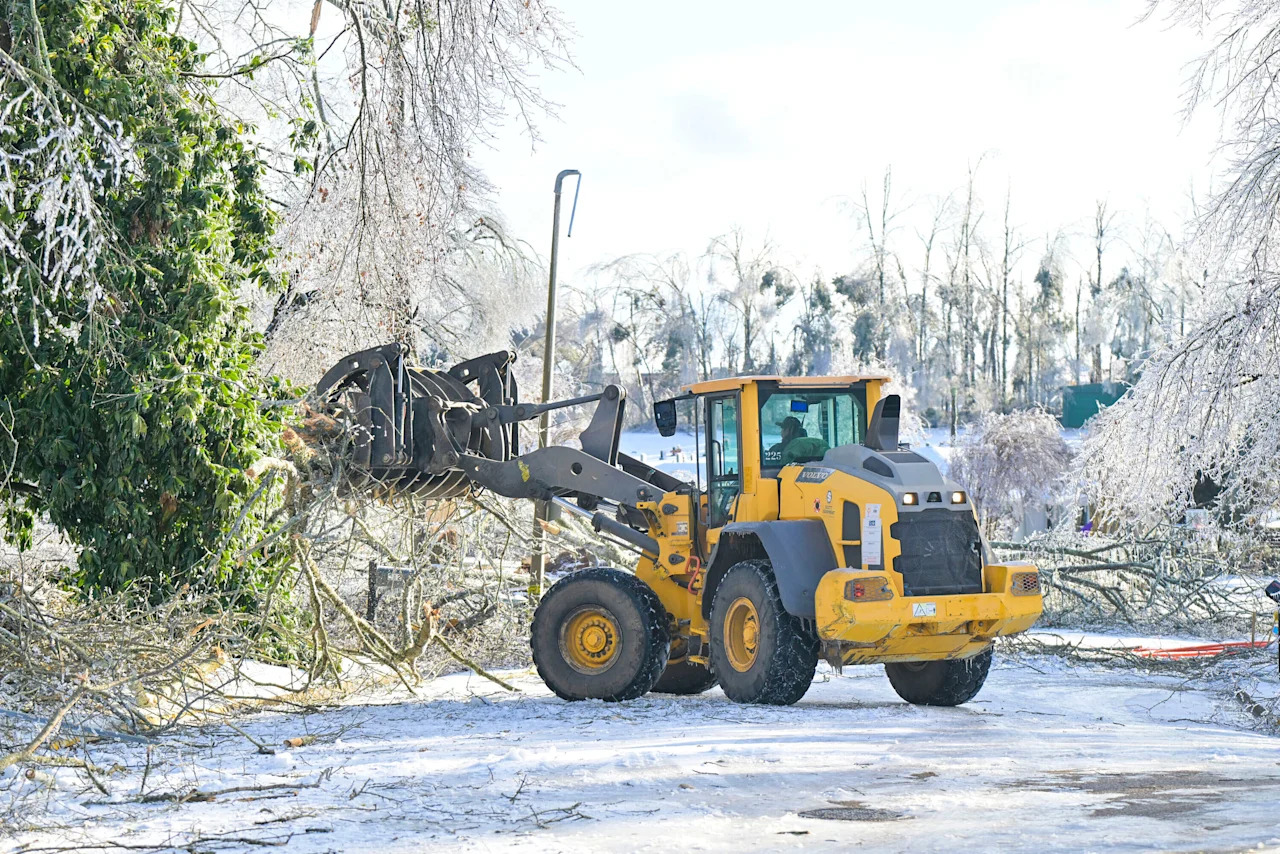
A worker clears trees from the roadway in Oxford, Miss. on Monday, Jan. 26, 2026, following a weekend ice storm. (Photo: Bruce Newman/AP)(ASSOCIATED PRESS)
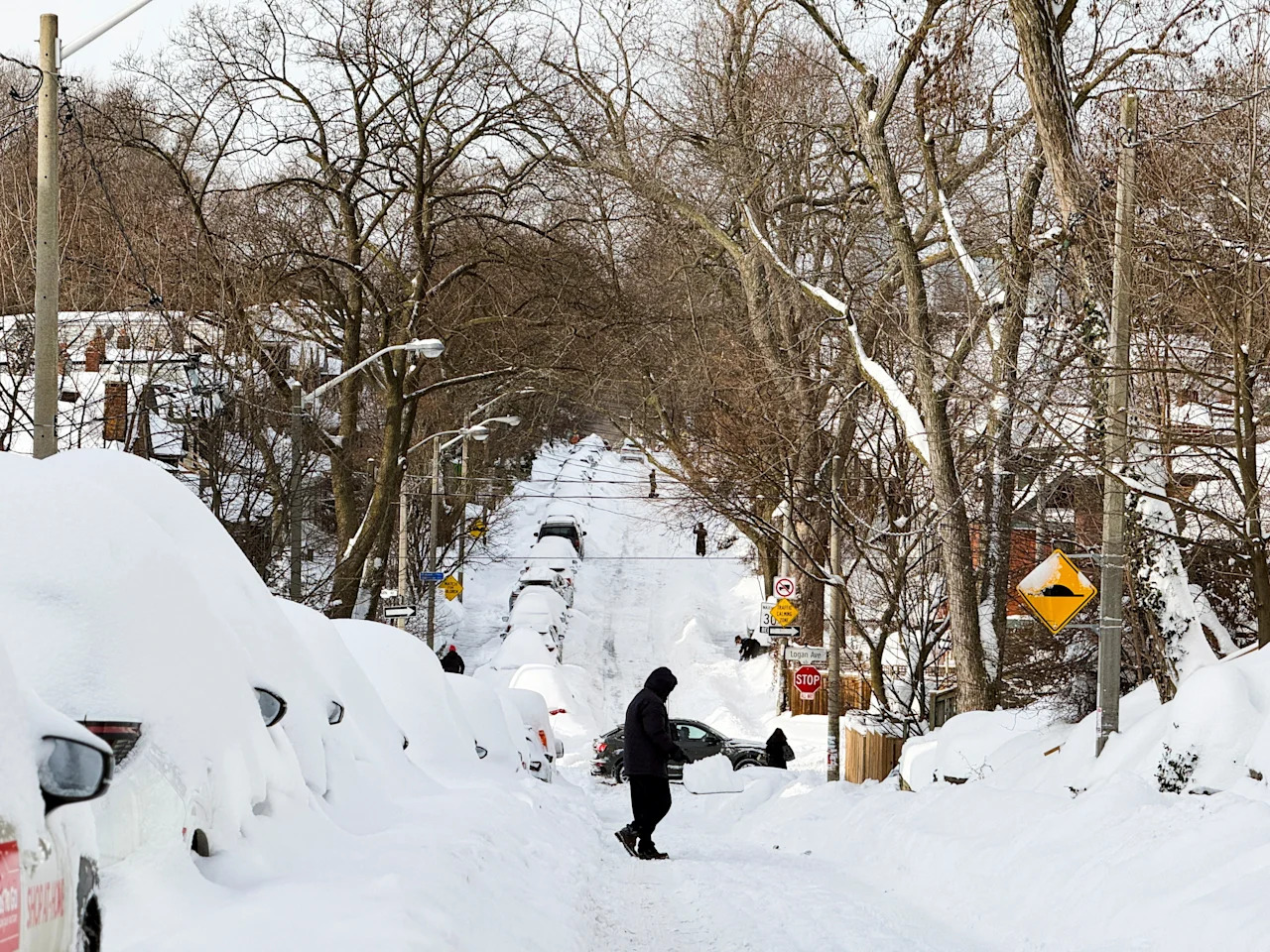
A person walks across a snow-covered street in Toronto, Ontario, Canada, on Monday.(REUTERS / Reuters)
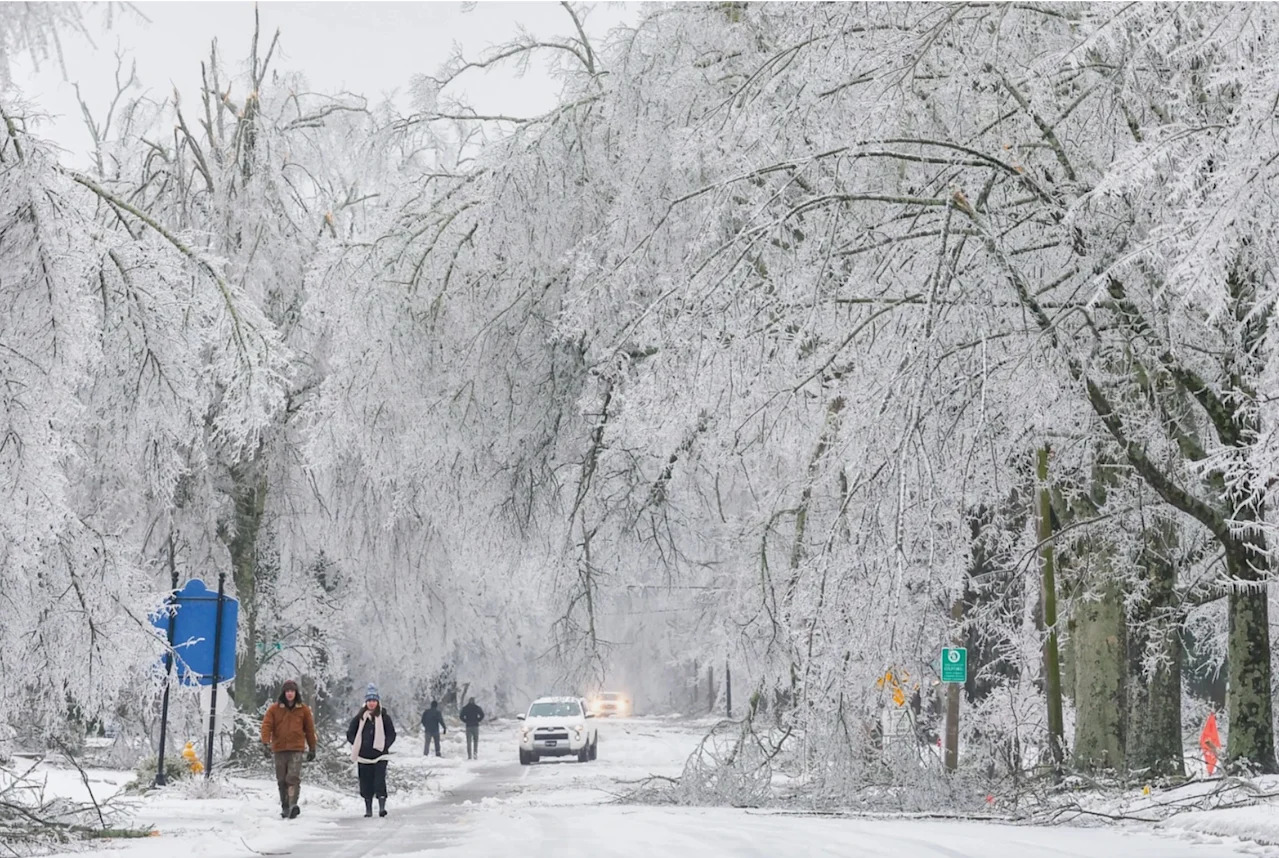
Oxford on Sunday.(Josh McCoy/City of Oxford, Miss. via AP)

New York City Mayor Zohran Mamdani speaks at a press conference ahead of the storm.(NDZ/STAR MAX/IPx)
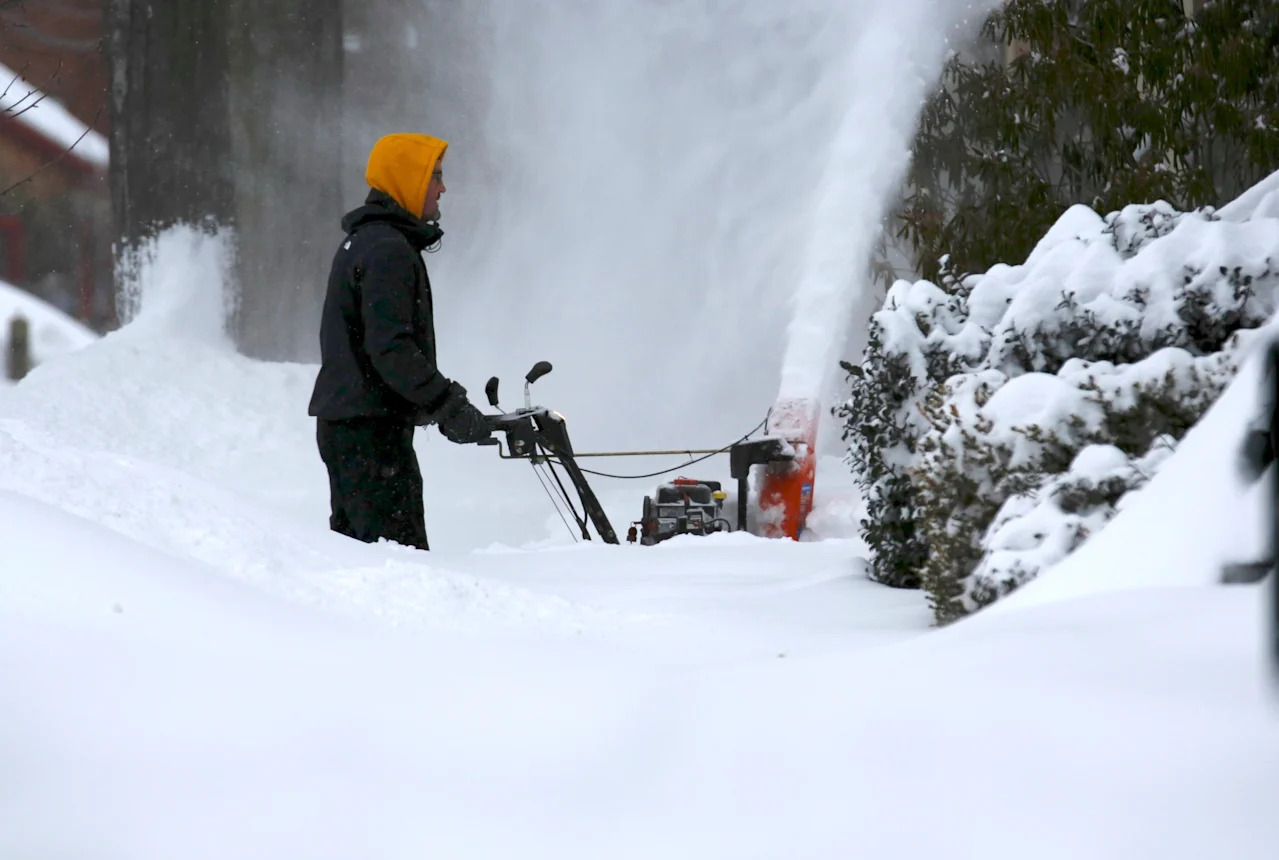
A person blows snow after a storm in Portsmouth, N.H. on Jan. 26.(Caleb Jones/AP)
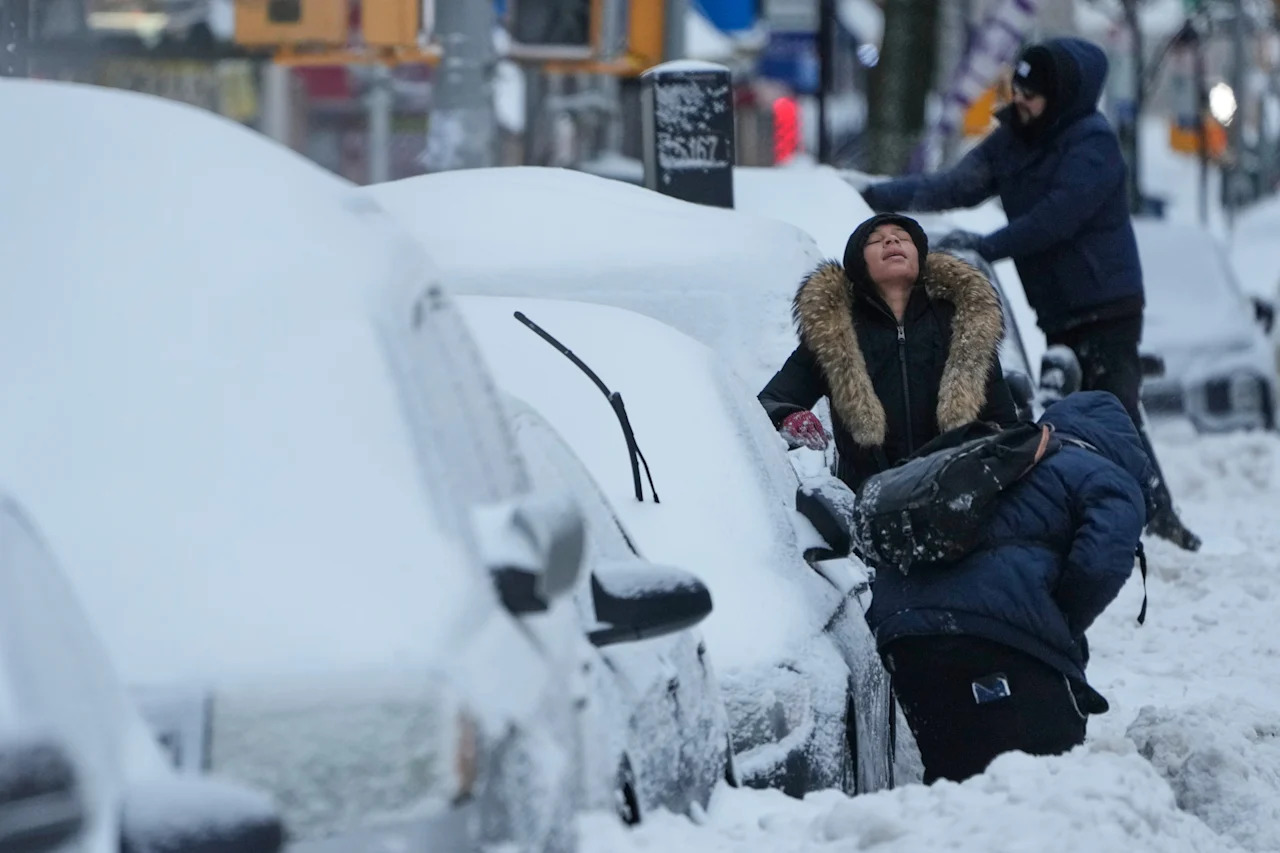
Jaylean Melvin takes a break from trying to clear her car of snow in New York on Monday.(Seth Wenig/AP)
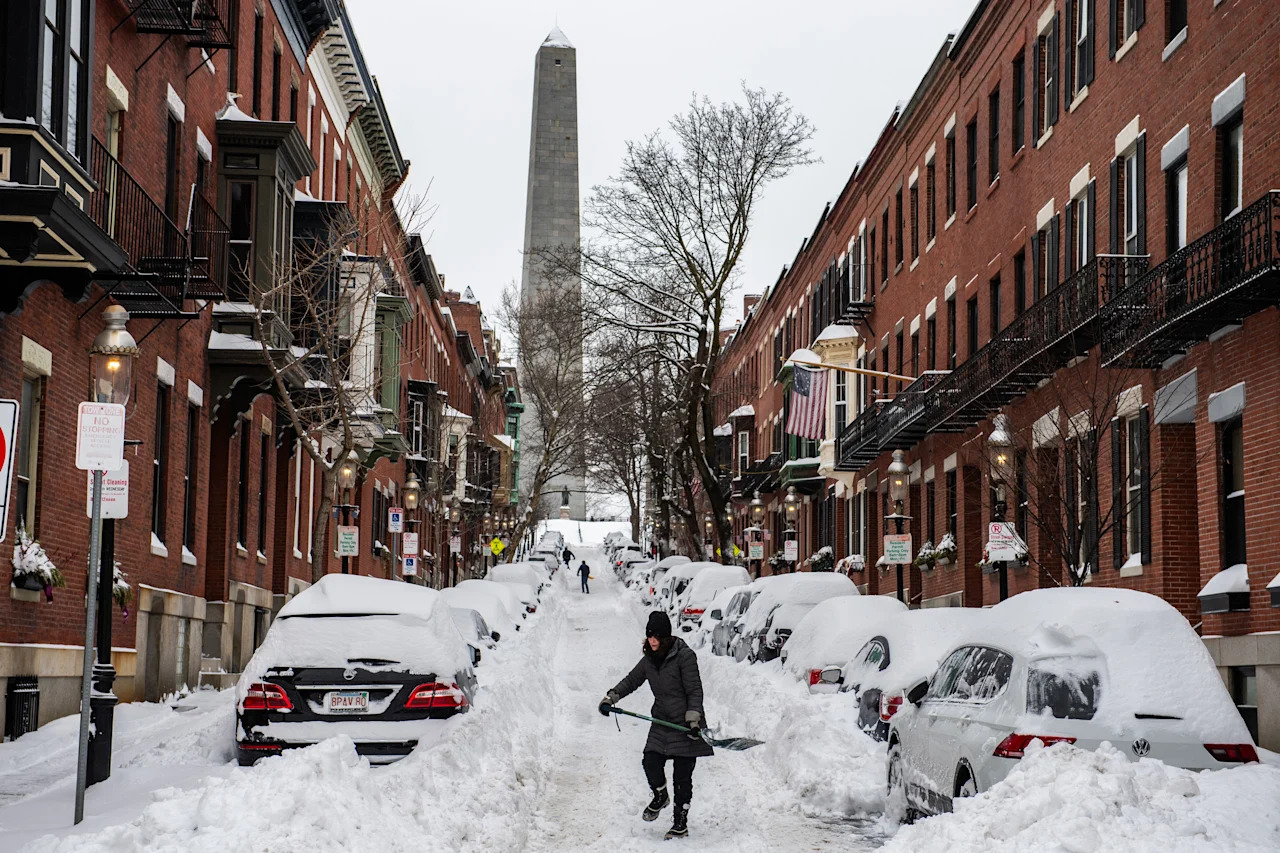
People shovel snow along a residential street in Boston on Monday.(Joseph Prezioso/AFP via Getty Images)
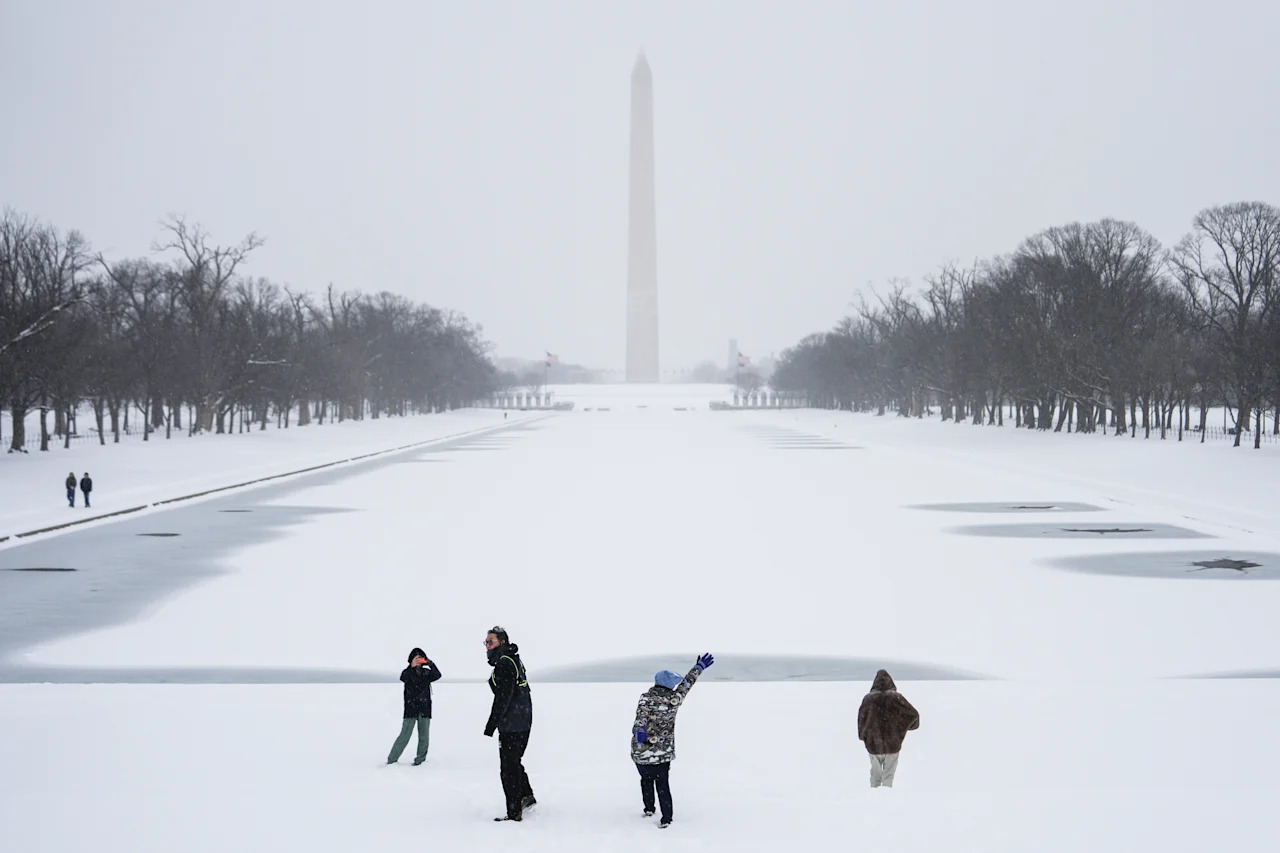
People walk along the National Mall in Washington, D.C., on Sunday.(ASSOCIATED PRESS)

Snow is cleared at Ronald Reagan Washington National Airport, on Jan. 26.(Julia Nikhinson/AP)
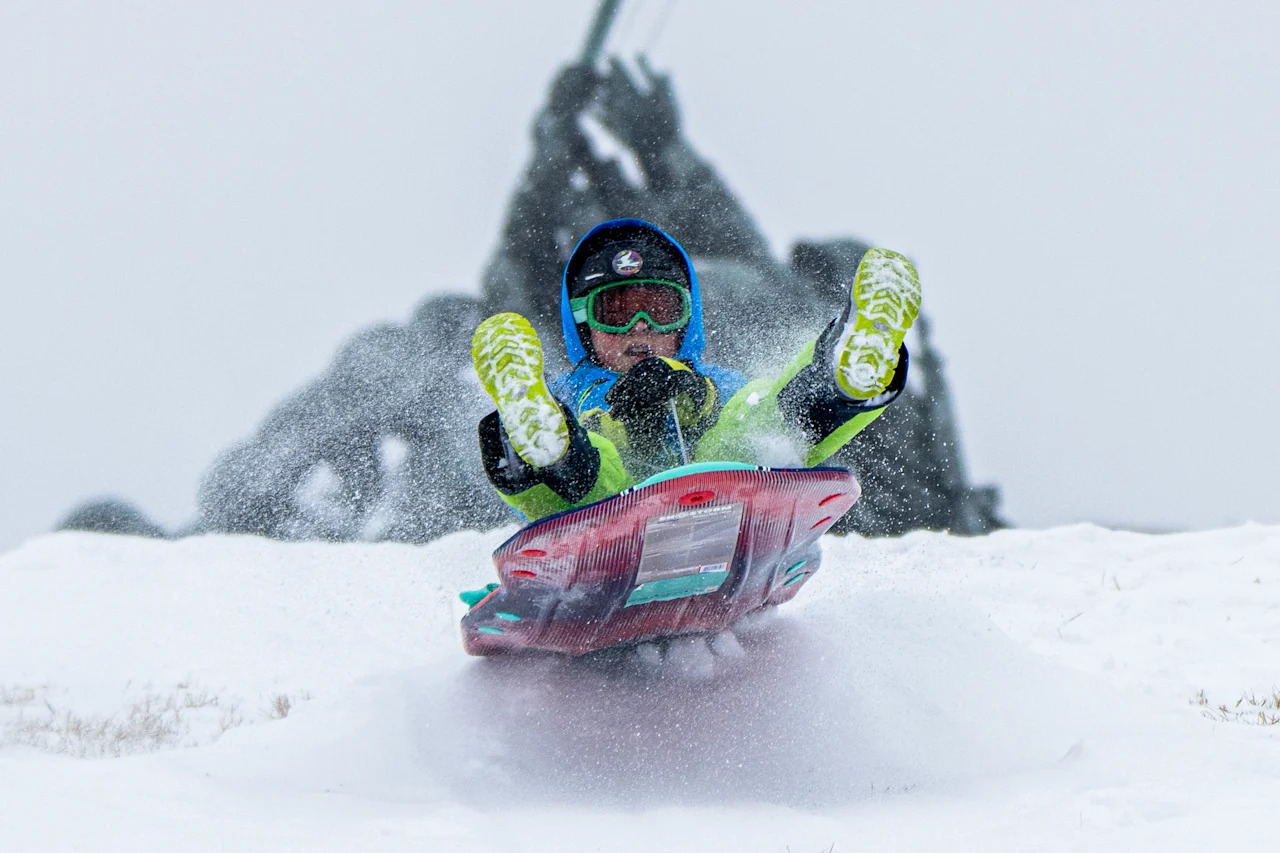
Luke, 10, sleds near the Marine Corps War Memorial in Arlington, Va., on Sunday.(Julia Demaree Nikhinson/AP)
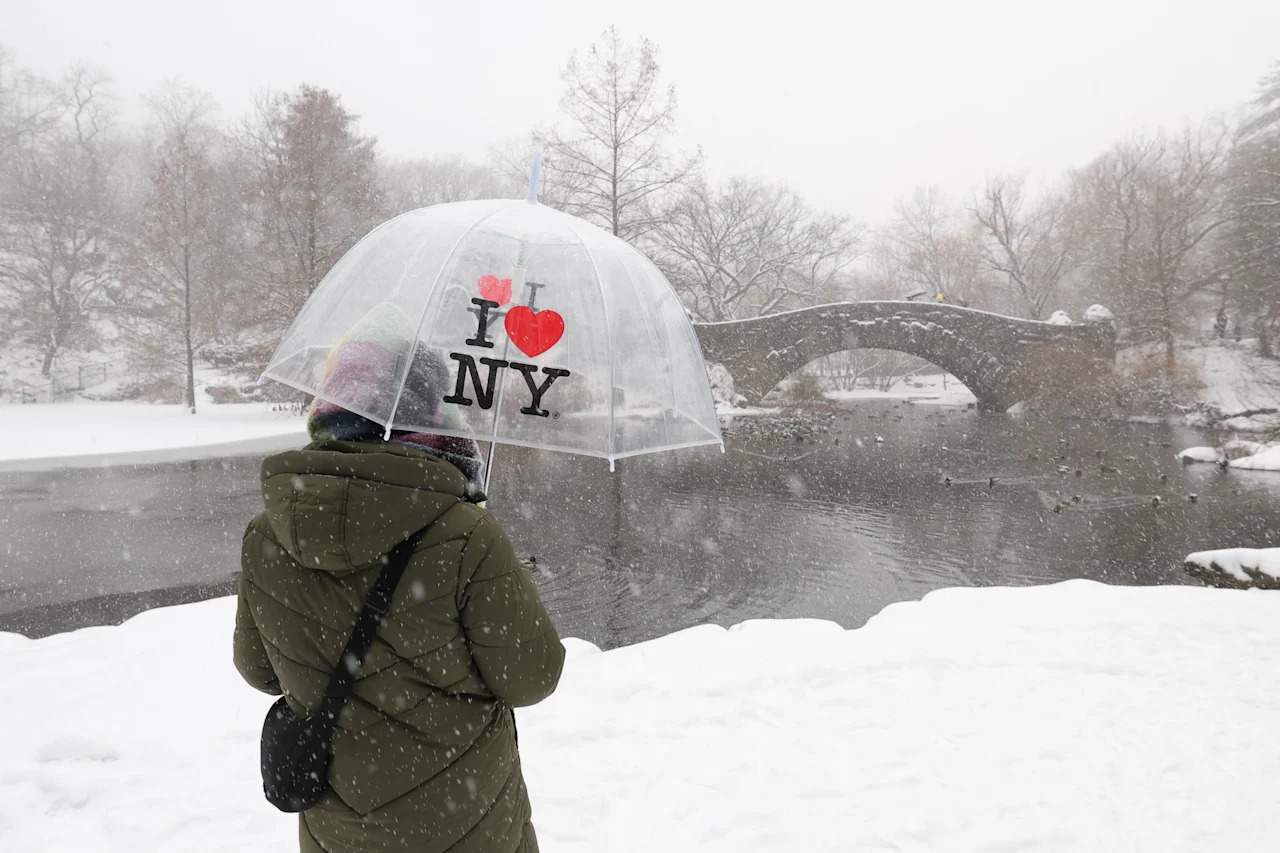
A person holds an umbrella as snow falls in Central Park on Sunday.(Timothy A. Clary/AFP via Getty Images)
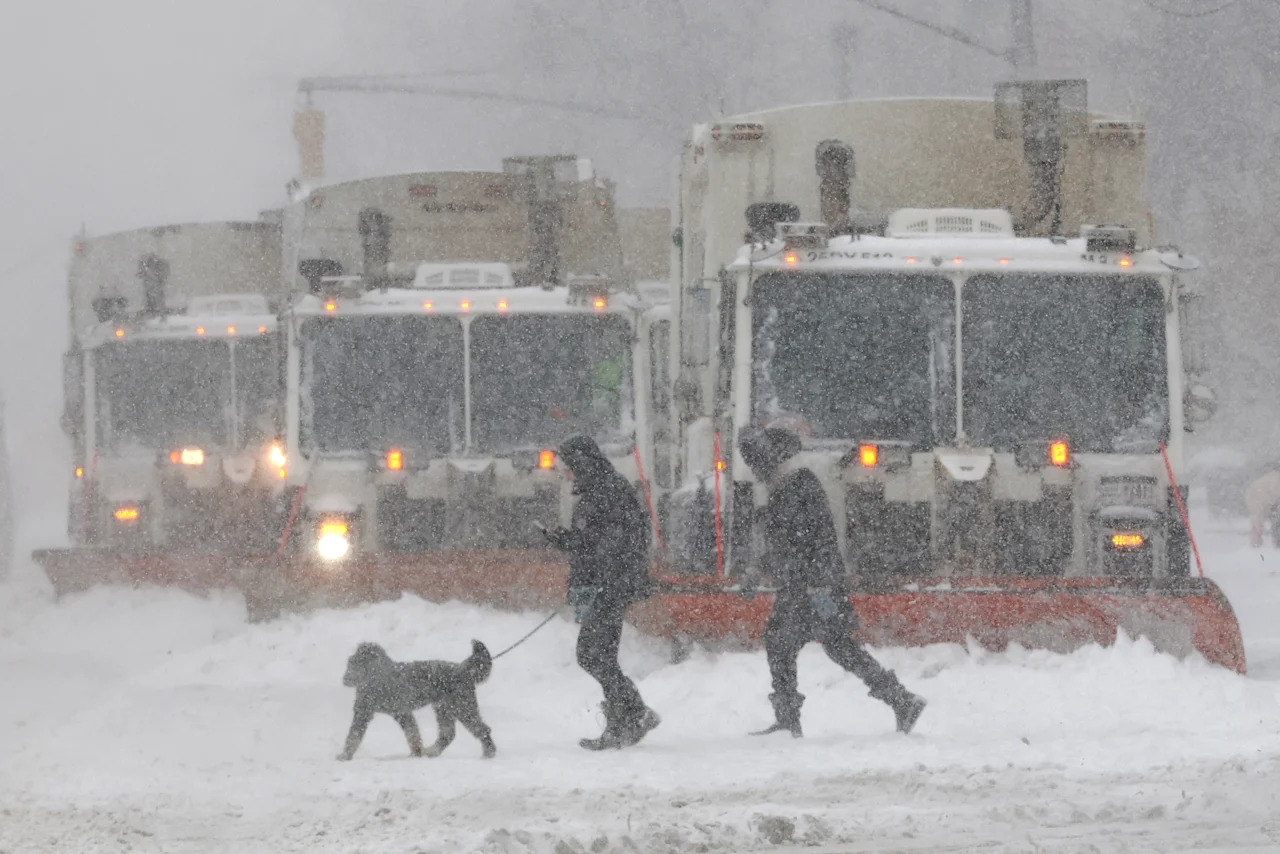
People cross a street in front of snow plows in Manhattan.(Timothy A. Cl;ary/AFP via Getty Images)
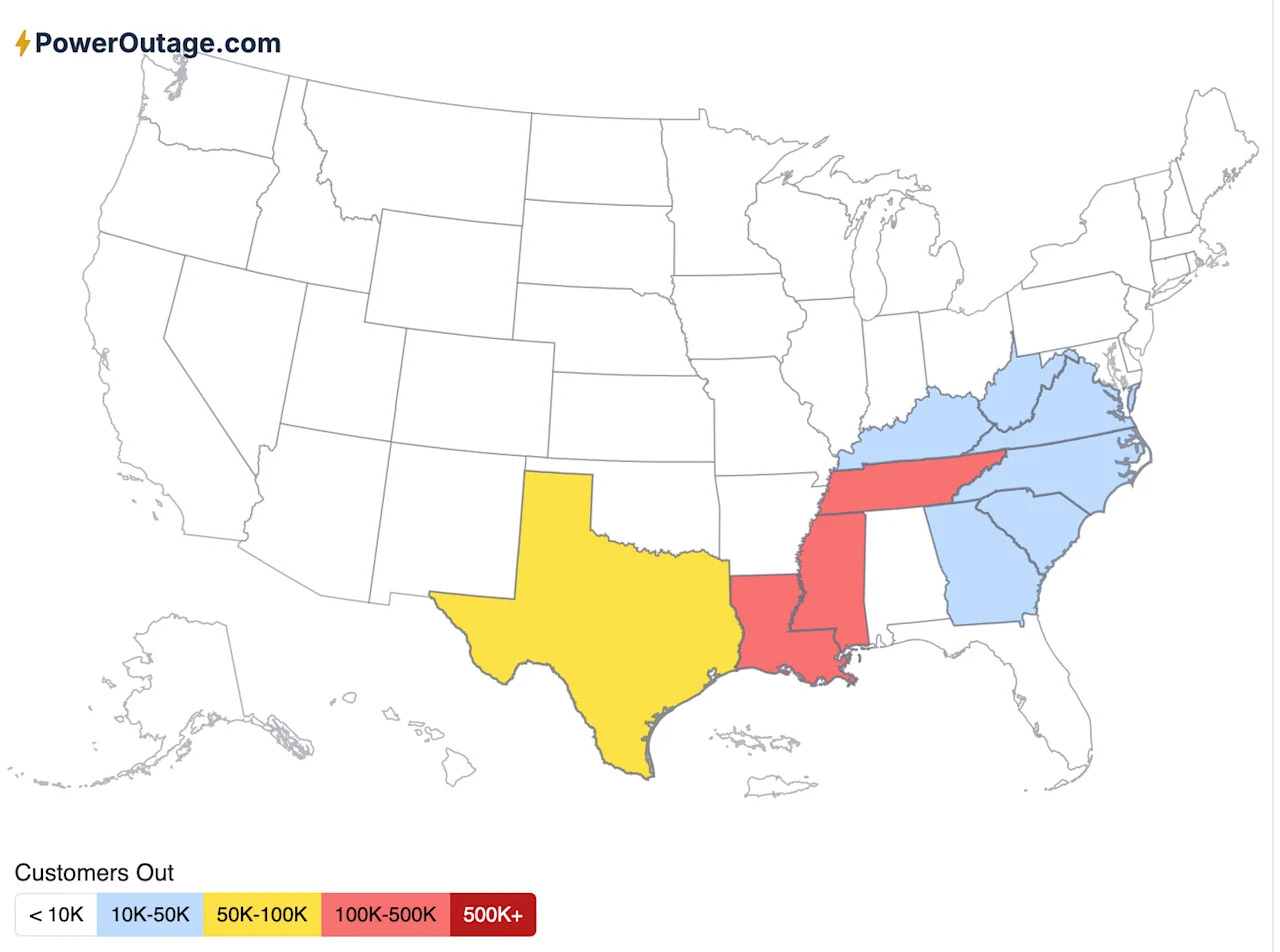
A map showing U.S. power outages in the wake of the storm.(PowerOutage.us)
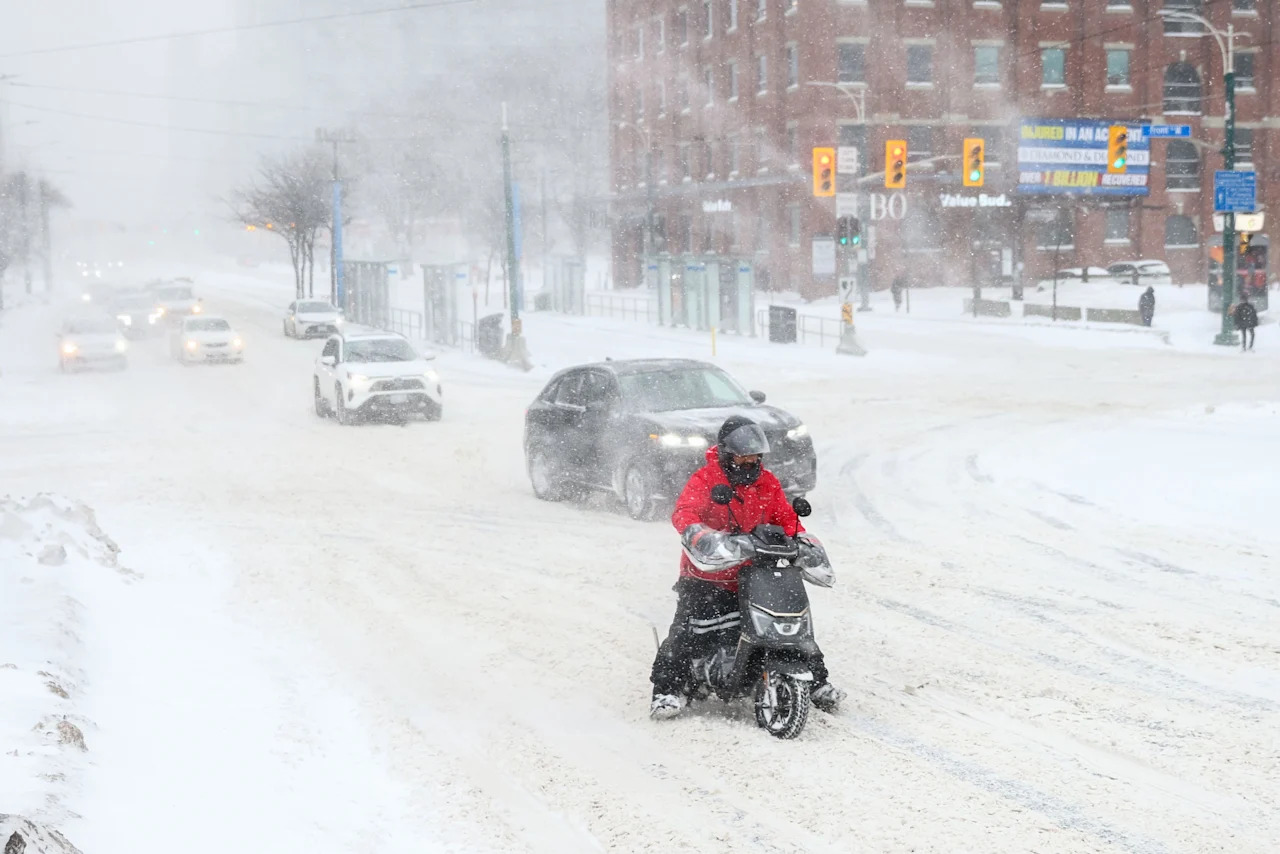
A person rides an electric scooter though downtown Toronto on Sunday.(The Canadian Press, The Canadian Press)
Help us improve.