WASHINGTON — U.S. population growth slowed to its lowest rate since the COVID-19 pandemic, driven primarily by a sharp decline in international migration, federal Census Bureau estimates released Tuesday show.
The United States added just 1.8 million people in the year ending June 2025, a 0.5% increase that brought the total population to 341.8 million. Every state except Montana and West Virginia reported slower growth compared with the prior year.
The agency also reported that global net international migration weakened over the same 12-month period, falling to 1.3 million from 2.7 million. "With births and deaths remaining relatively stable compared to the prior year, the sharp decline in net international migration is the main reason for the slower growth rate we see today," said Christine Hartley, Assistant Division Chief for Estimates and Projections at the Census Bureau.
"The sharp decline in net international migration is the main reason for the slower growth rate we see today." — Christine Hartley, U.S. Census Bureau
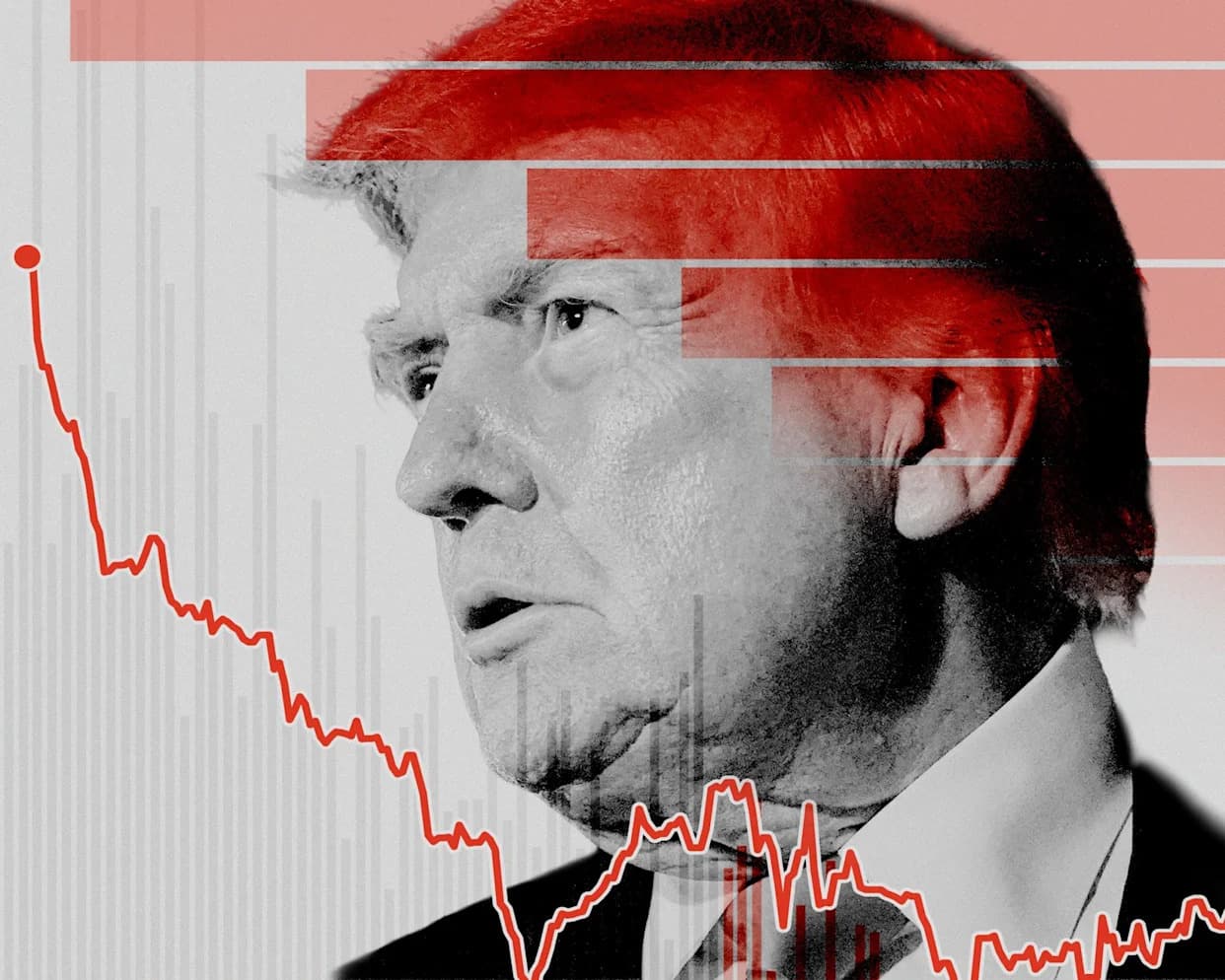
The timing of these estimates spans the last six months of President Joe Biden's administration and the first six months of President Donald Trump's current term. Immigration enforcement was a central plank of Mr. Trump's campaign, and his administration is preparing to expand Immigration and Customs Enforcement (ICE) funding in 2026 even as the agency faces public criticism after a recent incident in Minnesota in which U.S. agents killed two U.S. citizens and other shootings.
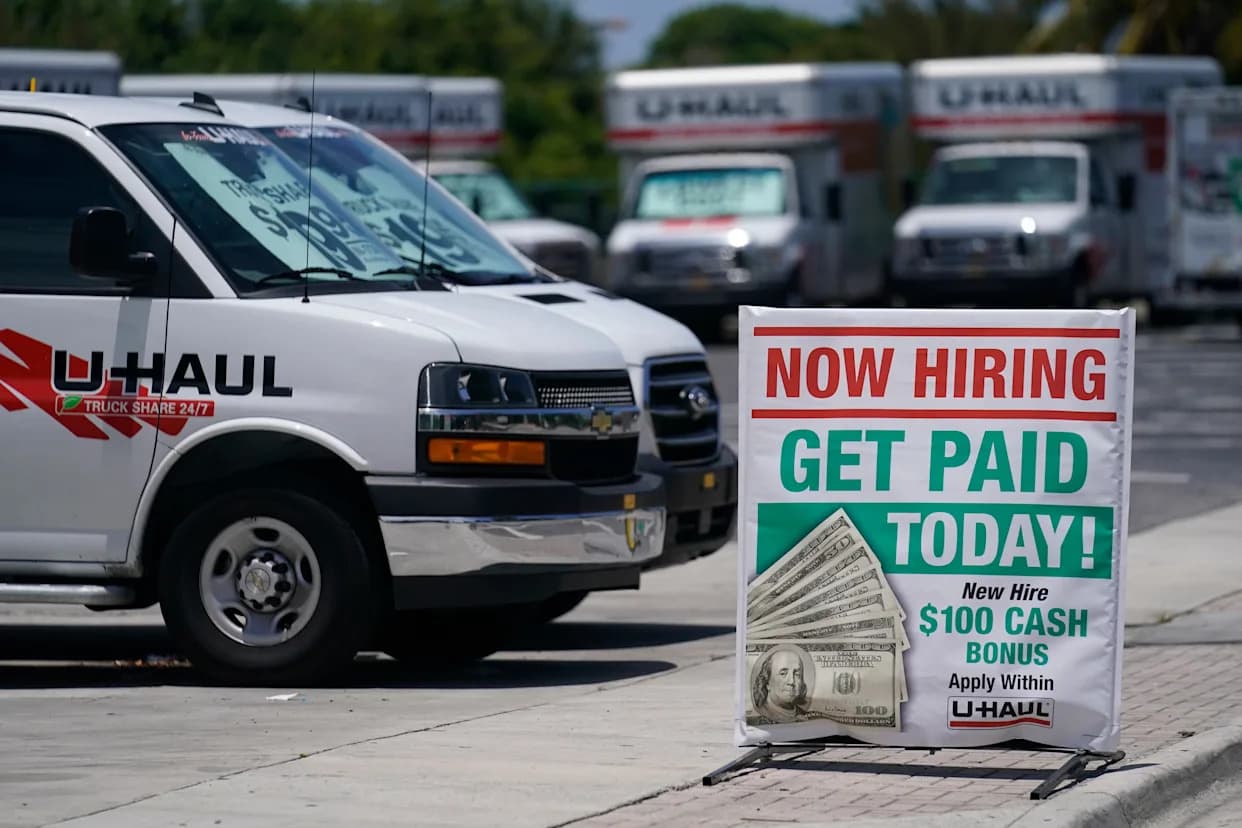
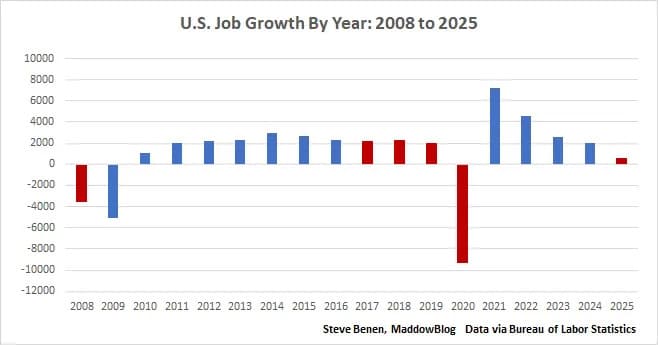
Economists say the full economic consequences of slower population growth are not yet clear, but they note that tighter immigration has already reduced labor supply in some industries — particularly construction — contributing to labor shortages and higher recruitment pressure in affected sectors.
State-Level Highlights
At the state level, South Carolina recorded the fastest population growth among the 50 states, followed by Idaho, North Carolina, Texas and Utah. States that experienced population declines included California, Hawaii, New Mexico, Vermont and West Virginia.
Florida saw a dramatic drop in domestic inflows: just 22,517 people moved to the state in the year to June 2025, compared with 183,646 in 2023 and 310,892 in 2022, the Census Bureau said.
The Census Bureau emphasized that shifting migration patterns — international and domestic — are the primary drivers of the recent slowdown in U.S. population growth. Analysts and policymakers will be watching future migration and demographic trends closely for implications on labor markets, housing demand and long-term economic growth.