The Bureau of Labor Statistics reported the U.S. added 584,000 jobs in 2025, a marked slowdown from 2024’s 2M+ and 2023’s nearly 2.6M. President Trump called the report "amazing" and said the employment numbers were "very good," a characterization that contrasts with the data. Excluding 2020, 2025 was the weakest year for job creation since 2009, and excluding recession years it was the weakest since 2003. The results undercut Trump’s 2024 promise of an immediate post-election economic "boom."
Trump Calls Weak 2025 Jobs Report 'Amazing' Despite Sharp Drop in Hiring
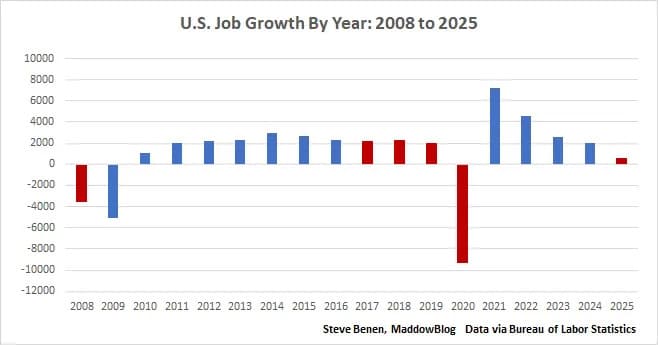
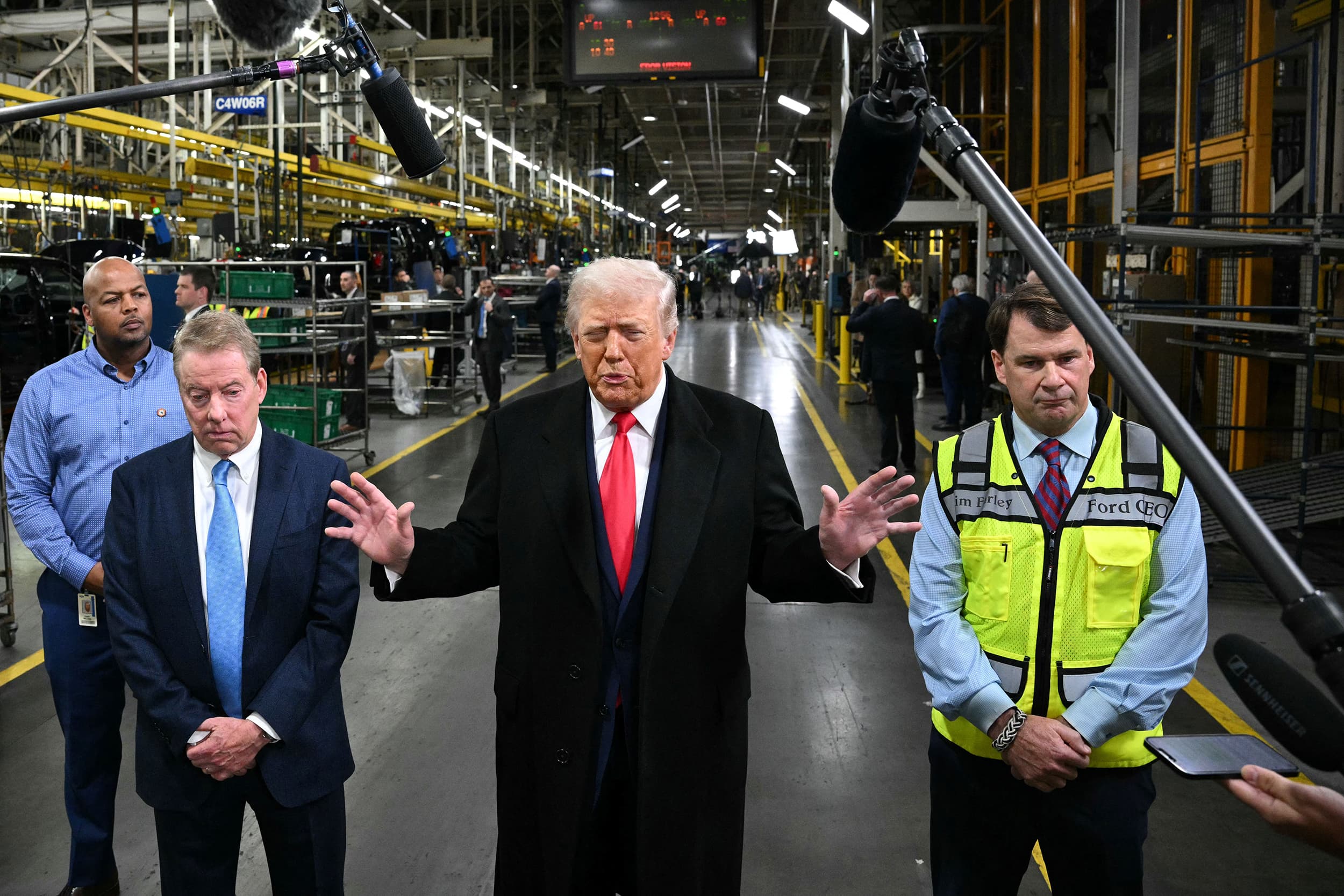
On Friday the Bureau of Labor Statistics released the latest national jobs figures, and the news was plainly discouraging: the U.S. labor market added 584,000 jobs in 2025 for the full year. Hours later, at a White House event, President Donald Trump responded to reporters’ questions about the data.
Rather than acknowledge the slowdown, the president described the report as "amazing" and said the "employment numbers are very good." That characterization sits uneasily with the underlying totals and recent trends.
Putting the numbers in context: The 584,000 jobs added in 2025 is a steep drop from the prior two years — more than 2 million jobs in 2024 and nearly 2.6 million in 2023. Analysts and headline writers noted that 2025 was the weakest year for job creation since the pandemic; when 2020 is excluded because of Covid’s extraordinary disruption, 2025 produced the fewest new jobs since 2009. Excluding years that included official recessions, it was the weakest year for job growth since 2003.
White House aides have described Trump as a "visual learner," and the article's author updated a year-by-year chart of job growth since the Great Recession: red bars for Republican administrations and blue bars for Democratic administrations. The small red bar for 2025 stands out as unusually low compared with the recent peak years.
"It's amazing," the president said of the report. "The employment numbers are very good."
For many workers, a slowdown in hiring means fewer opportunities, slower wage gains, and a tighter labor market. Politically, the numbers are significant because Trump repeatedly promised during the 2024 campaign that his second term would deliver an immediate economic "boom" starting on "Day One." The 2025 job totals fall far short of that promise.
Observers say recasting the weak year as a sign of strength is an attempt to spin disappointing data — but the plain statistics make clear why critics called the claim misleading.
Help us improve.