How the U.S. Shut Its Doors to Asylum-Seekers — The Trump administration has sharply curtailed access to U.S. asylum through border turnbacks, restrictive rules and agreements with roughly 20 third countries. Notable among these actions was the transfer of nearly 230 Venezuelans to El Salvador, a move that independent reporting says involved many people without U.S. criminal convictions. These measures have driven border crossings and asylum releases to record lows, complicated legal challenges by moving removals beyond U.S. jurisdiction, and risk encouraging similar policies abroad.
How the U.S. Shut Its Doors to Asylum-Seekers: Inside the Policy Shift and Its Global Consequences

Asylum-seekers gather outside a US customs office in Tijuana, Mexico, shortly after President Donald Trump was inaugurated in January 2025. | Robert Gauthier/Los Angeles Times via Getty Images
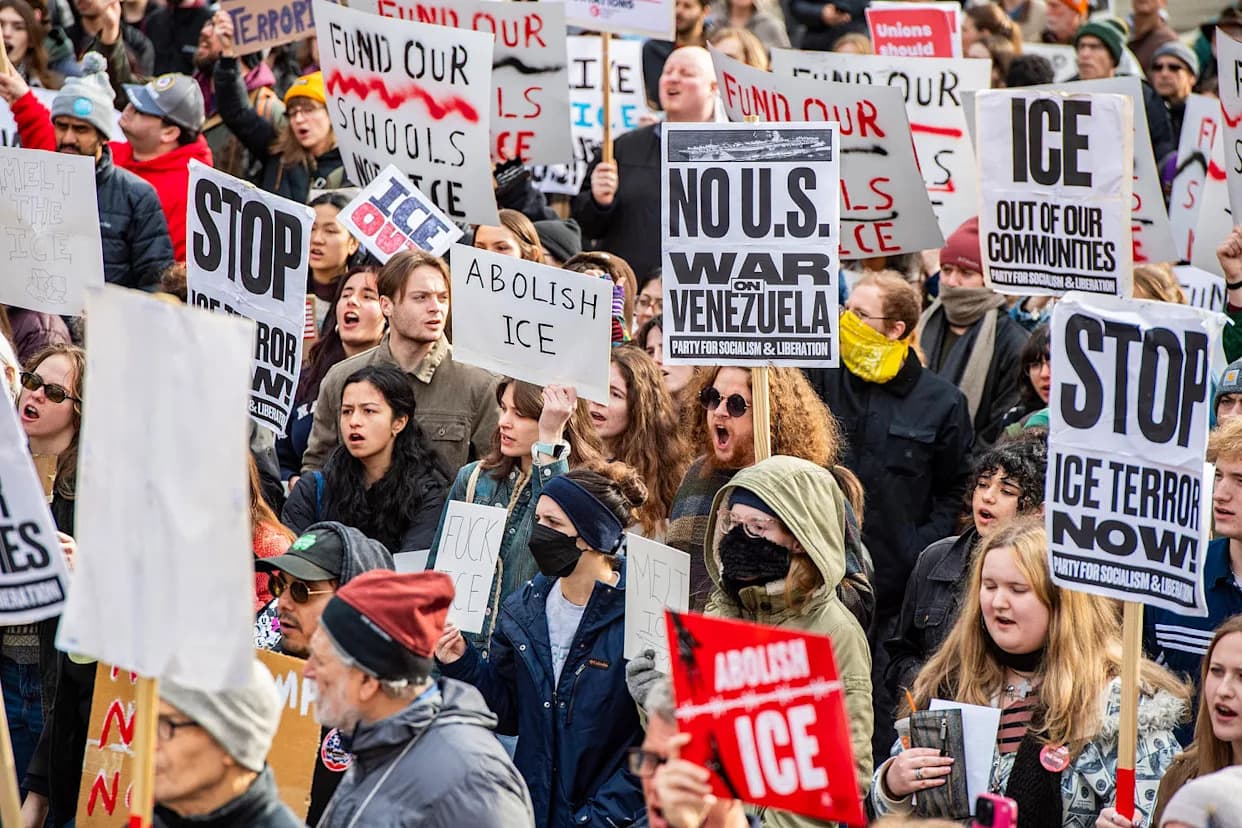
When Donald Trump re-emerged on the national stage more than a decade ago, tightening U.S. borders and overhauling immigration policy became central promises of his platform. A year into his second administration — and set against recent events in Minneapolis — immigration and asylum policy have become defining themes that are reshaping America’s direction.
What Changed
One of the most consequential shifts has been a systematic narrowing of access to asylum — the legal protection afforded to people who fear persecution in their home countries. The administration has pursued a range of measures to reduce arrivals, restrict who can apply for protection, and, in many cases, remove people from U.S. territory altogether.
Third-Country Deportations
A particularly novel and controversial tactic has been the use of agreements with third countries to deport migrants who never lived in — or intended to resettle in — those countries. According to reporting by ProPublica, the administration has signed such arrangements with roughly 20 nations, including distant partners such as South Sudan and Uganda.
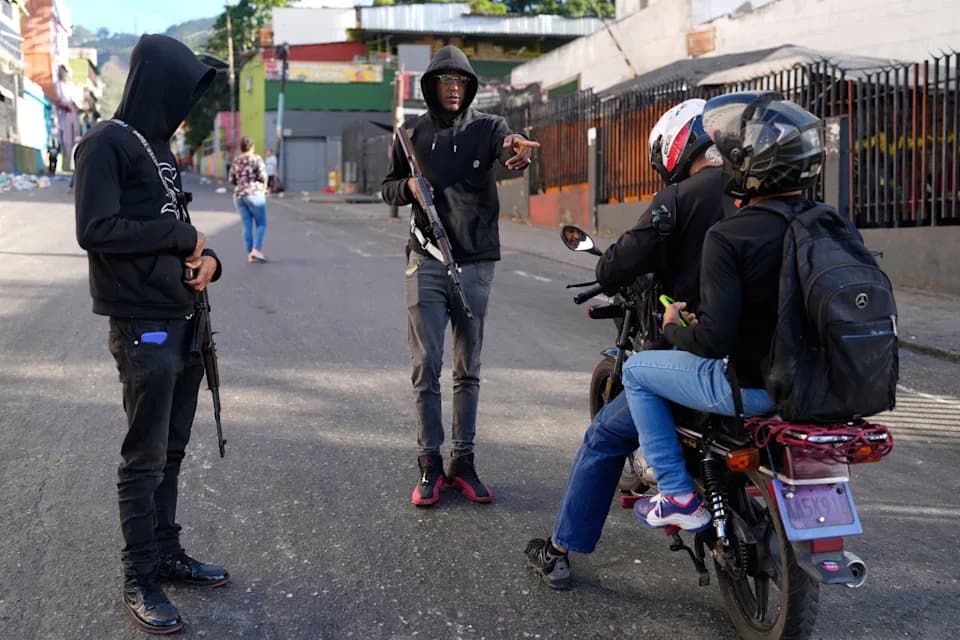
One high-profile action involved the transfer of nearly 230 Venezuelan nationals to a maximum-security prison in El Salvador. The administration said they were dangerous gang members; independent reporting found that most had not been convicted of crimes in the United States. Many were detained for months and later released as part of a prisoner exchange.
These transfers are unprecedented at this scale and are now facing legal challenges. But once people are outside U.S. territory, the practical reach of U.S. courts is limited, leaving many deportees in precarious situations.
How the System Worked Before
Under U.S. law, individuals may present themselves at the border and request asylum if they fear persecution for reasons such as race, religion, nationality, political opinion, or membership in a particular social group. That claim triggers immigration proceedings that can take years — a process intended to give applicants time to gather evidence and make their case.
During the Biden administration there was a sharp surge in people arriving at the border and surrendering to authorities to assert asylum claims. Border facilities were overwhelmed and many migrants were released into the country while they awaited hearings. Advocates and officials agree that the surge included both people with legitimate claims and others fleeing economic collapse or instability that does not neatly meet the legal definition of persecution.
How Migrants Learned the Routes
Information about how to reach the U.S. border spreads through a patchwork of channels: WhatsApp groups, social media influencers, word-of-mouth and smugglers. Migrants from South America, parts of Africa and Asia undertook perilous journeys — walking through the Darién Gap, taking costly flights and charters, or going into heavy debt — believing they might be allowed to claim asylum.
Results and Legal Implications
The combined policies — turnbacks at the border, third-country deportations, and other restrictions — have contributed to a sharp decline in recorded border crossings and in the number of people released into the U.S. asylum system. Critics argue that these rules block many legitimate claimants and erode longstanding asylum protections.
Because many removals occur outside U.S. territory, legal challenges face jurisdictional limits. Executive actions can be overturned by courts or reversed by a future administration, but lasting reform would require bipartisan legislation — a prospect that has repeatedly stalled in Congress.
Global Consequences
These policies arrive during a global surge in displacement from conflict and instability. As the United States tightens asylum access, other countries — in Europe and beyond — may adopt similar stances, potentially weakening international norms that have long protected refugees.
What to Watch
Key issues to follow include ongoing court challenges, the details and durability of third-country agreements, humanitarian conditions for deported migrants, and any congressional efforts to enact durable asylum reform. The human stakes remain high: policy changes determine whether people fleeing real danger can find refuge.
Help us improve.