October data show a slowdown in apartment construction that could reverse 2025's rent relief. Housing starts fell about 11% year over year and completions plunged roughly 42%, even as permits edged up. Because projects often take 18+ months from permit to completion, supply may remain constrained in 2026, lifting demand and putting upward pressure on rents—especially in dense metro areas.
Rent Relief in 2025 May Be Temporary as Apartment Construction Slows — Supply Could Tighten in 2026
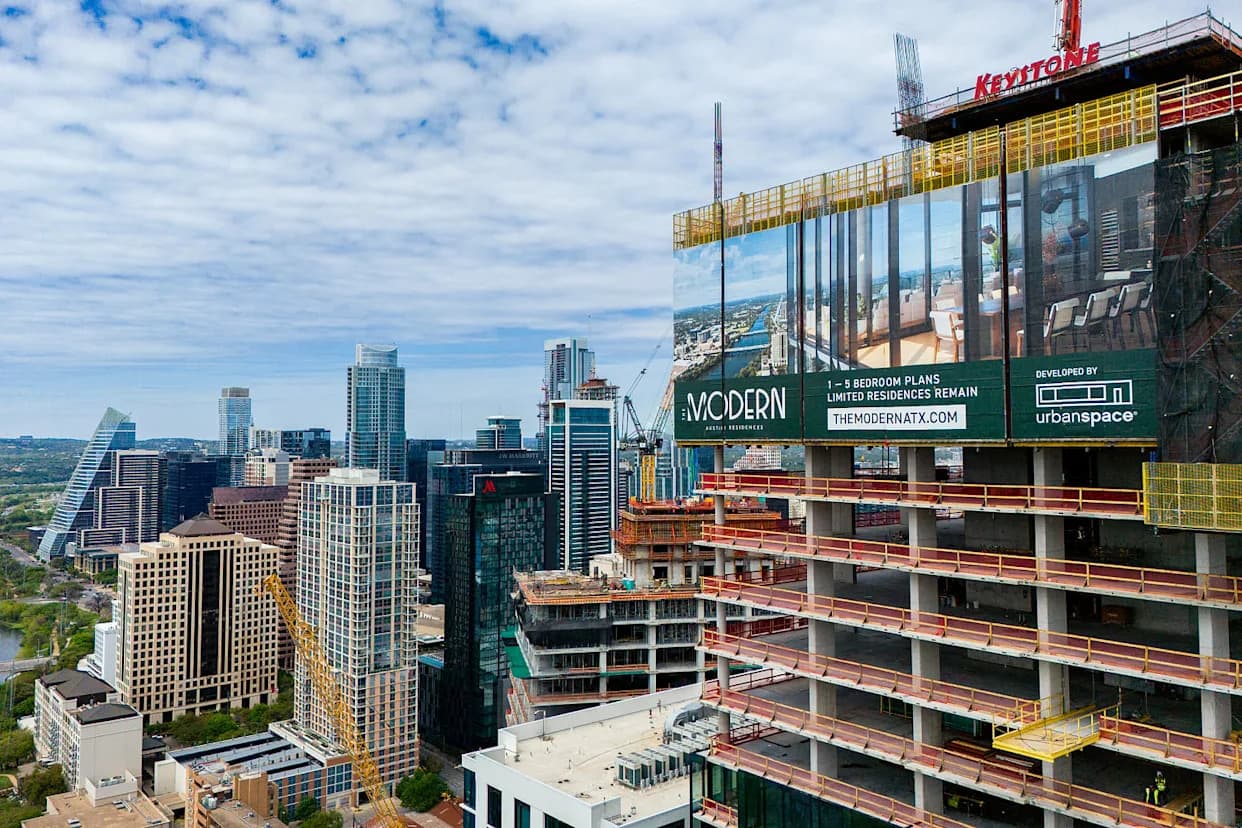
Apartments are under construction in downtown Austin, Texas, in 2024. (Brandon Bell / Getty Images)
Renters across the United States found some relief in 2025 after a wave of newly completed apartments helped push rents down in many markets. But new government data suggest that easing may be short-lived: apartment construction activity cooled in 2025, which could limit new supply in 2026 and put upward pressure on rents—especially in dense metropolitan areas.
What the Data Shows
October data from the U.S. Census Bureau and the U.S. Department of Housing and Urban Development show two key measures of apartment construction declined year over year. Housing starts — which track the start of new construction — fell nearly 11% compared with October 2024. Completions — newly finished units ready for the market — plunged about 42% from a year earlier. At the same time, permits authorizing new apartment construction ticked up, suggesting builders have projects lined up for the future.
Why This Matters
Permits do not produce immediate supply. It can take 18 months or more to move from a permit to a finished building, meaning the recent rise in permits is unlikely to translate into a sudden increase in available units in 2026. Following a large surge in completed projects in 2024, homebuilders launched fewer projects in 2025, so fewer units are likely to reach the market next year.
Drivers Behind the Slowdown
Industry experts point to higher development costs as a major factor. Elevated interest rates, rising wages, increased fees and pricier materials have squeezed developers' margins and made new projects less financially attractive—especially in expensive, dense metropolitan markets.
“Fewer housing projects are being started and fewer are being completed, which goes to show that the pandemic building boom is over,” said Daryl Fairweather, chief economist at Redfin. “This will limit inventory of both homes for sale and rent moving forward, which will exacerbate the housing shortage.”
Where Construction Has Held Up
Construction activity grew in smaller towns and secondary cities—particularly in parts of the Sunbelt and the Midwest—where land and development costs are lower and zoning rules are often less restrictive. Robert Dietz, chief economist at the National Association of Home Builders, also noted shifting commuting and work patterns could lift demand in inner suburbs and central counties if return-to-office trends continue.
Rent Trends And What Renters Can Expect
Realtor.com data for November show the national average rent across the 50 largest U.S. metros fell about 1% year over year, with markets such as Austin and Denver seeing notable declines. By contrast, dense coastal and large-city markets including New York, Washington, D.C., Chicago and San Francisco saw little change or modest rent gains.
Analysts warn that if construction remains muted while many potential buyers remain priced out of homeownership, rental demand could rise and competition for available units will increase. Expect sharper pressure on rents where supply is tight and continued growth in shared and intergenerational living arrangements.
Outlook
Looking ahead, experts expect apartment construction to be relatively flat in 2026. Though the 2024 surge left some extra inventory and permits point to more projects down the line, the gap between current supply and future completions could create tighter rental markets in the near term.
Originally published on NBCNews.com. Sources: U.S. Census Bureau, U.S. Department of Housing and Urban Development, Redfin, National Association of Home Builders, Realtor.com.
Help us improve.