False alarm: A viral social-media post claimed Earth would lose gravity for seven seconds on Aug. 12, 2026 and that NASA had secretly planned an $89 billion "Project Anchor" to protect elites. Snopes confirmed with NASA that no loss of gravity will occur; the only scheduled event that day is a total solar eclipse, which does not change gravity. The rumor spread quickly due to sensational claims, anonymous accounts, and the potential amplification of AI-generated images, but the scenario contradicts basic physics.
NASA Debunks Viral Claim That Earth Will 'Lose Gravity' for Seven Seconds on Aug. 12, 2026

A crowded street in New York. - Drazen_/Getty Images
Social media rang in the new year with a dramatic viral claim: that Earth would briefly lose gravity for seven seconds on Aug. 12, 2026, and that NASA quietly prepared an $89 billion "Project Anchor" to protect elites during the event. Two weeks after the post went viral, Snopes confirmed with a NASA spokesperson that no such loss of gravity will occur; the only notable celestial event on that date is a total solar eclipse, which does not affect Earth's gravity.
What NASA Said
"The Earth will not lose gravity on Aug. 12, 2026. Earth's gravity, or total gravitational force, is determined by its mass. The only way for the Earth to lose gravity would be for the Earth system, the combined mass of its core, mantle, crust, ocean, terrestrial water, and atmosphere, to lose mass. A total solar eclipse has no unusual impact on Earth's gravity. The gravitational attraction of the Sun and Moon on the Earth, which doesn't impact Earth's total gravity, but does impact tidal forces, is well understood and is predictable decades in advance."
Why the Claim Is Physically Impossible
Gravity at Earth's surface is determined by the planet's mass and its distribution. A temporary disappearance of gravity would require the Earth to lose a large portion of its mass in an instant — an outcome that is not supported by physics or by any observed astronomical process. The viral post blamed gravitational waves from two black holes; while gravitational waves do pass through Earth, their effects are minuscule and cannot switch off planetary gravity or lift people and buildings tens of feet into the air.
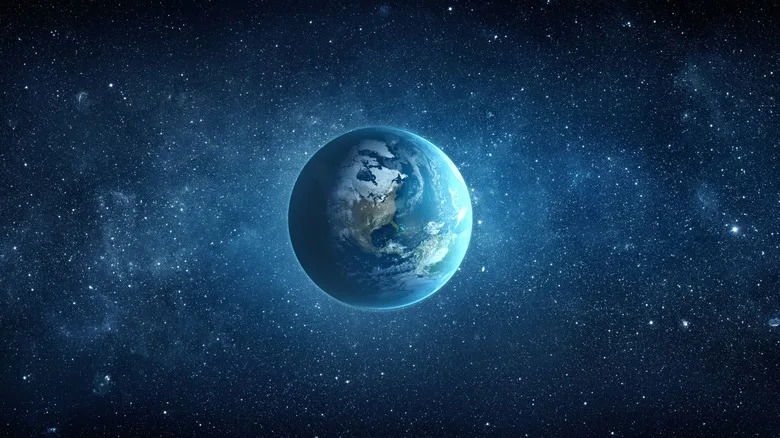
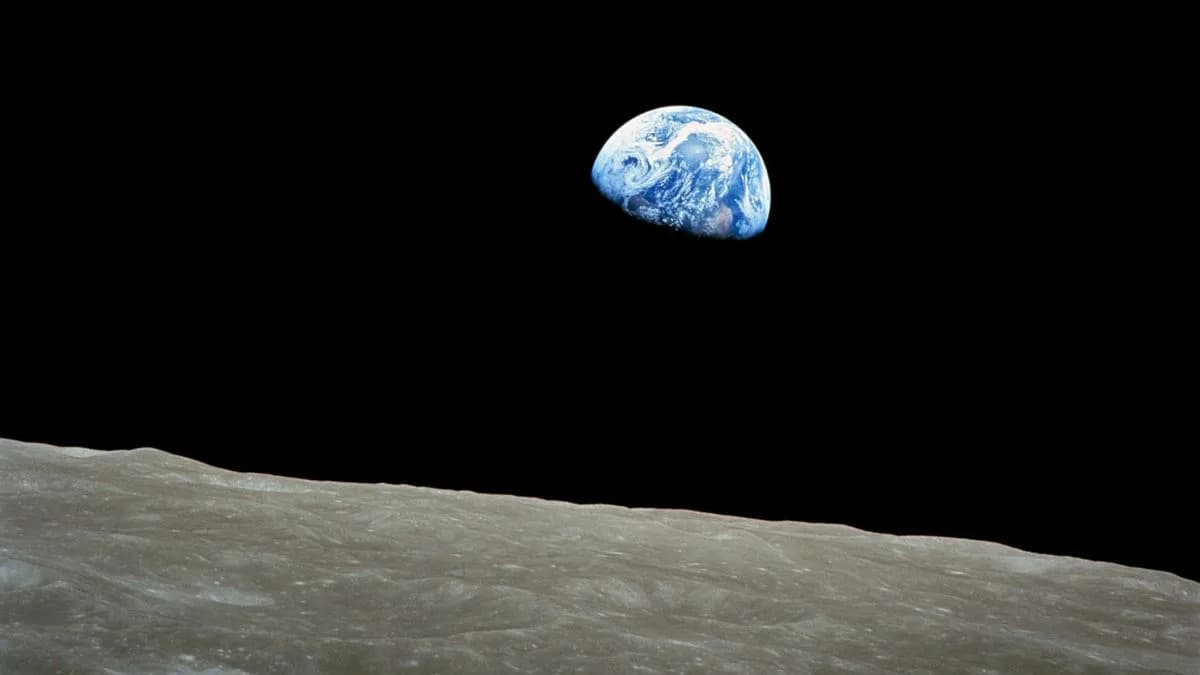
Planet Earth viewed from space. - Triff/Shutterstock
How the Rumor Spread
The earliest traced post appeared on Instagram on Dec. 31, 2025, and the account deleted itself a few days later. The post, attributed to a user named "mr_danya_of," claimed a leaked "Project Anchor" (allegedly revealed online in November 2024) had an $89 billion budget and would shelter select people during a "7-second gravitational anomaly expected on August 12, 2026, at 14:33 UTC." The post described catastrophic effects — unsecured objects and people supposedly rising about 50–66 feet, 40–60 million deaths, and a decade-long economic collapse — and said NASA had five years' prior knowledge.
Despite the account's deletion, the claim spread across multiple platforms. Contributing factors included sensational wording, recycled conspiracy tropes, and the potential use of AI tools to generate convincing imagery or video. The post even referenced AI models (named in the original reports), illustrating how advanced tools can amplify false claims.
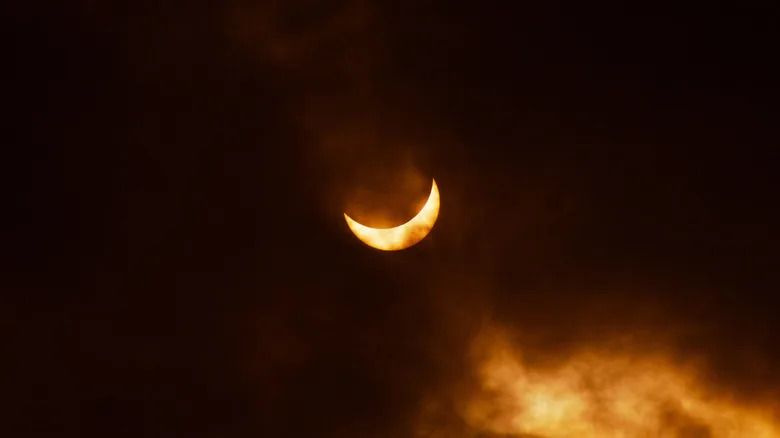
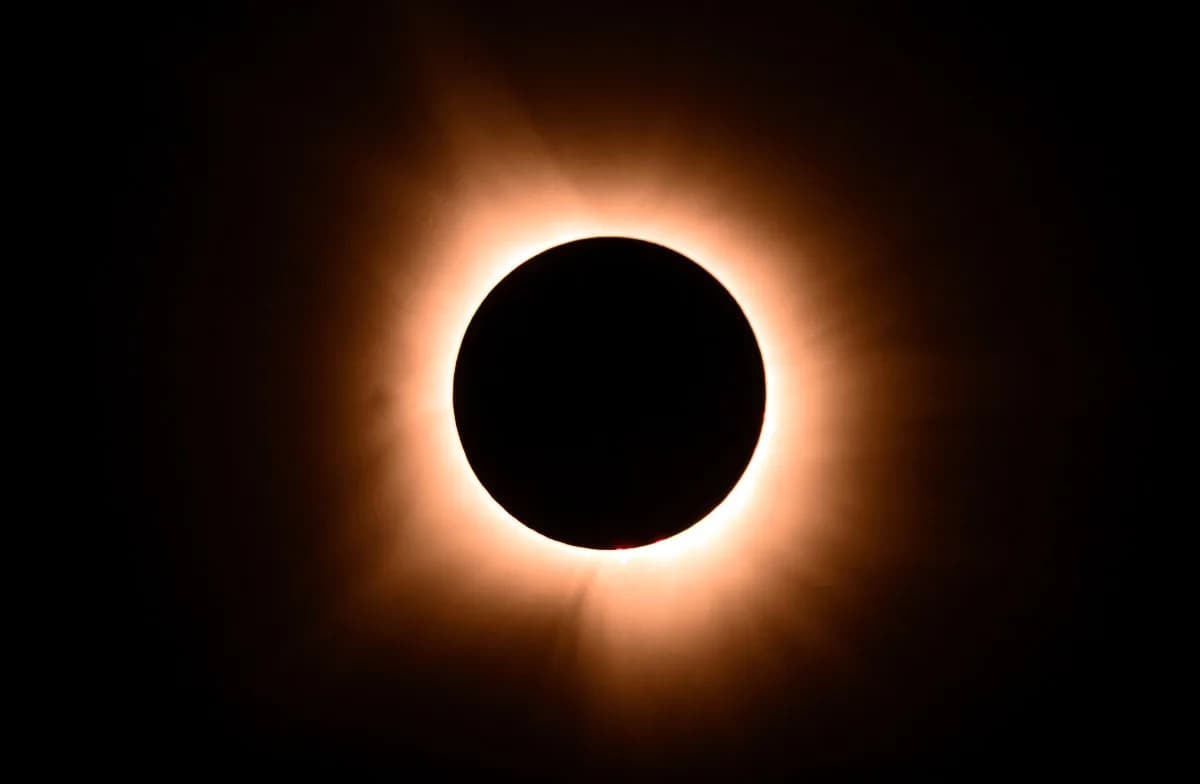
The total solar eclipse in 2024. - Ryan Raake/Shutterstock
What To Do
Trust reputable sources and basic physics when evaluating dramatic social-media assertions. Snopes' fact-check and NASA's statement are reliable clarifications: the only verified event on Aug. 12, 2026, is a total solar eclipse — an alignment that affects light and shadow but not Earth's gravity. Be cautious about resharing alarming claims from anonymous or deleted accounts, and verify extraordinary stories before amplifying them.
Bottom line: The claim that Earth will lose gravity for seven seconds on Aug. 12, 2026 is false.
Help us improve.