Gaza residents are cautiously hopeful that the Rafah crossing with Egypt will reopen for pedestrians, offering the first real opportunity for family reunions, medical travel and study abroad since its closure in May 2024. Israeli authorities linked a limited reopening to the recovery of the last hostage's remains; Palestinian officials say travel could resume within days for patients, students and holders of foreign residencies. Humanitarian groups continue to press for a full reopening to allow unrestricted aid and reconstruction supplies amid severe casualties and urgent needs.
Hope and Uncertainty as Rafah 'Lifeline' Prepares to Reopen for Pedestrians
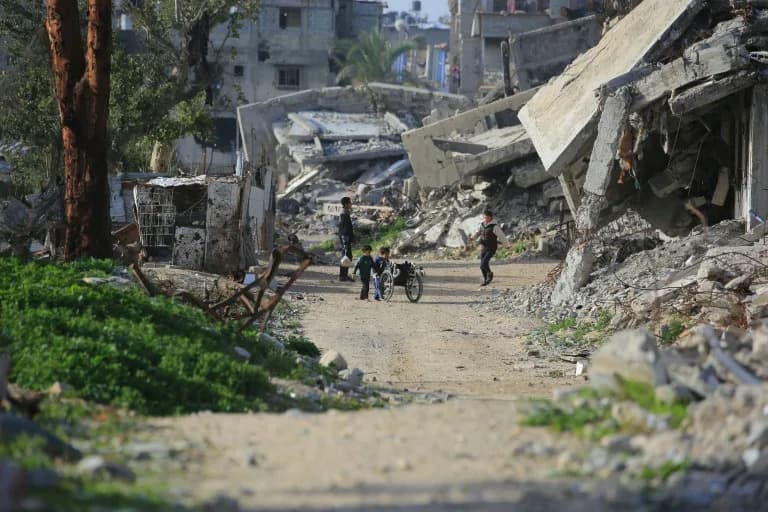
A US-brokered ceasefire took effect in Gaza in October (Bashar Taleb)(Bashar Taleb/AFP/AFP)
With Gaza's Rafah border crossing with Egypt expected to reopen soon, many residents say they are cautiously hopeful—dreaming of family reunions, medical treatment abroad, or the chance to resume schooling after years of separation and devastation.
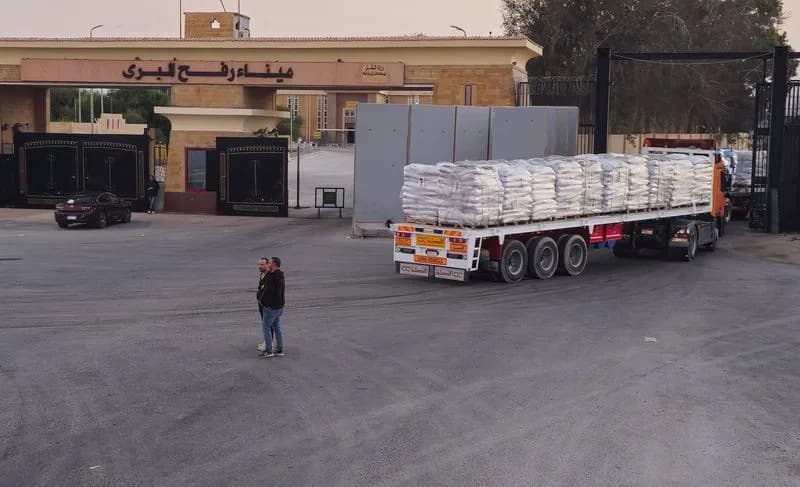
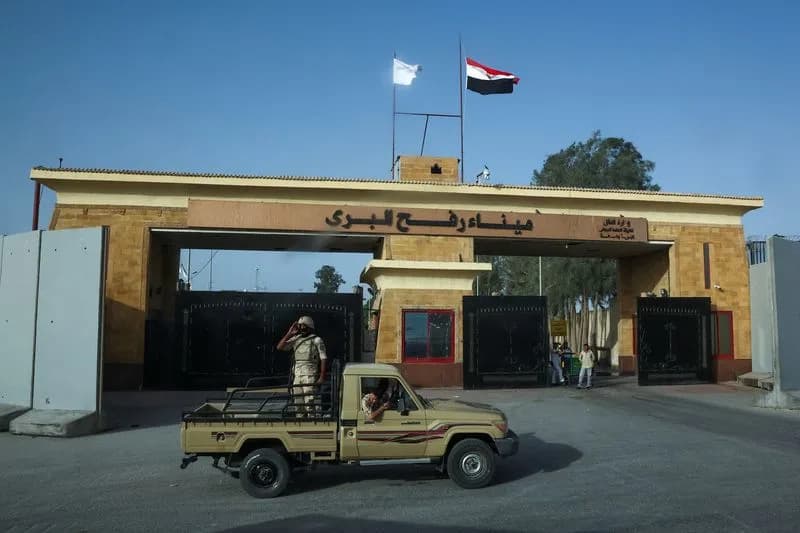
The Rafah crossing is Gaza's only gateway to the outside world that does not pass through Israel, making it vital for the movement of people and for the delivery of goods. It has been closed since Israeli forces took control in May 2024, apart from a limited pedestrian opening in early 2025; other attempts to resume crossings have so far failed to take hold.
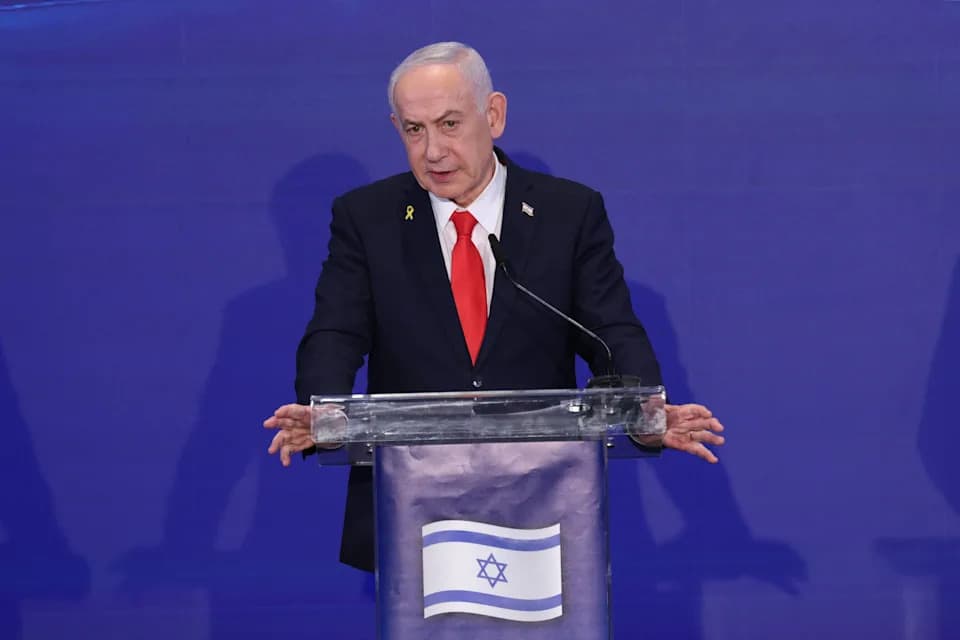
Following a US-brokered ceasefire that took effect in October, and reported pressure from visiting US envoys, Israeli authorities have signalled that Rafah could reopen for pedestrians. Israeli officials tied the initial, "limited reopening" to the recovery of the remains of the last hostage, Ran Gvili; his remains were returned to Israel shortly after that announcement.
Who Will Be Allowed Out First?
Palestinian officials working with the National Committee for the Administration of Gaza (NCAG) say the reopening would initially allow outward travel for specific categories: patients and the injured in need of treatment, students with university admissions and valid visas, and holders of Egyptian or other foreign citizenships or residency permits. The technocratic committee created under the ceasefire will reportedly compile traveller lists and send them to Israeli authorities for approval.
Lives on Hold: Personal Stories
For many Palestinians, reopening Rafah is literally a door back to life. "Opening the Rafah crossing means opening the door to life for me. I haven't seen my wife and children for two years," said Mahmud al-Natour, 48, from Gaza City. "My children are growing up far away from me," he added.
Others worry they will not qualify to travel. Randa Samih, 48, has applied for an exit permit to treat a debilitating back injury but fears her condition may not be deemed urgent amid tens of thousands of other injuries. "We'll die or our health will decline before we get to travel," she said.
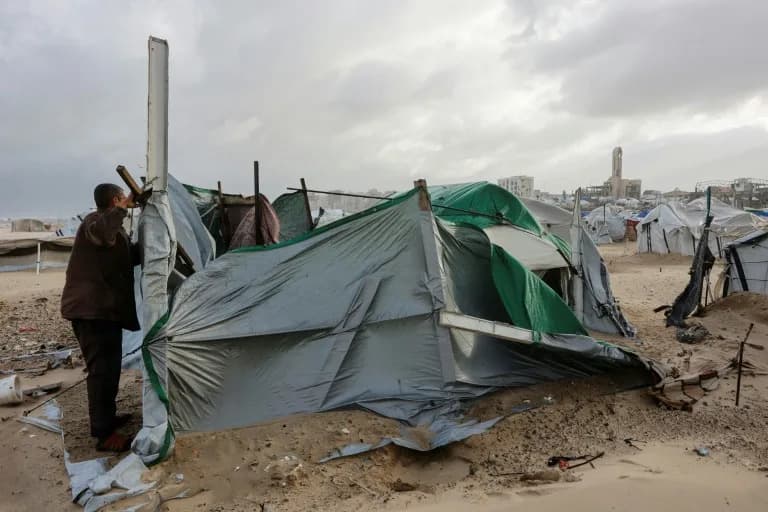
Young people also pinned hopes on Rafah. Eighteen-year-old Gharam al-Jamla, displaced and living in a tent in southern Gaza, said she had received initial university offers in Turkey and planned to study journalism before returning to amplify Gaza's stories. Mohammed Khaled, also 18, hopes to get surgery to remove shrapnel from a war injury and to reunite with his mother and sisters after two years apart.
Calls For A Full Reopening
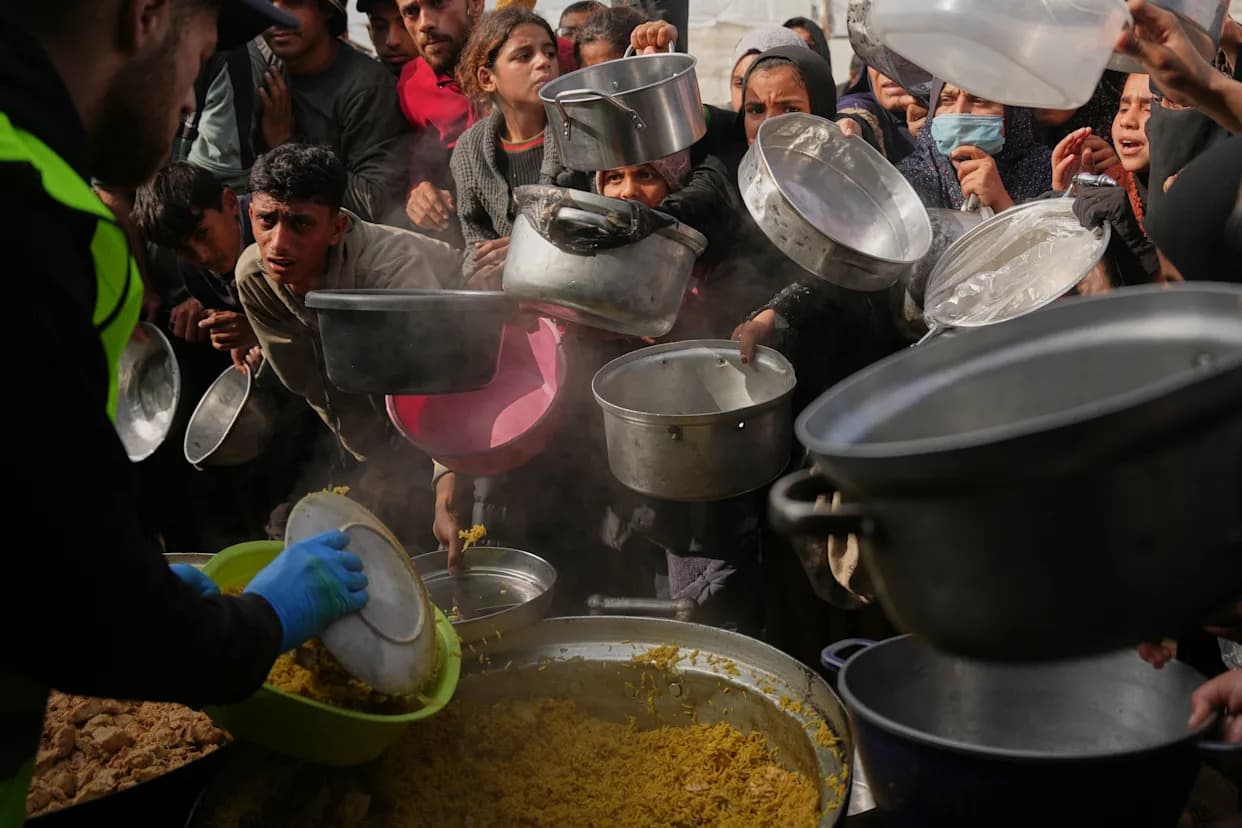
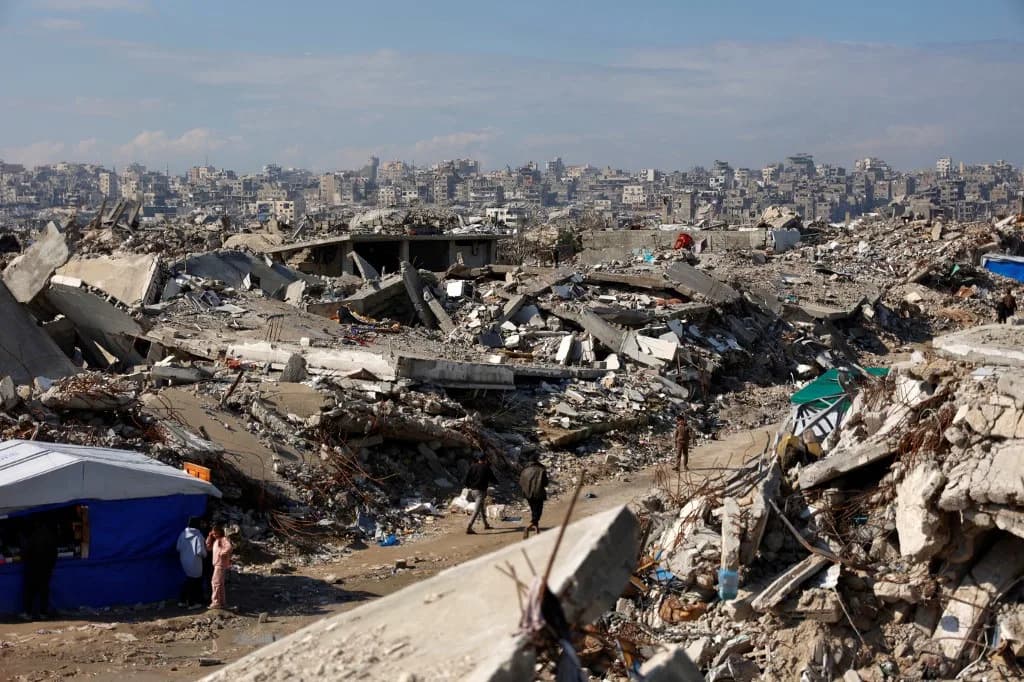
Gaza's civil defence spokesman, Mahmud Bassal, called for the crossing to be fully reopened to allow an unrestricted flow of humanitarian aid and reconstruction equipment. He warned that thousands of bodies remain under rubble and that rescue and recovery efforts need far greater resources. The Gaza civil defence operates as a rescue force under local authorities.
Casualty Figures And Attribution
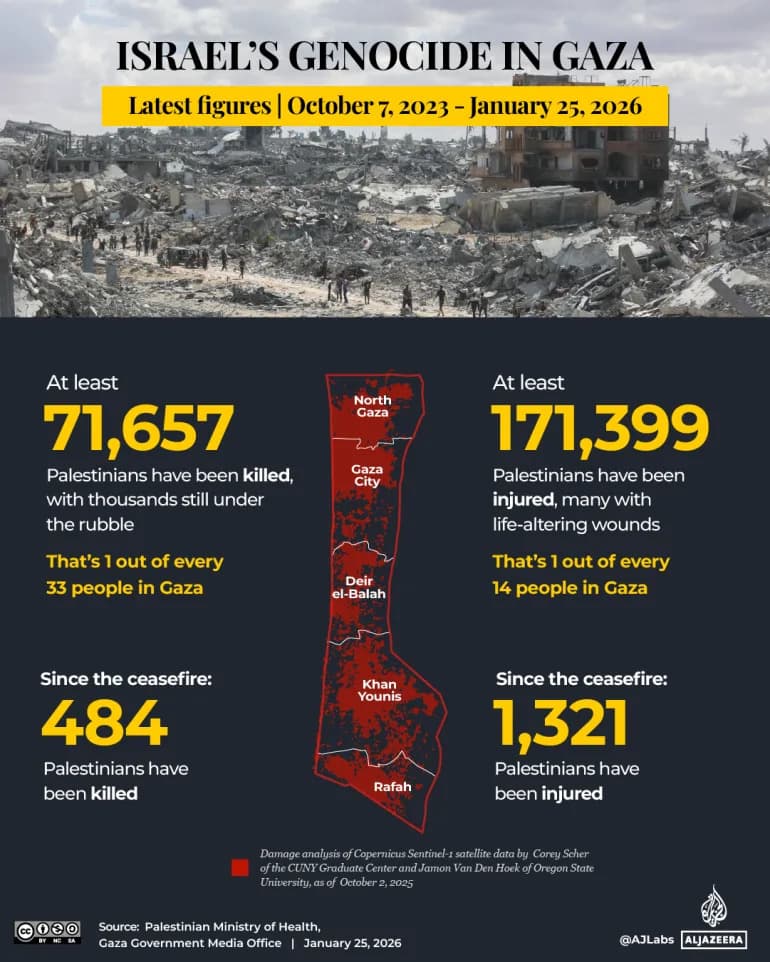
According to figures from Gaza's health ministry, which the United Nations has described as a reliable source, at least 71,662 Palestinians have been killed since the outbreak of the conflict. The ministry does not distinguish between combatants and civilians in its tally; its data indicate that over half of the dead are women and children.
As diplomatic and technical preparations continue, Palestinians in Gaza say the reopening of Rafah—even if initially limited—would be a vital first step toward family reunions, medical care, education and the longer-term recovery of a territory that has endured massive humanitarian suffering.
Help us improve.