After Israel received the remains of its last known hostage, attention shifted to the next phase of a U.S.-brokered ceasefire that calls for reopening the Rafah crossing, deploying an international security force and beginning Gaza's recovery. Hamas says it met the hostage-return terms, while UNICEF and the U.N. urge rapid, sustained humanitarian access and delivery of reconstruction materials. U.S. officials and Israel emphasize disarmament of Hamas as a central condition for moving forward.
All Hostages Returned: U.N. Urges Rafah Reopening, International Security Force and Gaza Recovery
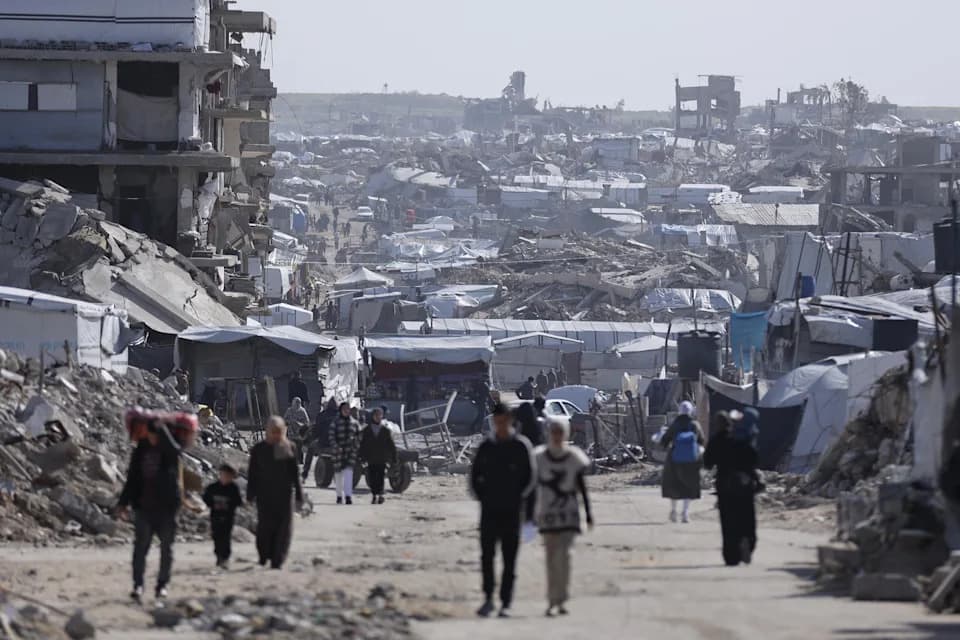
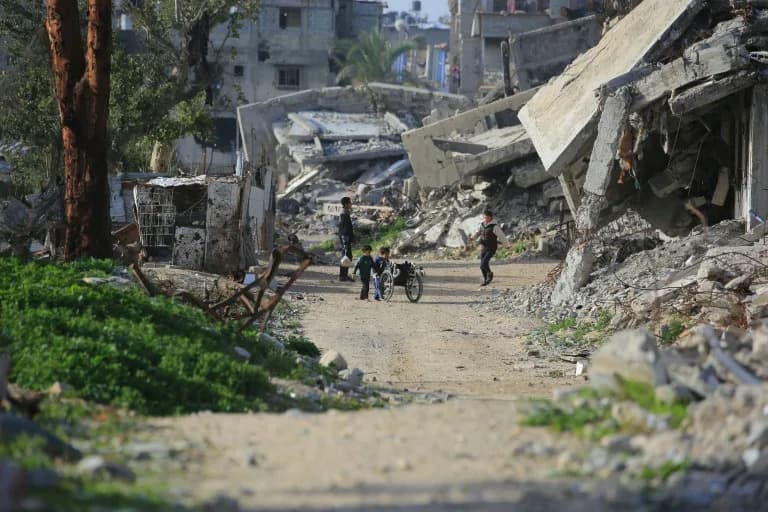
A view of Tuffah Neighborhood as Palestinian families living in tents in fear due to the Israeli army's deployment near the area in Gaza City, Gaza on January 26, 2026. / Credit: Khames Alrefi/Anadolu via Getty Images(Khames Alrefi/Anadolu via Getty Images)
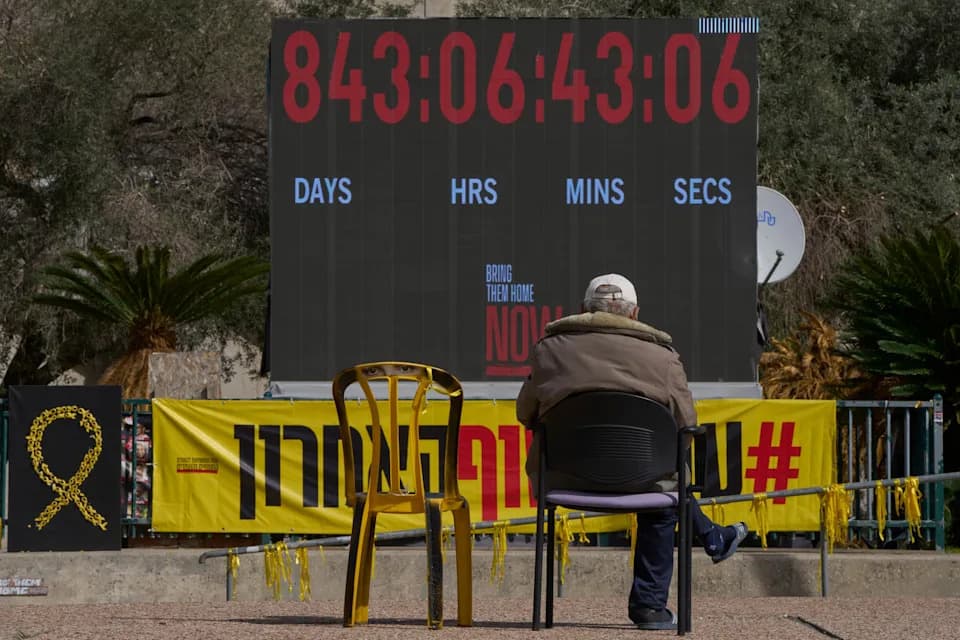
With Israel receiving the remains of its last known hostage from Gaza, diplomatic focus has shifted to the more complex second phase of a U.S.-brokered ceasefire plan: reopening the Rafah border crossing, deploying an international security force and beginning sustained humanitarian and recovery operations in Gaza.
Israeli officials confirmed that the remains of police officer Ran Gvili, killed during the Hamas-led assault on Oct. 7, 2023, were recovered in a cemetery in northern Gaza. "You should see the honor you're receiving here," Gvili's father, Itzik, said as he kissed his son's coffin, draped in an Israeli flag. "The entire police is here with you, the entire army is with you, the entire people. I'm proud of you."
What Comes Next?
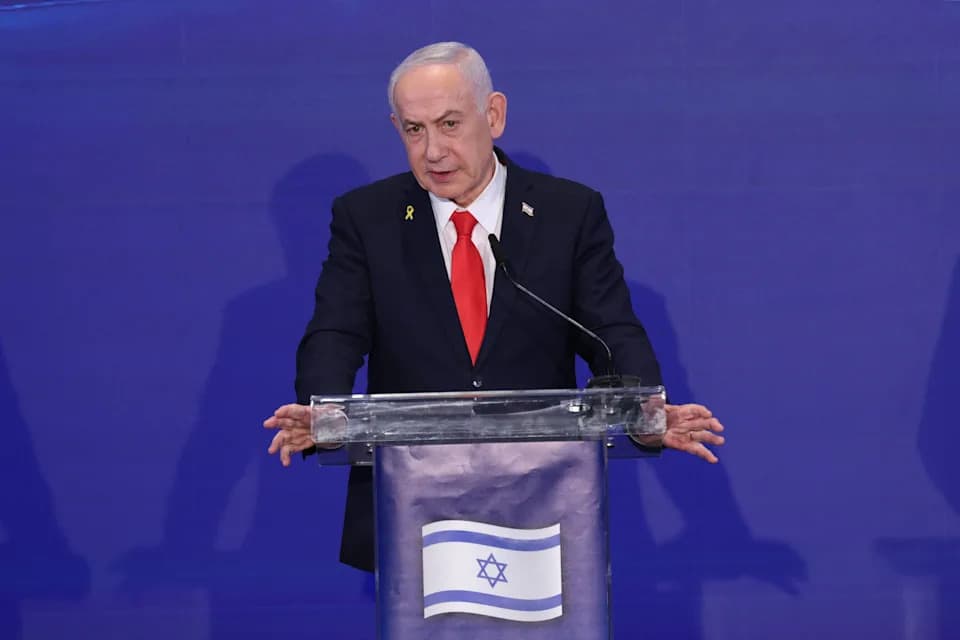
Prime Minister Benjamin Netanyahu's office said any "limited reopening" of the Rafah crossing would be conditional on the return of all living hostages and a full effort by Hamas to locate and return deceased hostages. Israel's military announced that "all of the abductees have been returned," and Hamas signaled it had met the terms related to the hostage returns.
Hamas spokesman Hazem Qassem issued a statement affirming the group's "commitment to all the terms of the agreement to halt the war on the Gaza Strip, including the exchange track and its full completion in accordance with the agreement." He urged mediators, particularly the United States, to press Israel to "stop its violations of the agreement and to implement the obligations required of it."
Rafah Crossing and Humanitarian Access
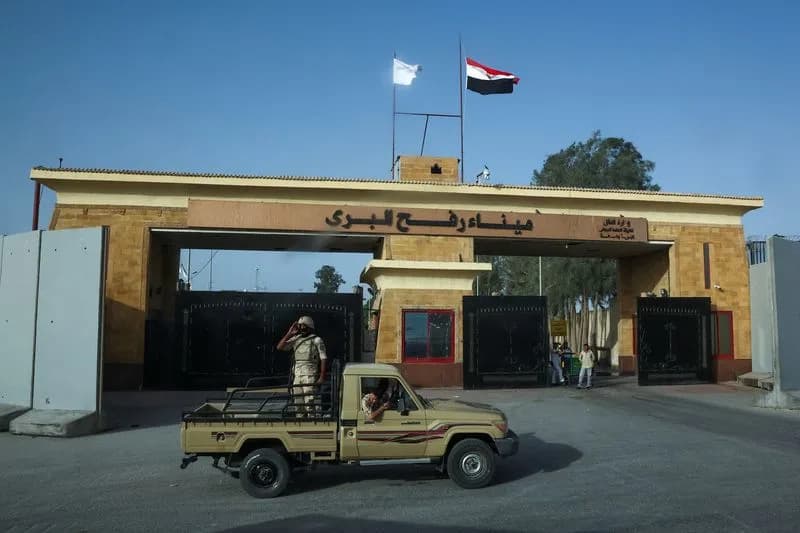
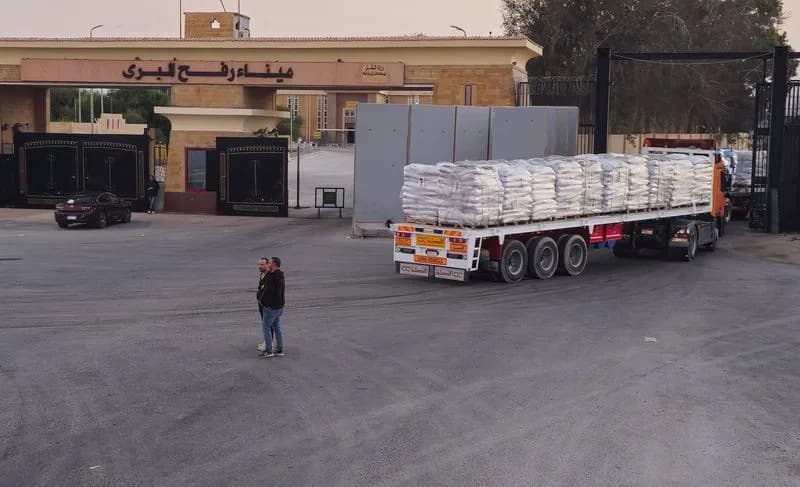
A key immediate expectation is that the Rafah crossing between southern Gaza and Egypt be reopened. The crossing has been largely closed since May 2024 and is widely seen by Palestinians as a vital lifeline. UNICEF says supplies are already staged in Egypt and ready to move once access is granted. "We have supplies positioned," Ted Chaiban, UNICEF's deputy executive director, said. He added that the next phase must include not only emergency aid but also long-term shelter materials and equipment to repair critical infrastructure.
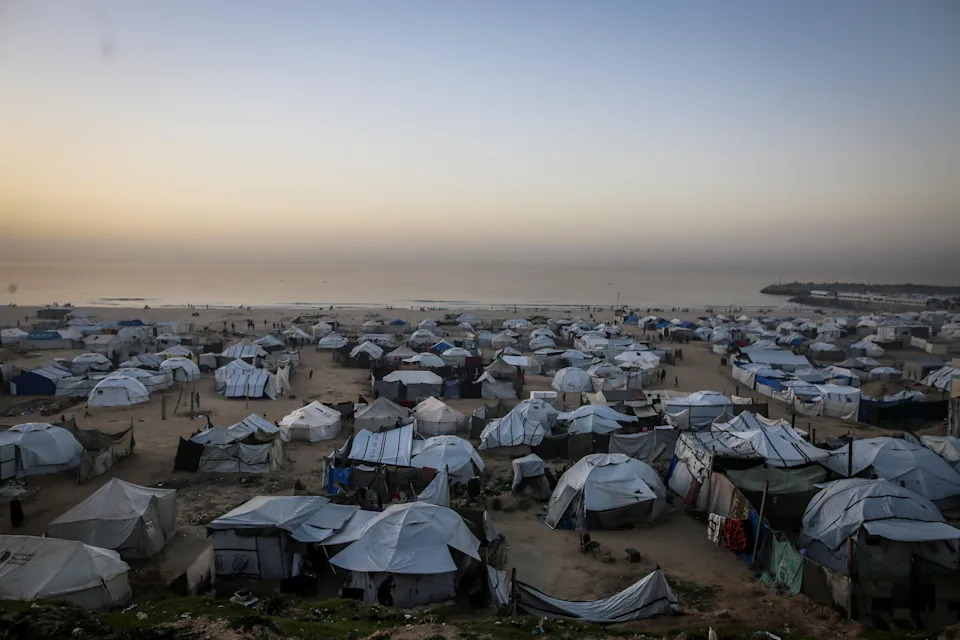
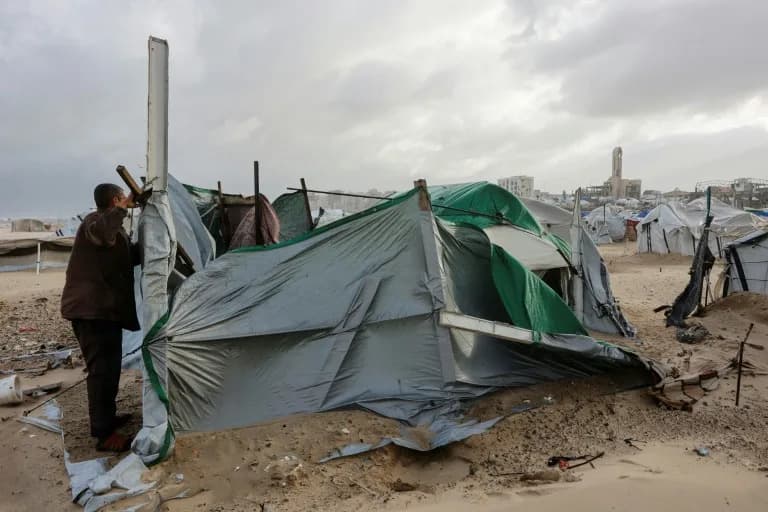
A view of the makeshift tents as displaced Palestinians struggle to maintain their daily lives amid the rubble left behind by Israeli attacks in Gaza City, Gaza on January 26, 2026. / Credit: Saeed M. M. T. Jaras/Anadolu/Getty
The U.N. Secretary-General's spokesperson emphasized that "the full implementation of the ceasefire arrangements in Gaza is absolutely critical," urging all parties to proceed in good faith and to facilitate sustained, unhindered humanitarian access — including through Rafah.
Security, Disarmament and Reconstruction
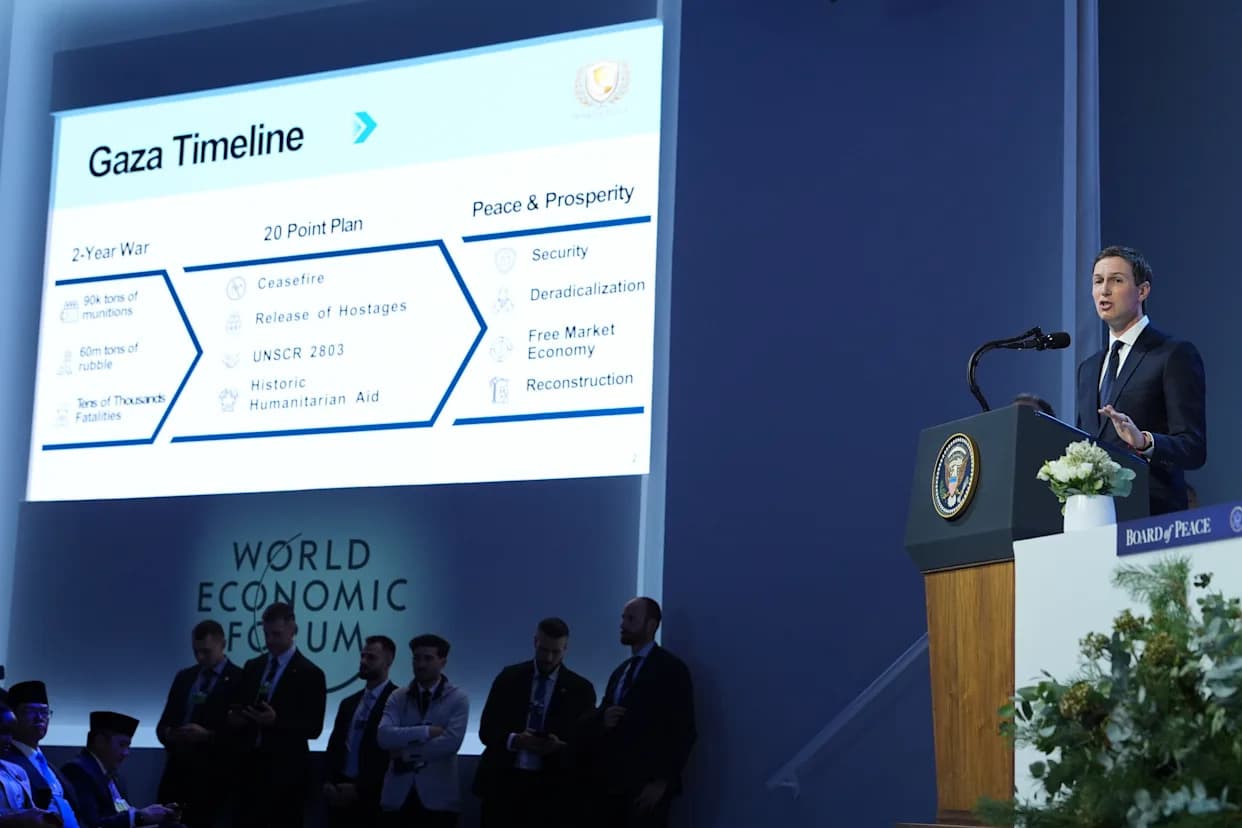
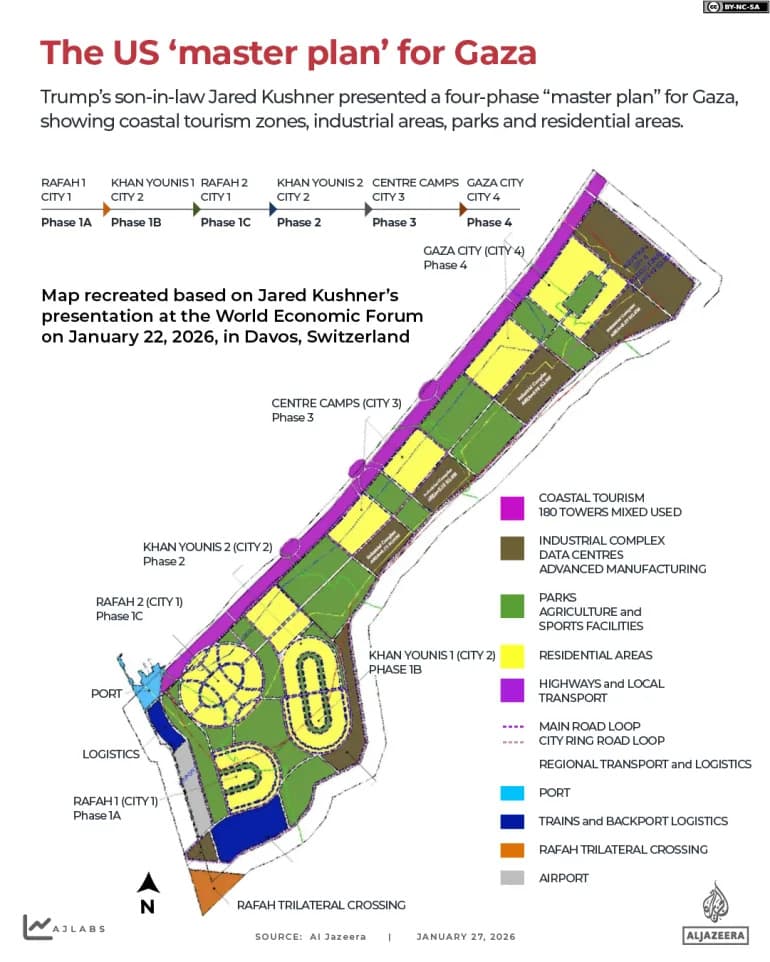
Beyond reopening the border, the ceasefire plan's second phase envisions deployment of an international security force, steps toward Hamas disarmament, further Israeli troop withdrawals and a framework for rebuilding Gaza. U.S. officials said they expect Israel to cooperate in moving the process forward and stressed that Hamas must disarm under the agreement. Officials described potential programs tied to disarmament and suggested amnesty for fighters who decommission weapons, while warning of consequences if terms are breached. Prime Minister Netanyahu, speaking to parliament, argued the priority is "disarming Hamas and demilitarizing the Gaza Strip," saying the next phase is not immediate reconstruction.
Voices on the Ground
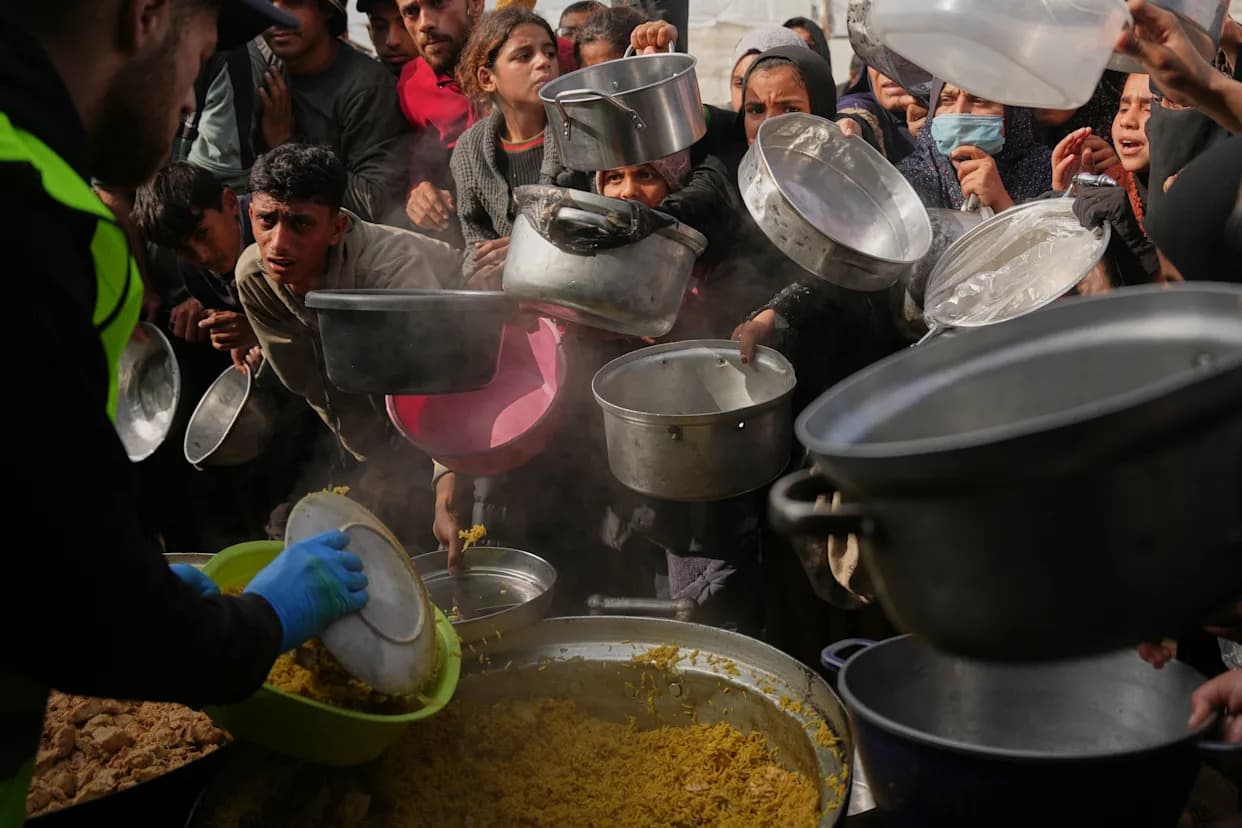
Many Palestinians hope reopening Rafah will permit travel, medical evacuations and a steady inflow of aid. Abdel-Rahman Radwan, a Gaza City resident whose mother needs cancer treatment outside the enclave, said opening the crossing could remove Israel's pretexts for restrictions. Ahmed Ruqab, who lives with five family members in a tent in the Nuseirat refugee camp, urged mediators and the United States to press Israel to allow more assistance: "We need to turn this page and restart."
Media Access and Oversight
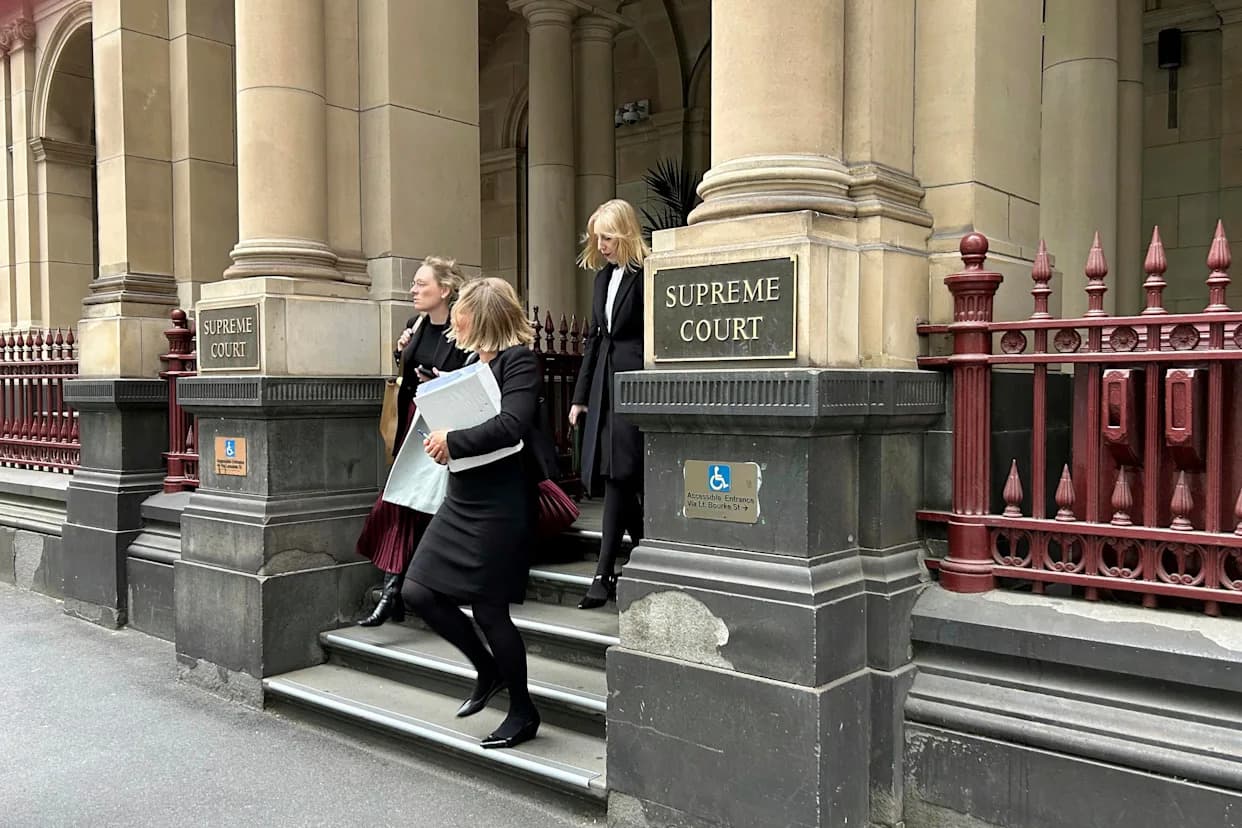
The Foreign Press Association of Israel has asked the country's Supreme Court to allow journalists to enter Gaza freely and independently. The FPA argues that restrictions imposed since Oct. 7, 2023, are no longer justified and that tightly controlled, military-supervised visits are not a substitute for independent reporting. Judges are expected to rule soon.
Background
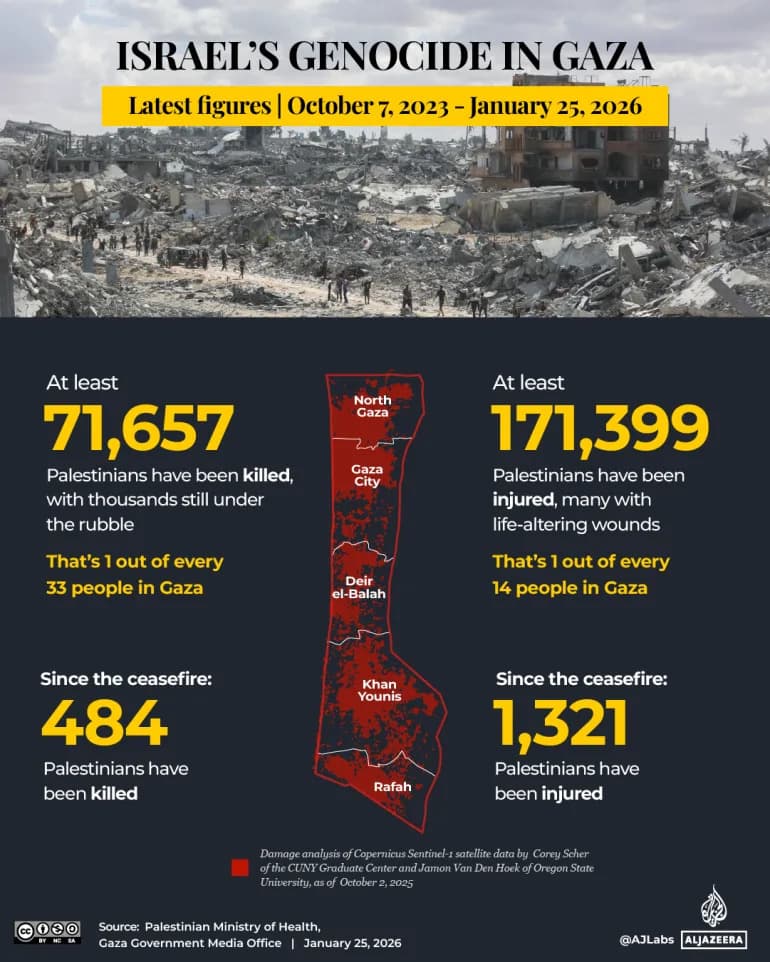
The Oct. 7, 2023 Hamas-led attack that sparked the war killed about 1,200 people in Israel and resulted in 251 people taken hostage. Gaza's Hamas-run Ministry of Health reports that more than 71,000 Palestinians have been killed in the territory during the fighting. The international community faces the challenge of translating the ceasefire's initial achievements into durable security, humanitarian relief and reconstruction on the ground.
Help us improve.