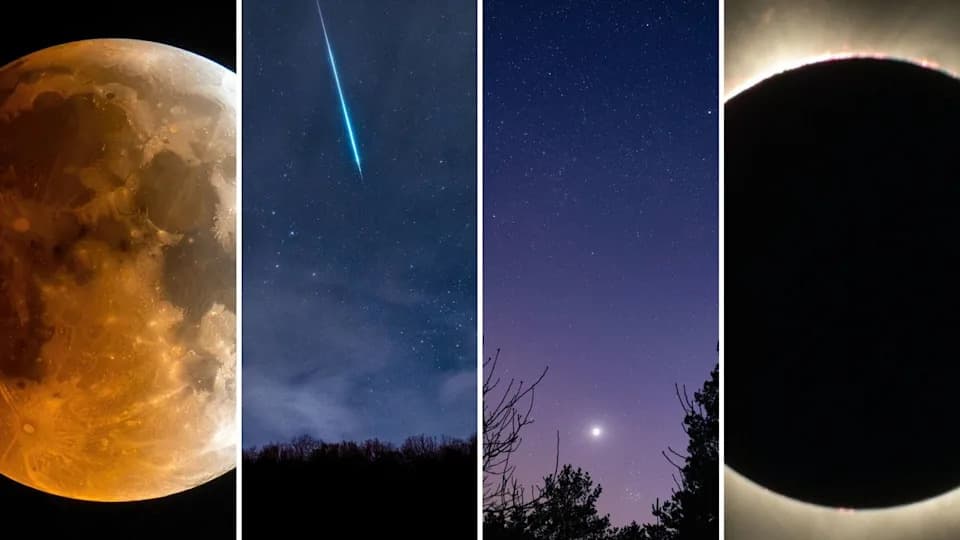
A total solar eclipse will cross eastern Greenland, western Iceland and northern Spain on Aug. 12, 2026, with peak totality of about 2 minutes 18 seconds near Iceland. The path starts in remote Siberia, traverses Greenland and Iceland, sweeps across northern Spain and exits near the Balearic Islands. NASA lists an annular eclipse on Feb. 17, 2026 (visible in Antarctica) and notes a notably long total eclipse on Aug. 2, 2027, lasting about 6 minutes 23 seconds. Observers should use proper solar filters and plan travel ahead for the best viewing conditions.
Total Solar Eclipse to Cross Eastern Greenland, Western Iceland and Northern Spain on Aug. 12, 2026
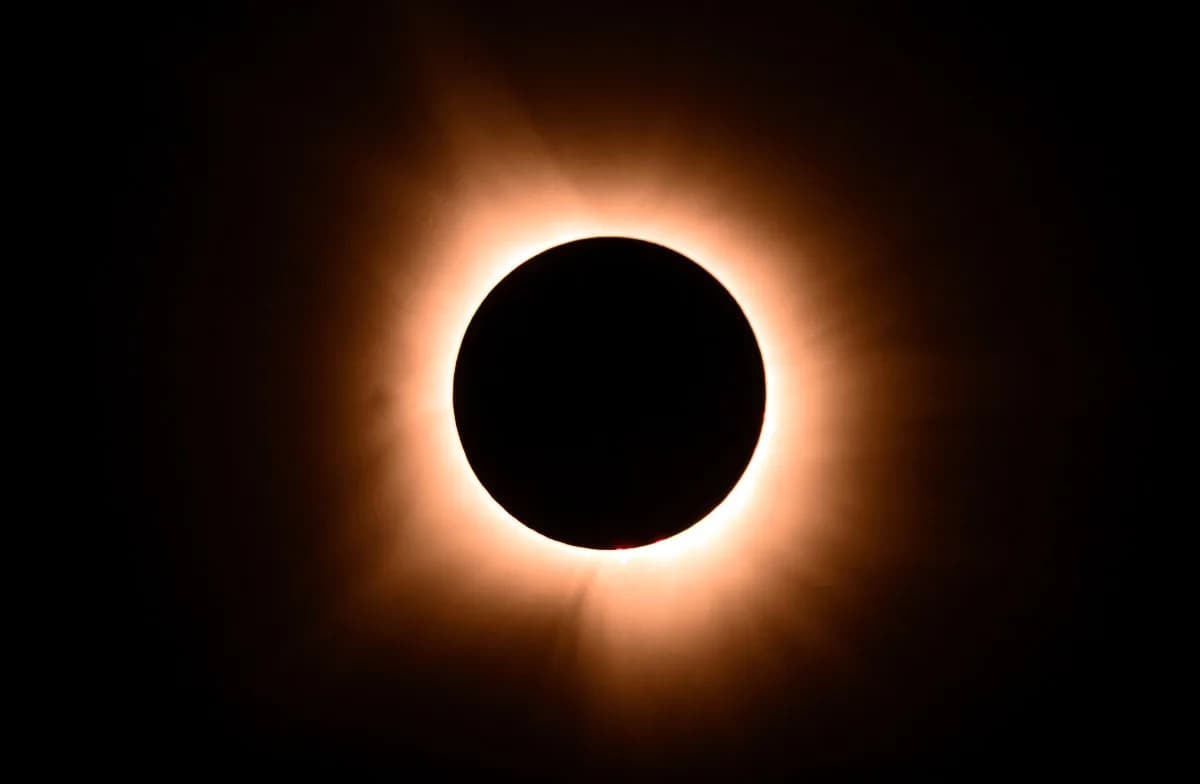
A total solar eclipse will sweep across parts of eastern Greenland, western Iceland and northern Spain on Aug. 12, 2026. Observers inside the narrow path of totality will see the Moon completely obscure the Sun, briefly revealing the Sun’s corona and darkening the sky as if it were dawn or dusk.
What Is a Total Solar Eclipse?
According to NASA,
"A total solar eclipse happens when the Moon passes between the Sun and Earth, completely blocking the face of the Sun. People located in the center of the Moon’s shadow when it hits Earth will experience a total eclipse."During totality, the sky will darken and the Sun’s outer atmosphere (the corona) becomes visible.
When and Where to Watch
The path of totality for the Aug. 12, 2026 eclipse begins in remote Siberia, crosses eastern Greenland and western Iceland, then sweeps across northern Spain before exiting just east of the Balearic Islands in the Mediterranean. Totality will reach a maximum duration of about 2 minutes and 18 seconds near Iceland. This event will be mainland Europe’s first total solar eclipse since 1999.
Notable Viewing Locations
- Greenland: Scoresby Sund
- Iceland: Reykjanes and Snæfellsnes peninsulas
- Spain: Cities in the path include León, Burgos and Valladolid
Other Related Eclipses
NASA's solar eclipse calendar also lists an annular eclipse on Feb. 17, 2026, visible from parts of Antarctica. That calendar shows broad partial-eclipse visibility across parts of Antarctica, Africa, South America and large areas of the Pacific, Atlantic and Indian Oceans. Looking further ahead, a particularly long total solar eclipse is expected on Aug. 2, 2027, with a maximum totality of about 6 minutes and 23 seconds across parts of Europe, North Africa and the Middle East.
Viewing Safety and Tips
Never look directly at the Sun without proper eye protection. Use ISO-certified solar viewing glasses or an appropriate solar filter for binoculars/telescopes. If you plan to travel to the path of totality, book travel and lodging well in advance and check local weather/climate trends to improve your chances of clear skies.
Sources and Credits
This article summarizes reporting from NASA, Space magazine and The Planetary Society. The original story first appeared in Men’s Journal on Jan. 6, 2026.
Help us improve.