Xi Jinping has been actively courting European leaders with trade offers and a public commitment to uphold a United Nations‑centered international order, aiming to position China as a reliable partner amid rising US–Europe tensions. Sir Keir Starmer visited Beijing with a 50‑company delegation, while Xi met Finland’s prime minister and invited European firms into the Chinese market. State media urged Europe to pursue strategic autonomy as security concerns — including alleged phone hacks at No 10 and the approval of a large new Chinese embassy in London — complicate deeper engagement. Coverage and commentary suggest Beijing is trying to exploit transatlantic rifts while avoiding direct alignment with initiatives like Donald Trump’s proposed "Board of Peace."
Xi Courts Europe With Trade Offers and Pro‑UN Pitch as Transatlantic Tensions Deepen
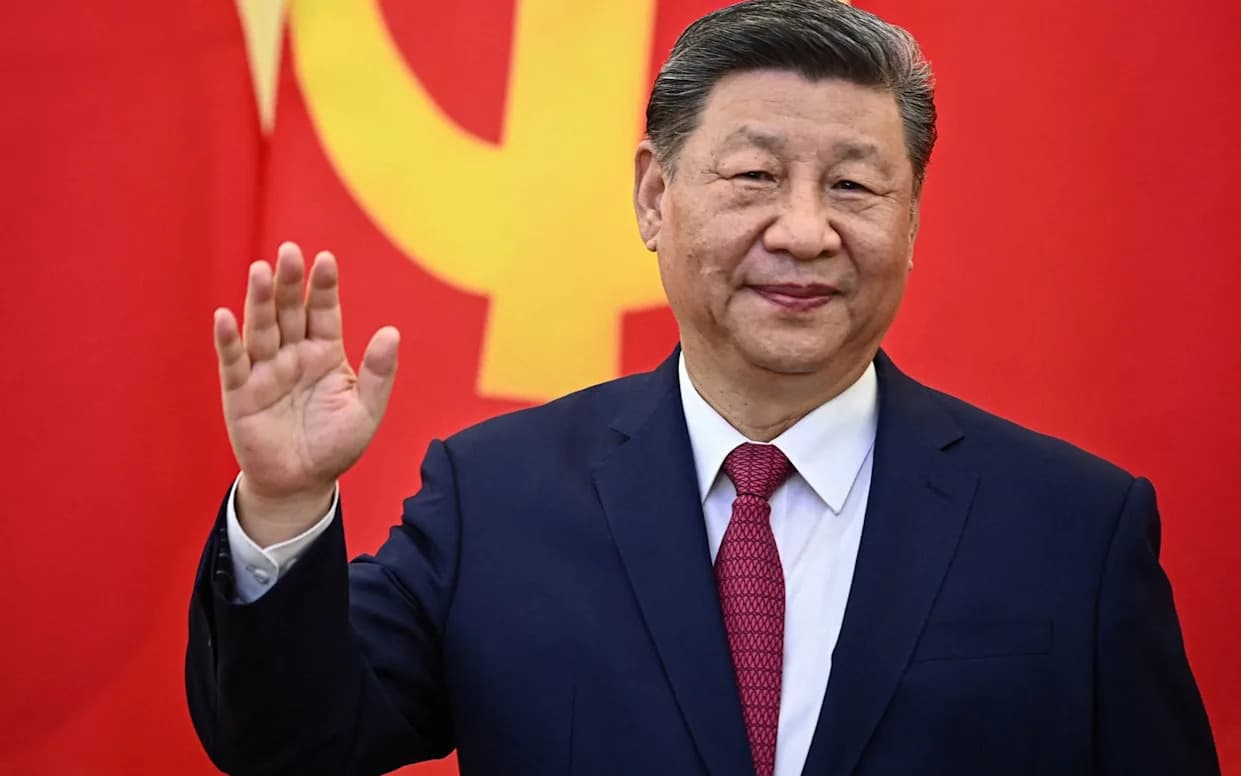
Chinese leader Xi Jinping has been courting European leaders with new trade overtures and a public pledge to defend the United Nations–centered international order, an effort that appears aimed at exploiting growing frictions between Europe and the United States.
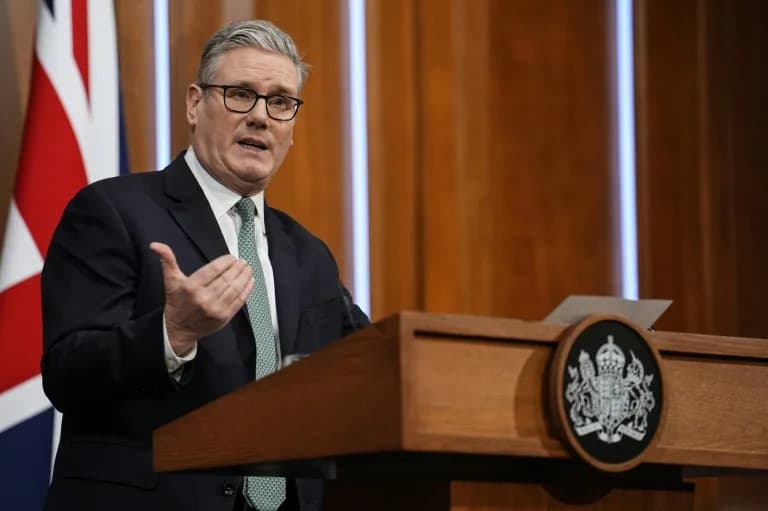
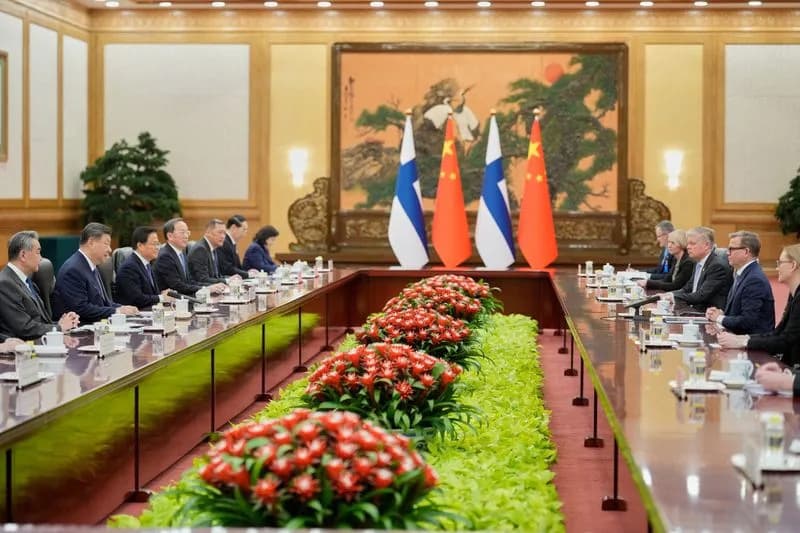
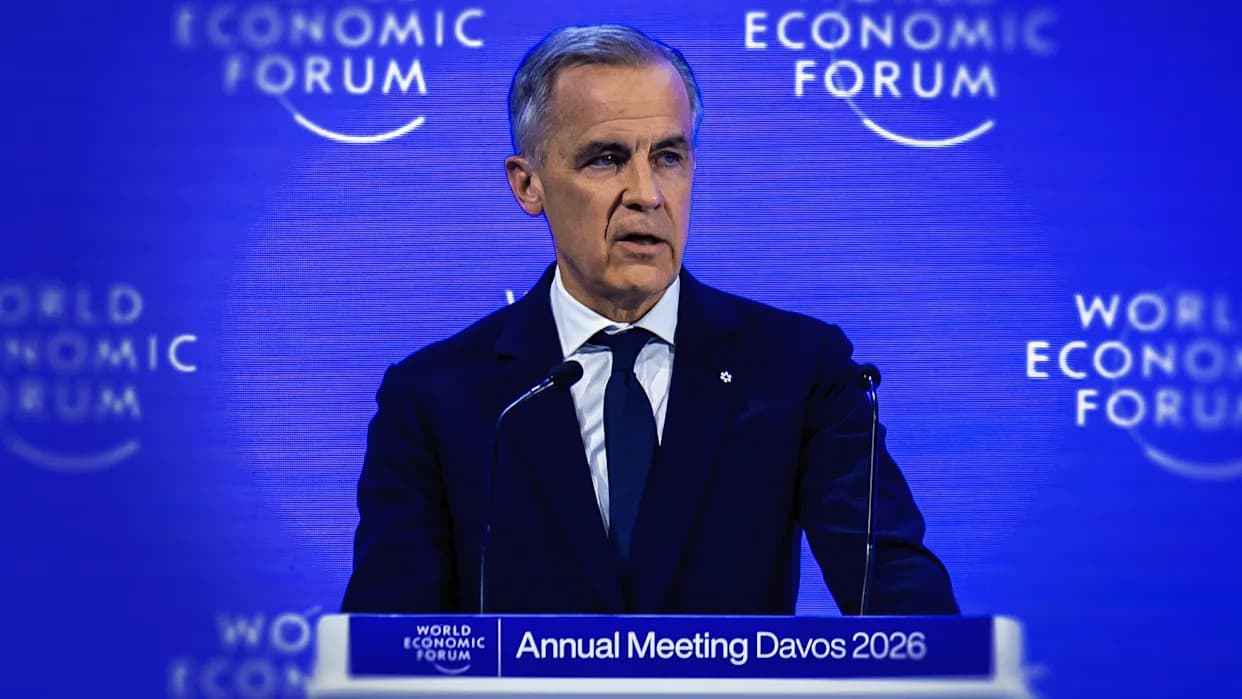
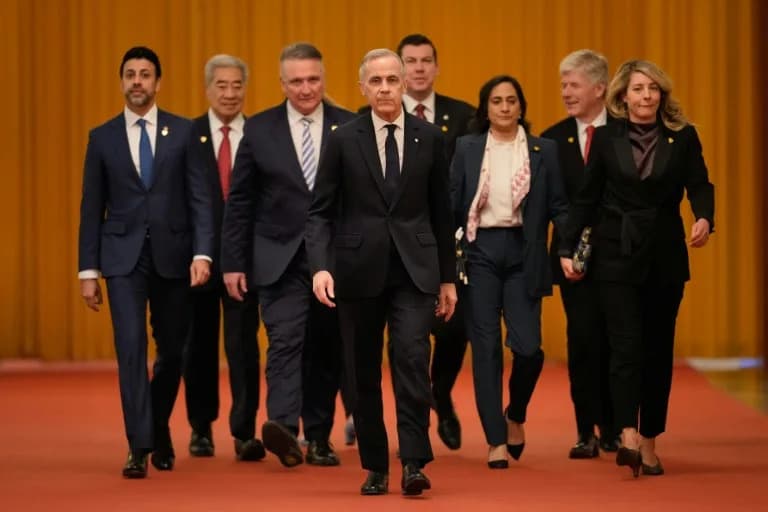
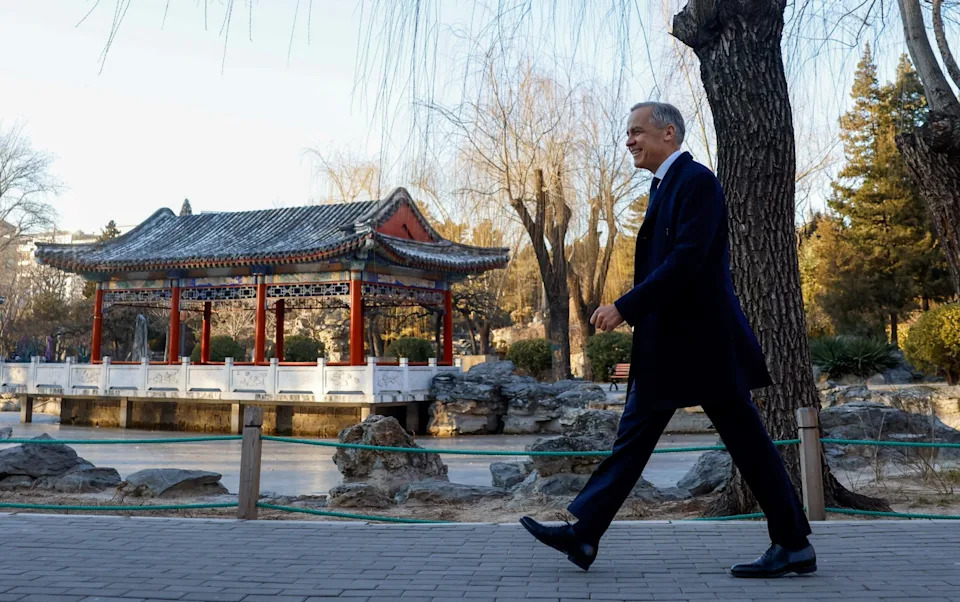
On Tuesday, Sir Keir Starmer arrived in Beijing leading a delegation of 50 companies and institutions. Other recent visitors to China have included Finland’s prime minister, Petteri Orpo, and prominent figures such as Mark Carney. In a meeting with Mr Orpo, Mr Xi described China and Europe as "partners, not adversaries" and invited Finnish firms to "swim in the vast ocean of the Chinese market."
Pro‑UN Positioning
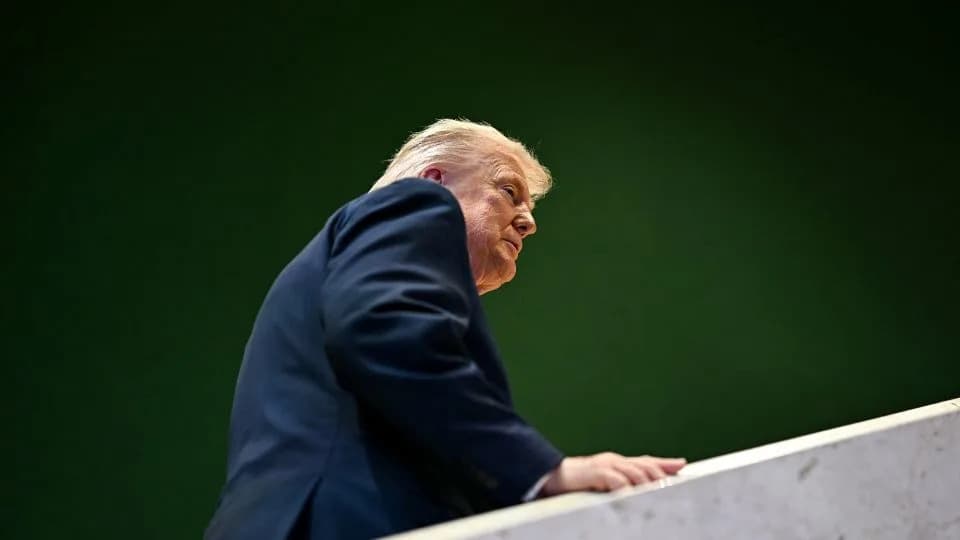
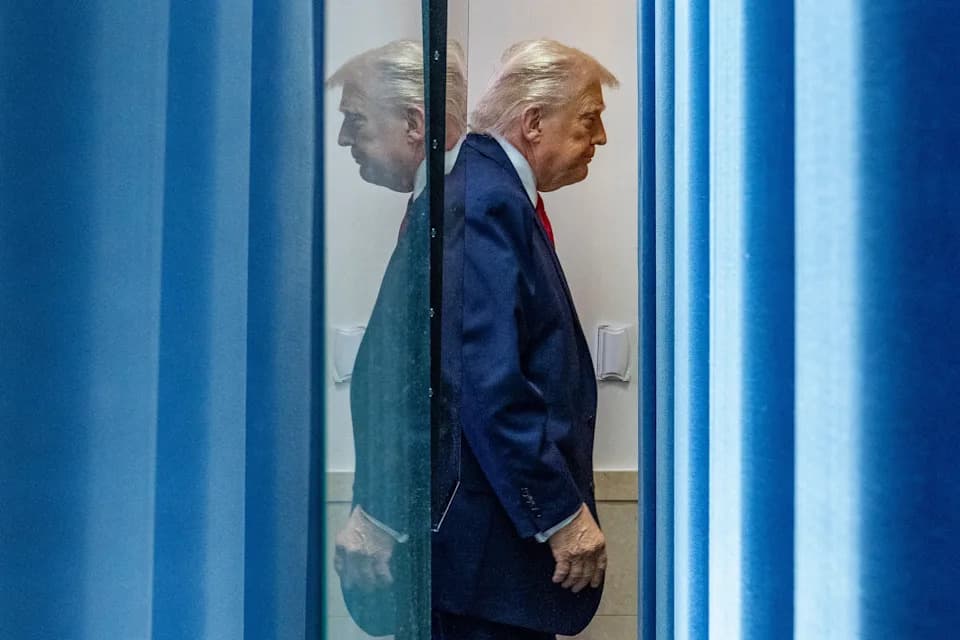
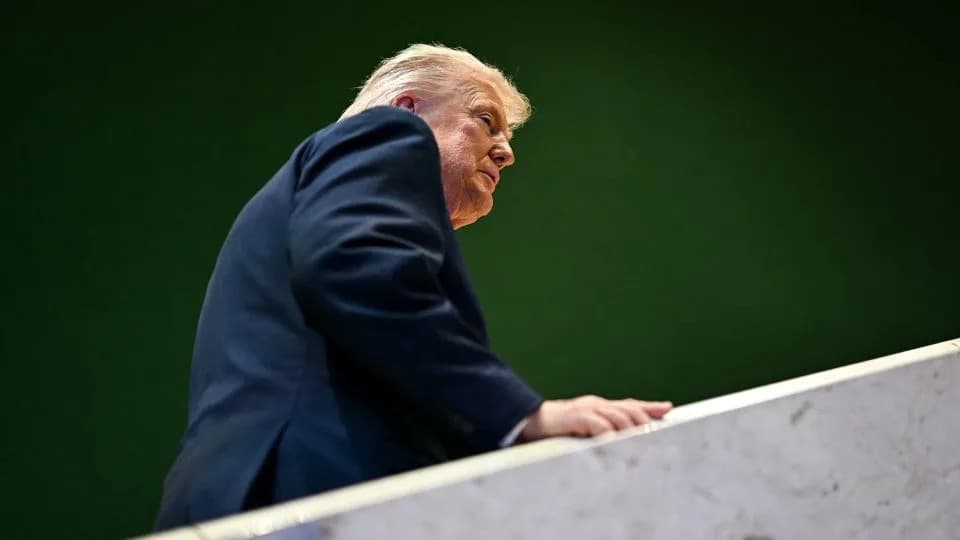
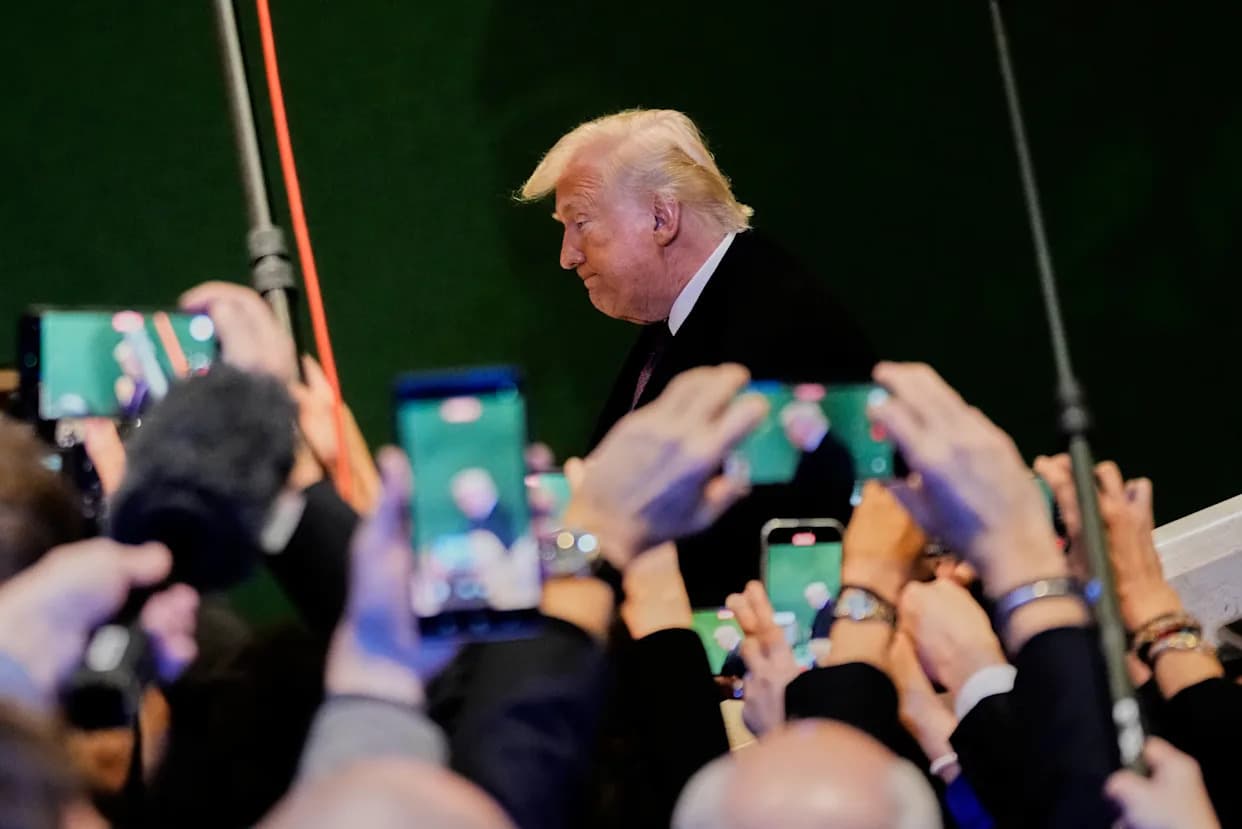
Mr Xi appeared to distance Beijing from Donald Trump’s proposed "Board of Peace," an initiative reported to include countries such as Saudi Arabia, Pakistan, the United Arab Emirates and Qatar. According to Xinhua, the state news agency, Mr Xi said China was ready to work with Finland to "uphold the international system with the United Nations at its core," and said major powers should "observe the rule of law, pursue co‑operation and uphold integrity."
Outreach Amid Security Concerns
Beijing has sought to portray itself both as a responsible global power and as an attractive market for European companies. But the outreach comes amid a series of security and political controversies in Europe. Reports in the British press have alleged that Chinese spies hacked phones at No 10 Downing Street, prompting cross‑party concern about deepening dependence on China. Separately, the UK government approved plans for a new Chinese "super‑embassy" in London despite warnings that the site could be used to monitor communications infrastructure servicing the City.
State Media and Strategic Autonomy
State‑run outlets such as China Daily have urged European leaders to rethink close alignment with the US, arguing that "being an ally of the US is meaningless in the calculus of 'America First'," and calling on Europe to bolster its strategic autonomy and diversify its interests. A Jamestown Foundation survey of People’s Daily coverage from January 10–23 found repeated themes highlighting transatlantic discord and critical treatment of US policy, including coverage of the Greenland dispute.
Diplomatic Friction Over Trade and Comments
Visits to Beijing have produced tension between the world’s major powers. A visiting Canadian delegation reportedly announced an arrangement to reduce tariffs on Chinese electric vehicles in exchange for greater access for Canadian agricultural products in China. US officials reacted strongly, and some reports say that Washington warned of retaliatory tariffs. Separately, remarks at Davos by figures urging "middle powers" to coordinate to avoid being pressured by the US prompted debate about the risks of alienating Washington; some visitors later softened their language after contacts with US officials, according to media reports.
What This Means
The visits and messaging underline Beijing’s push to strengthen economic ties with Europe while presenting China as a defender of multilateral institutions. At the same time, security concerns in the UK and concerted US criticism of some European trade choices mean closer ties to China will remain politically sensitive across the continent.
Sources: Reporting from major news outlets; comments cited by Xinhua; Jamestown Foundation analysis of People’s Daily coverage.
Help us improve.