Researchers warn that the crowded environment of low Earth orbit could rapidly collapse into a cascading debris cloud that endangers spacecraft and sends hazardous fragments toward Earth. Building on the Kessler syndrome concept, the new study — not yet peer reviewed — introduces a "CRASH clock" and estimates a catastrophic cascade could begin in about 5.5 days if many satellites lost navigation. The team also found satellites may pass within one kilometer of another object roughly every 36 seconds. The findings underscore the need for better satellite resilience and debris mitigation.
Low Earth Orbit Could Collapse In Days, Scientists Warn — New 'CRASH Clock' Raises Alarm
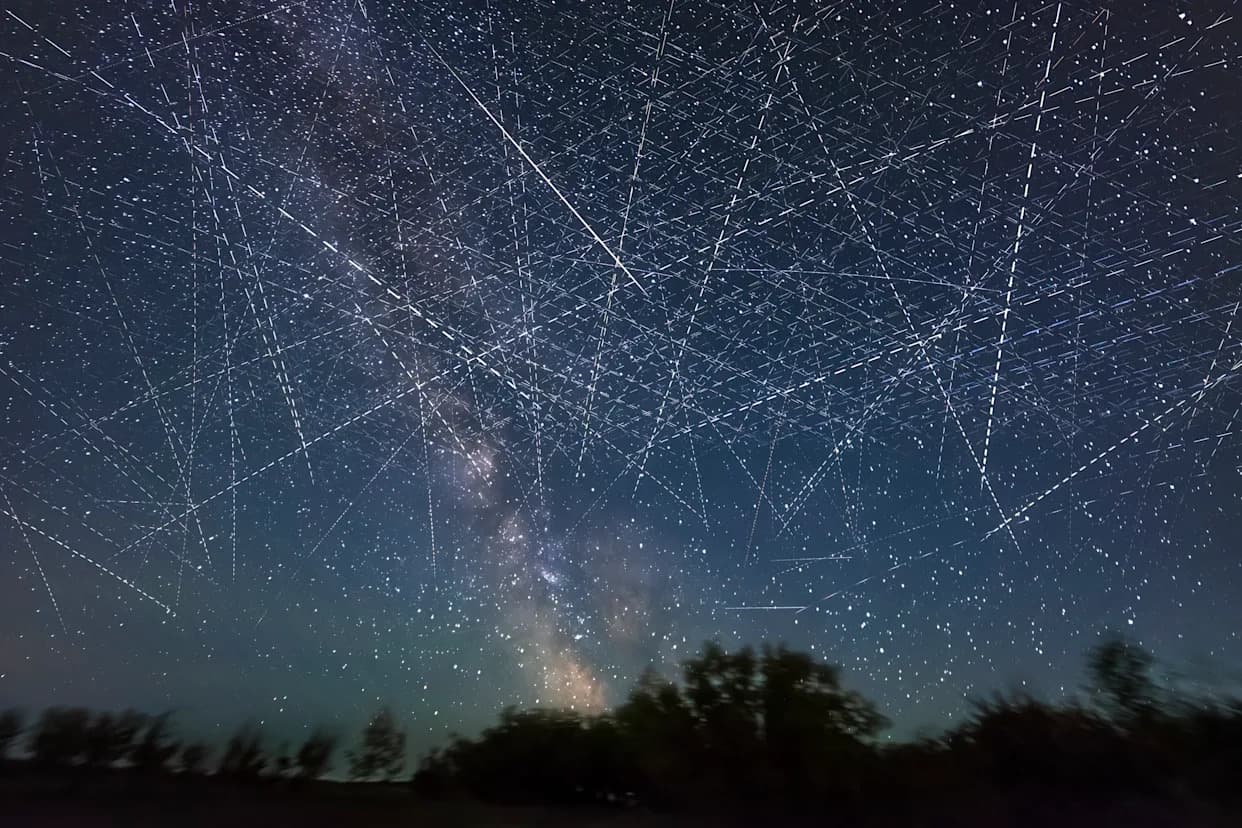
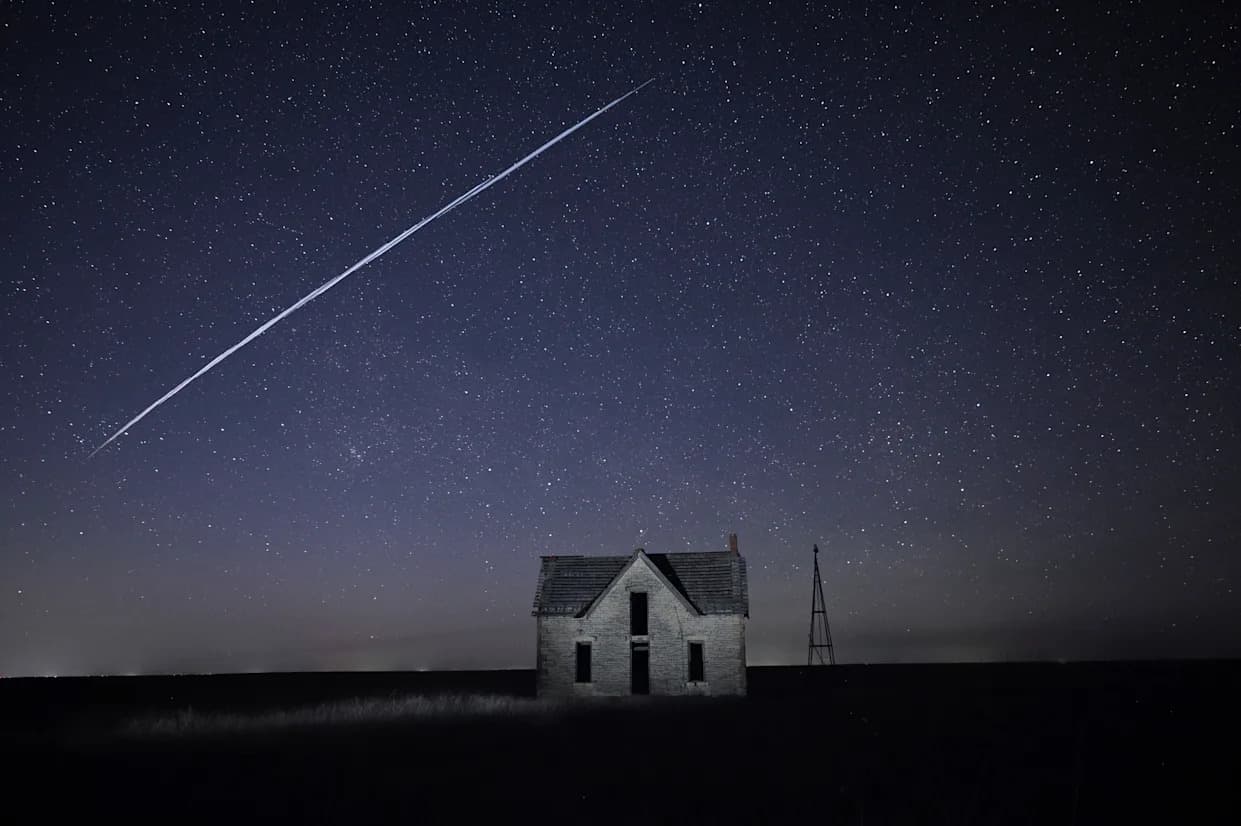
Alan Dyer/VWPics/Universal Images Group via Getty Images
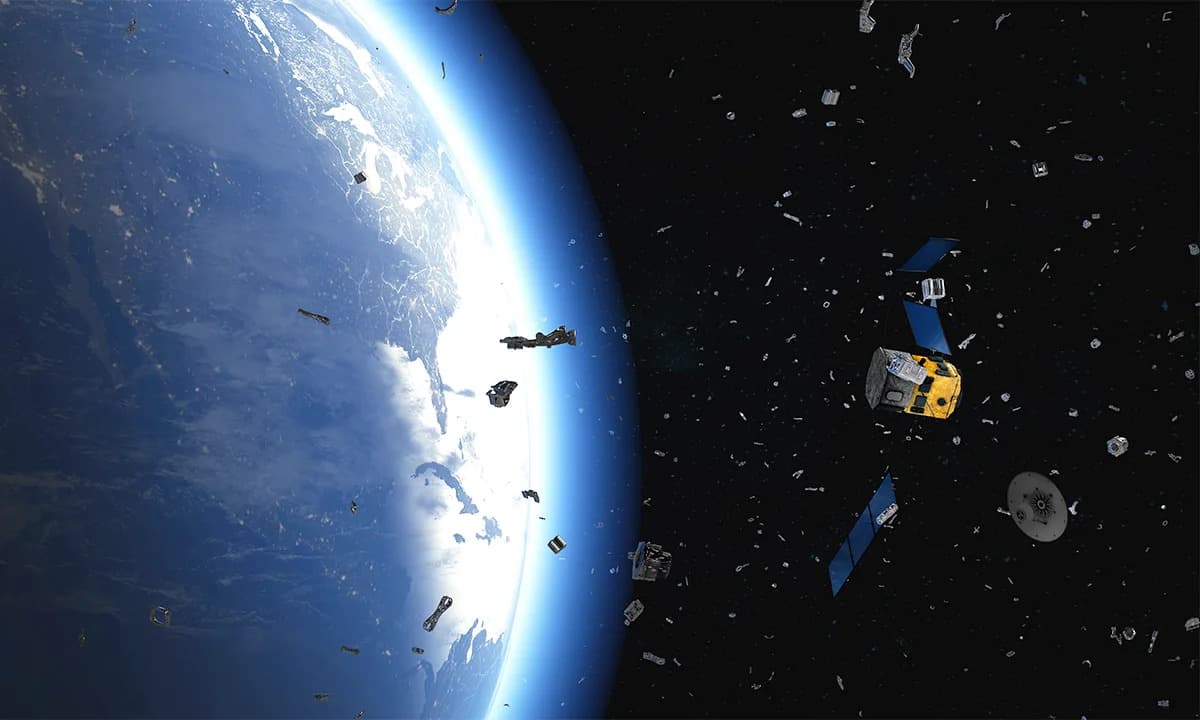
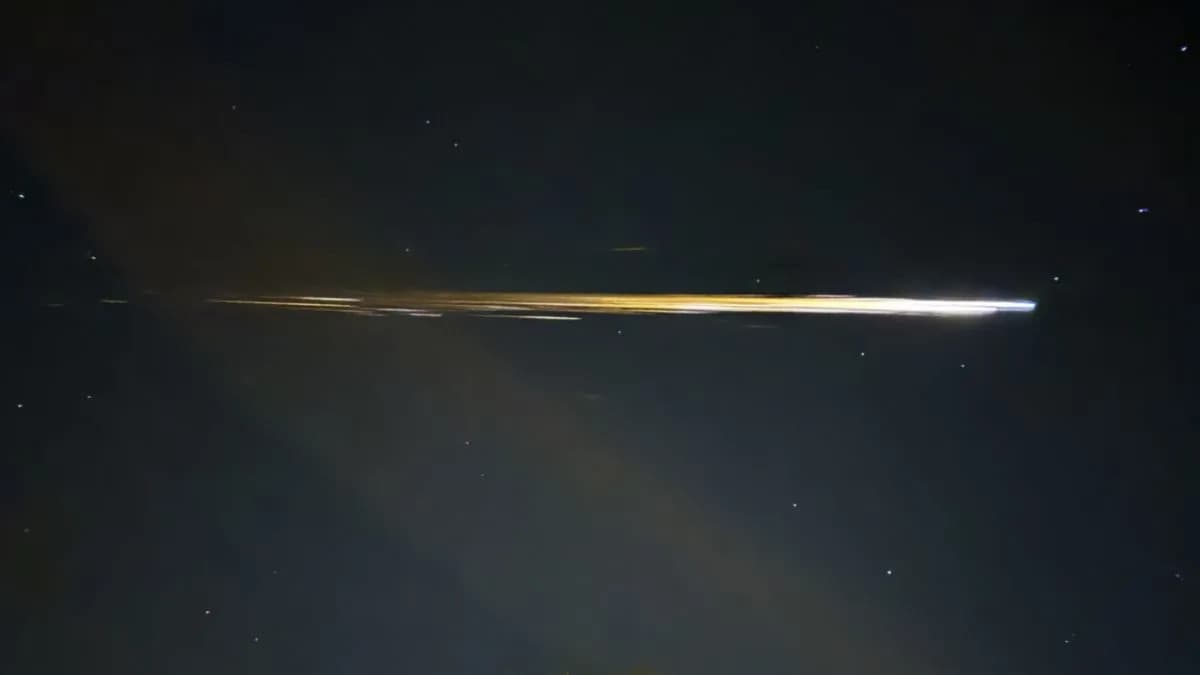
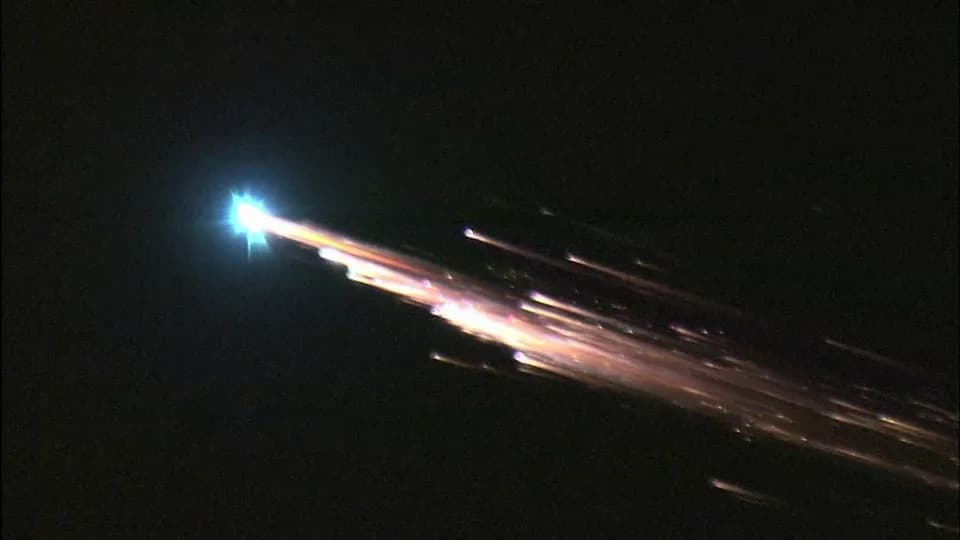
If you thought humanity’s problems were limited to climate change, researchers warn of another looming danger above us: the increasingly crowded region of low Earth orbit (LEO) could rapidly collapse into a hazardous cloud of debris that would endanger satellites, crewed missions, and could send fragments back toward Earth.
The study — not yet peer reviewed — builds on the decades‑old Kessler syndrome scenario first described by NASA scientist Donald Kessler. In Kessler’s model, just a few accidental collisions produce debris that causes more collisions in a cascading chain reaction, eventually generating such dense debris that normal operations in orbit become impossible.
What’s new?
This new analysis introduces a metric called the CRASH clock, which estimates how long it would take for a catastrophic collision cascade to begin if satellites suddenly lost navigation and collision‑avoidance capabilities — for example, after a severe solar storm that disables satellite guidance systems.
Kessler Syndrome: A chain reaction in which collisions create debris that leads to more collisions, potentially rendering an orbital region unusable.
Key findings
The researchers estimate that satellites in LEO experience a "close approach" — a pass within one kilometer of another object — about once every 36 seconds. Using that contact frequency and current orbital traffic, they put the CRASH clock at roughly 5.5 days, suggesting a very narrow window to respond if navigation systems were disabled en masse.
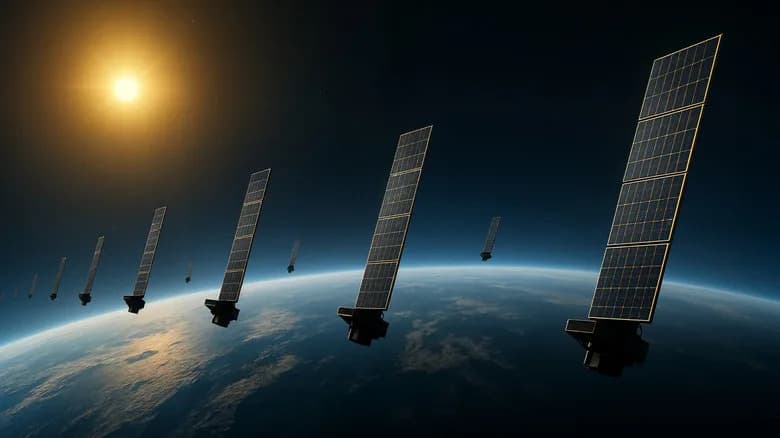
Practical context: commercial megaconstellations drive much of the traffic. SpaceX operates more than 9,000 small, mostly disposable satellites, with Amazon and China building large constellations of their own. Operators logged over 300,000 collision‑avoidance maneuvers last year to keep these satellites safe.
How this could start
A strong solar storm (a Carrington‑class event) releases electromagnetic energy that can disrupt power grids and communications and could, in theory, sever contact with many satellites or damage their navigation systems. Without reliable guidance, satellites could stop performing avoidance maneuvers, dramatically increasing collision risk.
Implications and uncertainty
Although the scenario is alarming, the study is preliminary and not yet peer reviewed. A Carrington‑level solar event would also create massive terrestrial problems (widespread blackouts, damaged infrastructure), which could limit our ability to respond to orbital emergencies. Nonetheless, the short CRASH clock highlights the urgency of strengthening satellite resilience, improving space traffic coordination, and accelerating debris‑mitigation efforts.
Bottom line: The risk of a rapid, cascading debris event in LEO appears to be growing with the pace of launches and could unfold far faster than previously thought — but major uncertainties remain, and the new findings require peer review and further study.
Help us improve.