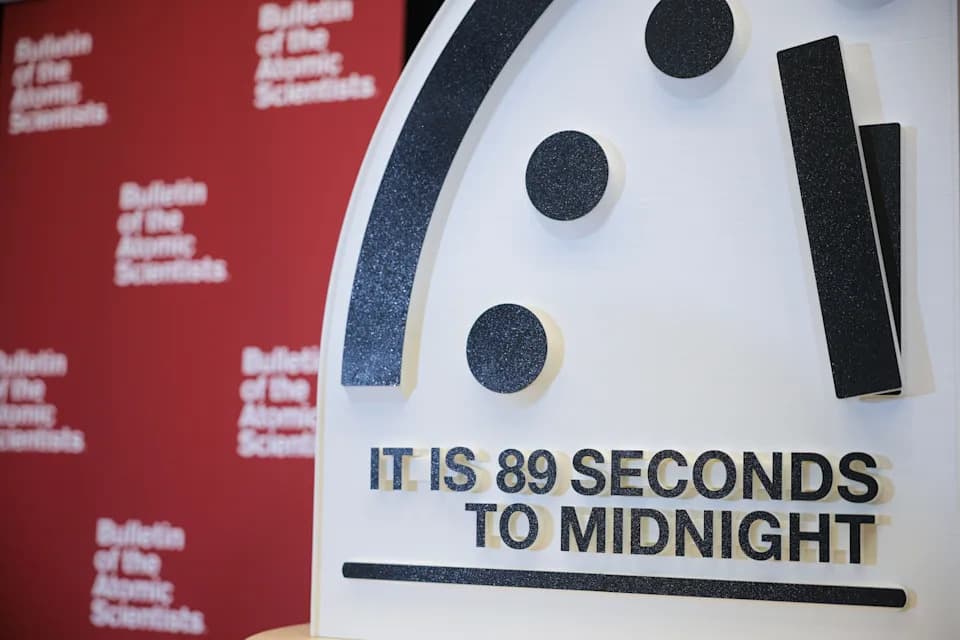
The Bulletin of the Atomic Scientists has moved the Doomsday Clock to 85 seconds before midnight — its closest-ever setting — citing growing nuclear tensions, weakening arms-control agreements, active conflicts and emerging AI risks. Leaders warned about the dangerous mix of geopolitical aggression, renewed talk of nuclear testing, and the spread of disinformation amplified by technology. The Bulletin urged renewed diplomacy and stronger safeguards for AI and biotechnology to reduce catastrophic risk.
Doomsday Clock Moves to 85 Seconds — Closest Ever as Nuclear Tensions and AI Risks Mount
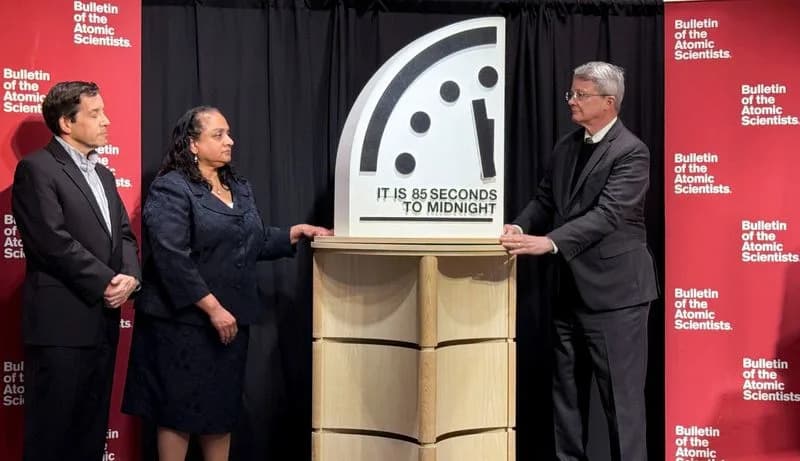
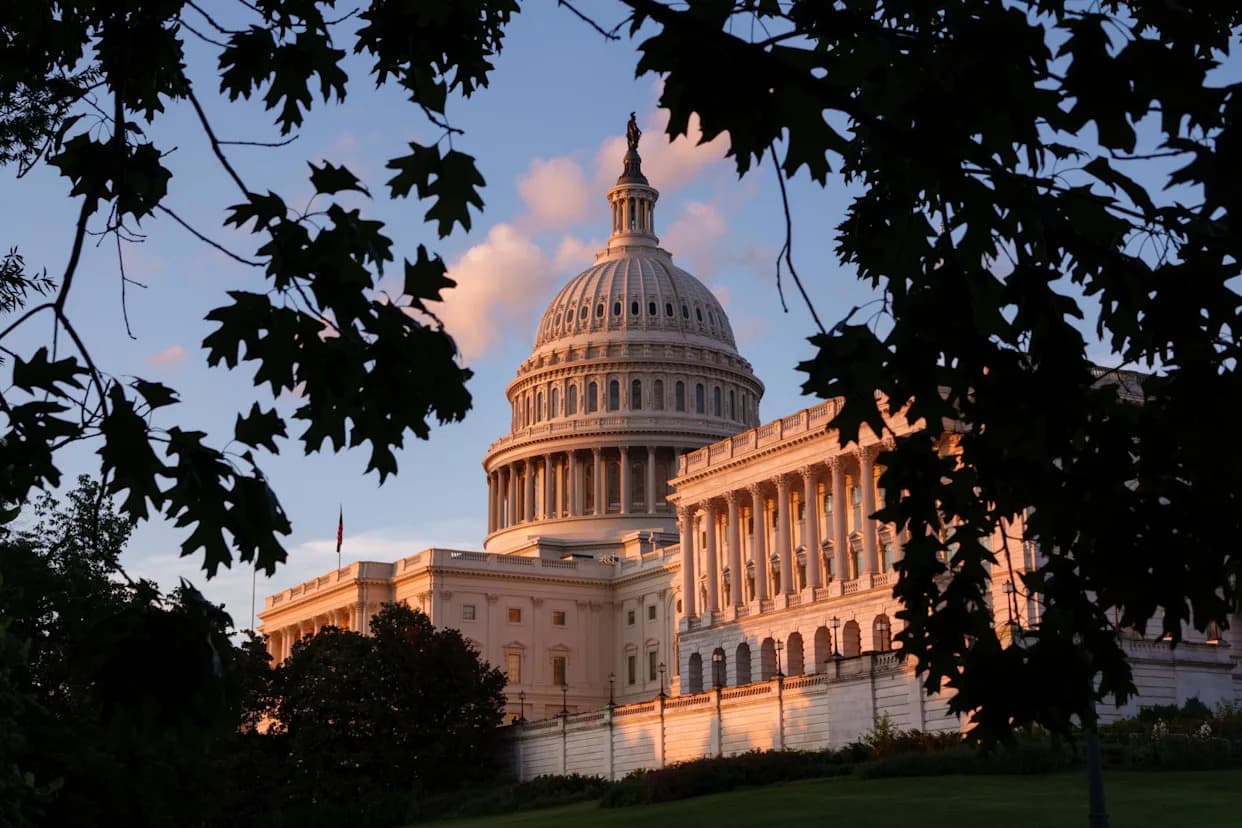
Jon Wolfsthal, director of global risk at the Federation of American Scientists (FAS), Asha George, executive director of the Bipartisan Commission on Biodefense, and Steve Fetter, professor of public policy and former dean at the University of Maryland, reveal the location of the minute hand on its Doomsday Clock, indicating what world developments mean for the perceived likelihood of nuclear catastrophe, during a town-hall in Washington, D.C., U.S., January 23, 2026. REUTERS/Kevin Fogarty
Atomic scientists have moved the Bulletin of the Atomic Scientists' symbolic "Doomsday Clock" to 85 seconds before midnight — the closest setting in its history — citing rising nuclear tensions, fraying arms-control agreements, active wars and emerging technological threats.
What Changed and Why
The Chicago-based nonprofit set the clock four seconds closer than a year ago. Leaders said a combination of aggressive behavior by nuclear-armed states, weakening diplomatic frameworks, renewed talk of nuclear testing, and unregulated uses of artificial intelligence drove the decision. The Bulletin also flagged the continuing challenge of climate change as part of the mix of global risks.
Nuclear Risks and Flashpoints
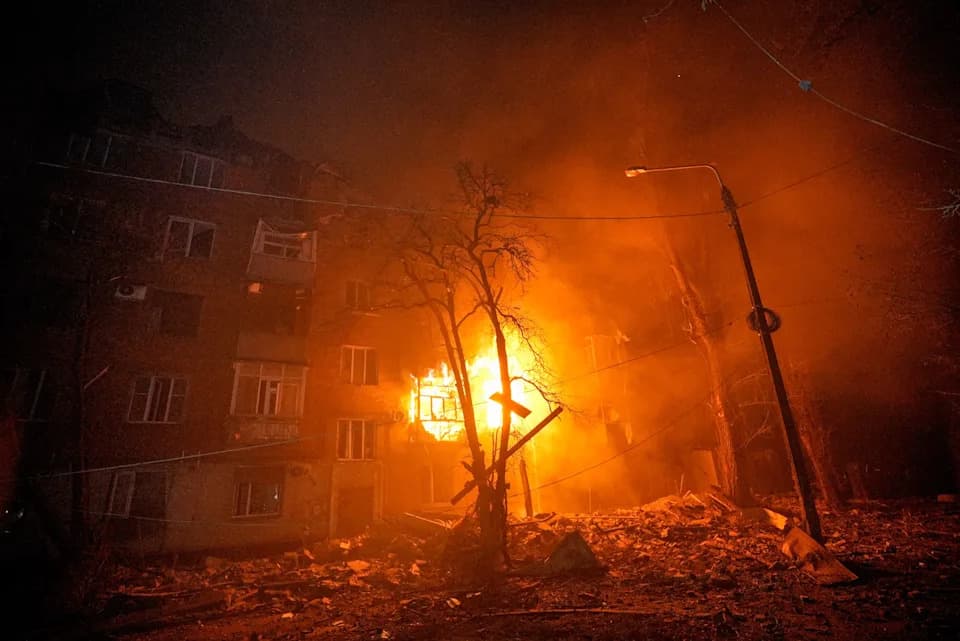
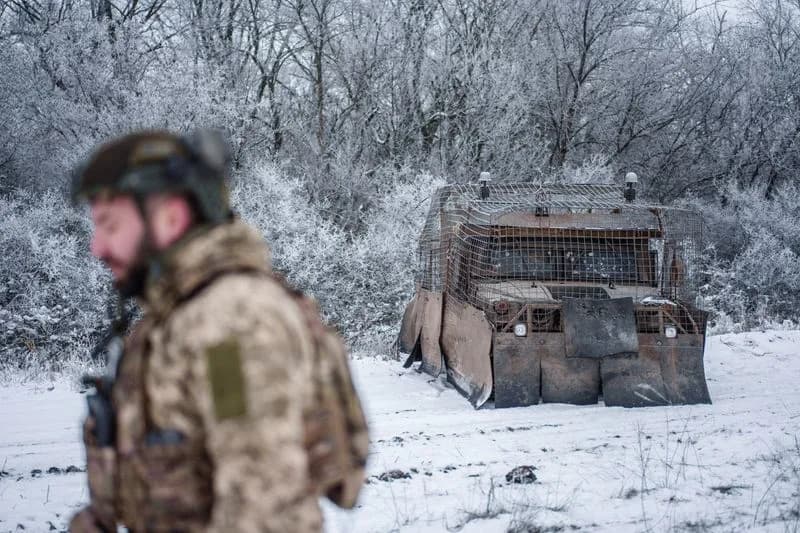
Bulletin President and CEO Alexandra Bell warned that "nothing in 2025 trended in the right direction" for nuclear risk. She pointed to Russia's ongoing war in Ukraine, U.S. and Israeli strikes on Iran, border clashes between India and Pakistan, tensions around Taiwan, and persistent volatility on the Korean Peninsula. The last major U.S.-Russia arms-control pact, New START, is due to expire on February 5; the treaty caps deployed warheads at 1,550 per side. Russian President Vladimir Putin proposed a one-year tacit extension last September, but the U.S. response has not been formalized.
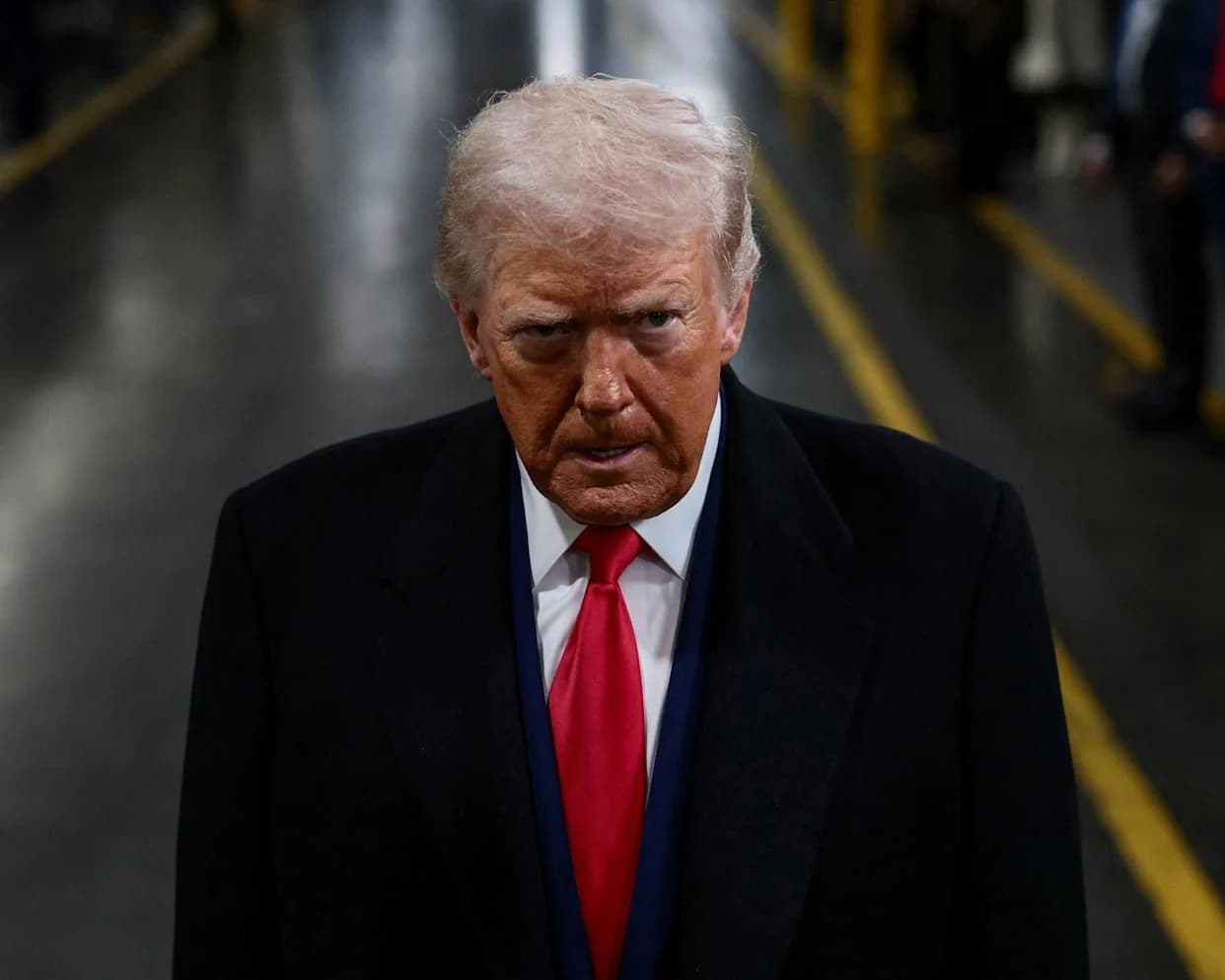
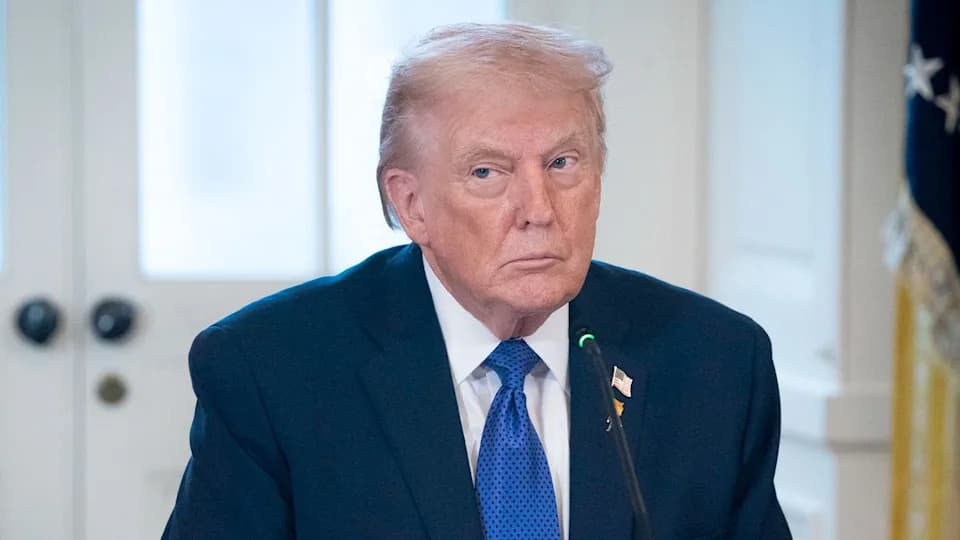
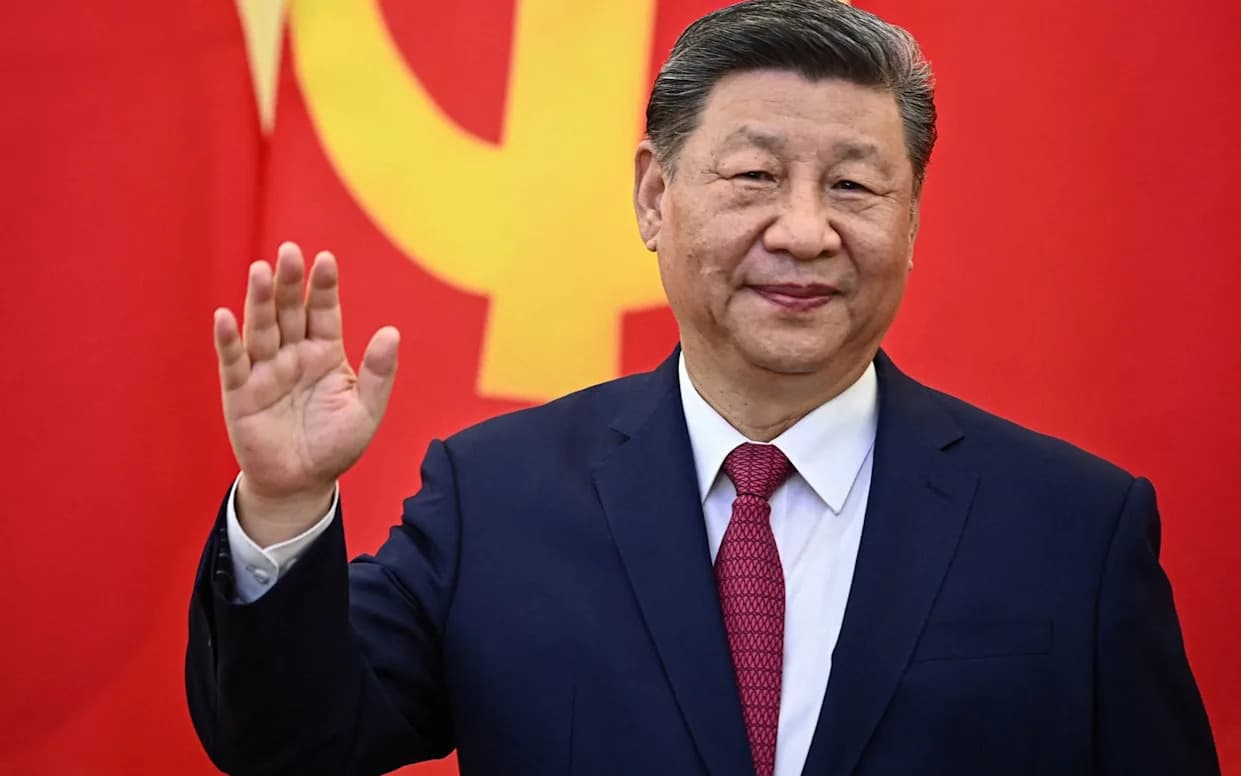
The Bulletin also noted that in October, U.S. President Donald Trump ordered the military to restart the process for testing nuclear weapons after a pause of more than three decades — a move experts say could increase pressure for others to resume explosive testing. China’s continuing expansion of its nuclear forces was singled out as a country that could benefit from a return to testing.
Technology, AI and Information Risks
Scientists raised concerns about the uncontrolled integration of artificial intelligence into military systems, AI's potential to assist in developing biological threats, and the technology's ability to accelerate disinformation. Nobel laureate Maria Ressa joined the announcement to warn that modern platforms and generative AI help falsehoods spread faster than facts, creating what she called an "information Armageddon."
"Of course, the Doomsday Clock is about global risks, and what we have seen is a global failure in leadership," Alexandra Bell said. "A shift towards neo-imperialism and an Orwellian approach to governance will only serve to push the clock toward midnight."
Context and Legacy
The Bulletin was founded in 1945 by scientists including Albert Einstein and J. Robert Oppenheimer to warn the public about risks that threaten humanity. The Doomsday Clock is a symbolic measure of how close the world stands to catastrophic destruction and is informed by experts in nuclear risk, climate science and technology. This move marks the third time in four years the clock has been set closer to midnight.
Why it matters: The Bulletin’s update is both a stark warning and a call to action for strengthened diplomacy, renewed arms-control measures, responsible AI governance, and more resilient international cooperation to reduce existential risk.
Help us improve.