This article explains practical ways to support immigrants and community resistance to ICE in Minnesota and beyond. It highlights local resources such as Stand With Minnesota and the Immigrant Rapid Response Fund, and lists volunteer roles like legal observers, food delivery, pet care, and translation. The piece emphasizes the importance of legal representation — which can make detainees up to 10.5 times more likely to win their cases — and urges readers to donate, volunteer, learn their rights, and contact elected officials.
How to Support Resistance to ICE in Minnesota — Practical Ways to Donate, Volunteer, and Advocate

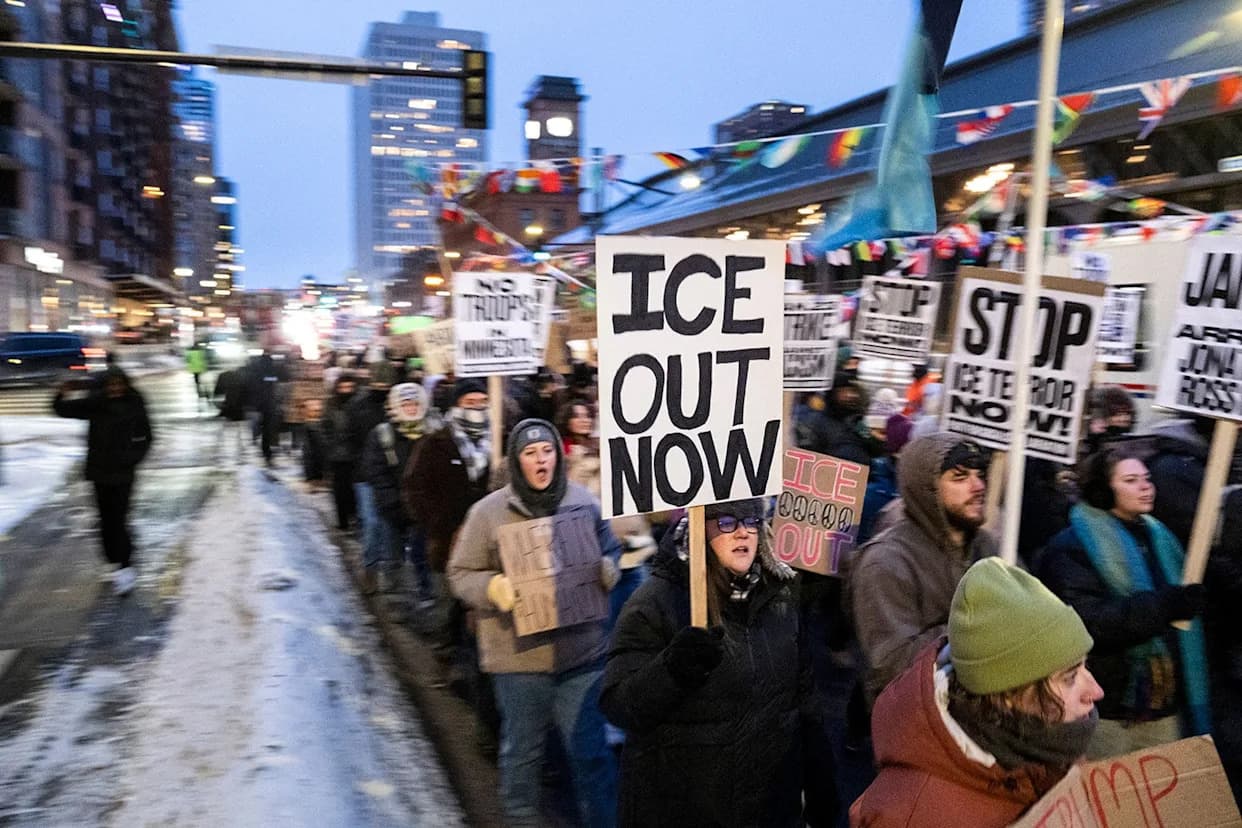
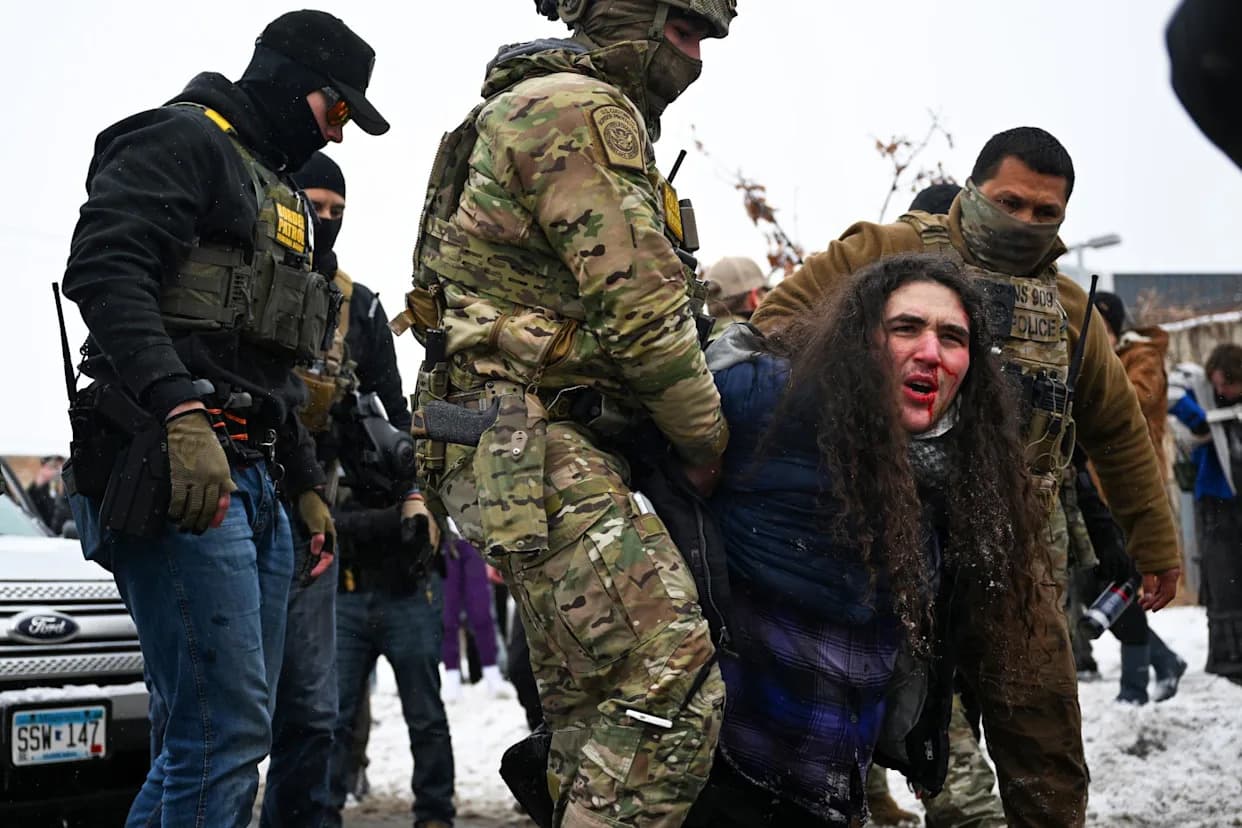
In the wake of ICE shootings in Minneapolis, locals have established vast networks of community resistance. There’s no shortage of ways to help. | Roberto Schmidt/AFP via Getty Images
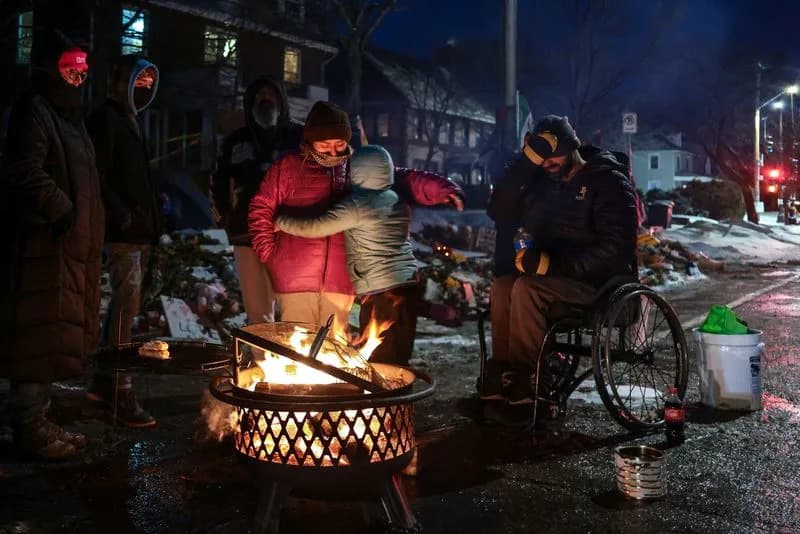
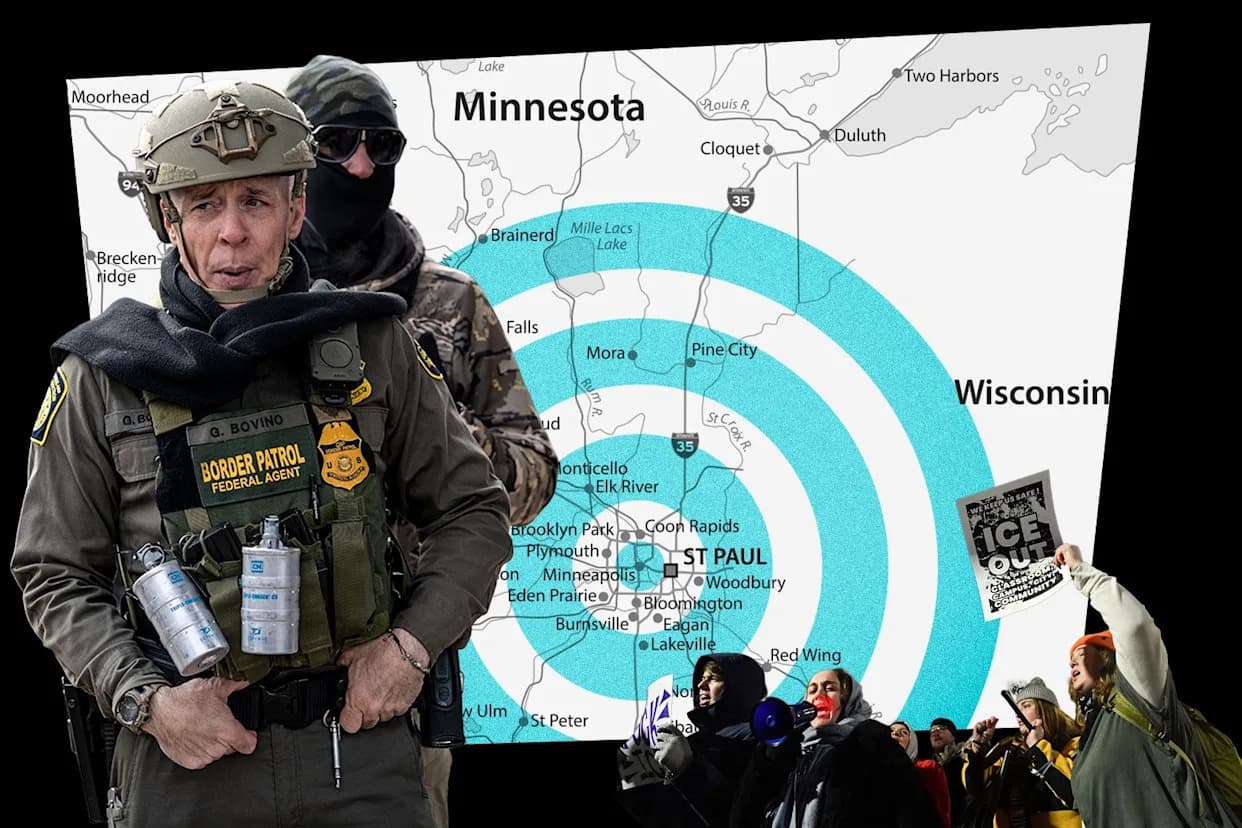
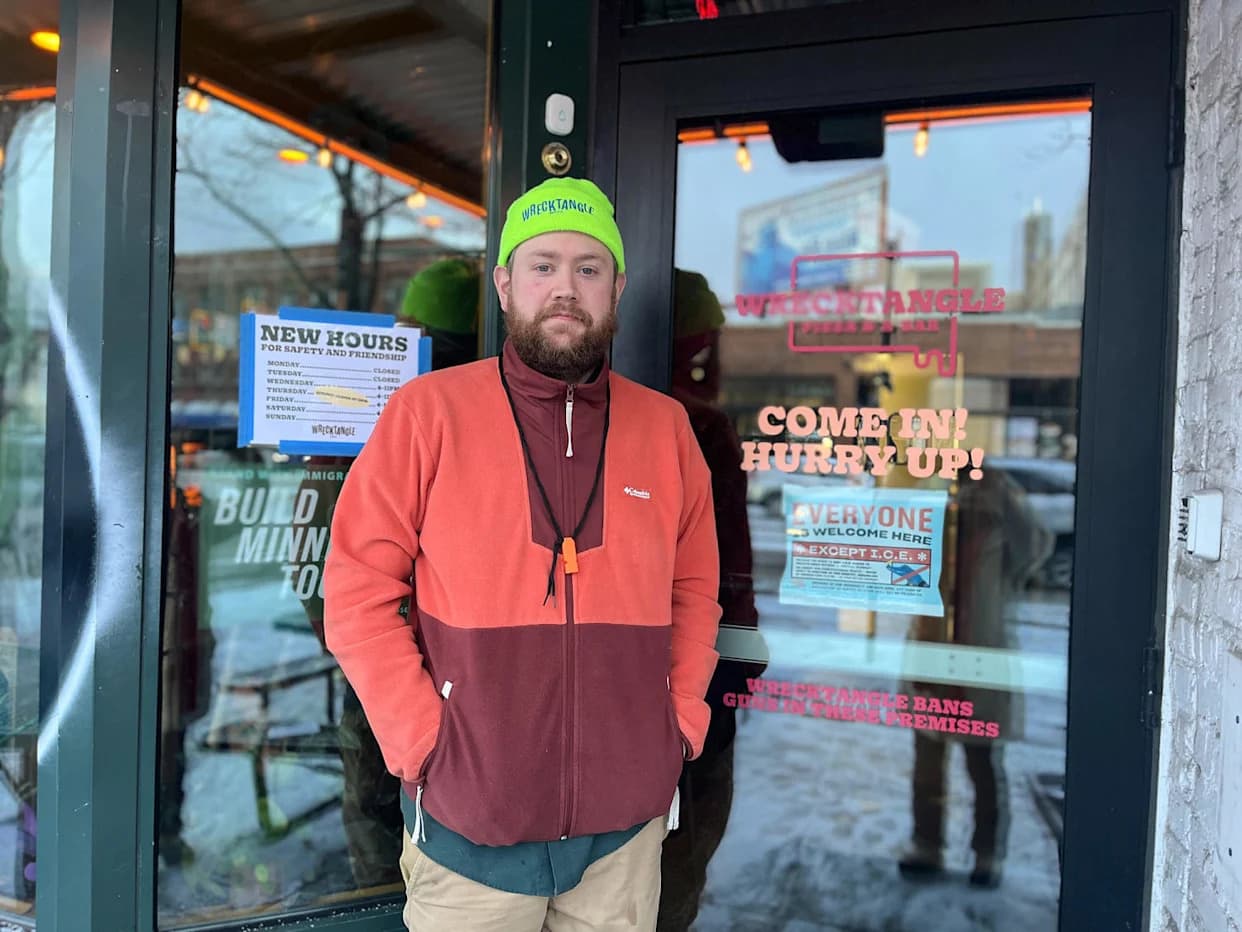
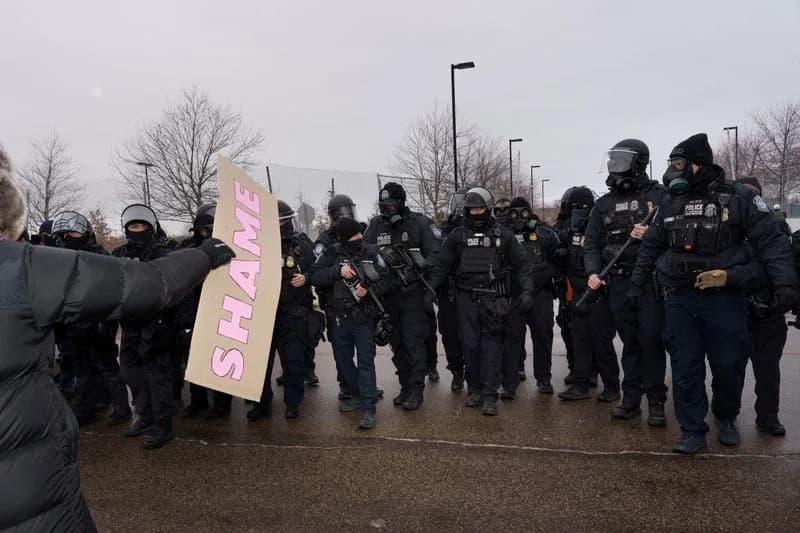
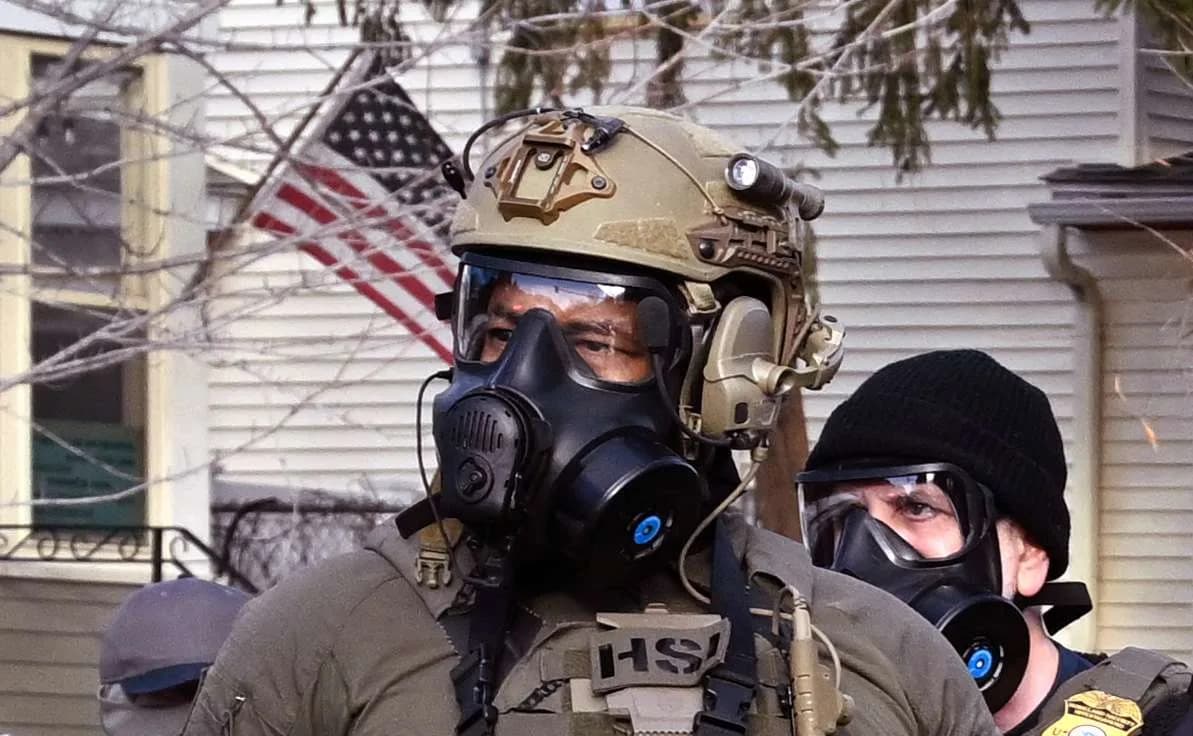
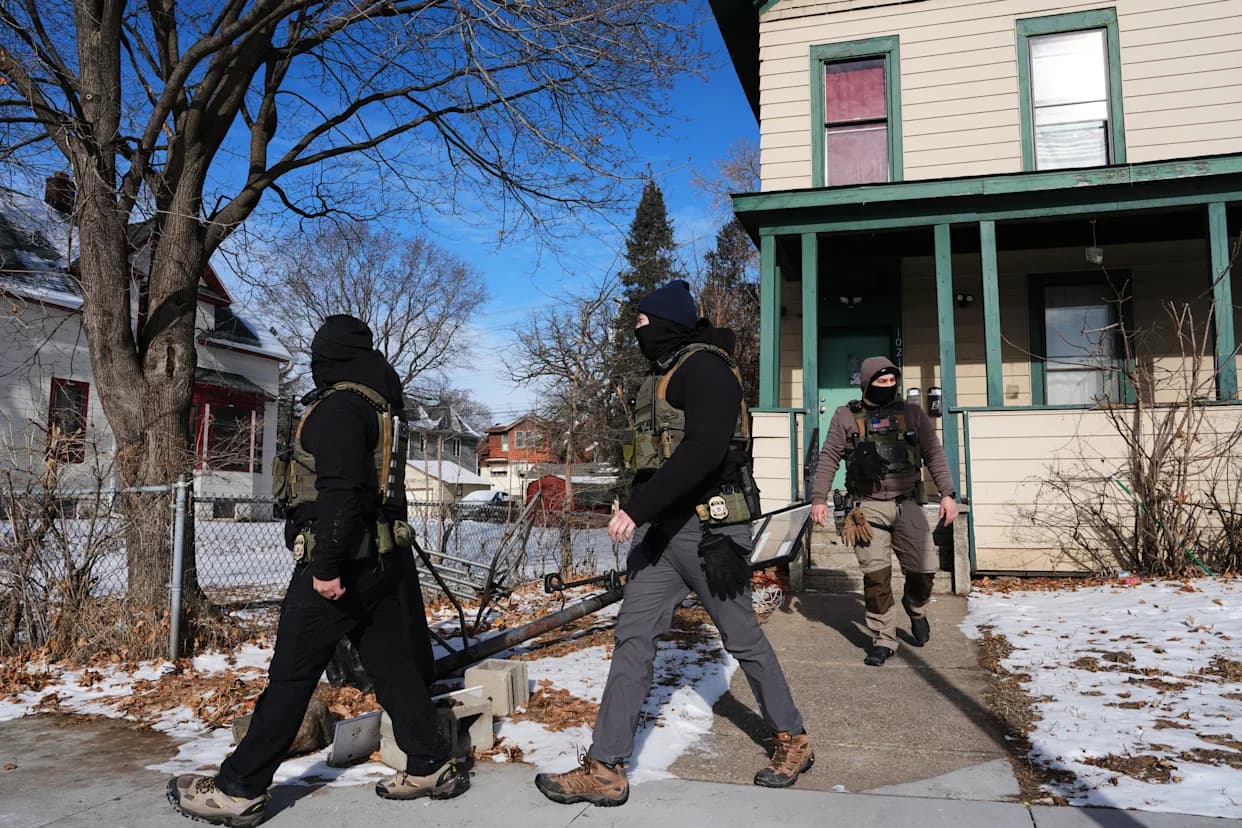
In recent weeks Minnesota has become a focal point of the federal government's intensified immigration enforcement, with thousands detained and troubling episodes of violence sparking deep community concern. Local volunteers and organizations have built extensive mutual-aid networks, trained legal observers, and organized donations and services to protect vulnerable families. If you want to help — in Minneapolis or in your own community — there are concrete, effective actions you can take right now.
Why This Matters
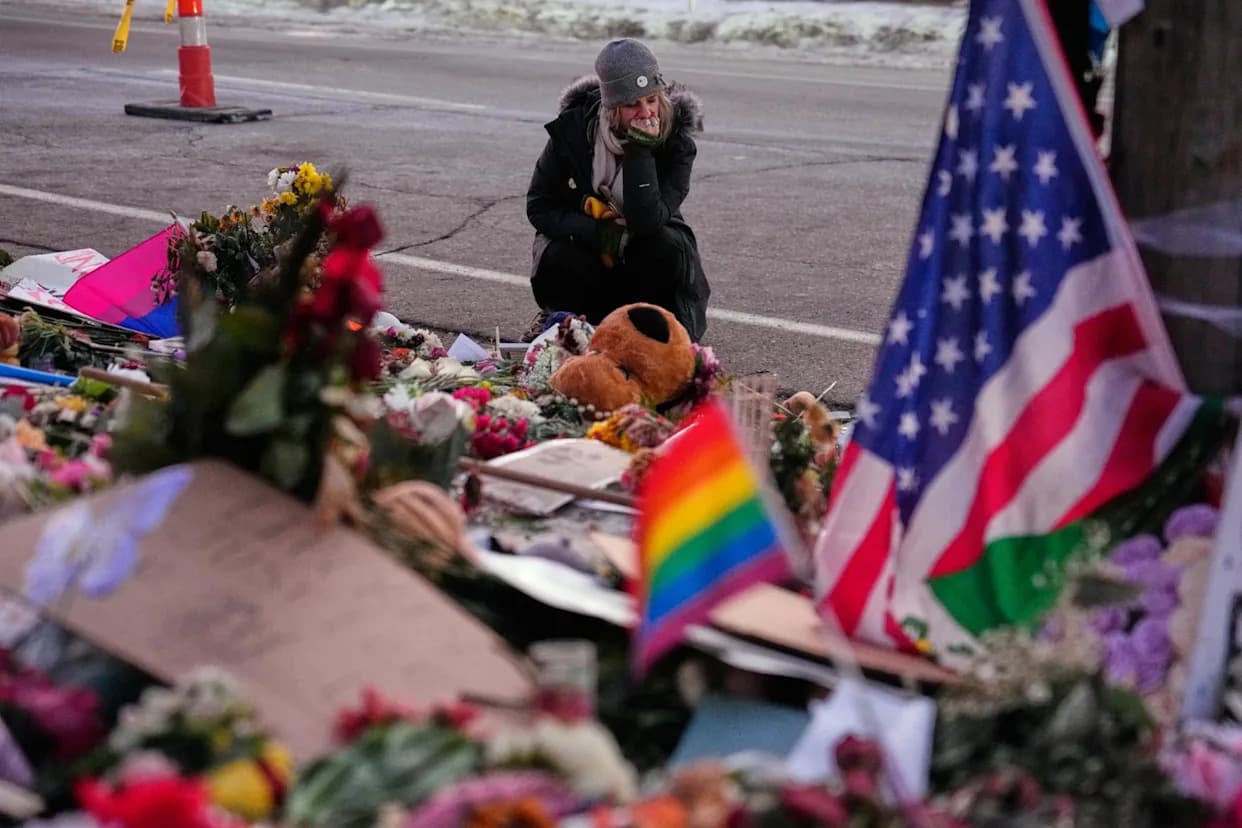
Two recent deaths — the killing of Alex Pretti by border patrol agents and, 17 days earlier, the death of Renee Nicole Good in an encounter involving an ICE agent — have intensified outrage and a sense of urgency. Graphic videos and reports of aggressive enforcement have left many Americans feeling shocked and powerless. Channeling that reaction into direct support for affected families and into sustained advocacy is a practical way to respond.
How You Can Help
Donate to Trusted Local Funds
Local funds and pooled philanthropic efforts can direct aid where it is most needed. Stand With Minnesota is a volunteer-maintained repository listing nonprofits, mutual-aid efforts, and crowdfunding links for neighborhoods, schools, and families. The Immigrant Rapid Response Fund (managed by the Women’s Foundation of Minnesota) pools donations and distributes them to urgent needs, including rent relief and emergency assistance.
Volunteer Where Help Is Needed
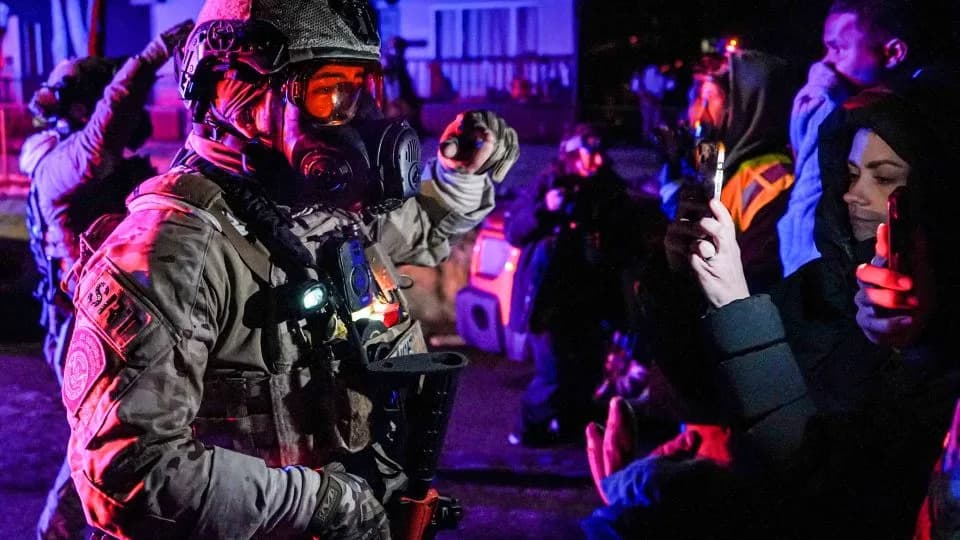
- Legal Observers: Groups like Monarca and Defend 612 offer training on constitutional rights and safety for people who want to document ICE activity. Filming enforcement is legal in public, but observers should understand the risks: arrests and confrontations have been reported.
- Food, Goods, and Delivery: Organizations such as the Sanneh Foundation, Twin Cities Food Justice, and Calvary Food Shelf need volunteers to pack and deliver groceries and essentials to families afraid to leave home.
- Practical Support: Initiatives like My Pitbull Is Family help care for pets when owners are detained; The People’s Laundry assists with cleaning clothes when people cannot safely go to laundromats.
- Interfaith and Community Outreach: The Interfaith Coalition on Immigration (ICOM) coordinates accompaniment to federal check-ins, emergency deliveries, and broader outreach work.
Support Legal Aid
Legal representation dramatically improves detainees' chances in immigration proceedings: the Vera Institute of Justice reports that those with counsel can be up to 10.5 times more likely to win their cases. Consider donating to or volunteering with organizations that provide free legal services across Minnesota, such as the Immigrant Law Center of Minnesota, Mid-Minnesota Legal Aid, and Southeastern Minnesota Interfaith Immigrant Legal Defense.
Use Language Skills
If you speak multiple languages, many groups need volunteers to accompany immigrants, translate during court appearances or check-ins, and staff hotlines. Freedom for Immigrants, for example, runs a national hotline that relies on multilingual volunteers to connect detainees and families with information and support.
Learn Your Rights and Take Civic Action
Understanding your rights when law enforcement or ICE is present helps keep you and others safer. For U.S. taxpayers and voters, calling or emailing representatives about enforcement policies is a direct way to press for humane alternatives and oversight.
Quick List of Local Resources
- Stand With Minnesota — curated list of local mutual aid, crowdfunding, and nonprofit resources
- Immigrant Rapid Response Fund (Women’s Foundation of Minnesota)
- Monarca — legal observer training
- Defend 612 — neighborhood coordination and observation
- Sanneh Foundation, Twin Cities Food Justice, Calvary Food Shelf — food and delivery programs
- My Pitbull Is Family; The People’s Laundry — pet care and laundry services
- Interfaith Coalition on Immigration (ICOM); Immigrant Law Center of Minnesota; Mid-Minnesota Legal Aid; Southeastern Minnesota Interfaith Immigrant Legal Defense — legal and accompaniment services
- Freedom for Immigrants — national hotline and volunteer opportunities
Note: Filming ICE or federal agents in public is generally legal, but it can carry personal risk. Follow training from experienced local groups and prioritize safety for yourself and those you're trying to help.
Whether you donate, volunteer, translate, train as an observer, or simply call your representatives, small actions add up. Standing with neighbors and supporting trusted organizations helps provide urgent relief today and builds pressure for long-term, humane policy changes.
Help us improve.