NASA's Artemis 2 crew entered a health-stabilization quarantine in Houston on Jan. 23 as the agency targets possible February launch dates. The four-person crew will perform a roughly 10-day flyaround of the Moon in an Orion spacecraft but will not attempt a landing. A key wet dress rehearsal fueling test for the SLS is scheduled for Feb. 2; earlier rehearsals exposed hydrogen leaks that delayed Artemis 1. Backup launch windows are available in March and April.
Artemis 2 Crew Enters Quarantine as NASA Eyes February Moon Flyaround

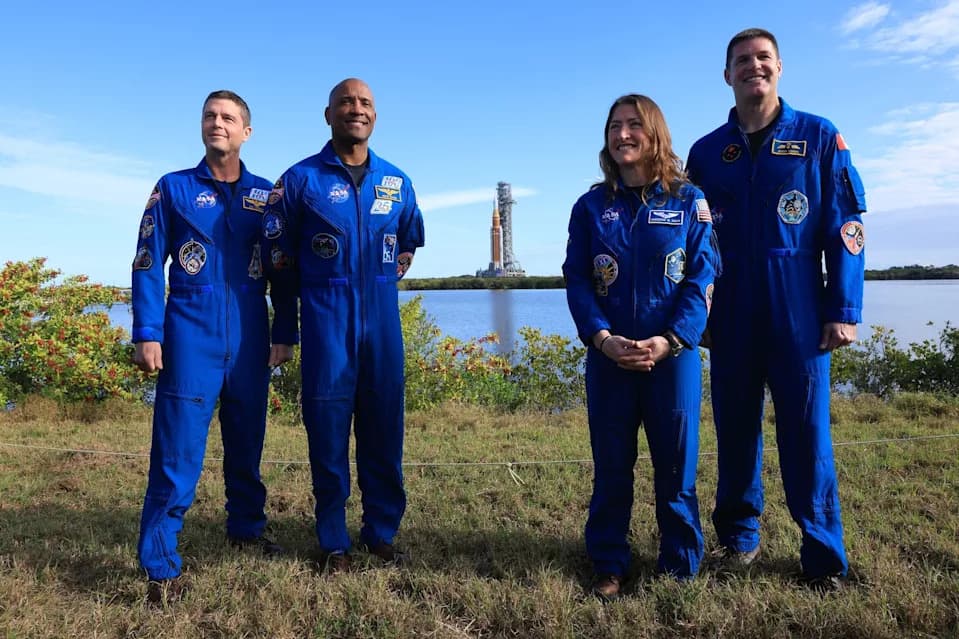
The Artemis 2 crew poses in front of an Orion simulator Jan. 23, 2026 at NASA's Johnson Space Center in Houston. From left: Reid Wiseman, Christina Koch, Jeremy Hansen and Victor Glover. | Credit: NASA/Robert Markowitz
NASA has moved another key piece into place for its next crewed flight toward the Moon: the four astronauts of Artemis 2 entered a health-stabilization quarantine at a Houston facility on Friday, Jan. 23. The precaution helps protect the crew and preserve launch flexibility as NASA targets potential liftoff opportunities early next month.
"This period, called the health stabilization program, typically starts about 14 days before launch," NASA said in a statement. "Beginning quarantine now preserves flexibility as teams work toward potential opportunities in the February launch period."
The crew for Artemis 2 includes NASA astronauts Reid Wiseman, Victor Glover and Christina Koch, along with Canadian Space Agency astronaut Jeremy Hansen. They are scheduled for a roughly 10-day crewed flyaround of the Moon aboard an Orion spacecraft. The mission will not land on the lunar surface or enter lunar orbit, but it would be the first crewed mission to travel to lunar vicinity since Apollo 17 in 1972.
Launch Planning and Windows
NASA is currently eyeing multiple launch windows. February offers five potential dates: Feb. 6–8 and Feb. 10–11. If those dates slip, backup windows are available in March (March 6–9 and March 11) and April (April 1, April 3–6 and April 30).
If quarantine proceeds as planned in Houston, the crew is expected to fly to NASA's Kennedy Space Center in Florida about six days before liftoff. There they will live and work in the Neil A. Armstrong Operations and Checkout Building while completing final simulations, training and medical checks.
Wet Dress Rehearsal and Technical Risks
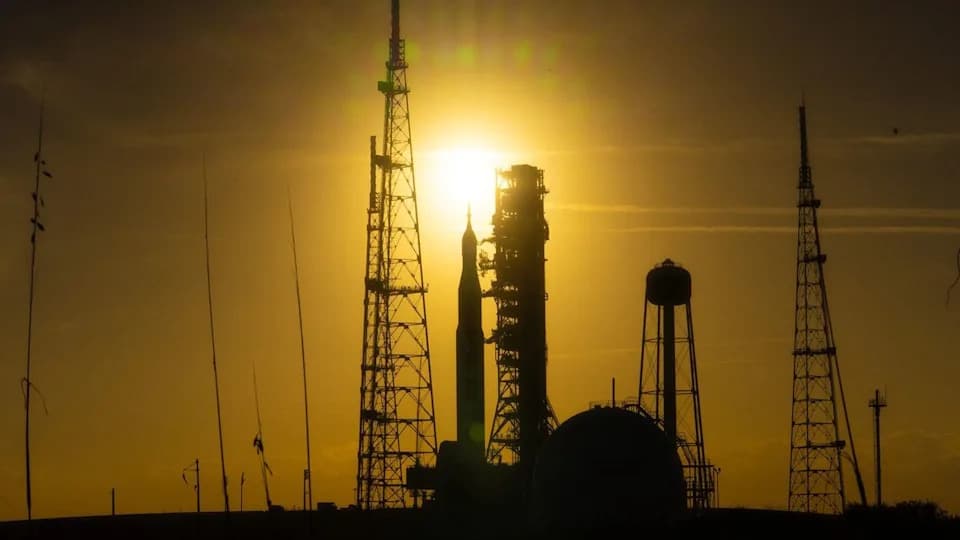
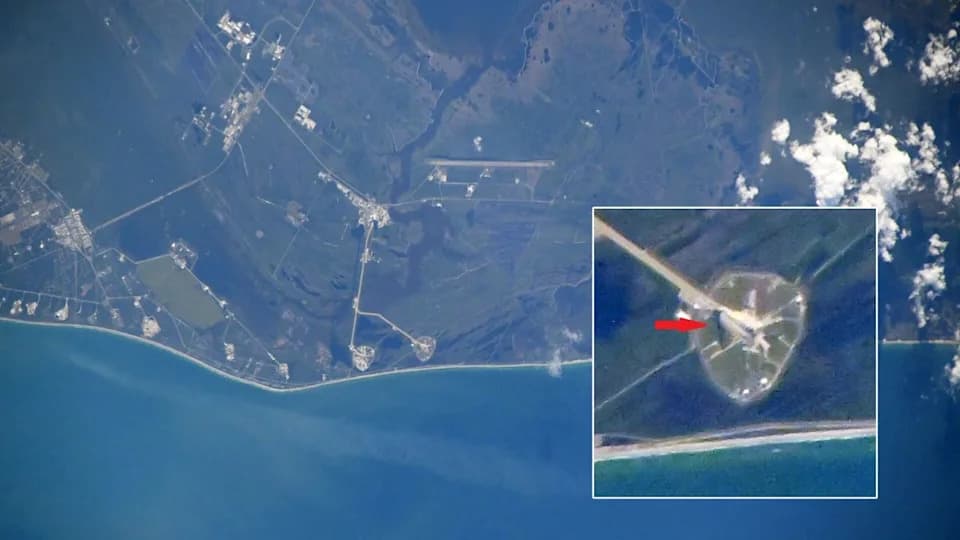
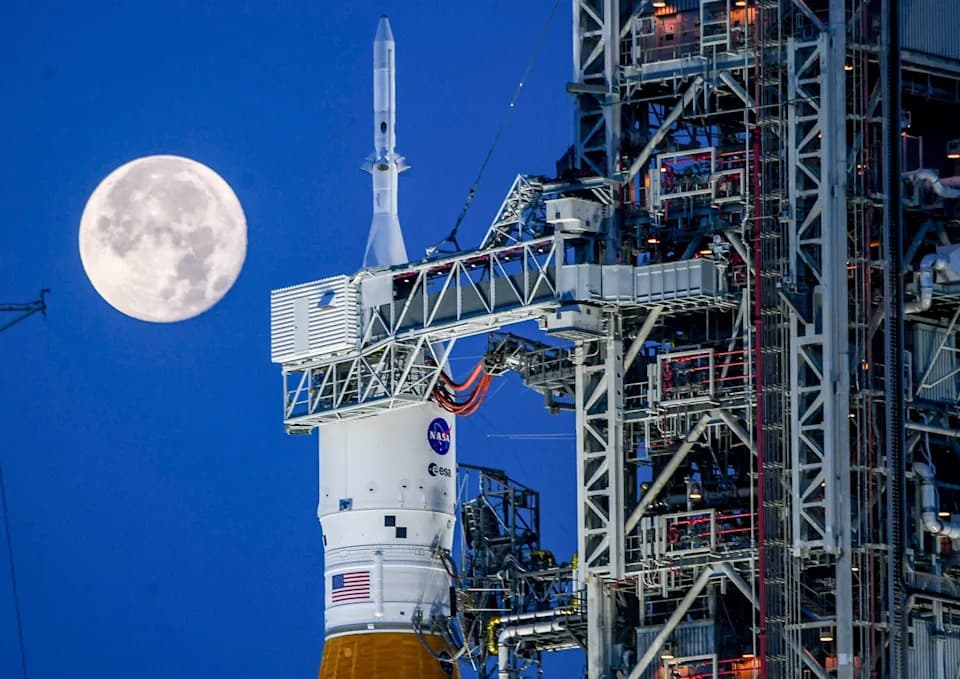
NASA is preparing for a critical fueling test — a wet dress rehearsal — for the Space Launch System (SLS) core stage scheduled for Feb. 2 at Launch Pad 39B. During a wet dress rehearsal, teams load propellant into the rocket and exercise launch pad and vehicle systems to validate procedures ahead of launch.
Wet dress rehearsals carry risk: previous SLS testing for Artemis 1 revealed liquid hydrogen leaks that caused lengthy delays. Artemis 1 eventually launched successfully in November 2022 after resolving those issues, sending an uncrewed Orion on a lunar orbital mission and back to Earth.
NASA emphasized that the quarantine period allows the agency to maintain schedule flexibility while completing final preparations and addressing any technical issues that arise during testing.
Help us improve.