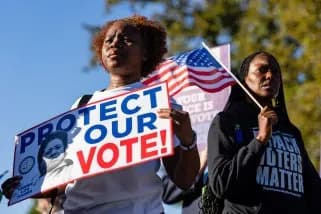
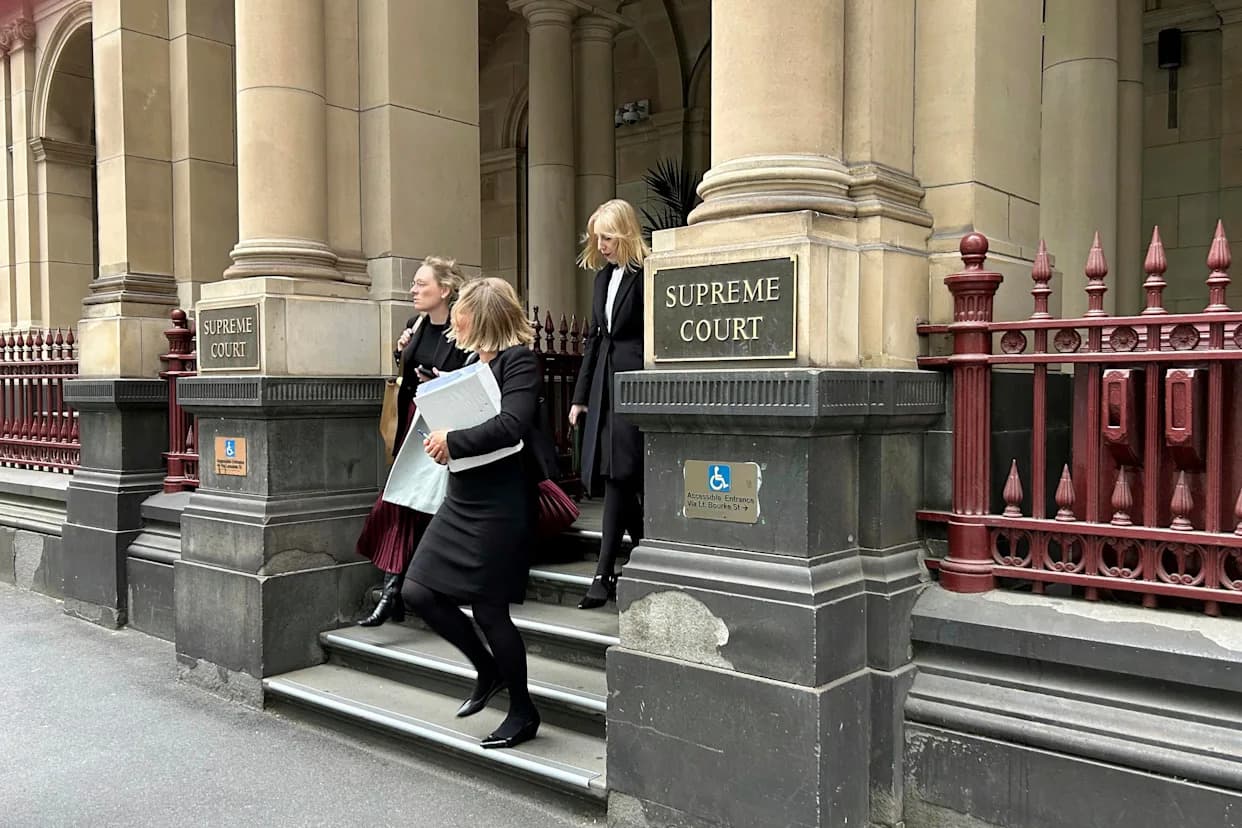
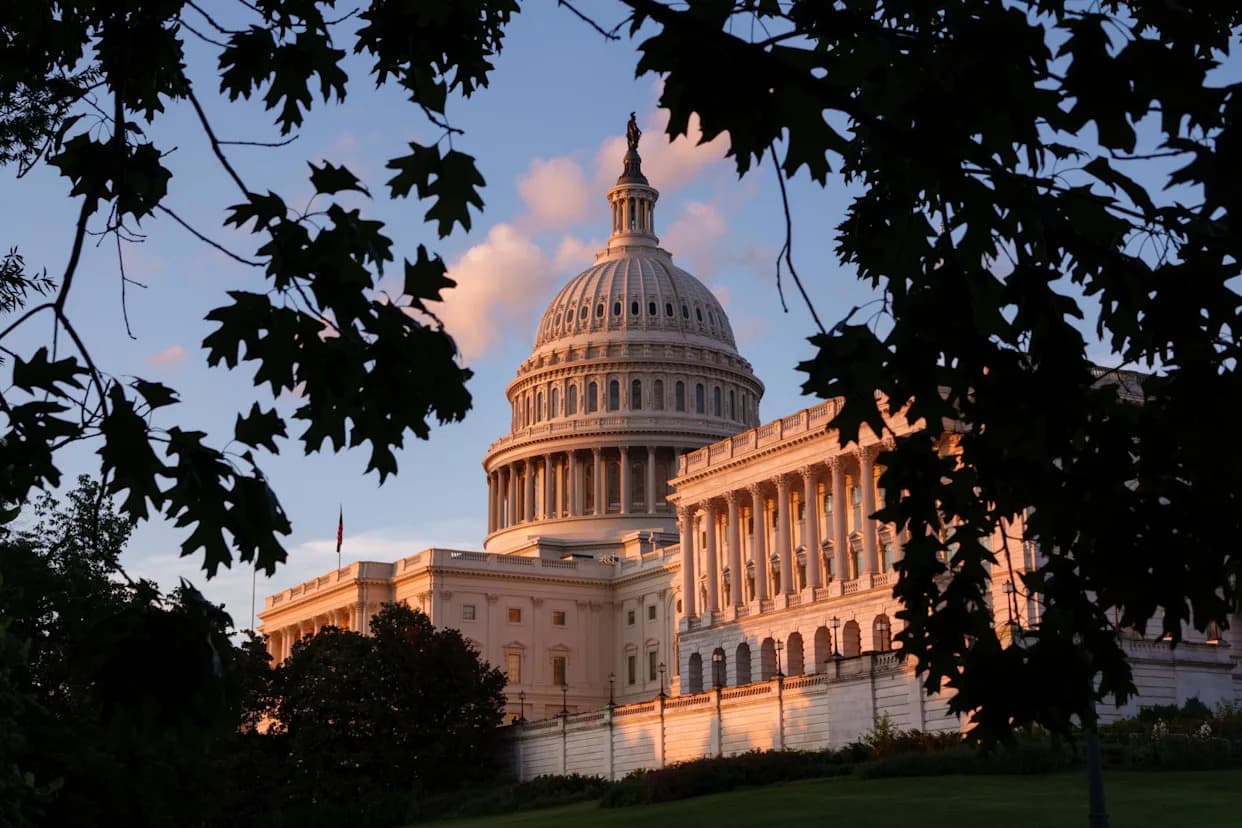
The Supreme Court is expected to decide Louisiana v. Callais, a case that could weaken or eliminate the race-conscious protections of Section 2 of the Voting Rights Act. Texas’s recent redistricting — blocked by a federal judge for racial concerns and then reinstated by the Supreme Court — illustrates the disruption and disenfranchisement that could spread nationwide. If Section 2 is gutted, states and localities could redraw maps in discriminatory ways with limited judicial remedy, jeopardizing representation for Black, Latino, Asian and Native American voters.
The Supreme Court Could Spread Texas-Style Gerrymandering Nationwide — Here’s What’s At Stake
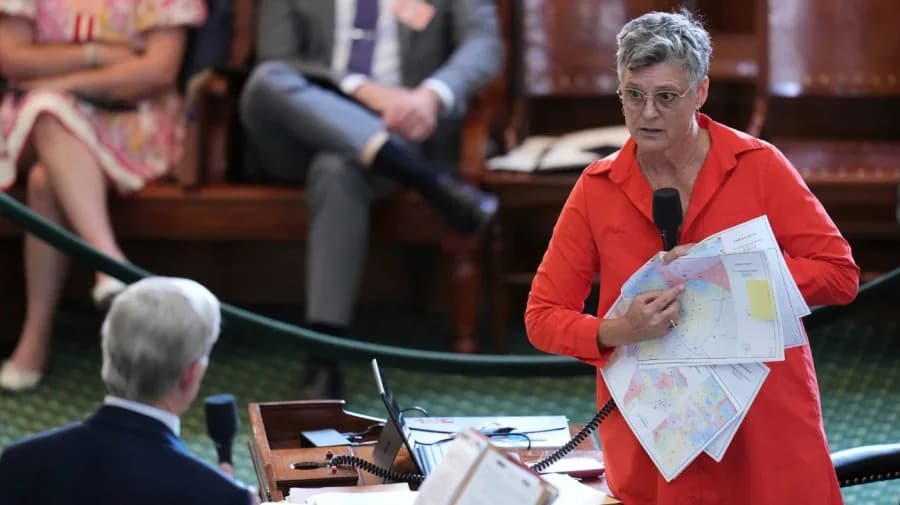
Texas voters have endured a turbulent year of partisan redistricting fights that, critics say, disenfranchised communities of color. A contested map was blocked by a Trump-appointed federal judge and then reinstated by the Supreme Court, creating confusion that could ripple nationwide if the Court weakens key voting-rights protections.
Why Section 2 Matters
Section 2 of the Voting Rights Act is one of the last federal tools to prevent racially discriminatory district maps. Courts use Section 2 to examine whether maps dilute the political power of Black, Latino, Asian and Native American voters. In Louisiana v. Callais, the Fifth Circuit ordered Louisiana to adopt a map with two majority-Black districts — a decision now facing likely review by the Supreme Court.
How Previous Rulings Have Narrowed Protections
Over the past decade the Supreme Court has narrowed federal oversight of redistricting: it struck down the Voting Rights Act’s preclearance formula in 2013, limited federal courts’ ability to intervene in partisan gerrymandering, and recently imposed a new hurdle requiring challengers to offer a remedial map that preserves the exact partisan outcome. Those decisions have made litigation more difficult where race and party affiliation overlap.
What Happened In Texas
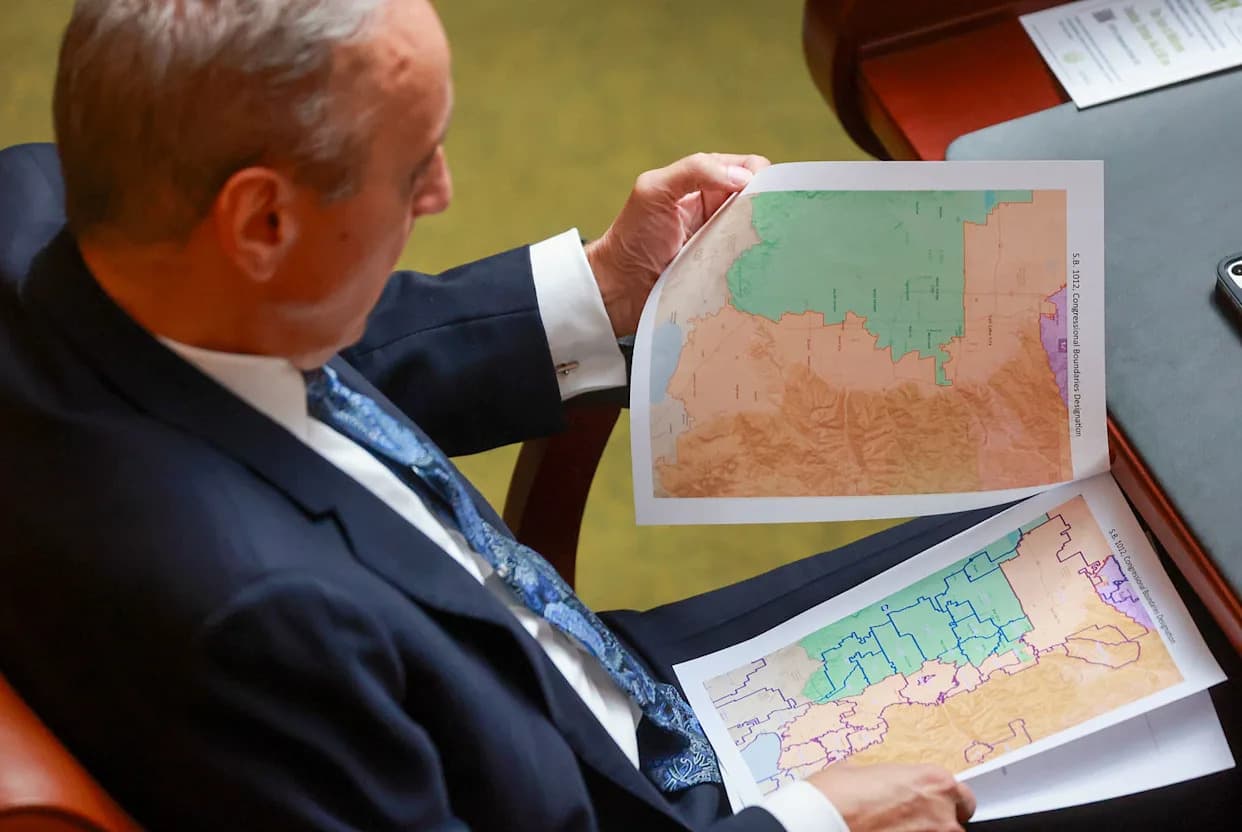
This summer the Department of Justice sent a letter urging Texas to dismantle several majority-minority districts based on its reading of Section 2. Two days later, Governor Greg Abbott called a special session and the state legislature passed a new congressional map with little public input. The map allowed white Texans — about 40% of the population — to control roughly 79% of congressional seats, despite about 95% of Texas’s population growth since 2010 occurring in communities of color.
A federal judge found that race, not partisan politics, predominated in the redistricting. Still, the Supreme Court allowed the map to stand, citing proximity to an election — a decision critics say risks leaving Texans with a racially skewed map for the 2026 primary.
Why Louisiana v. Callais Matters Nationally
If the Supreme Court substantially weakens or strips the race-conscious element of Section 2 in Callais, state and local governments could face far fewer legal constraints when drawing districts. That would likely trigger a wave of redistricting efforts that could disenfranchise voters of color and create chaos for upcoming election cycles, including the 2026 primaries.
What You Can Do
Advocates urge public pressure on lawmakers, congressional reform of redistricting law, and vigilance at every level of government to protect gains in representation for communities of color. Transparent public hearings, stronger federal safeguards, and organized civic engagement can help counter attempts to roll back voting rights.
Veronikah Warms is the Voting Rights Policy Attorney for the Texas Civil Rights Project and has worked in the Texas legislative sphere for the last decade.
Help us improve.