The remains of Master Sergeant Ran Gvili were returned to Israel, prompting the removal of yellow ribbons and the stoppage of a 843‑day countdown in Tel Aviv’s Hostages Square. Forensic teams in northern Gaza scanned roughly 250 bodies and used dental identification after intelligence from an interrogated Palestinian Islamic Jihad member helped locate the remains. The October 2025 ceasefire required transfers of living hostages and remains; reopening Rafah and the next-phase terms remain contested and unresolved. Gaza’s Health Ministry reports 488 deaths since the ceasefire and about 20,000 people needing medical evacuation.
Israel Receives Remains Of Last Hostage; Tel Aviv Countdown Stops After 843 Days
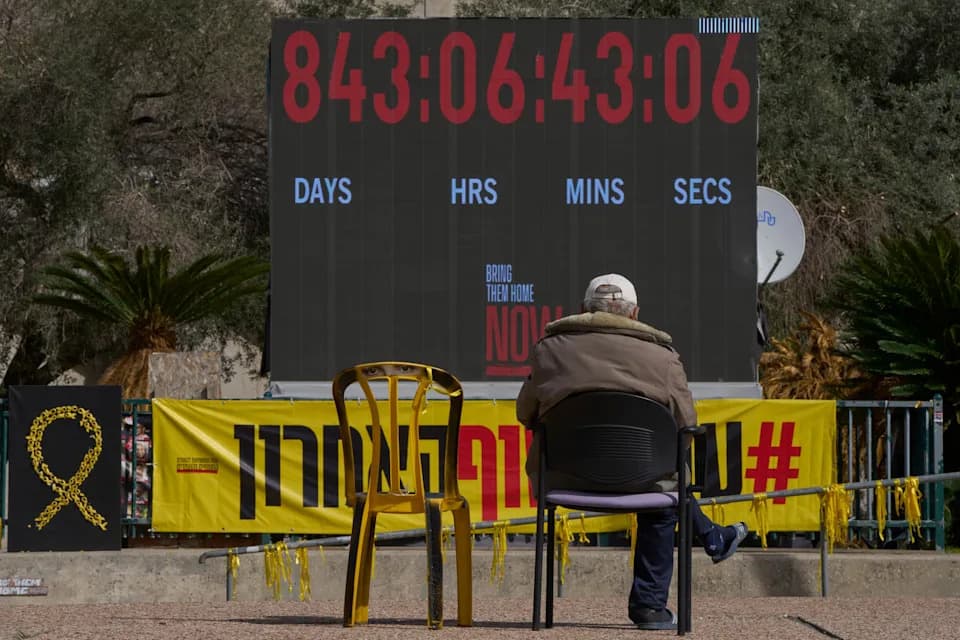
Passersby observe a screen displaying time elapsed since the Hamas attack, one day after the return of remains of Ran Gvili the final hostage in Gaza, in Hostages Square, Tel Aviv, Israel, Tuesday, Jan. 27, 2026. (AP Photo/Ohad Zwigenberg)(ASSOCIATED PRESS)
The remains of 24-year-old Master Sergeant Ran Gvili, killed during the Oct. 7, 2023, attack, were returned to Israel, prompting mourners in Tel Aviv’s Hostages Square to remove yellow ribbons and stop a clock that had tracked the hostages’ captivity at 843 days, 12 hours, 5 minutes and 59 seconds.
Before a funeral planned for Wednesday, Israeli forensic teams conducted a coordinated operation in a cemetery in northern Gaza to locate, exhume and identify Gvili’s remains. The effort involved search teams, intelligence personnel and forensic odontologists.
How Identification Was Made
A Shin Bet spokesman said investigators secured a breakthrough after interrogating a member of Palestinian Islamic Jihad; that information corroborated other intelligence that led to Gvili’s recovery. The security service said the body had been moved several times while in Gaza.
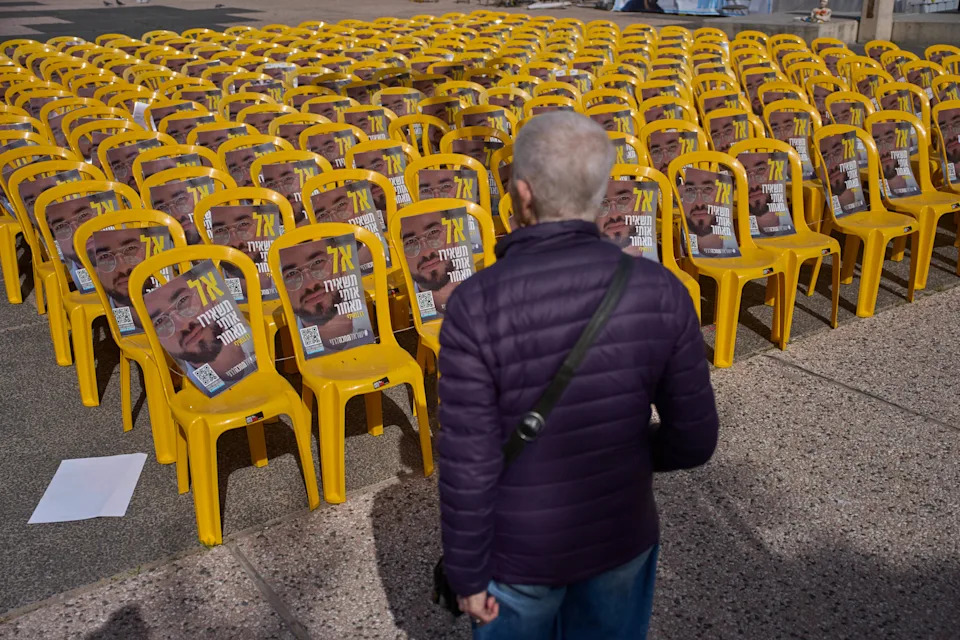
A woman walks by chairs with photos of Ran Gvili, the final hostage in Gaza who was killed while fighting Hamas militants during the Oct. 7, 2023 attack, a day after his remains were recovered, in a plaza known as Hostages Square, in Tel Aviv, Israel, Israel, Tuesday, Jan. 27, 2026. (AP Photo/Ohad Zwigenberg)(ASSOCIATED PRESS)
A military official, speaking on the record according to army protocol, said more than 20 dentists from a military unit worked for over 24 hours, scanning roughly 250 bodies until Master Sergeant Ran Gvili was positively identified.
Ceasefire Terms, Exchanges And Contention
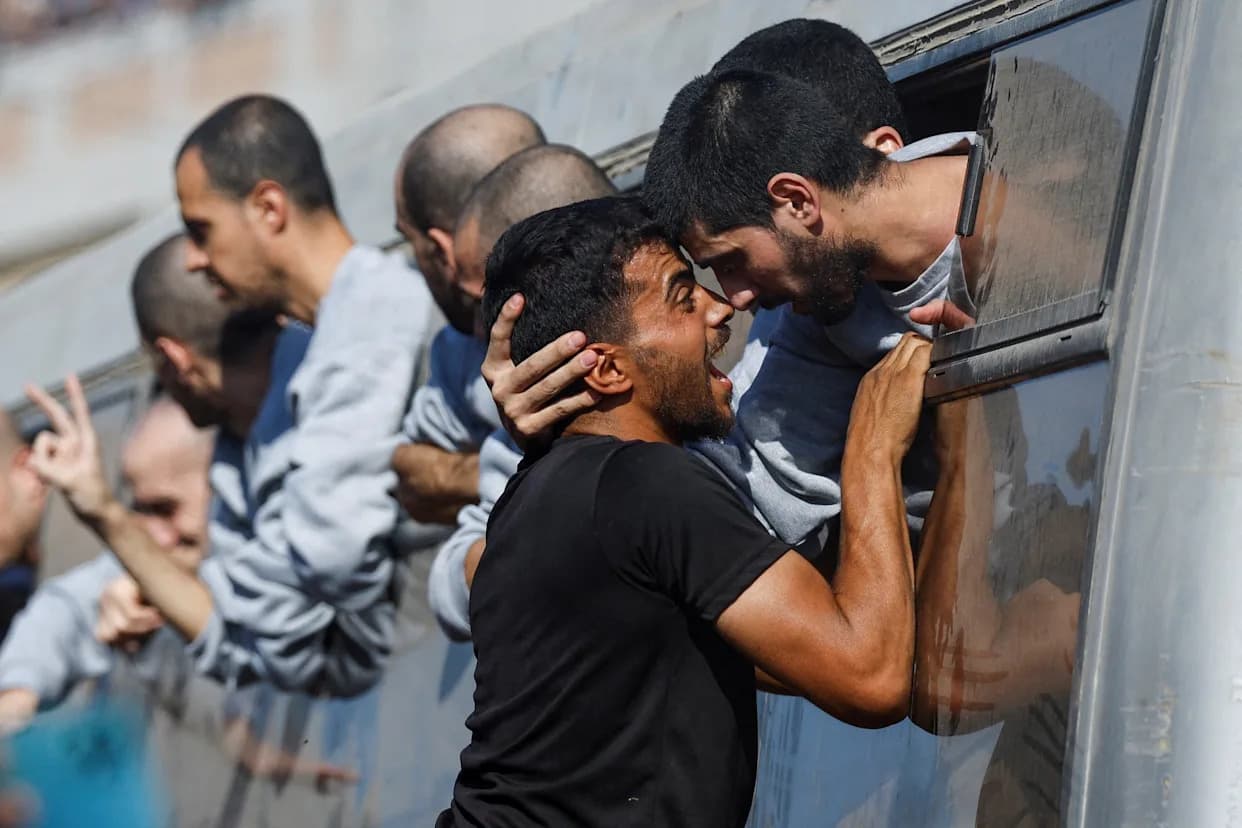
The October 2025 ceasefire called for Hamas to return 20 living hostages and the remains of 28 deceased in its first phase. On the day the ceasefire began, the living hostages and the remains of four deceased were transferred. Under the agreement, Israel pledged to return the remains of 15 Palestinians in its custody for each Israeli body recovered.
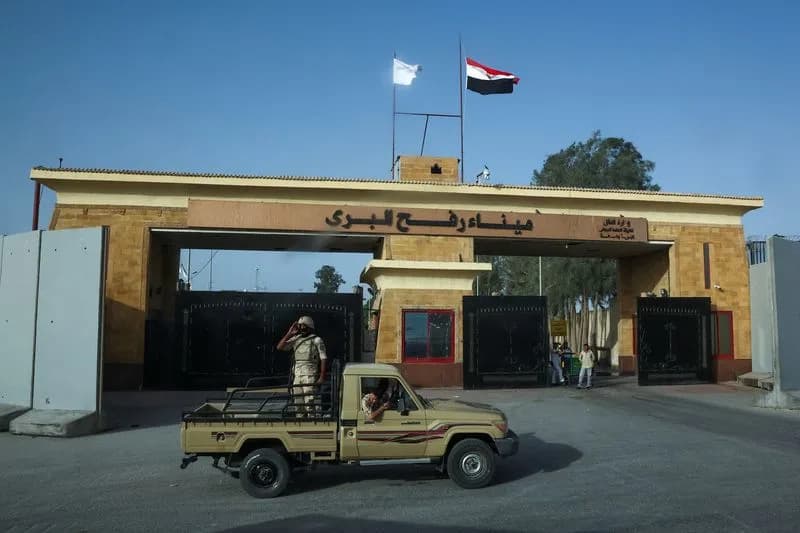
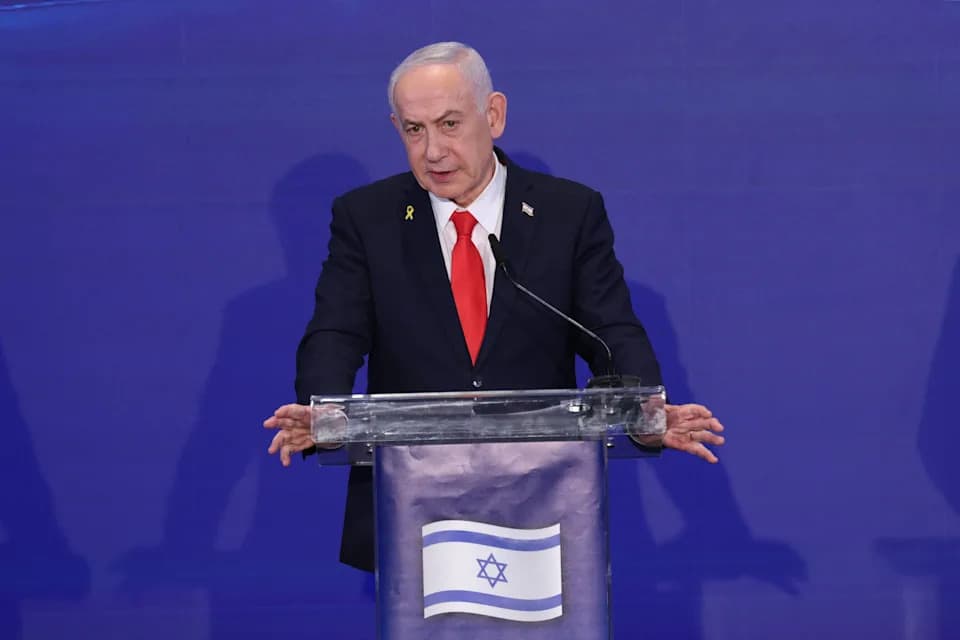
Israeli Prime Minister Benjamin Netanyahu linked reopening the Rafah border crossing in southern Gaza to the continued return of hostages and remains. Israeli officials have said Rafah would initially reopen for people only, not goods, and have given limited details about who will be eligible to cross or whether departures will be restricted to medical evacuations.
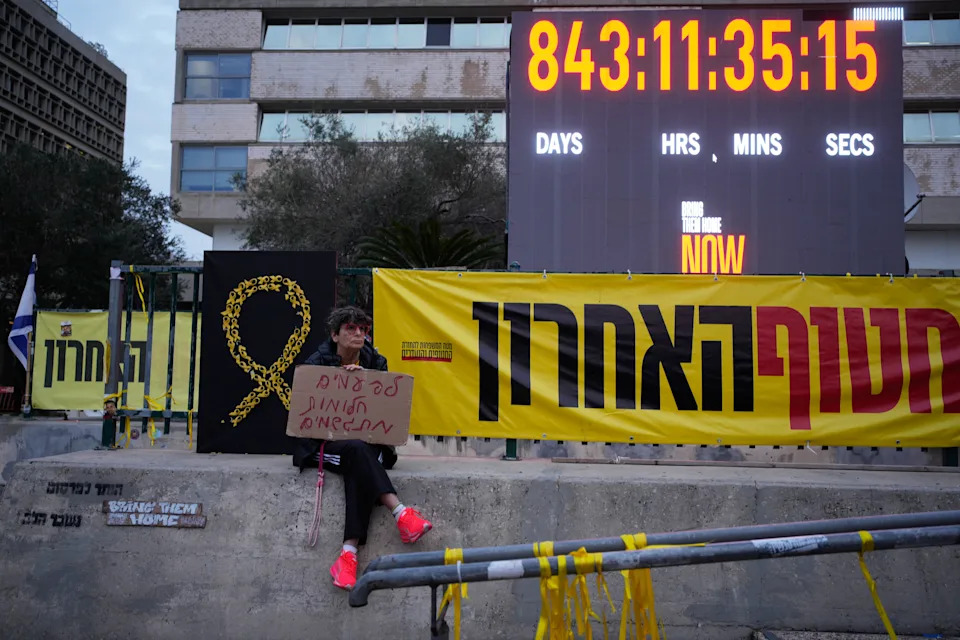
A woman holds a sign reading "sometimes dreams come true" beside a screen showing the time elapsed since the Hamas attack at Hostages Square in Tel Aviv, Israel, Tuesday, Jan. 27, 2026, one day after the remains of Ran Gvili, the final hostage held in Gaza, were returned. (AP Photo/Ohad Zwigenberg)(ASSOCIATED PRESS)
Conflicting Accounts And Local Impact
Gaza militant groups disputed Israel’s account of how Gvili’s body was located. Both Hamas and Palestinian Islamic Jihad said they had passed coordinates to Israel through intermediaries. Saraya al-Quds, Islamic Jihad’s military wing, accused Israel of delaying searches after sharing location information.
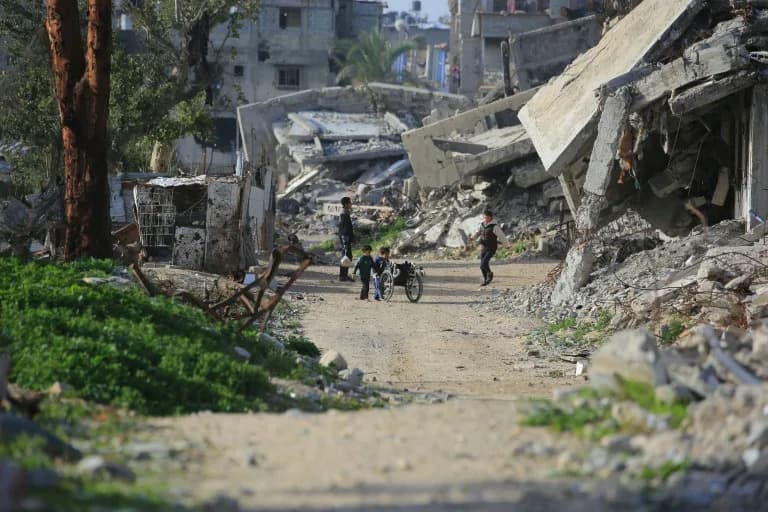
Residents near the cemetery said some exhumed remains were left exposed or only lightly covered; relatives and local witnesses described being turned away from the area by Israeli forces. Hospital officials at Shifa reported two people were killed in a drone strike while attempting to reach the site; the Israeli military said it was unaware of such strikes and urged caution about unverified reports.
“It’s happy and sad… we had been holding out for a miracle… but it’s such a relief it’s finally over,”
— Karen Gafen Solomon, longtime participant in the protest movement demanding the hostages’ release.
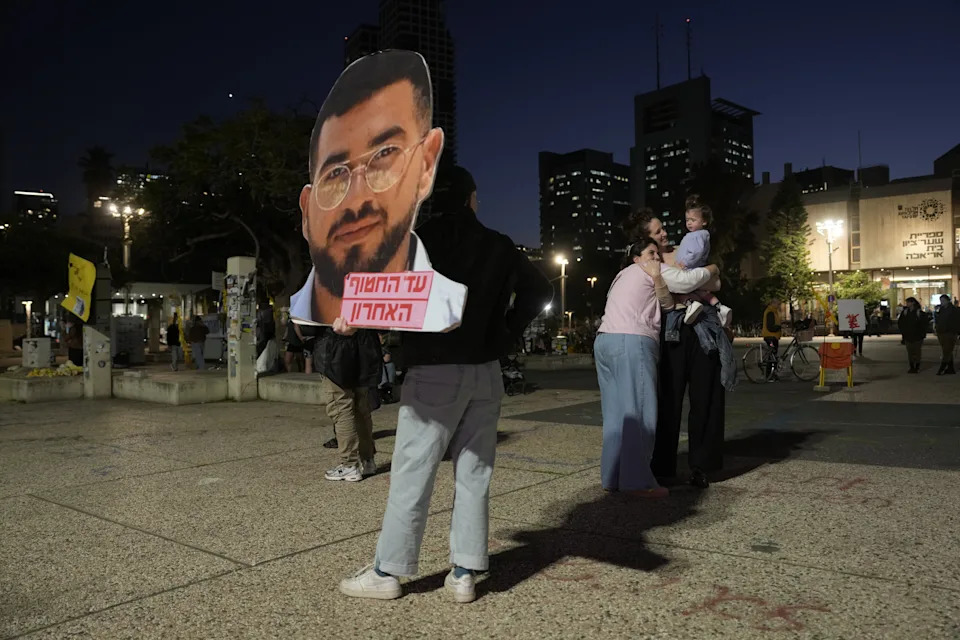
A woman carries a photo of Israeli hostage Ran Gvili after the announcement that his remains were the last to be recovered from Gaza, had been identified, in a plaza known as Hostages Square in Tel Aviv, Israel, Monday, Jan. 26, 2026. (AP Photo/Oded Balilty)(ASSOCIATED PRESS)
What Comes Next
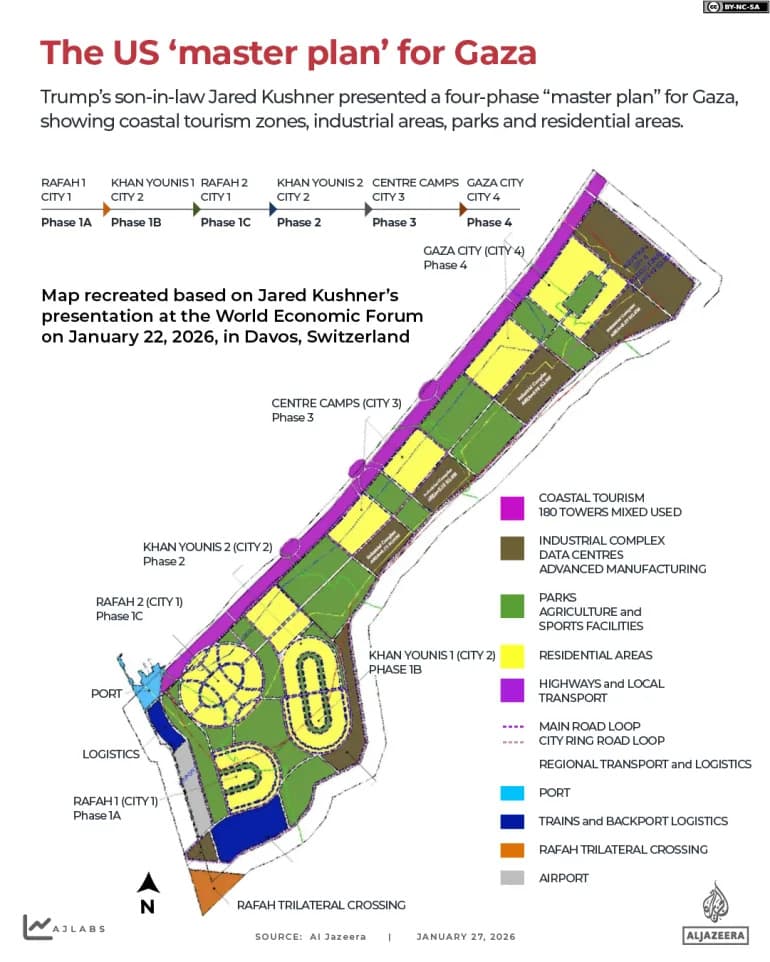
International mediators are pressing both sides toward subsequent, more complex steps of the ceasefire, including reopening Rafah more fully, arranging demilitarization measures, and defining mechanisms for governance, monitoring and reconstruction. Many details remain unresolved, such as who may cross Rafah, the timing of humanitarian aid from Egypt, and conditions for the return of displaced Palestinians.
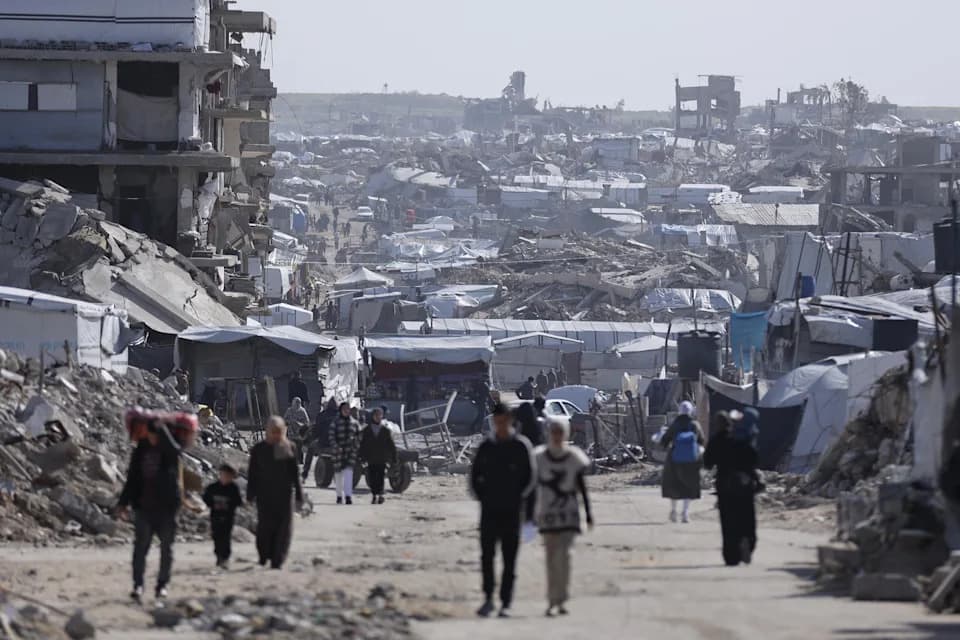
Gaza’s Health Ministry, part of the Hamas-led administration and whose casualty figures are considered broadly reliable by U.N. agencies and many experts, reported 488 deaths since the start of the ceasefire and a cumulative toll of 71,662 as of Tuesday. The ministry also said roughly 20,000 Palestinians require medical evacuation from Gaza; departures to Egypt are expected to be among the first movements permitted through Rafah.
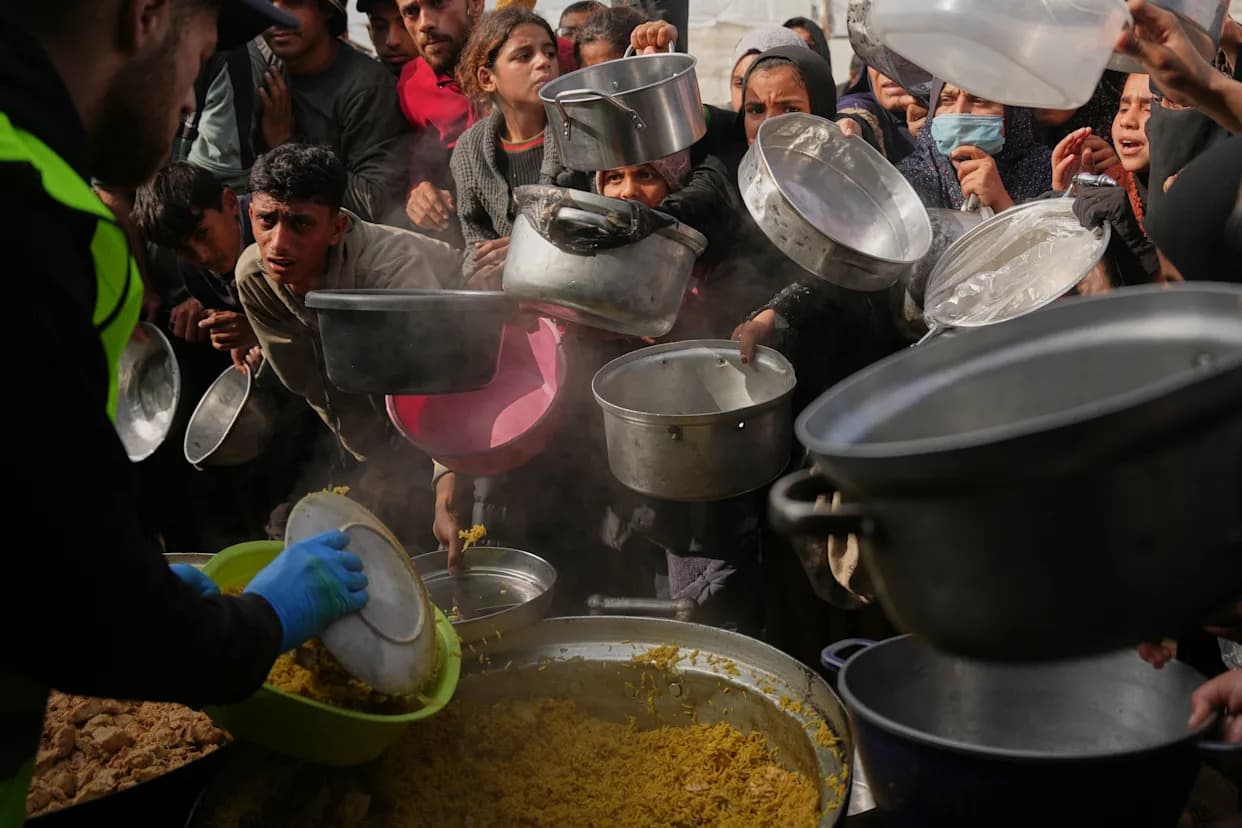
President Isaac Herzog said the return of Gvili’s remains had “closed the circle” for Israel, while international envoys described the moment as significant. Yet displaced families in Gaza said the immediate humanitarian situation — shelter, fuel and medical care — remained dire.
Reporting note: The situation remains fluid and information may change as officials from all parties provide updates and as independent verification continues.
Help us improve.