The study demonstrates that earthquake seismometers can detect sonic booms from reentering space debris and reconstruct descent paths more accurately than orbital radar in some cases. Analysis of a 2024 Chinese module reentry using data from over 120 seismometers placed the fall nearly 20 miles (30 km) south of radar estimates. The method has been applied retrospectively to dozens of reentries, including SpaceX Starship debris, and could speed recovery and hazard assessment—especially over remote ocean regions.
Sonic Booms Reveal Where Space Junk Falls: Seismometers Pinpoint Reentry Paths

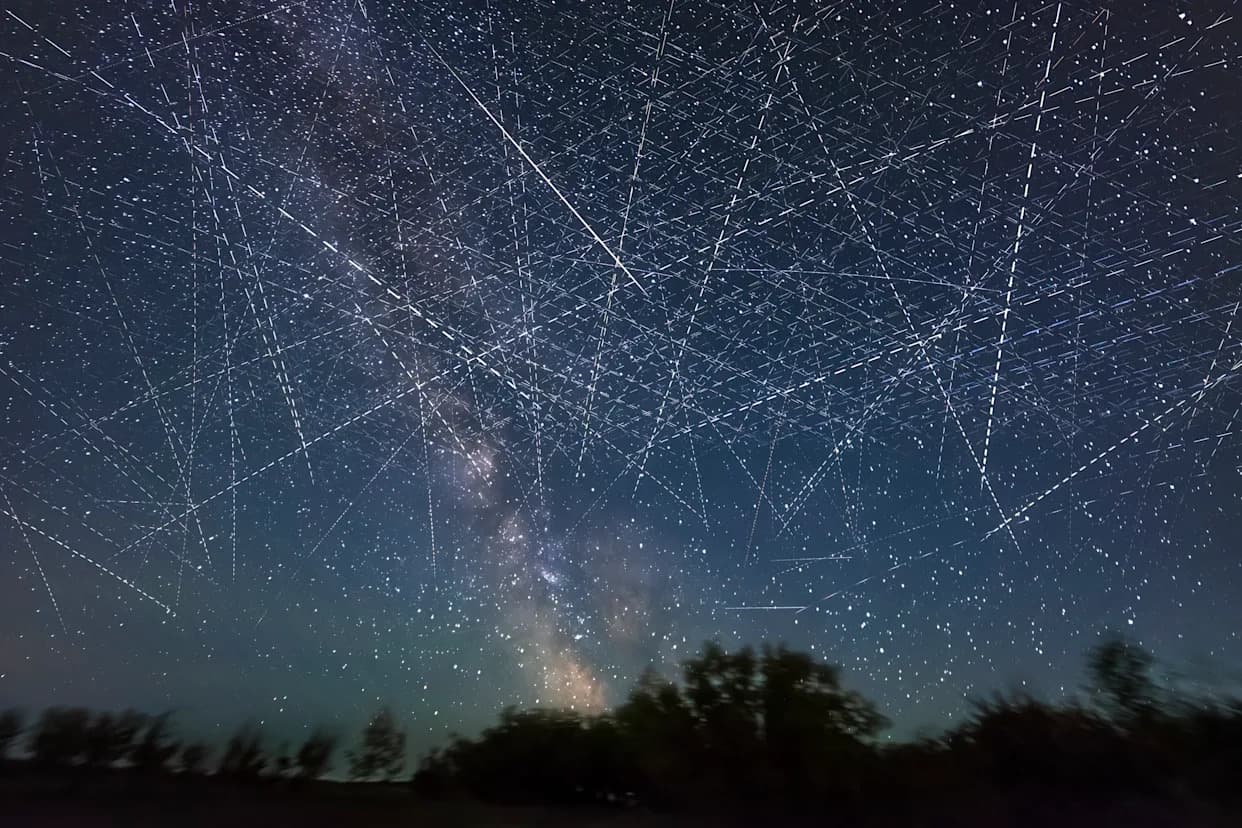
FILE - In this long exposure photo, a string of SpaceX StarLink satellites passes over an old stone house near Florence, Kan., on May 6, 2021. (AP Photo/Reed Hoffmann, File)(ASSOCIATED PRESS)
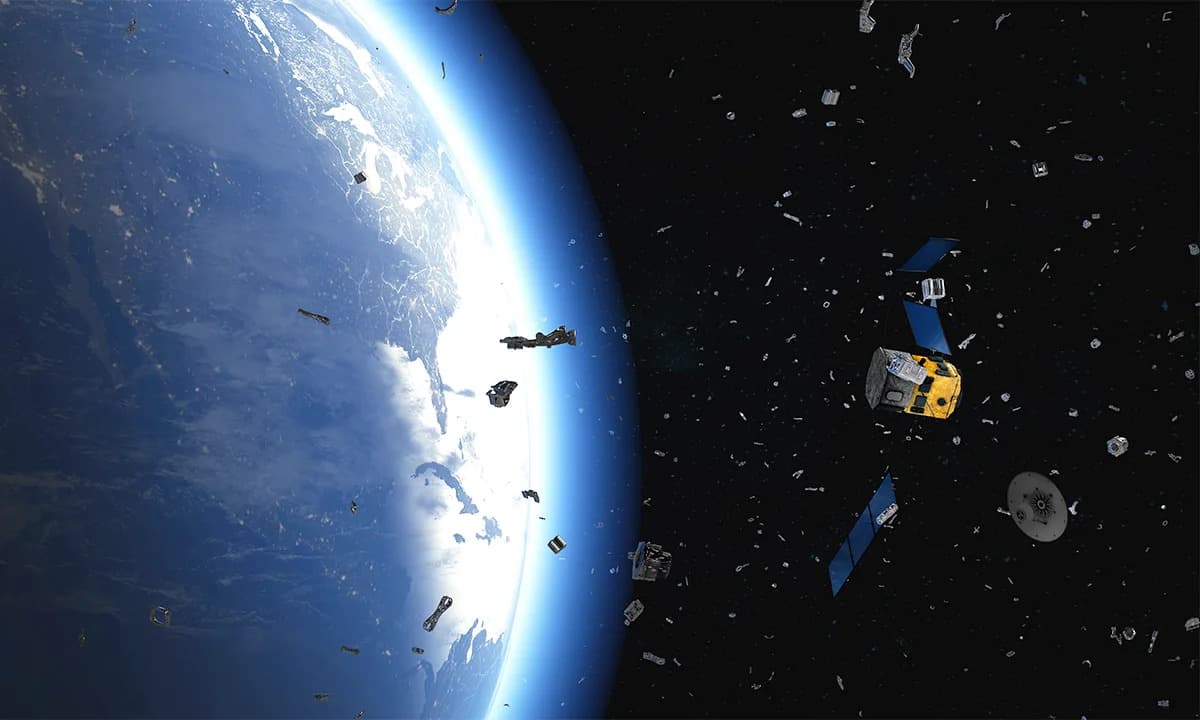
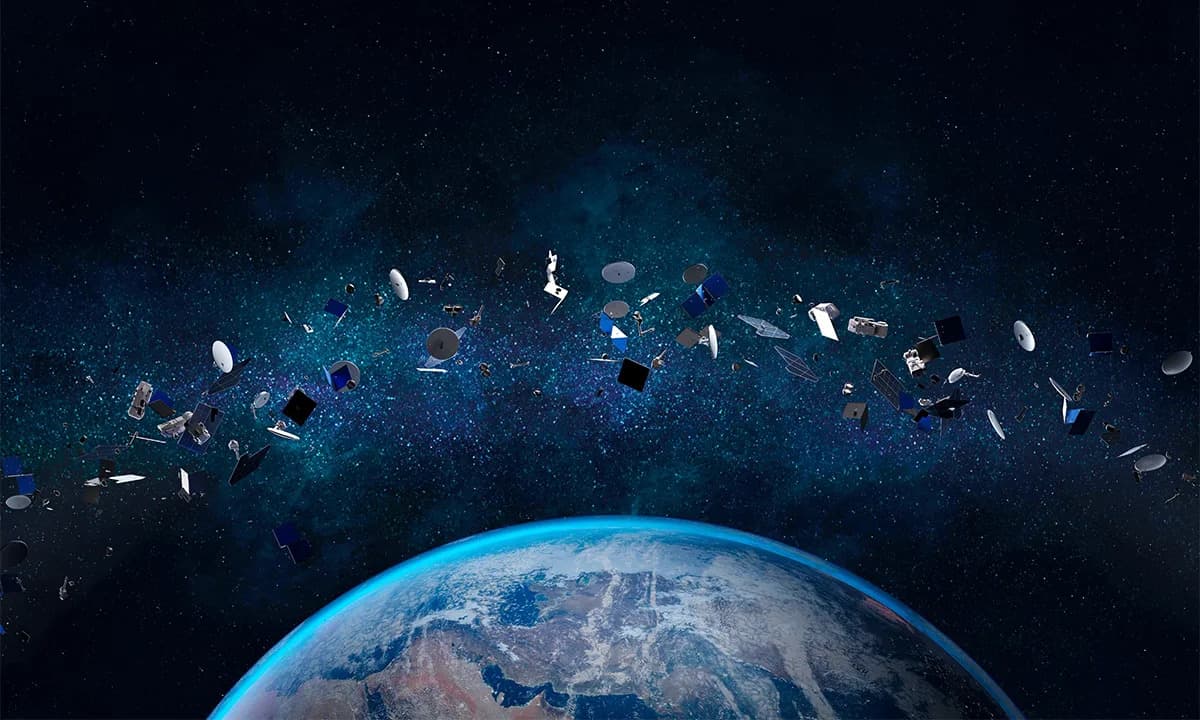
CAPE CANAVERAL, Fla. — A new study shows that networks of earthquake sensors can help track reentering space debris by detecting the sonic booms produced as objects break up during atmospheric reentry. The approach can refine descent corridors and speed recovery efforts when fragments survive to fall to Earth.
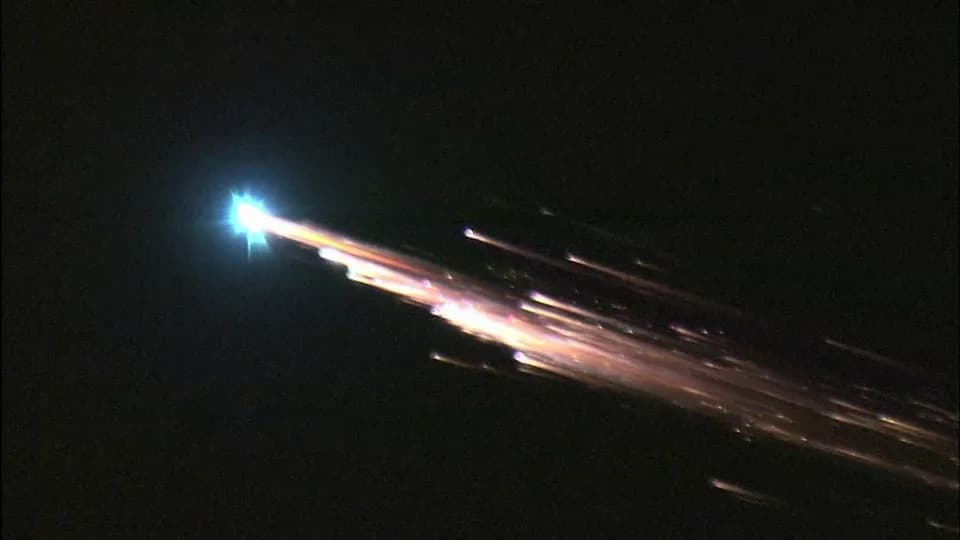
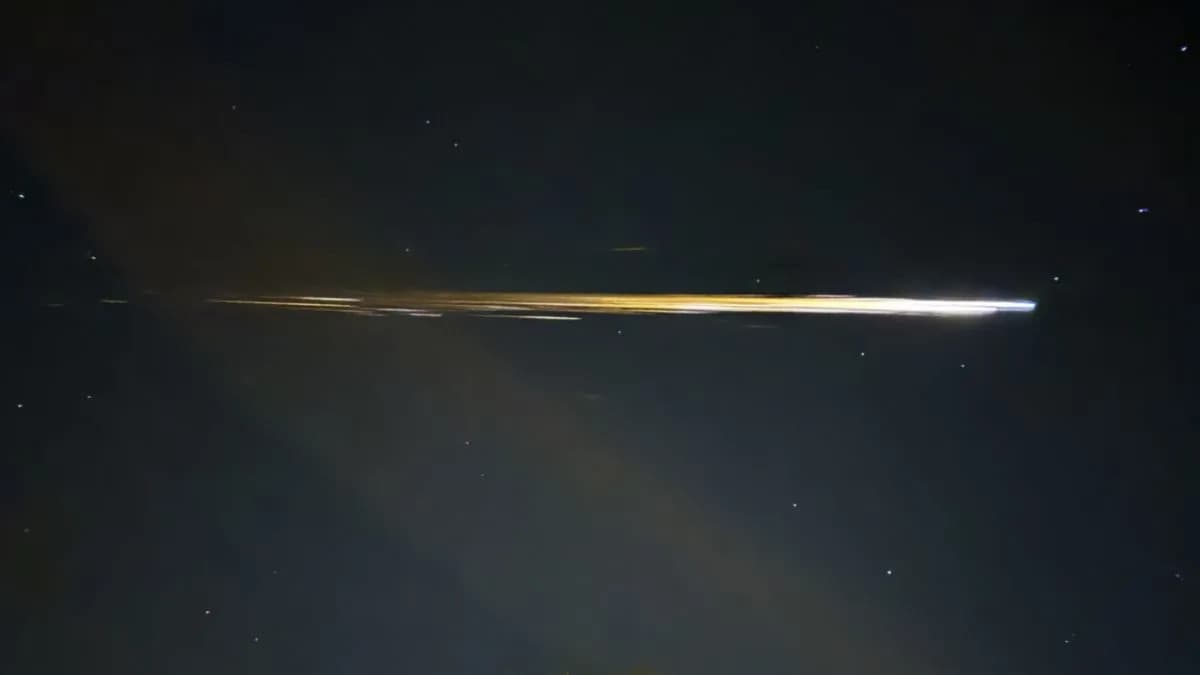
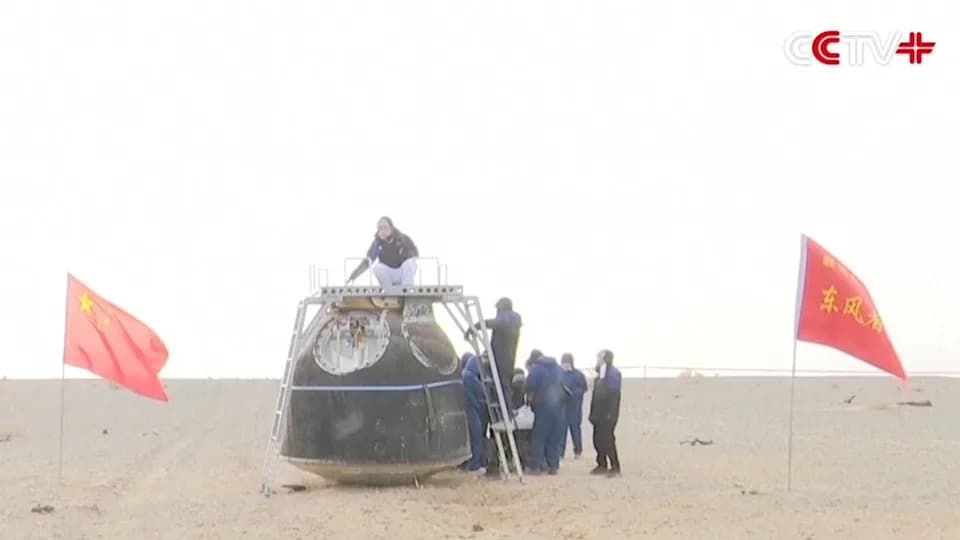
Researchers reported that seismic signals from a discarded Chinese crew-capsule module that reentered over Southern California in 2024 allowed them to place the object's trajectory nearly 20 miles (30 kilometers) farther south than orbital radar predictions. By analyzing data from more than 120 seismometers that recorded multiple sonic booms, the team reconstructed the module’s likely path and observed signatures consistent with cascading breakup as the object fragmented.
How the Method Works
When large objects reenter at supersonic speeds, pieces that survive produce sonic booms and airwaves that couple into the ground and are picked up by seismometers. By timing these signals across a distributed network, researchers can triangulate the flight path, estimate speed and infer moments of fragmentation. This fills a gap that orbital radar and tracking systems encounter once an object begins disintegrating in the atmosphere.
The 2024 Case And Broader Use
The studied object was a roughly 1.5-ton (1.36-metric tonne) module jettisoned from China’s Shenzhou-15 capsule in 2023. As it reentered, it broke into many smaller pieces and produced multiple sonic events recorded across seismometer arrays. Although no confirmed debris was recovered on the ground to validate the exact path, the seismic reconstruction placed the fall nearly 20 miles (30 km) south of where orbit-based radar had indicated.
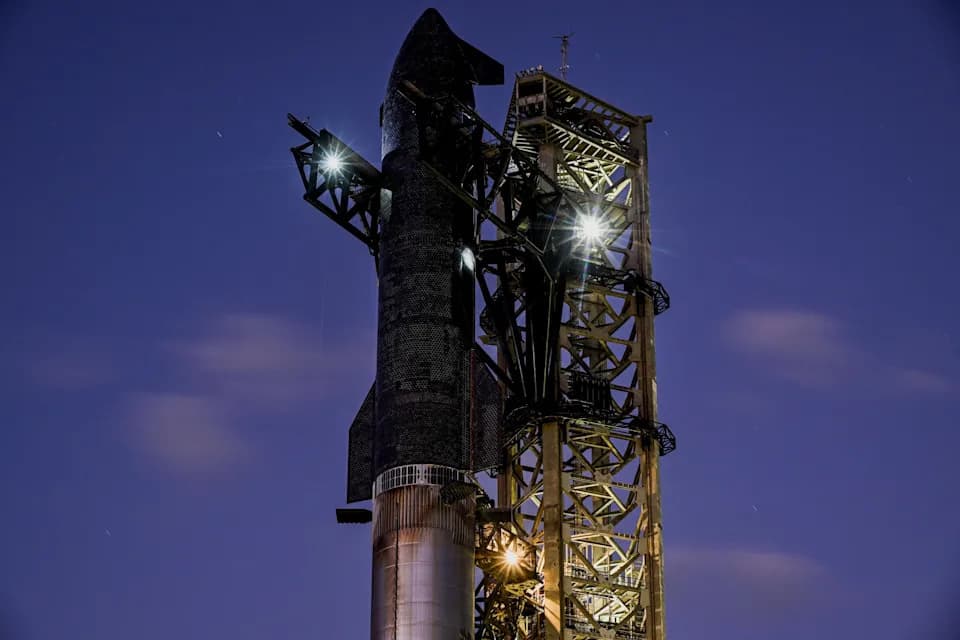
Researchers report having applied the same approach retrospectively to a few dozen other reentries, including debris from three failed SpaceX Starship test flights in Texas. The method could be especially valuable over remote ocean regions, where nuclear blast-monitoring stations and public seismic networks might help refine descent corridors that would otherwise be difficult to pinpoint.
Limitations And Next Steps
Lead author Benjamin Fernando of Johns Hopkins University and co-researcher Constantinos Charalambous of Imperial College London say more work is needed to reduce the time between an object's final plunge and a reliable ground-impact prediction. Factors such as high-altitude winds and complex fragmentation dynamics must be better modeled. Fernando plans to publish a catalog of seismically tracked reentries and improve calculations by incorporating wind effects and faster automated analysis.
Los Alamos National Laboratory scientist Chris Carr, who was not involved in the study, wrote that the approach “unlocks the rapid identification of debris fall-out zones,” an increasingly important capability as low Earth orbit fills with tens of thousands of new satellites.
Why It Matters: Faster, more accurate fall-zone tracking can help recovery teams reach hazardous debris more quickly and could inform safety planning for future controlled deorbit operations, such as NASA’s planned retirement and deorbit of the International Space Station.
The study appears in the journal Science. The Associated Press Health and Science Department receives support from the Howard Hughes Medical Institute’s Department of Science Education and the Robert Wood Johnson Foundation; the AP is solely responsible for this content.
Help us improve.