Intelligence from two NATO countries reported by The Associated Press warns Russia may be developing a 'pellet' anti‑satellite concept that would disperse hundreds of thousands of tiny pellets into low Earth orbit to create damaging debris clouds. Experts warn such pellets would be hard to detect and could disable multiple satellites, threatening communications (including Starlink service used in Ukraine) and endangering crewed stations like the ISS and Tiangong. The assessment includes no timeline or confirmed tests, and some specialists question the concept's feasibility or intent.
Intelligence Warns Russia May Be Developing 'Pellet' Anti‑Satellite Weapon Targeting Starlink

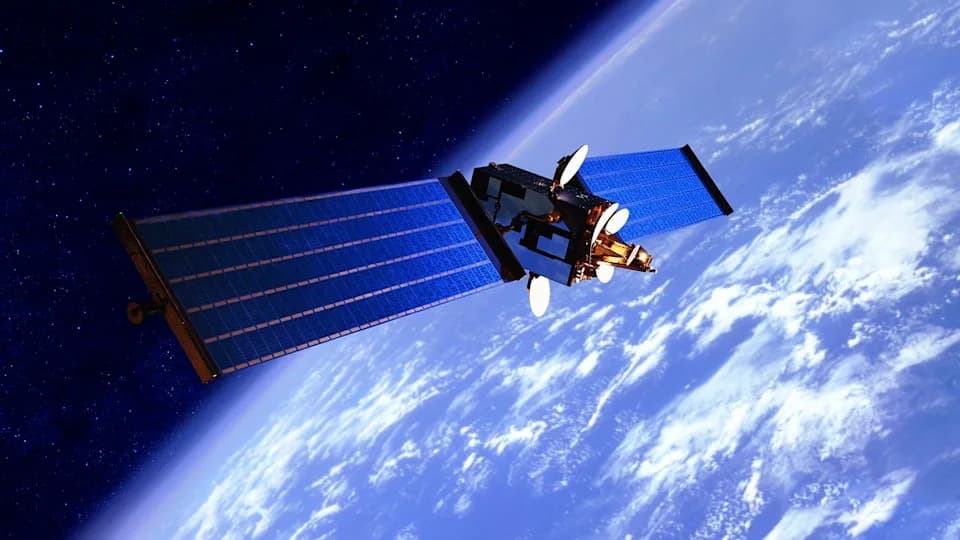
Intelligence assessments from two NATO countries, reported by The Associated Press, say Russia may be exploring a novel anti‑satellite concept that could threaten SpaceX's Starlink constellation and other satellites in low Earth orbit.
What the intelligence alleges
The assessment suggests Moscow could be developing a system that disperses hundreds of thousands of tiny, high‑density pellets into orbit. Those pellets — difficult to detect because of their small size — could form clouds of debris capable of striking multiple satellites across the same orbital regime.
"You blow up a box full of BBs," Canadian Brig. Gen. Christopher Horner told the AP. "You could blanket an entire orbital regime and take out every Starlink satellite and every other satellite that's in a similar regime. And I think that's the part that is incredibly troubling."
Potential consequences
Analysts warn that even tiny fragments can disable satellites by crippling solar panels, sensors or other critical components. Starlink has been widely used for military and civilian communications — notably in Ukraine — so damage to the network could disrupt battlefield coordination, emergency response and civilian internet access.
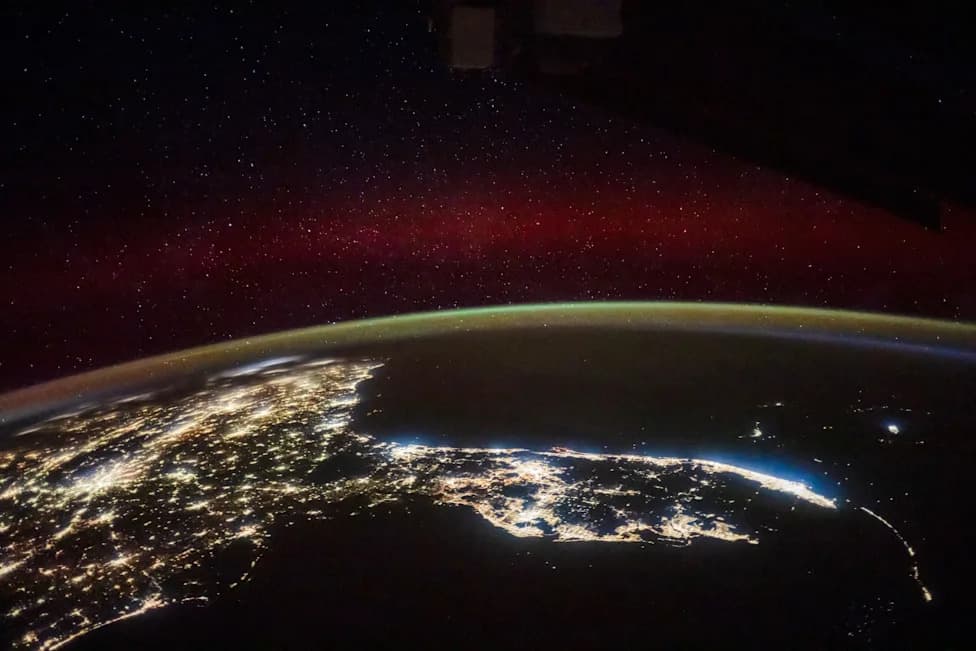
Debris generated at Starlink altitudes could remain in orbit and drift downward, posing additional collision risk to spacecraft operating at lower altitudes, including crewed platforms such as the International Space Station and China's Tiangong station.
Limitations and skepticism
The AP report says the intelligence assessment does not include a timeline for deployment and does not confirm whether such a system has been tested. Some experts are skeptical about the feasibility or intent behind the concept; Victoria Samson of the Secure World Foundation was quoted as saying, "I don't buy it. Like, I really don't."
Wider context
The allegation comes amid broader concerns over growing space debris — including worries linked to launches and large constellations — and increasing public scrutiny of the space industry’s environmental footprint. Russian officials have previously called for international limits on space weapons and have denied plans to deploy nuclear weapons in space.
Observers say international norms, transparency and space‑domain monitoring are key tools for deterring escalation and reducing risk. Some analysts also note the possibility that the concept, if real, could be intended more to intimidate than to be fielded immediately.
Help us improve.