German researchers report that ocean acidification alters the mineral structure of shark teeth, causing cracks, holes and root corrosion. In an eight-week laboratory experiment, blacktip reef shark teeth held at pH 7.3 (a level projected by 2300) showed far more structural damage than those kept at the current average pH of 8.1. The authors caution the study used isolated teeth and does not capture biological repair or replacement in living sharks, but they warn tooth degradation could compound other threats like overfishing and may affect other predators with mineralized teeth.
Ocean Acidification Is Eroding Shark Teeth — New Lab Study Finds Structural Damage
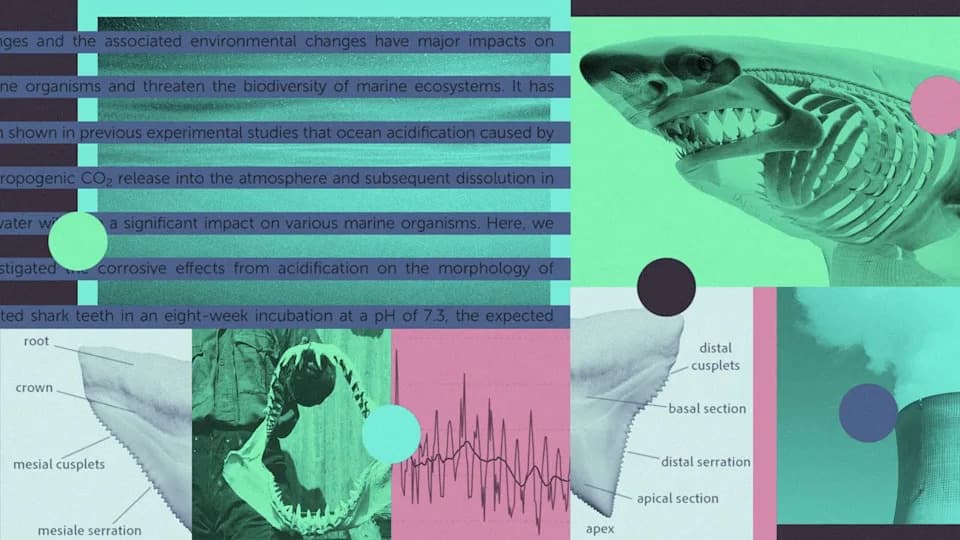
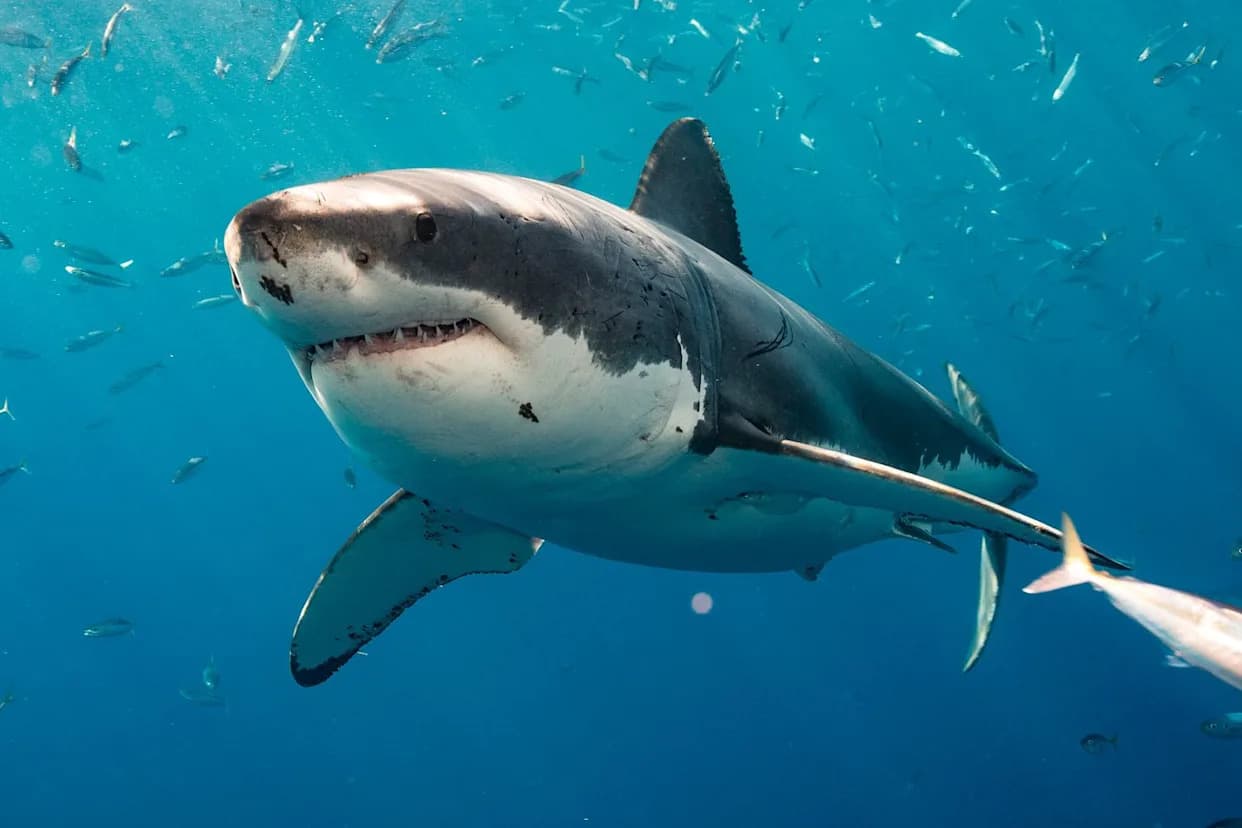
‘There is a corrosion effect on sharks’ teeth,’ a study’s author said. | Credit: Illustration by Stephen Kelly / Getty Images
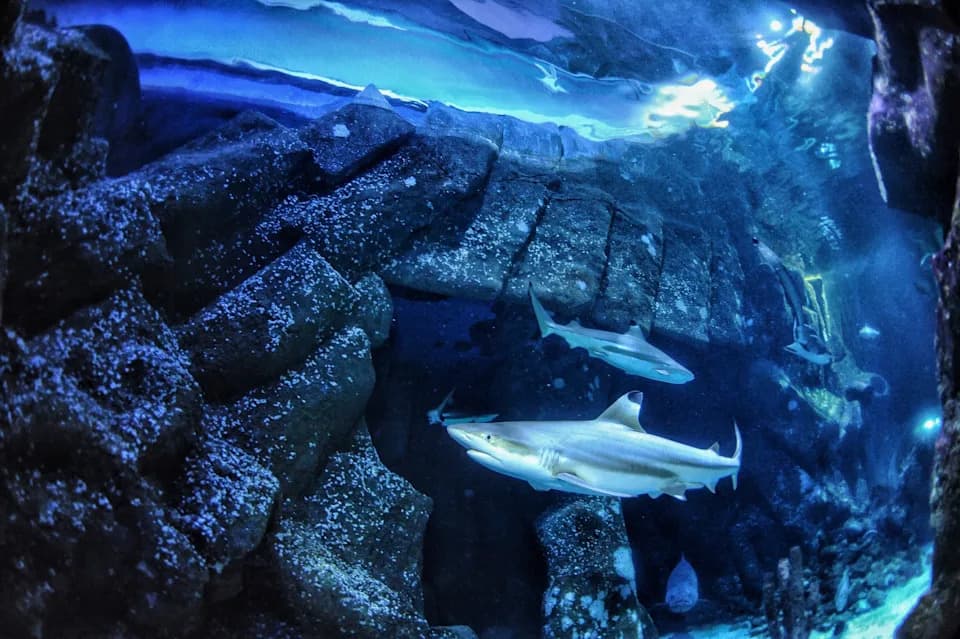
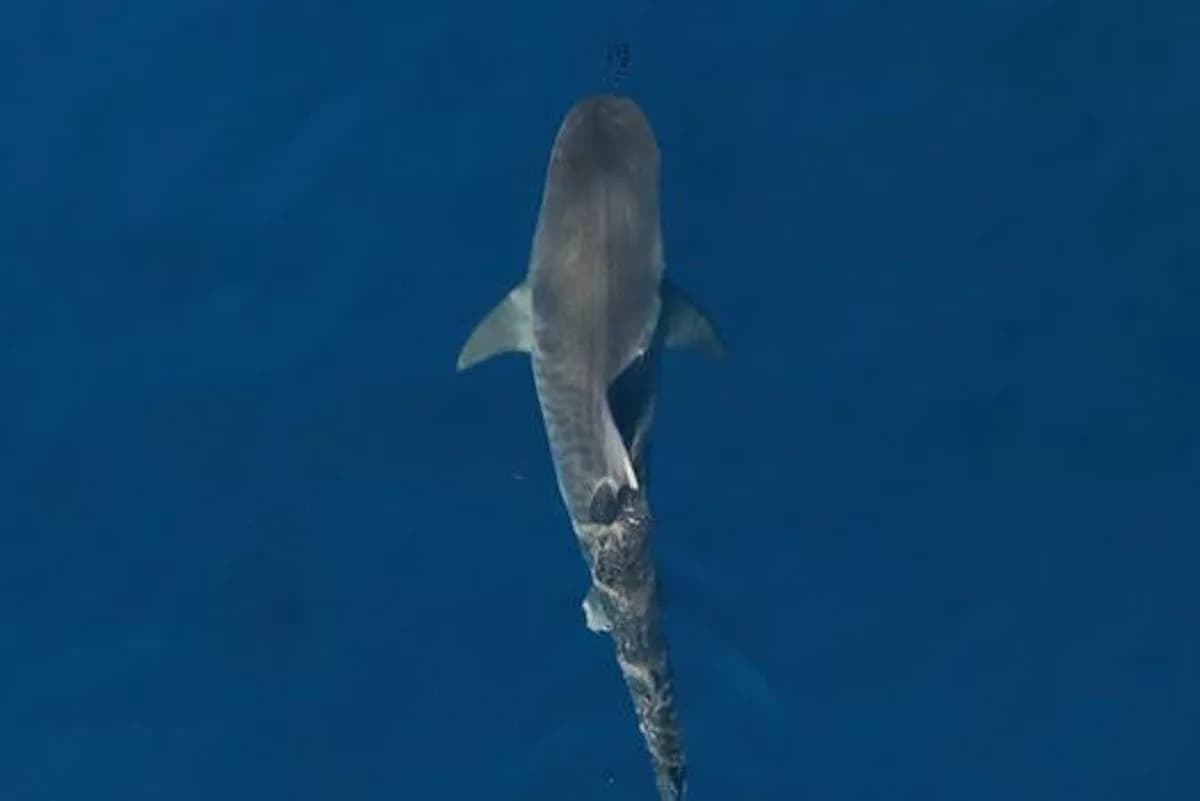
Rising ocean acidity may be quietly weakening one of sharks' most iconic features: their teeth. A German-led research team reports that seawater acidification alters the mineral structure of shark teeth, producing cracks, holes and root corrosion that could compromise tooth integrity and, potentially, feeding ability.
What the Researchers Did
The authors, publishing in Frontiers in Marine Science, submerged isolated blacktip reef shark (Carcharhinus melanopterus) teeth in controlled seawater tanks for eight weeks. One tank was maintained at today's average ocean pH of 8.1 and the other at pH 7.3, a level some models project could occur by the year 2300. By isolating teeth outside the animal, the team aimed to quantify the direct chemical effects of acidified seawater on mineralized tooth tissue.
Key Findings
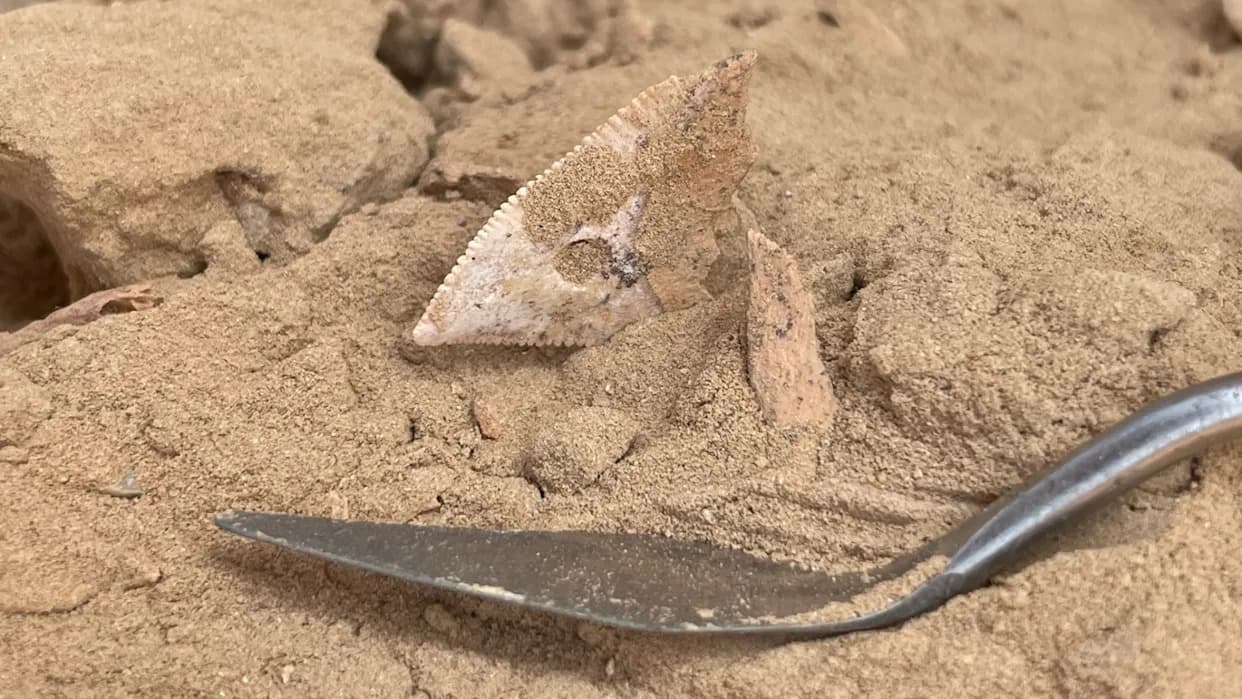
Teeth exposed to the lower pH developed substantially more damage: surface cracks and holes, visible root corrosion and general structural degradation. These changes were not observed to the same degree in teeth kept at current pH. Lead author Maximilian Baum (Heinrich Heine University Düsseldorf) emphasized that ocean acidification 'cannot be disregarded as a threat facing sharks,' highlighting that even hard, mineralized tissues show vulnerability under acidified conditions.
Ecological Implications
Scientists warn that dental deterioration could add to existing pressures on shark populations, such as prey declines from overfishing. Many sharks naturally replace lost teeth, but accelerated corrosion could cause tooth loss to outpace replacement in some situations. Baum and others also note the possibility that similar chemical effects may affect other predators with highly mineralized teeth or exposed hard tissues.
Study Limitations and Next Steps
The study used isolated, fallen teeth rather than intact animals. As reported by Smithsonian Magazine and quoted experts, this means the experiment does not capture biological repair mechanisms, such as tooth formation and replacement dynamics that occur in living sharks. Some researchers suggest natural replacement rates might compensate for increased wear, so follow-up work should test whole animals or focus on functional outcomes — for example, whether damaged teeth reduce prey-handling efficiency or growth.
By isolating the chemical effects of acidified seawater, the study provides a baseline for vulnerability — but further research is needed to translate structural damage into real-world consequences for sharks and marine food webs.
Beyond the laboratory, ocean acidification is driven by increased atmospheric CO2 dissolving into seawater and forming weak carbonic acid. Reducing CO2 emissions remains the primary way to slow long-term pH declines and their cascading effects on marine ecosystems.
Help us improve.