Researchers are conducting small-scale experiments in ocean-based carbon geoengineering—adding alkaline substances to seawater—to reduce acidity and potentially increase CO2 uptake. The methods are largely unproven and carry significant ecological risks, including possible disruption of marine food webs and threats to seafood safety. Critics warn these experiments could distract from emissions cuts or be used as offsets in carbon-credit markets, while scientists emphasize the work is exploratory and requires strict oversight.
Scientists Draw Backlash Over First-of-Its-Kind Ocean Carbon-Engineering Trial
Photo Credit: iStock
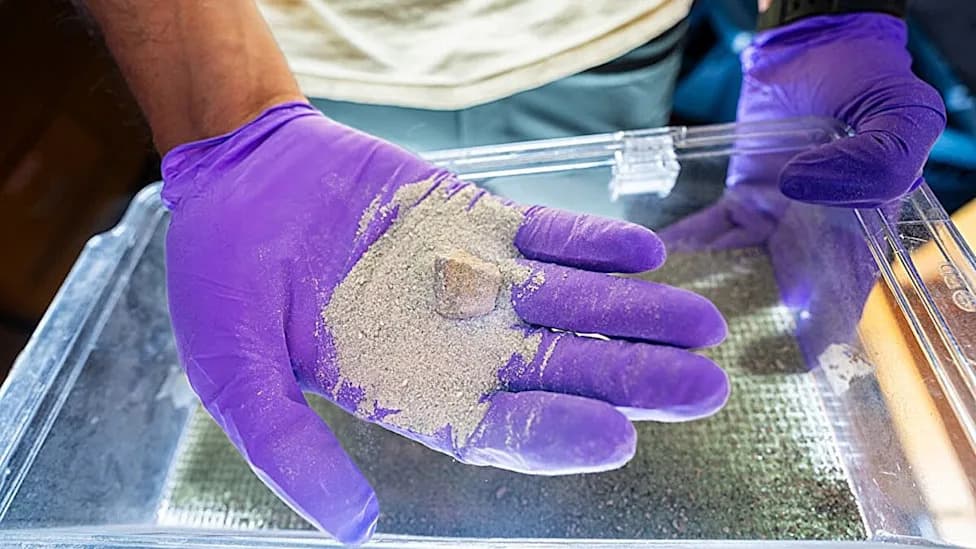
A small but growing group of scientists is testing ocean-based carbon geoengineering techniques that would add alkaline substances to seawater to reduce acidity and potentially boost the ocean's capacity to absorb carbon dioxide.
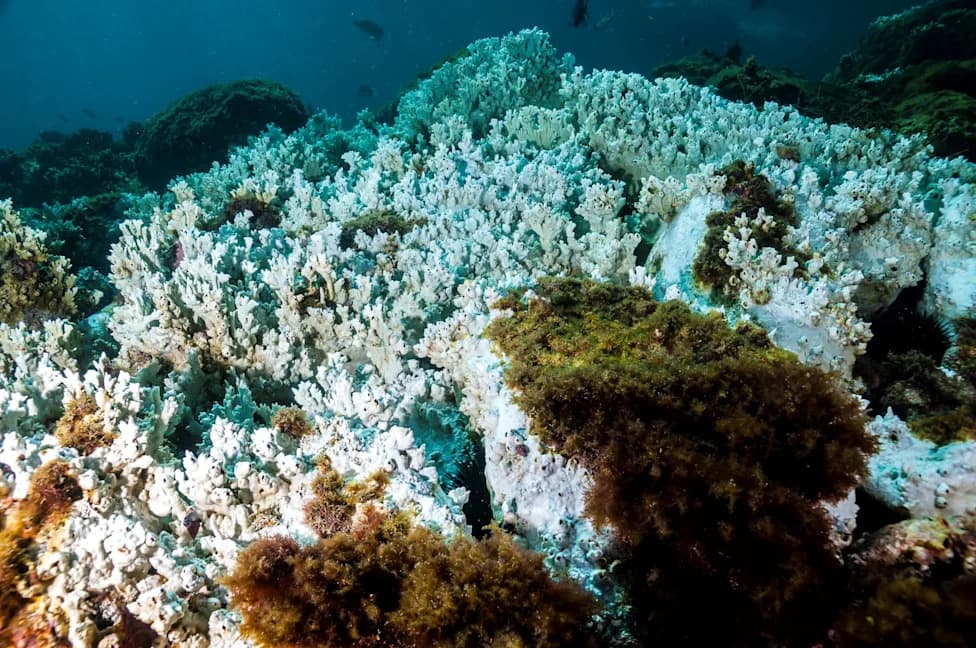
Interest in these interventions increased after studies showed the oceans absorb roughly a quarter of global carbon emissions. When excess CO2 dissolves in seawater it alters ocean chemistry, increasing acidity and creating stressful conditions for many marine organisms, from corals to shellfish.
Proponents say carefully designed interventions could help address rising atmospheric CO2 and slow or reverse harmful acidification trends. If successful, the approaches could provide an additional tool for climate mitigation alongside emissions cuts. However, the techniques remain largely unproven at meaningful scale and carry substantial scientific and technical uncertainty.
Concerns and Criticisms
Environmental groups and many marine scientists warn the potential ecological trade-offs are not well understood. Deliberately changing ocean pH could have unintended consequences, including altered food webs, impacts on plankton communities that underpin marine ecosystems, and possible risks to seafood safety.
Critics also caution that geoengineering experiments could divert political and financial attention from the urgent need to reduce fossil-fuel emissions. There are additional worries that experimental methods might be folded into carbon-credit systems, allowing pollution-intensive industries to buy offsets rather than cut emissions at source.
What Researchers Say
Scientists engaged in the work emphasize that current efforts are exploratory, small-scale, and framed as research rather than deployment. They say rigorous field trials, independent review, ecological monitoring, and transparent governance are essential before any wider application.
“If we’re serious about carbon dioxide removal, it’s going to be the largest thing humanity has ever done,” said David Ho, an oceanography professor at the University of Hawai‘i at Manoa. “It really should be something that governments pour effort into, like the Manhattan Project.”
Other researchers stress that entirely avoiding intervention is unrealistic given the scale of climate impacts already underway. David Koweek, chief scientist at conservation nonprofit Ocean Visions, told The New York Times Magazine: “Our collective inaction has left us with little choice.”
Next Steps and Governance
Scientists and policy experts call for clear regulatory frameworks, environmental safeguards, public engagement, and independent oversight to guide any future research or deployment. Until interventions are thoroughly tested and their ecological and social consequences better understood, ocean geoengineering remains controversial—carrying the potential for both significant benefit and unforeseen harm.
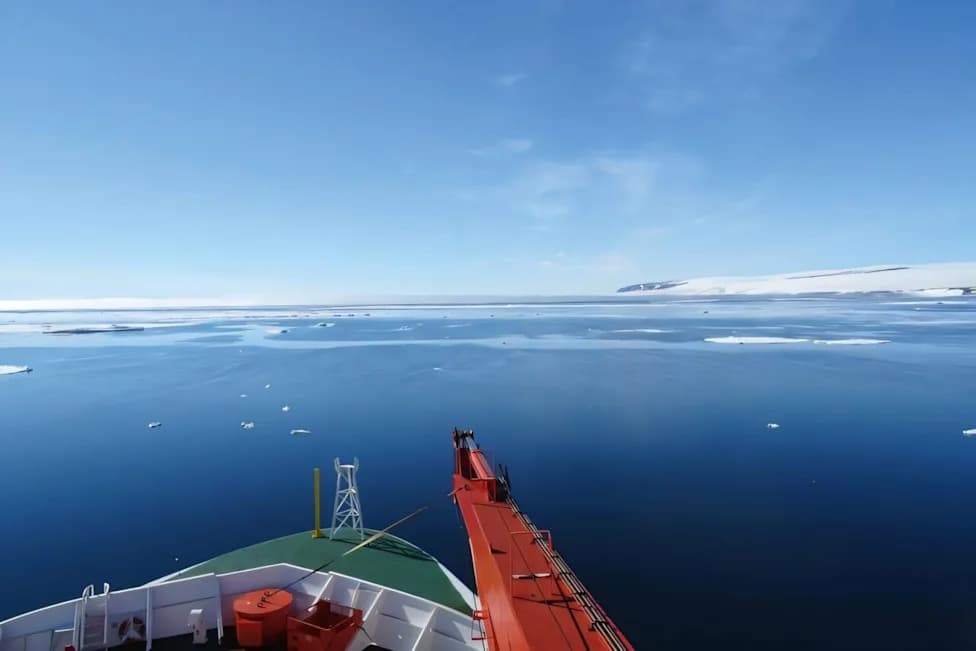
Alongside geoengineering research, many other ocean science projects continue to explore uncharted marine environments and document how climate change is reshaping ocean ecosystems.
Help us improve.