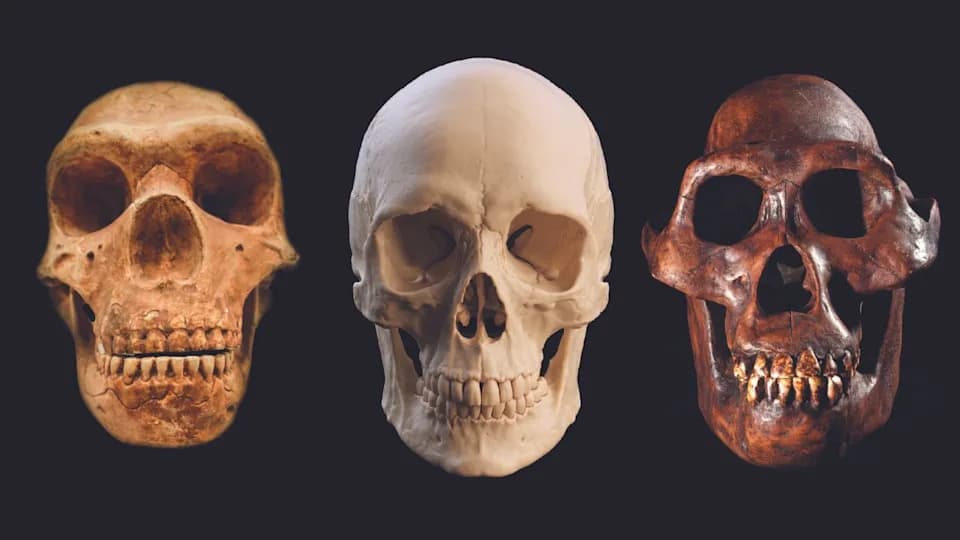
This week’s science highlights include a proposed standard measure for cannabis in THC units, which could make doses more comparable across products. A new review finds the 8‑m fossil Prototaxites still defies classification among fungi, plants, lichens or animals. Researchers identify E. coli and K. pneumoniae as drivers of gut alcohol production, archaeologists date Indonesian cave art to at least 67,800 years, chemists advance production of the low‑calorie sweetener tagatose, and a study links the shingles vaccine to markers of slower aging in older adults.
This Week in Science: Proposed THC Standard, Enigmatic 400‑Million‑Year‑Old Life, Oldest Cave Art & Health Breakthroughs

(Terrance Barksdale/Canva)
This week's science roundup brings concise, high-impact findings across health, paleontology, archaeology and chemistry — from a proposed standard for measuring cannabis to the discovery of the world's oldest rock art and promising health-related studies.
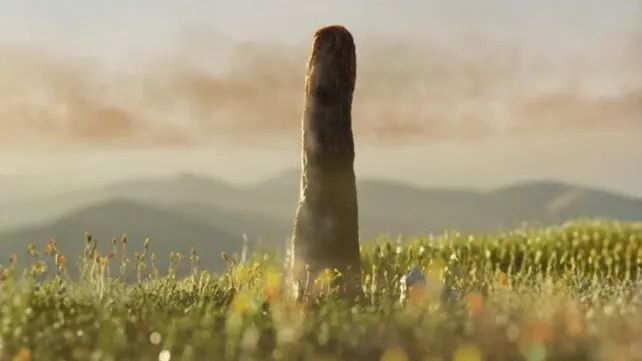
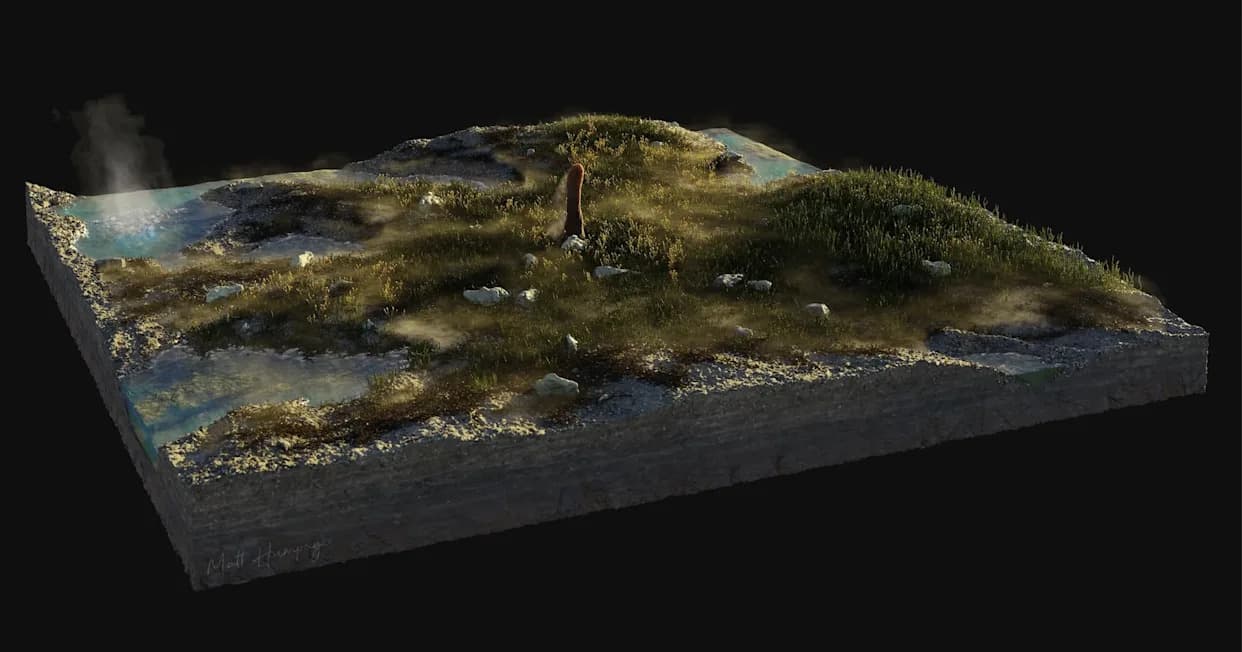
Prototaxitesdoesn't compare with any other life form we know of. (Loron et al.,Science, 2025)
Standardizing Cannabis: THC Units Proposed
UK researchers have proposed a simple standard unit for cannabis consumption defined in THC units to help users, clinicians and public-health officials compare doses across different products. Based on their estimates, a 0.45‑gram joint of high‑potency herbal cannabis could contain about 12.78 THC units, whereas a weaker, seeded 0.45‑gram joint might contain roughly 3.78 THC units. The metric aims to improve dose clarity, support harm‑reduction messaging and make clinical guidance more consistent.
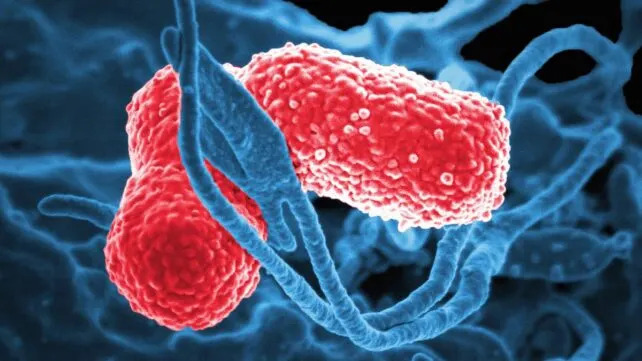
Klebsiella pneumoniae, one of two bacterial species implicated. (Callista Images/Getty Images)
Prototaxites: A 400‑Million‑Year‑Old Mystery
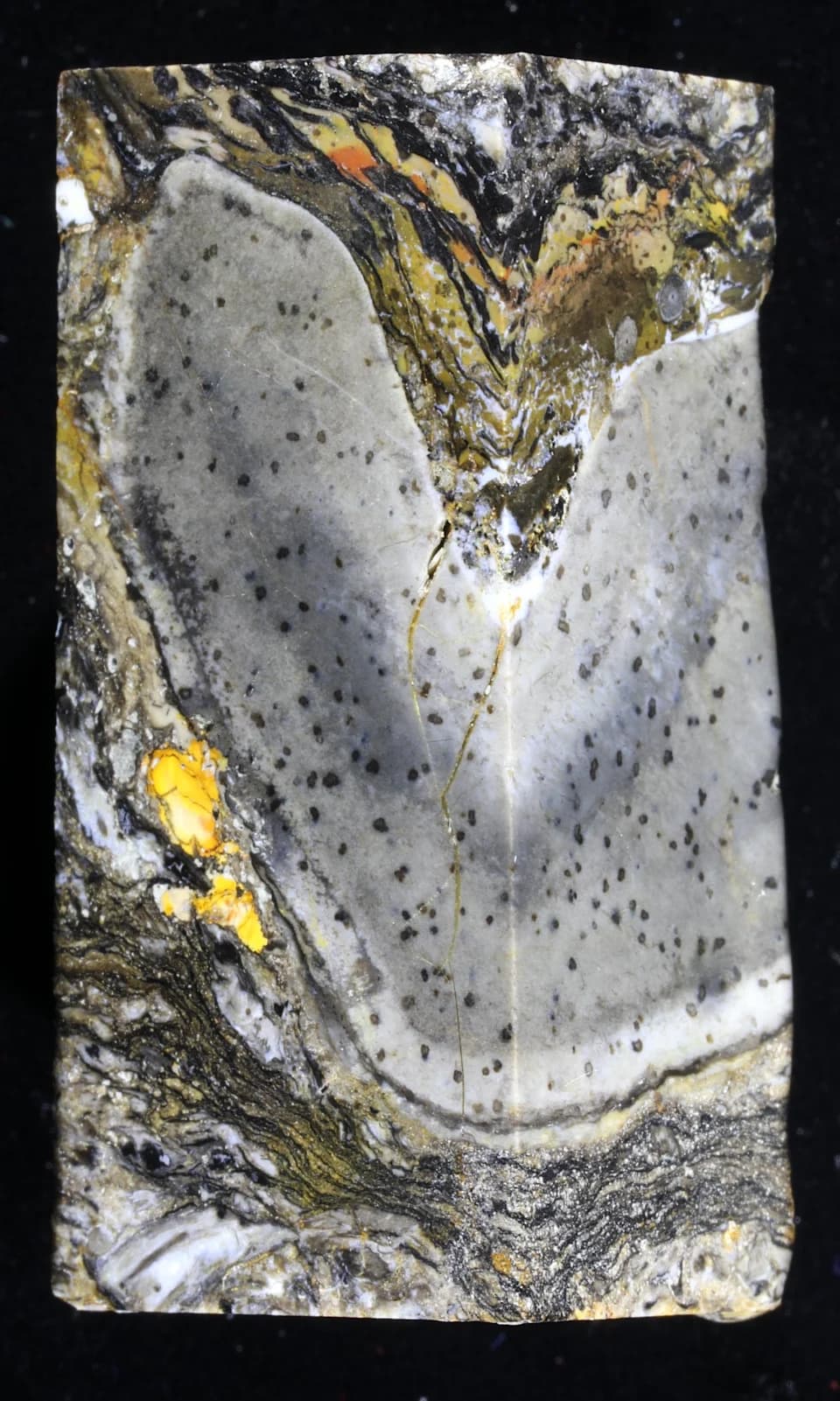
Prototaxites — towering, tubular organisms up to about 8 m (26 ft) tall that lived roughly 400 million years ago — remain without a convincing place on the modern tree of life. A recent review of microscopic anatomy and chemical signatures systematically ruled out fungi, plants, algae, lichen‑like combinations and animals, largely because its anatomy and chemistry do not match any known group. The result: Prototaxites still lacks a clear modern analogue or definitive ancestral relationship.

Audition now for ScienceAlert's Casting Call
Internal Alcohol Production Linked To Specific Gut Bacteria
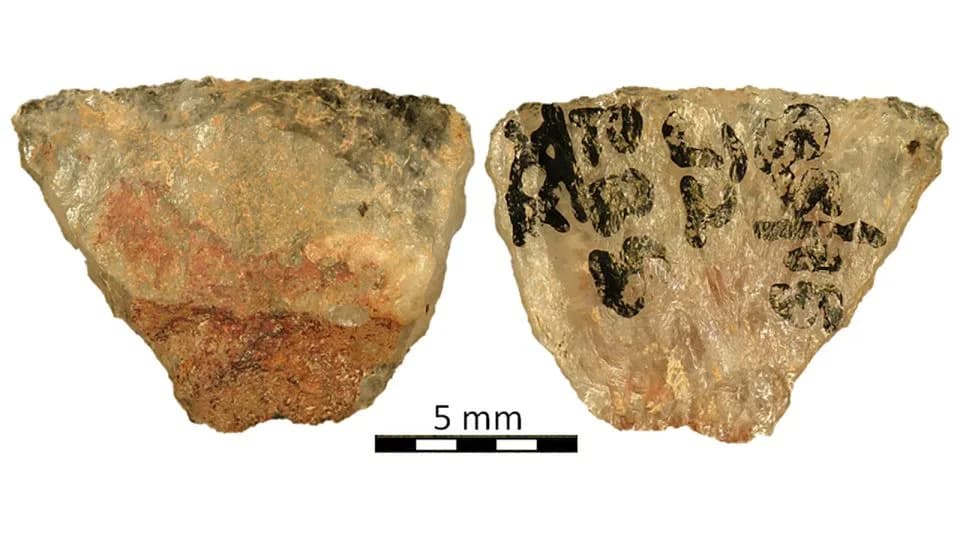
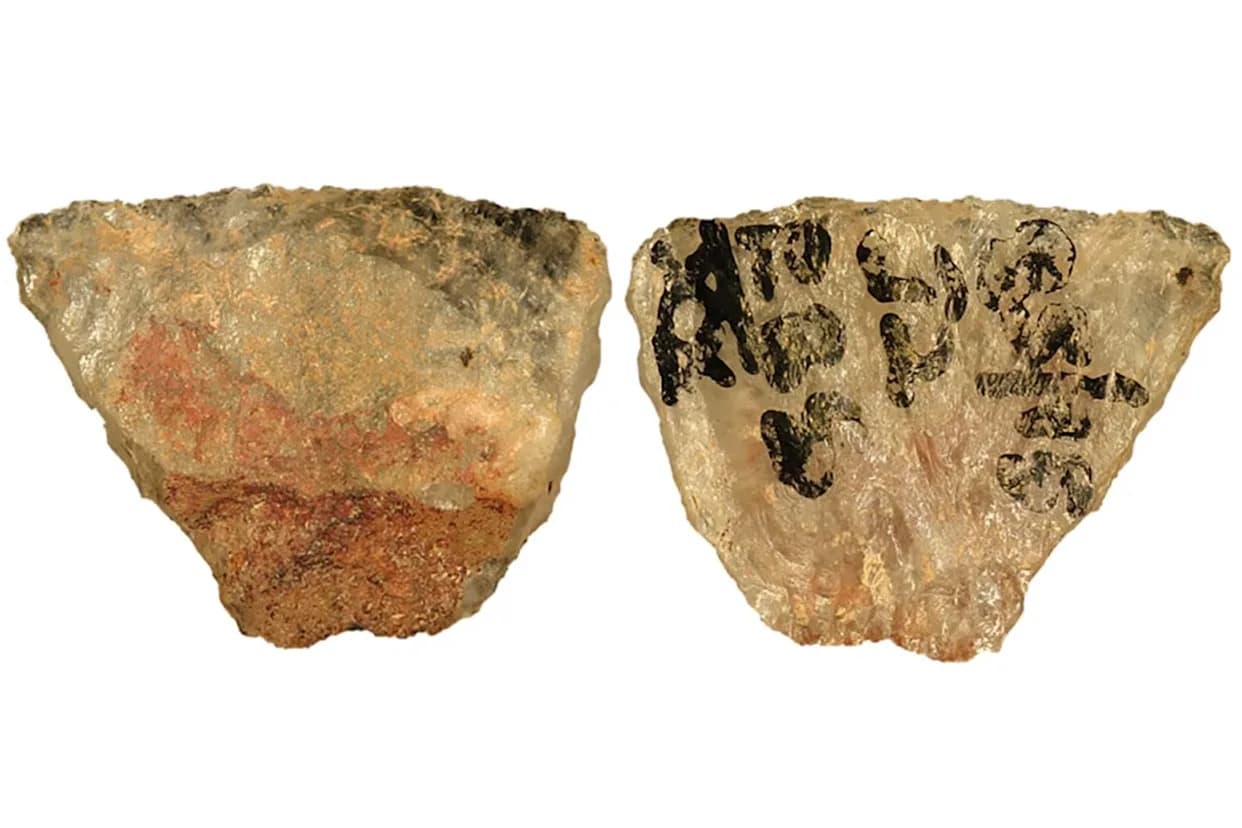
Microbiologists have identified Escherichia coli and Klebsiella pneumoniae as the main bacterial culprits in a rare syndrome where alcohol is produced within the gut after eating. The findings suggest potential treatments that alter the gut microbiome — including dietary changes, probiotics or fecal microbiota transplants — to introduce or promote bacteria that consume ethanol rather than produce it.
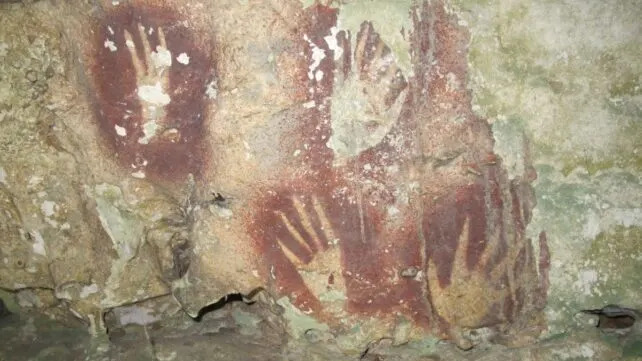
The tips of the fingers were pointed, a style only seen in Sulawesi, and which may have been related to animals. (Ahdi Agus Oktaviana)
World's Oldest Rock Art Found In Indonesia
Archaeologists report cave paintings in Indonesia dated to at least 67,800 years ago, currently the oldest known rock art. Co‑lead researcher Maxime Aubert (Griffith University) told ScienceAlert that these discoveries point to a deeper and older cultural tradition in the region that is only now becoming visible in the archaeological record.
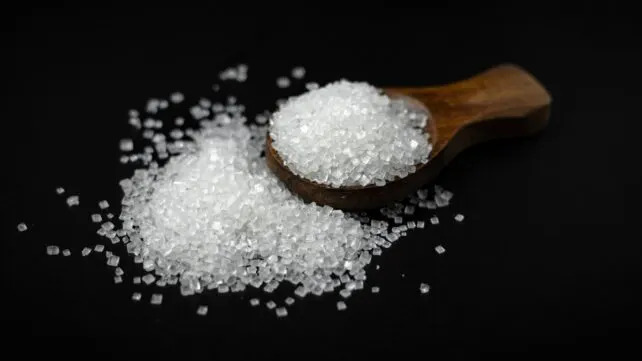
(Uma Shankar sharma/Getty Images)
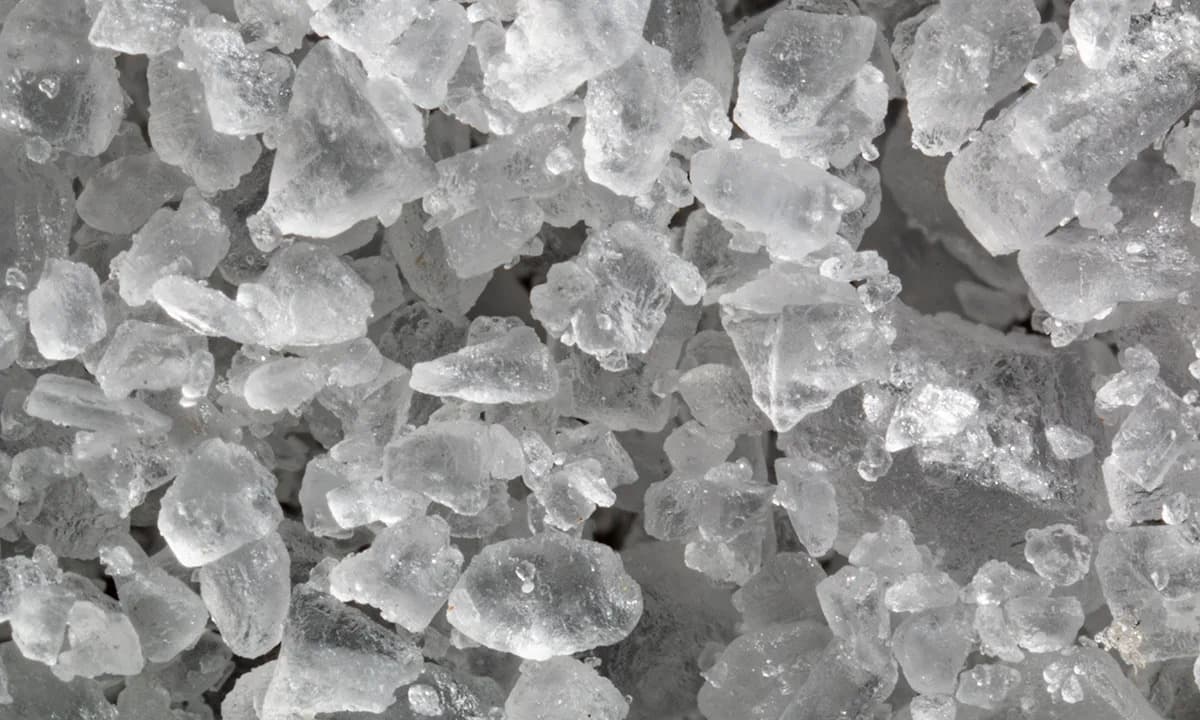
Tagatose: A Low‑Calorie Natural Sweetener
Chemists have developed an efficient method to produce tagatose, a natural sugar that tastes about 92% as sweet as sucrose but provides approximately 30% of the calories. Notably, tagatose does not appear to produce the same insulin spike as sucrose or some high‑intensity artificial sweeteners, making it a promising option for people managing blood glucose or diabetes — though larger clinical trials are needed to confirm long‑term safety and metabolic effects.

Transmission electron microscope image of the varicella zostervirus, which causes shingles. (Science Photo Library - HEATHER DAVIES/Getty Images)
Shingles Vaccine Associated With Markers Of Slower Aging
A longitudinal study of about 3,800 people aged over 70 linked receipt of the shingles vaccine to markers suggesting slower biological aging and reduced inflammation. Gerontologists Jung Ki Kim and Eileen Crimmins (University of Southern California) propose that the vaccine may exert broad, lasting effects on aging‑related processes; however, authors stress that further research is required to confirm causality and understand mechanisms.
Bottom line: This week’s findings include a practical proposal for cannabis dosing, a persistent paleontological mystery, a major archaeological milestone, and several biomedical leads that merit follow‑up studies.
Help us improve.