U.S. Ambassador to NATO Matthew Whitaker told Fox News Digital that Greenland's strategic position makes Arctic security a core U.S. defense interest and pushed back on European criticism of Washington's focus there. He said recent diplomacy between Denmark, Greenland and U.S. officials was constructive and warned against inflaming tensions. Speaking from the Reagan Library, Whitaker urged NATO allies to convert Hague pledges into real military capabilities and called for economic reforms in Europe to fund higher defense spending.
NATO Envoy: Greenland Is Strategic — Europe "Has A Tendency To Overreact" Amid Arctic Tensions
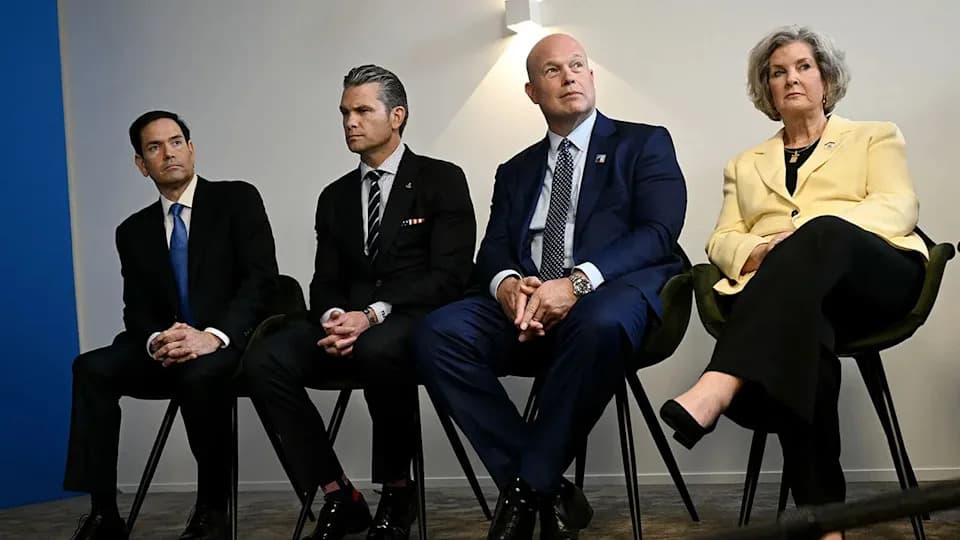
(L-R) Secretary of State Marco Rubio, Secretary of War Pete Hegseth, U.S. ambassador to NATO Matthew Whitaker and White House Chief of Staff Susie Wiles during the NATO summit of heads of state and government on June 25, 2025 in The Hague, Netherlands.(Getty Images)
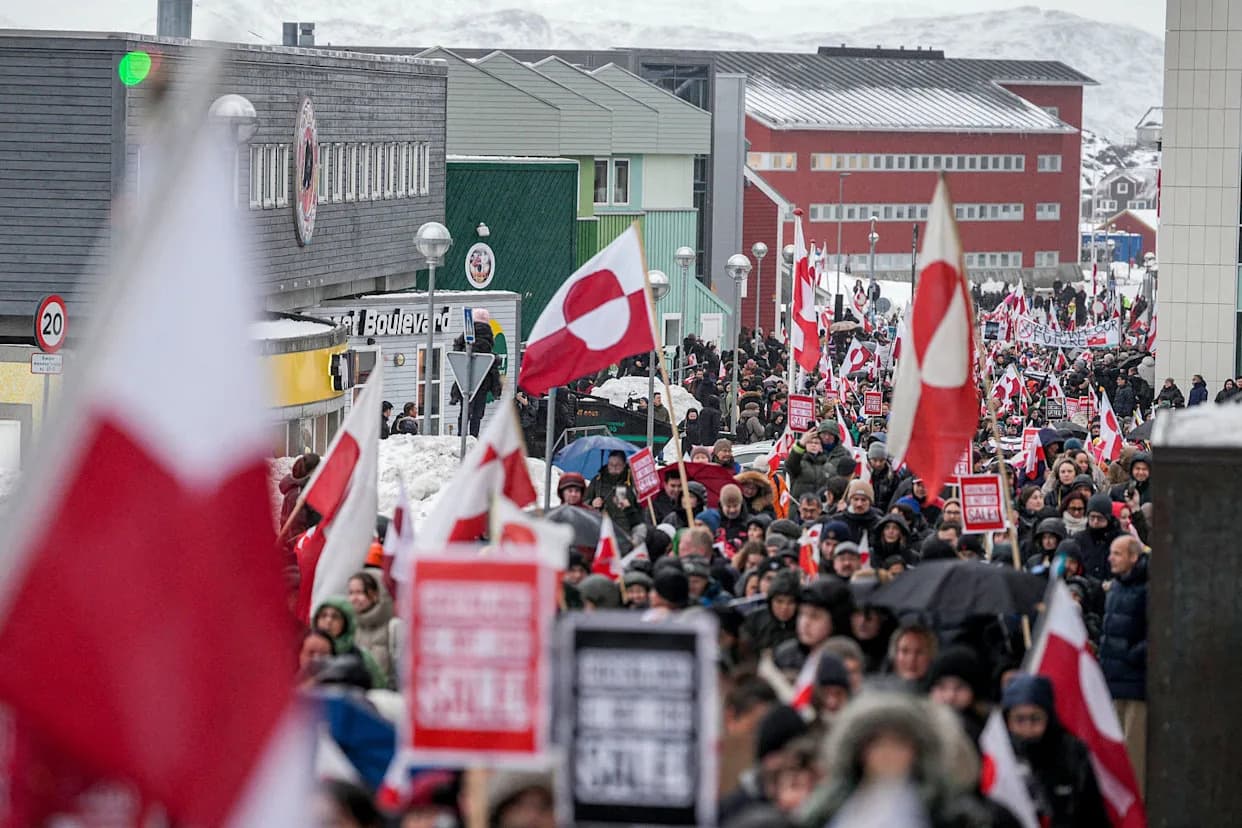
In an exclusive interview with Fox News Digital, U.S. Ambassador to NATO Matthew Whitaker pushed back on growing European criticism of Washington’s focus on Greenland. He argued that Arctic security is a core U.S. defense interest and warned that Europe "has a tendency to overreact" to disputes over the region.
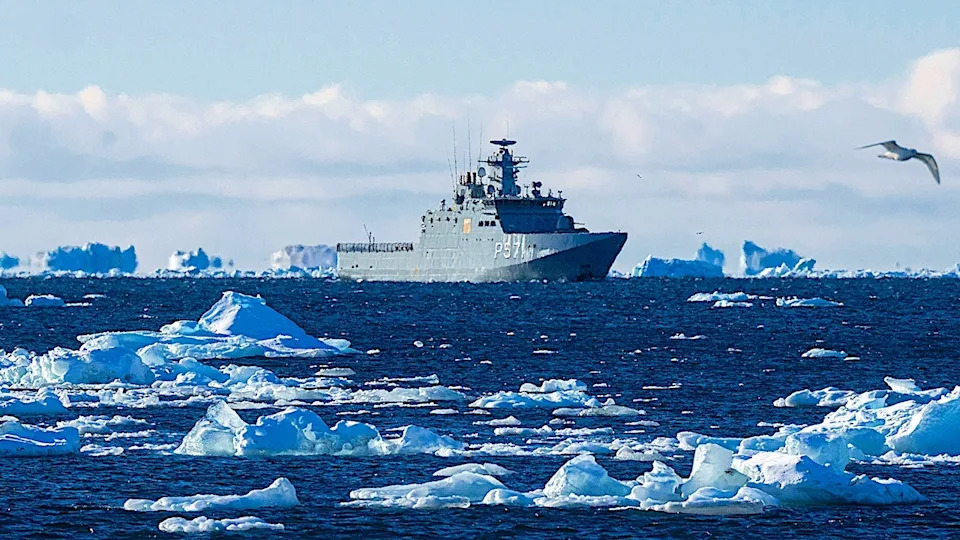
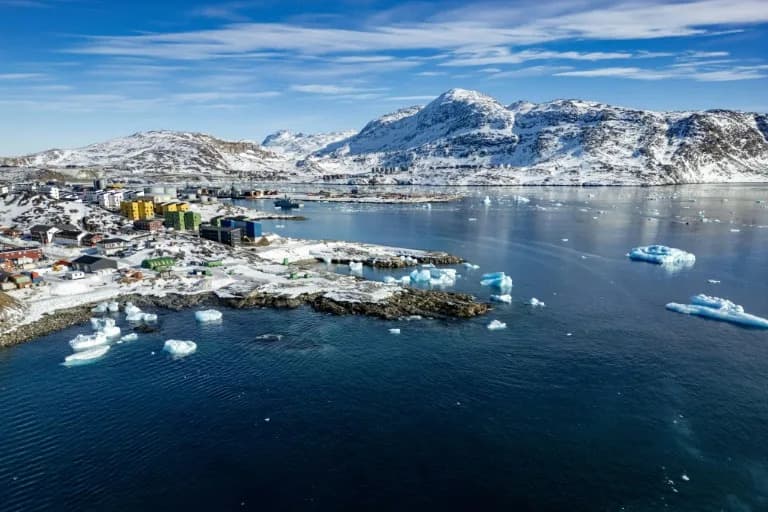
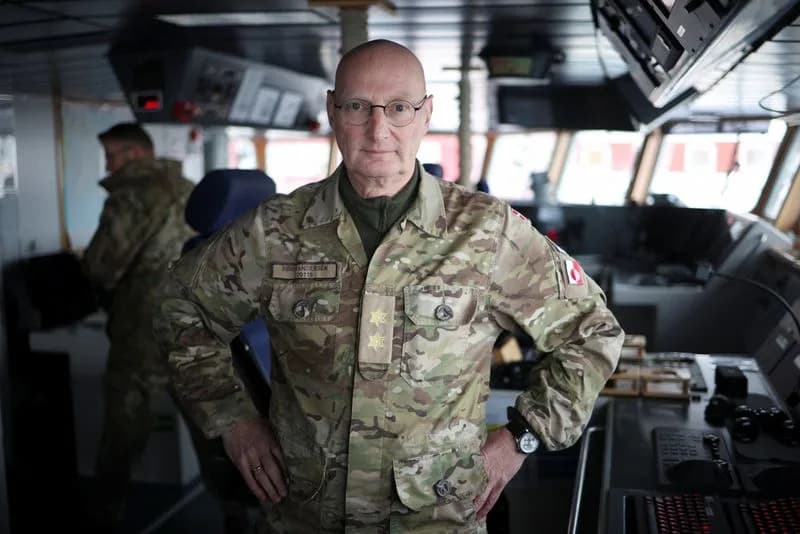
Military vessel HDMS Ejnar Mikkelsen of the Royal Danish Navy patrols near Nuuk, Greenland, Wednesday, March 5, 2025.
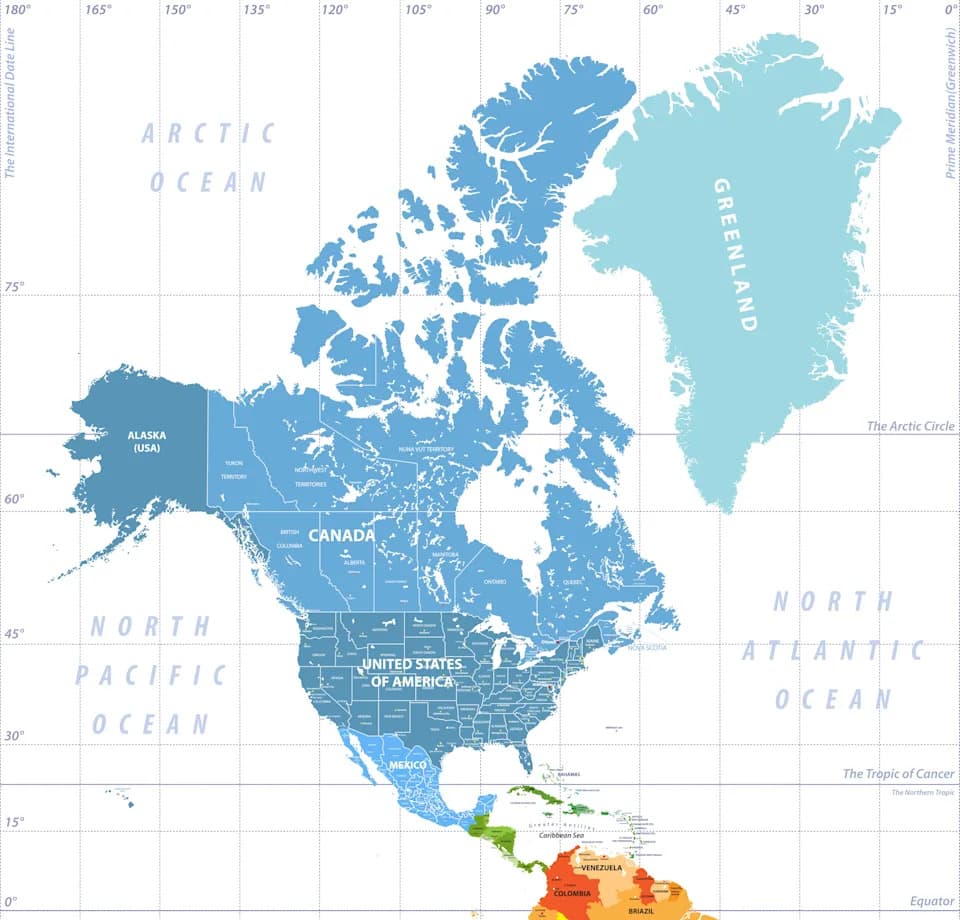
Why Greenland Matters
Whitaker emphasized that Greenland's strategic value has increased as warming temperatures and melting ice reshape the Arctic and open new sea routes. "The security of the high north... is the most important issue," he said, adding that Greenland serves as the northern flank of the continental United States and is essential for monitoring, naval access and long-term hemispheric defense.
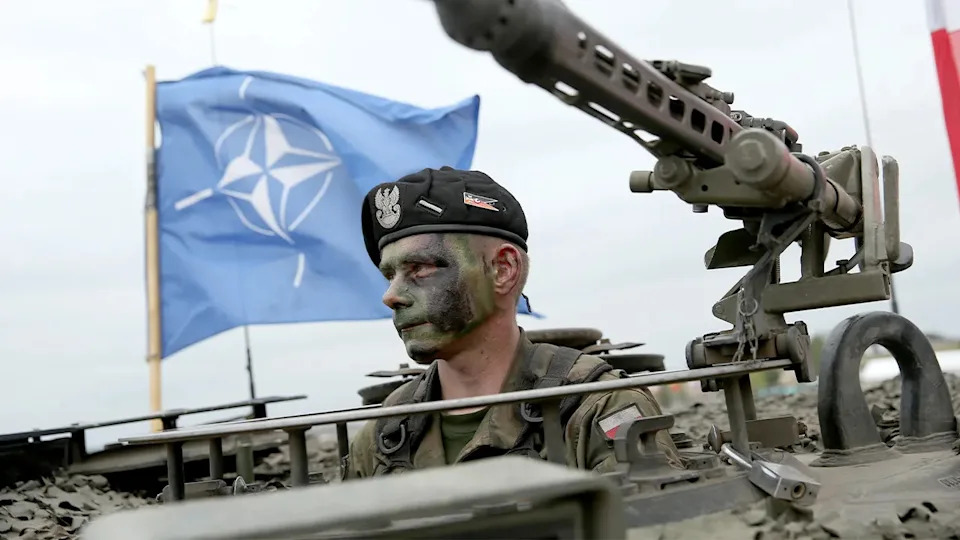
A Polish Army soldier sits in a tank as a NATO flag flies behind during the NATO Noble Jump VJTF exercises on June 18, 2015, in Zagan, Poland.
Diplomacy Over Escalation
Despite tensions sparked by France's announcement of new exercises with Denmark, Whitaker said recent talks indicate the situation can be managed without escalation. He described a recent diplomatic meeting as productive: "I know that a very successful meeting happened between the Danes and Greenland and Vice President Vance and Secretary of State Rubio, so I think it’s going to be constructive." He urged cooler heads to prevail and cautioned allies against inflaming the dispute.
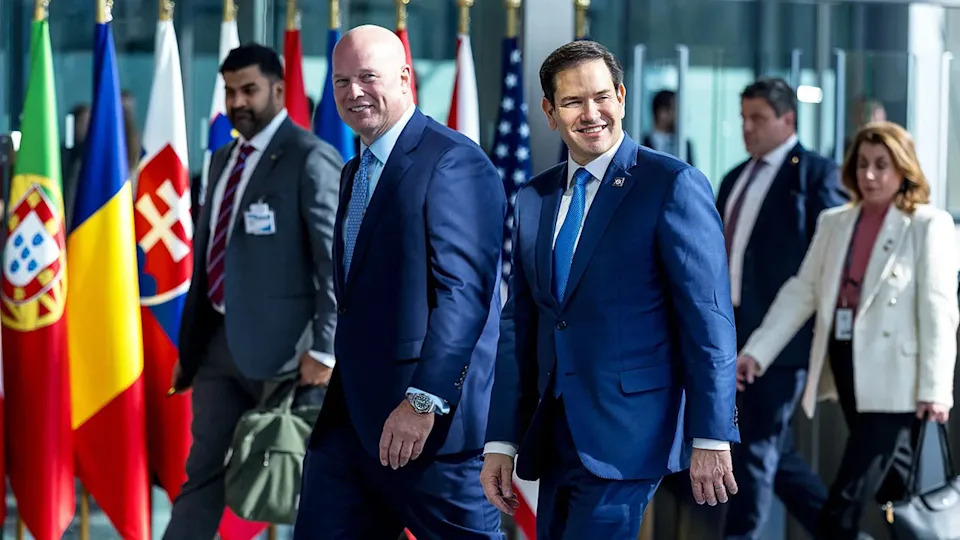
US Secretary of State Marco Rubio (R) and the US Permanent Representative to NATO Matthew Whitaker (L) arrive at NATO Headquarters on the first day of the NATO Foreign Ministers' Meeting on April 03, 2025 in Brussels, Belgium.
NATO Capabilities and Burden Sharing
Speaking from the Ronald Reagan Presidential Library, Whitaker invoked the "peace through strength" doctrine to press NATO partners to speed up capability improvements and increase defense spending. "The most important thing that we're doing at NATO is, one, the United States is strong... We want all of our allies inside of NATO to be equally as strong, and they're not at this point in time," he said.

A NATO military force stands guard ahead of the two-day NATO summit at the World Forum, in The Hague, on June 22, 2025.
"Some of them have certainly become more capable... but there are some that are not." — Matthew Whitaker
He singled out Poland as an example of a country preparing to boost defense spending, while noting that several allies still lag and must convert political pledges made at The Hague into tangible military capabilities. "It has to be on capabilities. It has to make them stronger, ready to fight tonight," Whitaker said.
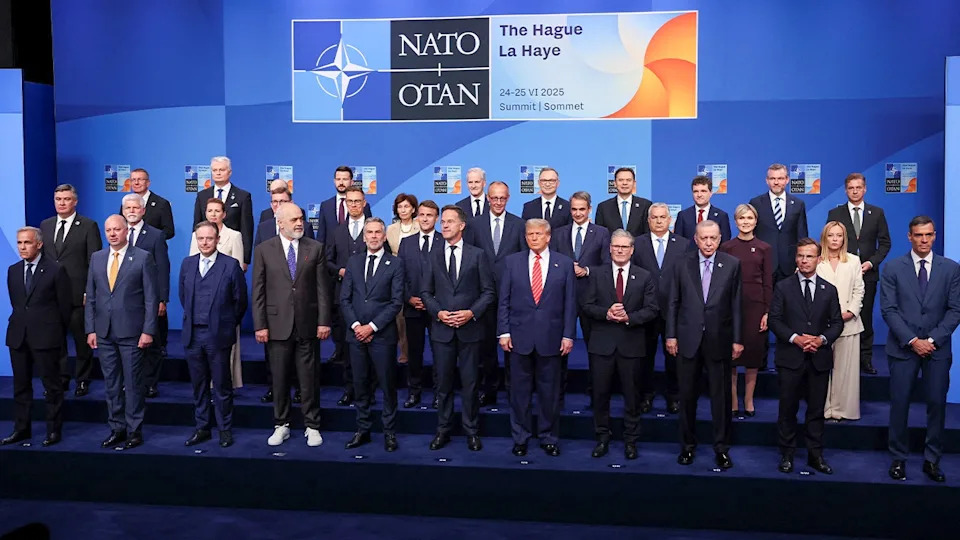
NATO leaders pose in this shot taken in June. Military leaders are meeting in Washington on Tuesday evening to discuss security options for Ukraine.
Economic Reforms and Defense Commitments
Whitaker urged European governments and the EU to pursue deregulation and policies that spur economic growth in order to free capital for defense. "They’re going to have to deregulate, they are going to have to find more capital and economic growth, because at the end of the day, that's what's going to allow them to live up to the promises they've made to increase their defense spending," he said. He also referenced U.S. defense spending and economic policy as models for incentivizing capability.
Context: Russia and Regional Threat Perceptions
Whitaker pointed to geographic proximity to Russia as a key factor shaping threat perceptions among NATO members. He cited Russia's 2014 annexation of Crimea and its 2022 invasion of Ukraine as drivers of concern in the Baltic and Nordic states.
As NATO moves forward, Whitaker said Washington will continue to press European and Canadian allies to increase contributions and turn agreed commitments into operational capabilities.
Help us improve.