The fiscal 2026 NDAA directs a Nifty Nugget–style study to evaluate U.S. Reserve and active force mobilization, deployment and sustainment for potential high‑intensity conflicts in the Indo‑Pacific. The original 1978 exercise exposed major planning, logistics and communications failures — lessons that helped drive later reforms. The new study must assess lift, logistics, interagency and allied coordination, inventory reservists' civilian skills, and report within two years on reservist availability at 30/60/90 days with recommendations.
Nifty Nugget Returns: NDAA Orders New Study of Reserve Mobilization for an Indo‑Pacific War
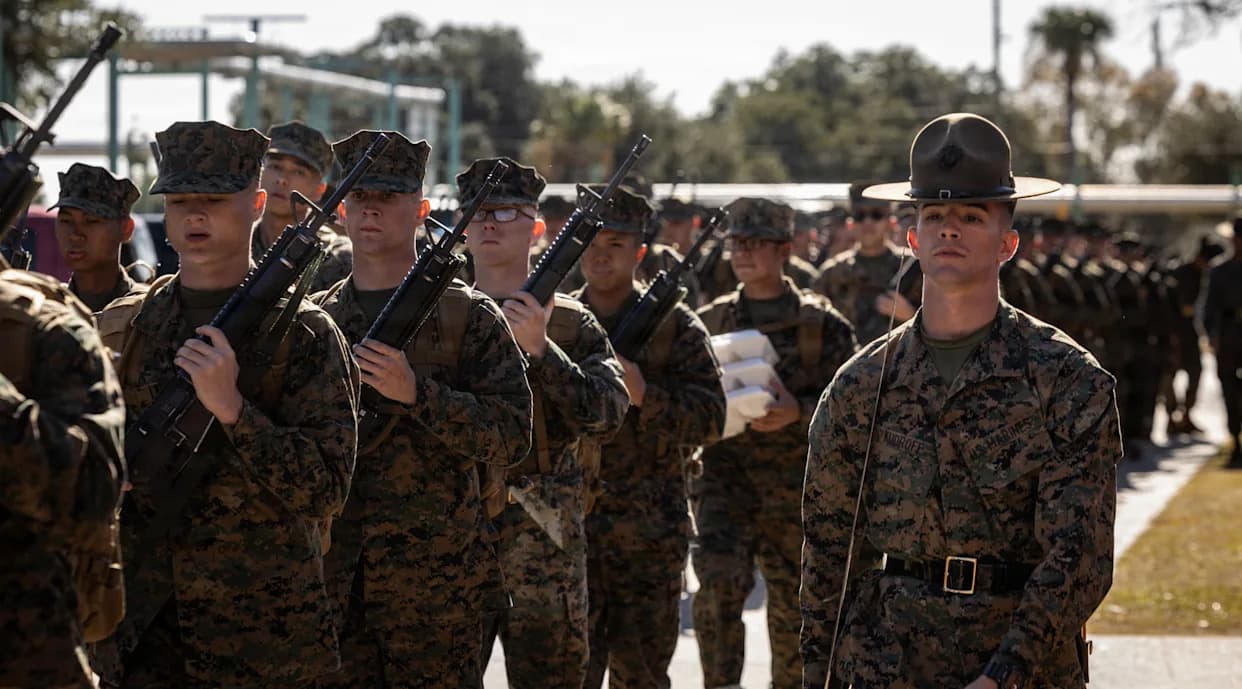
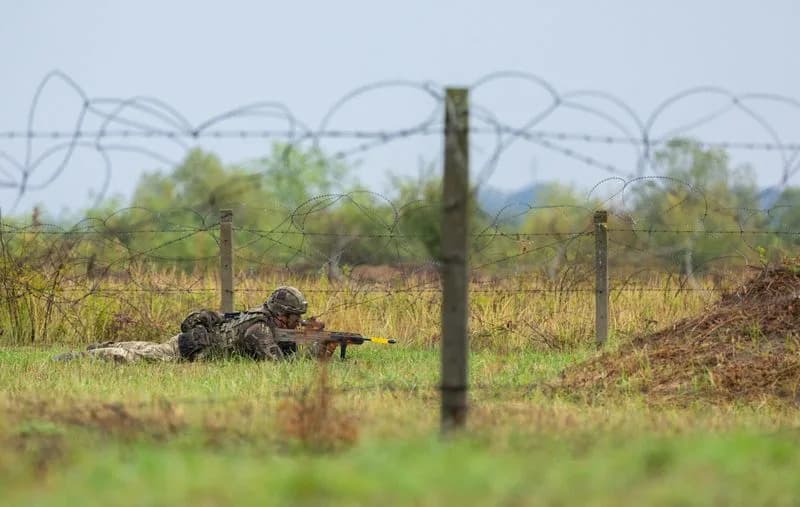
In the fiscal 2026 NDAA signed by President Donald Trump, a provision calls for a study modeled on Nifty Nugget and focused on Reserve force mobilization. (Cpl. Jordy Morales/Marine Corps)
The Defense Department’s 1978 mobilization exercise "Nifty Nugget" exposed severe gaps in planning, communications and logistics — lessons that largely shaped later reforms. Now the fiscal 2026 National Defense Authorization Act (NDAA) directs a Nifty Nugget–style study to assess how rapidly the U.S. can mobilize, deploy and sustain active and Reserve forces for a high‑intensity contingency in the Indo‑Pacific.
Background: What Happened in 1978
In 1978 the Pentagon ran a 21‑day simulation called "Nifty Nugget" that engaged roughly two dozen commands to model a worldwide mobilization for a major European conflict. The exercise uncovered major shortfalls: planning and communication breakdowns, logistical bottlenecks, and large deployment delays — in the scenario as many as half a million troops arrived late and the exercise projected roughly 400,000 U.S. casualties. While the trial was criticized at the time, it produced important lessons and helped spur reforms such as the eventual creation of U.S. Transportation Command in 1987.
What the 2026 NDAA Requires
The fiscal 2026 NDAA, signed in early December, directs the secretary of defense and the chairman of the Joint Chiefs to work with U.S. Indo‑Pacific Command on a study modeled on Nifty Nugget focused on Reserve force mobilization. The analysis must:
- Assess the ability to rapidly mobilize, deploy and sustain active and reserve component forces for scenarios involving the Taiwan Strait, South China Sea, or similar Indo‑Pacific flashpoints.
- Evaluate strategic lift, sustainment and logistics capabilities.
- Analyze interagency coordination procedures and joint/allied interoperability, with particular attention to coordination mechanisms with Japan, Australia, the Philippines and Taiwan.
- Create an inventory of civilian occupations, education and technical skills in the Reserve component (including language, cultural expertise, cybersecurity, data science, advanced degrees and private‑sector leadership experience).
- Provide data estimates for reservist availability to reinforce active units within 30, 60 and 90 days, and quantify how many reservists would be needed to support sustainment operations at home.
Why This Matters
The requirement comes as tensions over Taiwan and other Indo‑Pacific flashpoints have increased. Policymakers and analysts emphasize that readiness is not just about ships, aircraft and equipment: manpower, medical readiness, and civilian workforce skills are critical to sustain a prolonged high‑intensity fight. The study is intended to expose gaps and test assumptions before a real crisis.
Related Research and Challenges
A 2024 Center for a New American Security (CNAS) study examined how quickly the United States could mobilize conscripts if a draft were reinstated. In a best‑case scenario the report estimated about seven months to mobilize 100,000 conscripts; under imperfect conditions that timeline could stretch to three‑and‑a‑half years. While mass‑activating trained reservists would be less difficult than starting a draft from scratch, both approaches share obstacles such as meeting medical and dental deployment requirements and ensuring personnel compliance.
Katherine Kuzminski, the CNAS report’s lead author, told Military Times that exercises like Nifty Nugget are designed to reveal where gaps exist so they can be fixed, not to assign blame for current shortcomings.
Modern Variables
Analysts note additional modern complications: social media and rapid information flows can influence public reactions and compliance with mobilization orders; civilian workforce skills and certification portability matter for critical sustainment roles; and allied coordination will be necessary in any sizable Indo‑Pacific contingency. The NDAA study is due within two years and must include findings, recommendations and best practices informed by data analysis.
Origin of the Name: Researchers have not found a definitive explanation for the quirky name "Nifty Nugget," and the label remains part of the exercise’s odd legacy.
Help us improve.