The U.S. plans to cut about 200 positions across several NATO command centers, including the NATO Intelligence Fusion Centre, Allied Special Operations Forces Command and STRIKFORNATO. The reductions would halve U.S. staff at the affected NATO bodies by largely not backfilling roles as personnel rotate out. Though modest compared with roughly 80,000 U.S. troops in Europe, the move could heighten European concerns about Washington's long-term commitment amid a broader U.S. shift toward the Western Hemisphere.
U.S. To Cut About 200 Positions At Key NATO Commands, Fueling European Concern
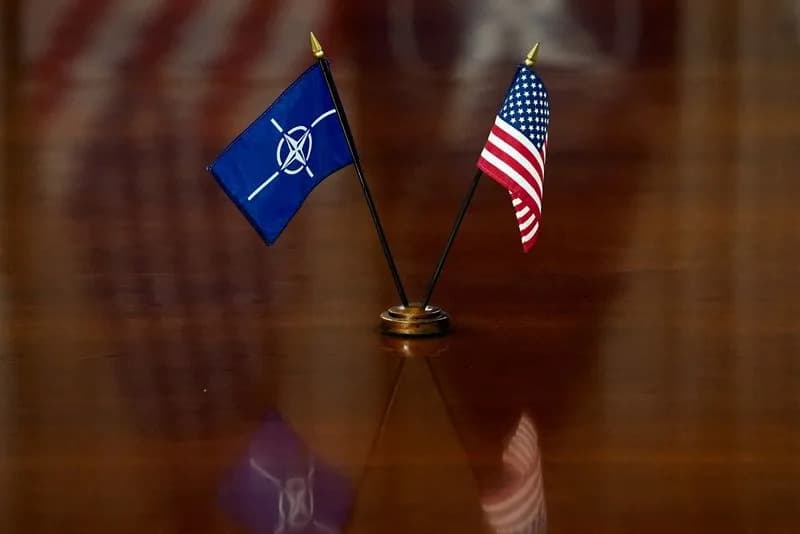
NATO and U.S. flags are set on the table as U.S. Defense Secretary Pete Hegseth and NATO Secretary General Mark Rutte meet at the Pentagon in Washington, D.C., U.S., April 24, 2025. REUTERS/Nathan Howard
WASHINGTON, Jan 20 (Reuters) - The United States plans to reduce roughly 200 U.S. positions assigned to several central NATO command centers, according to three people familiar with the discussions. The reductions, which Washington has already communicated to some European capitals, target units that coordinate the alliance's military and intelligence work and could have symbolic — if not immediate operational — consequences for transatlantic ties.
What Will Be Affected
Sources said the cuts will affect the NATO Intelligence Fusion Centre in the United Kingdom and the Allied Special Operations Forces Command in Brussels. Portugal-based STRIKFORNATO, which oversees certain maritime roles, is also on the list, along with several comparable NATO bodies, the sources said. The reporters were not provided with a complete list.
Scope And Implementation
One source said about 400 U.S. personnel currently serve in the entities targeted for reduction, meaning the changes would reduce American presence at those NATO organizations by roughly half — to about 200. Rather than immediately recalling service members, the U.S. will largely decline to backfill positions as personnel rotate out, the sources said. The officials spoke on condition of anonymity to discuss private diplomatic conversations.
NATO Response: A NATO official said changes to U.S. staffing are not unusual and emphasized that the U.S. presence in Europe remains larger than it has been in recent years. "NATO and U.S. authorities are in close contact about our overall posture – to ensure NATO retains our robust capacity to deter and defend," the official said.
Political Context And Implications
The cuts are modest relative to the roughly 80,000 U.S. military personnel stationed in Europe — nearly half of them in Germany — and do not necessarily indicate a broad military withdrawal from the continent. Still, the reductions come amid a fraught period for the alliance and are likely to intensify European worries about Washington's long-term commitment to NATO.
The moves align with the Trump administration's stated intent to shift more U.S. resources toward the Western Hemisphere. In December, Pentagon officials told European diplomats that the United States expects Europe to assume the bulk of NATO's conventional defense responsibilities, from intelligence to missiles, by 2027 — a timeline that surprised many capitals. A recent U.S. national security document also called for a greater focus on the Western Hemisphere.
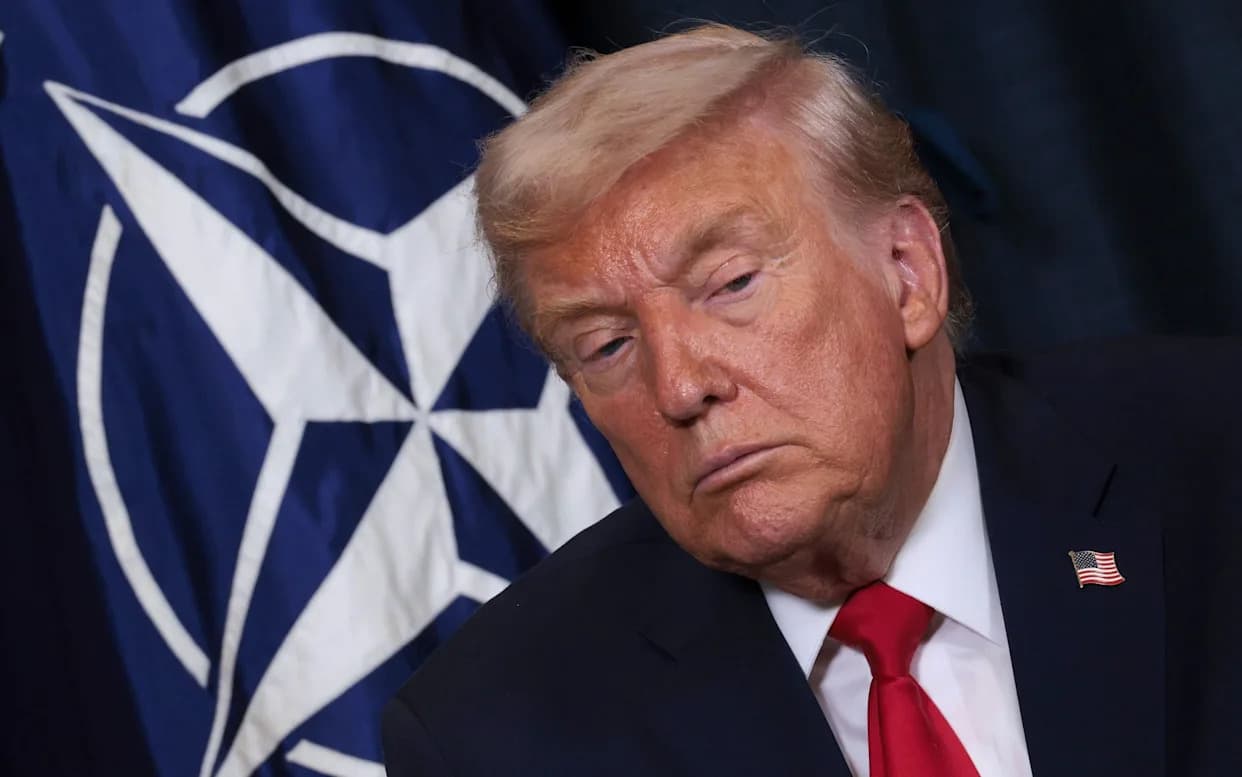
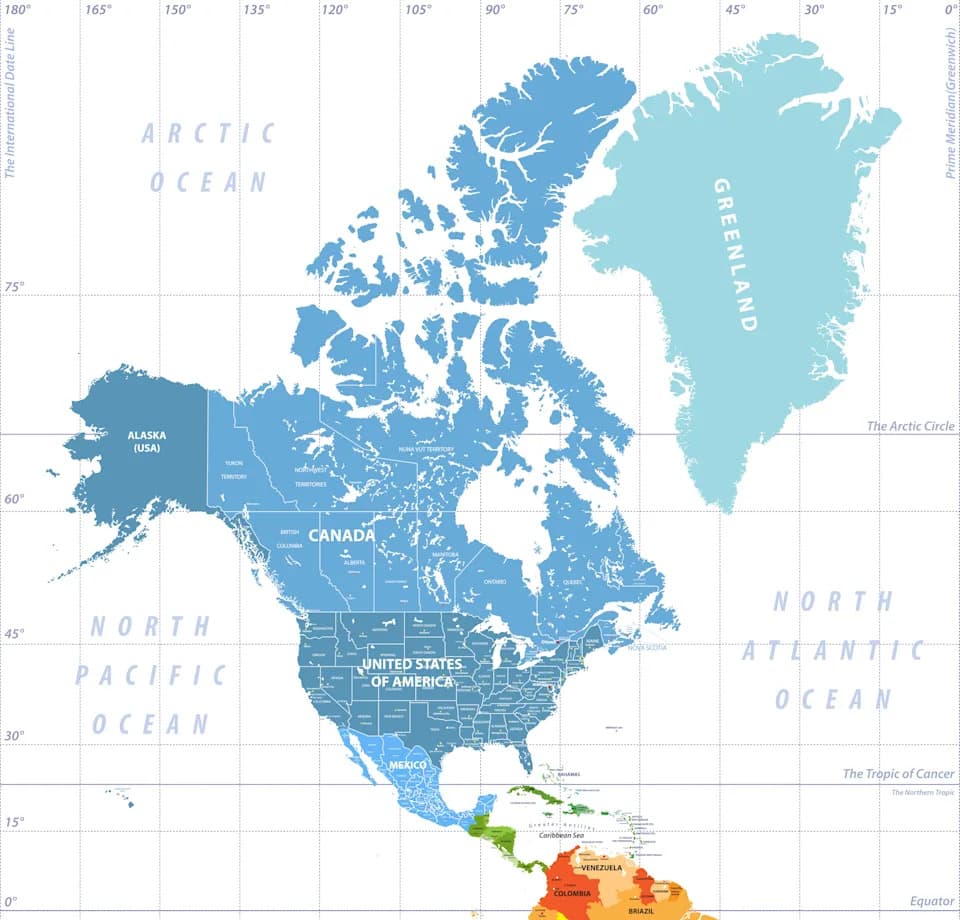
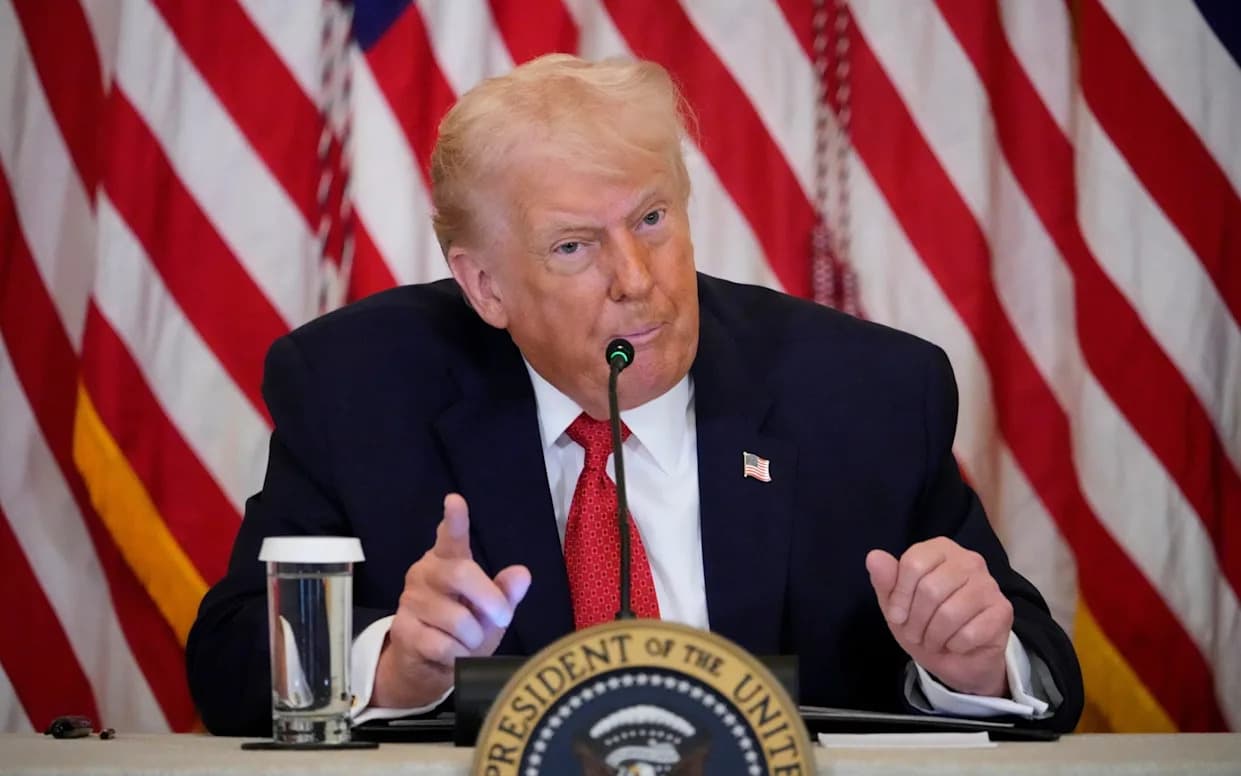
Tensions have been further elevated by President Donald Trump's public remarks and actions this year, including renewed interest in acquiring Greenland from Denmark and an announcement that tariffs would be imposed on several NATO allies over the island dispute — a step that prompted warnings of possible European countermeasures.
Reporting Notes
The Washington Post first reported the decision. Reuters reporters Gram Slattery, Jonathan Landay and Humeyra Pamuk contributed to coverage. The White House and the Pentagon did not respond to requests for comment.
Help us improve.