Donald Trump’s Greenland remarks have forced Europe to confront a once-hypothetical question: could the continent defend itself if the United States stepped back from Nato? Although Europe collectively has greater population and economic weight than Russia, much of its combat effectiveness relies on American "enablers" and leadership. Building genuine strategic autonomy would require higher defence spending, industrial consolidation, new command arrangements and years of sustained investment — and would entail difficult domestic trade-offs.
Europe Without America: How the Continent Could Defend Itself
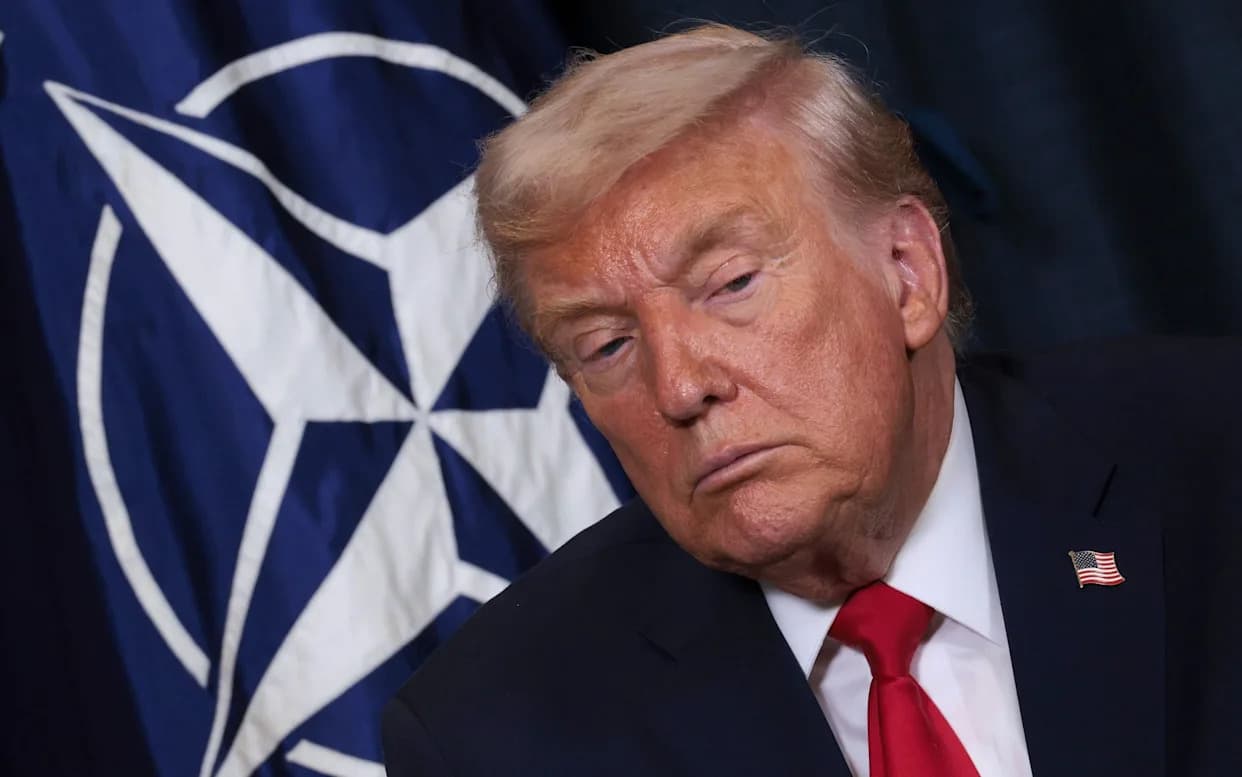
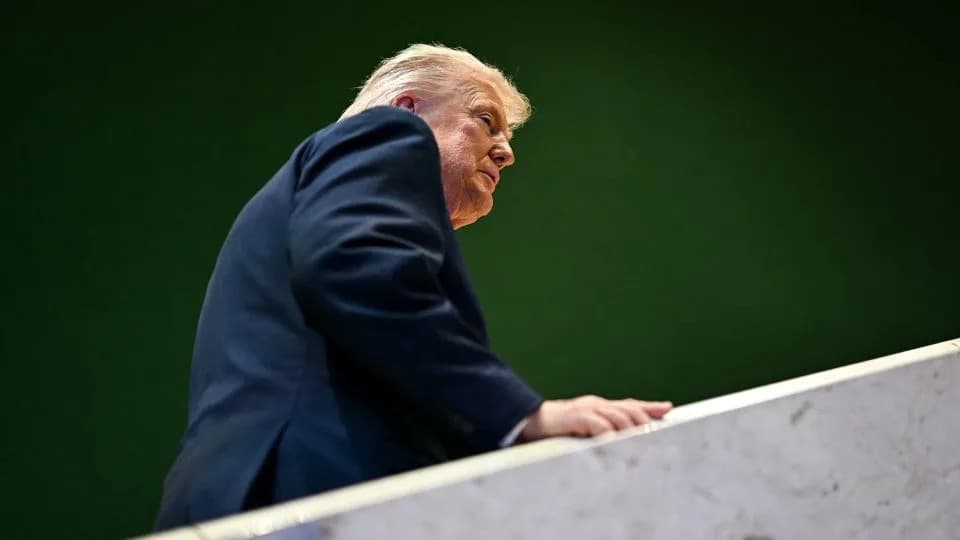
If Donald Trump turns his back on Nato, European nations have difficult questions to answer - Chip Somodevilla/Getty Images
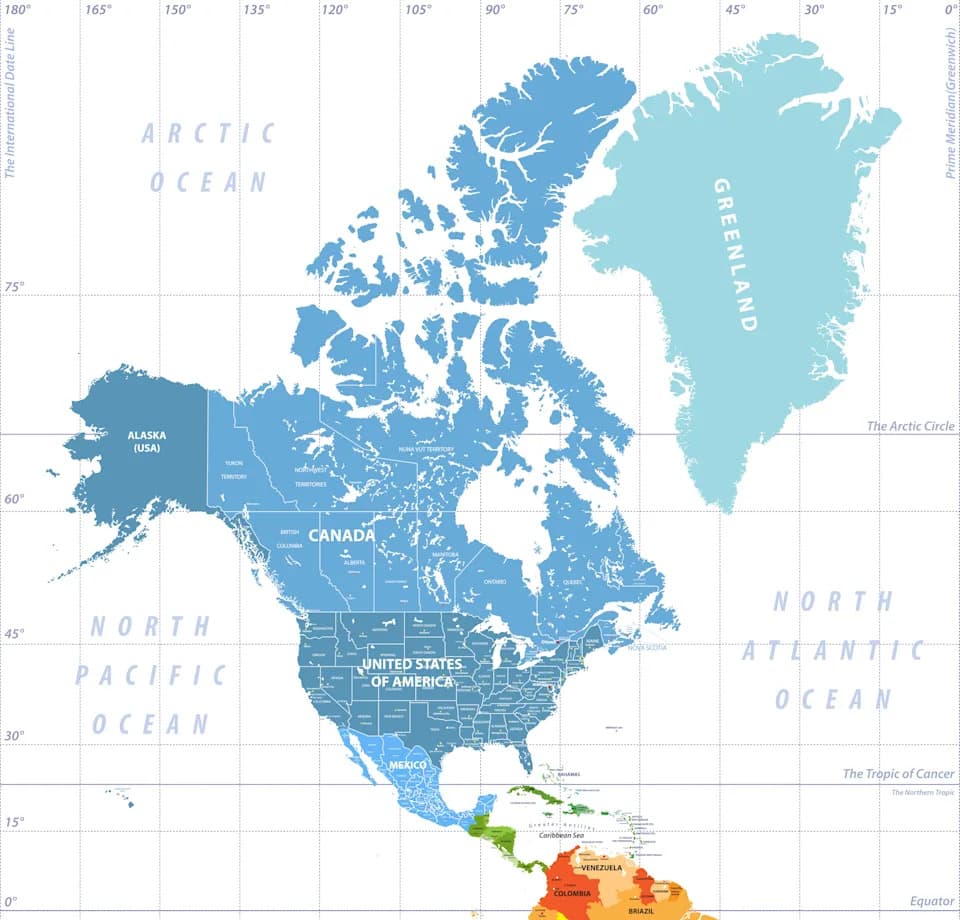
Deep in Europe’s defence ministries lie contingency plans for nearly every crisis — from repelling invasions to mounting counterstrikes. Until recently one scenario seemed implausible: the United States declining to defend Europe. Donald Trump’s threats over Greenland and repeated rhetoric about willing use of force have narrowed that gap between theory and reality, forcing European leaders to ask how the continent would deter or repel a Russian attack without its superpower ally.
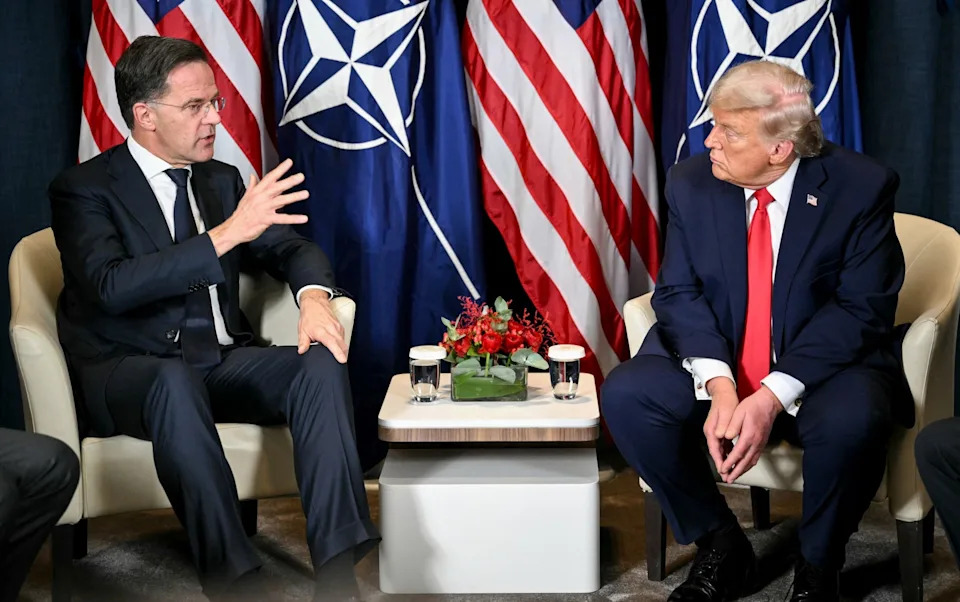
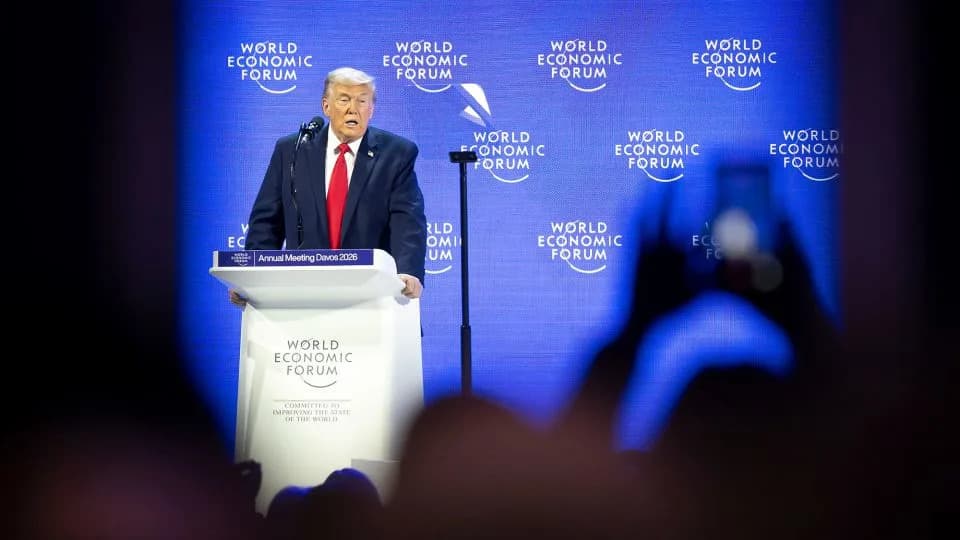
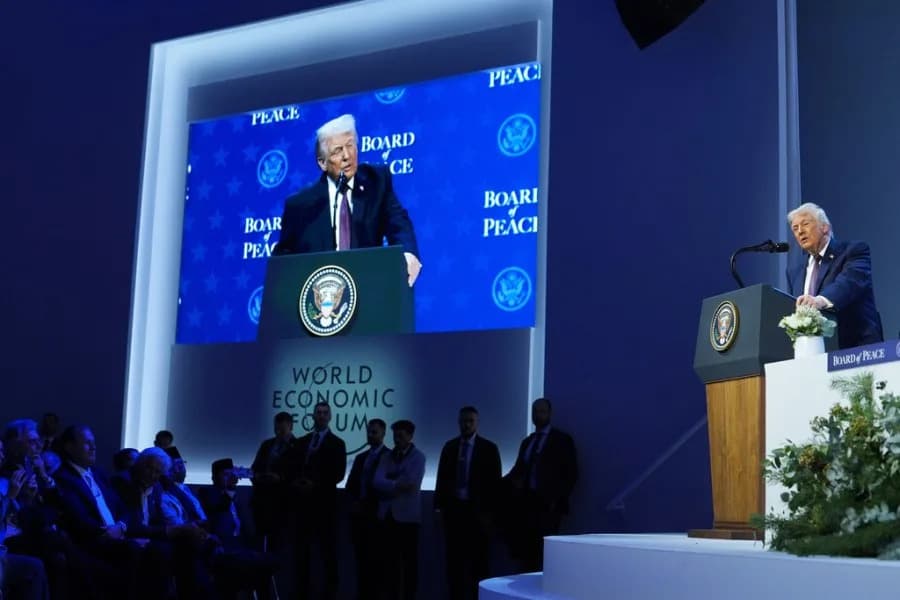
Donald Trump speaks with Nato secretary-general Mark Rutte at the World Economic Forum in Davos - Mandel NGAN / AFP via Getty Images
The Strategic Problem
On paper Europe is not weak. Together, roughly 500 million Europeans outnumber Russia’s population and command a far larger economy. Nato’s European members field about two million active personnel compared with Russia’s 1.3 million, and Europe can muster nearly 1,600 fast jets versus roughly 1,000 in Russia. European navies operate more frigates and destroyers than Moscow, although Russia retains an edge in nuclear submarines.
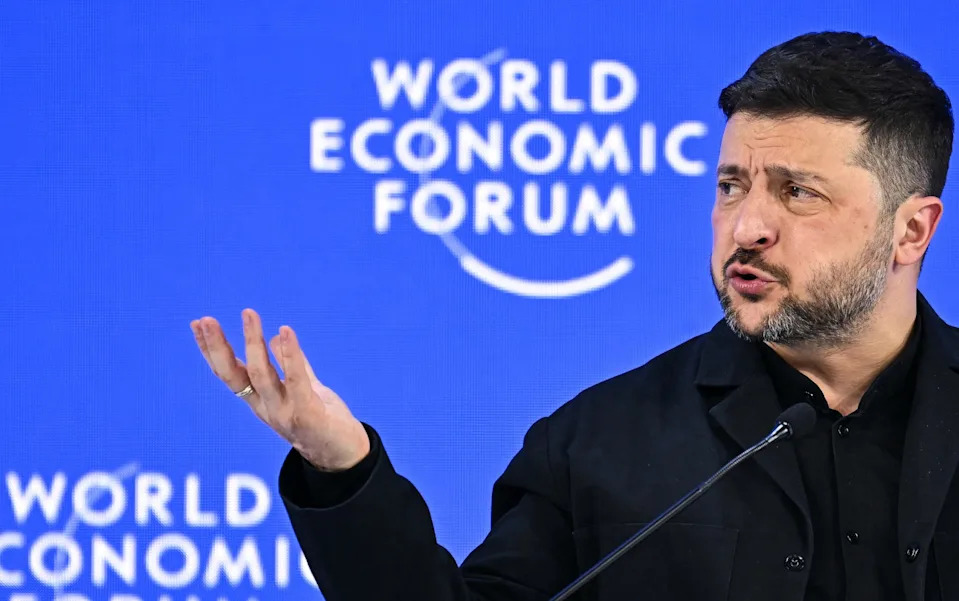
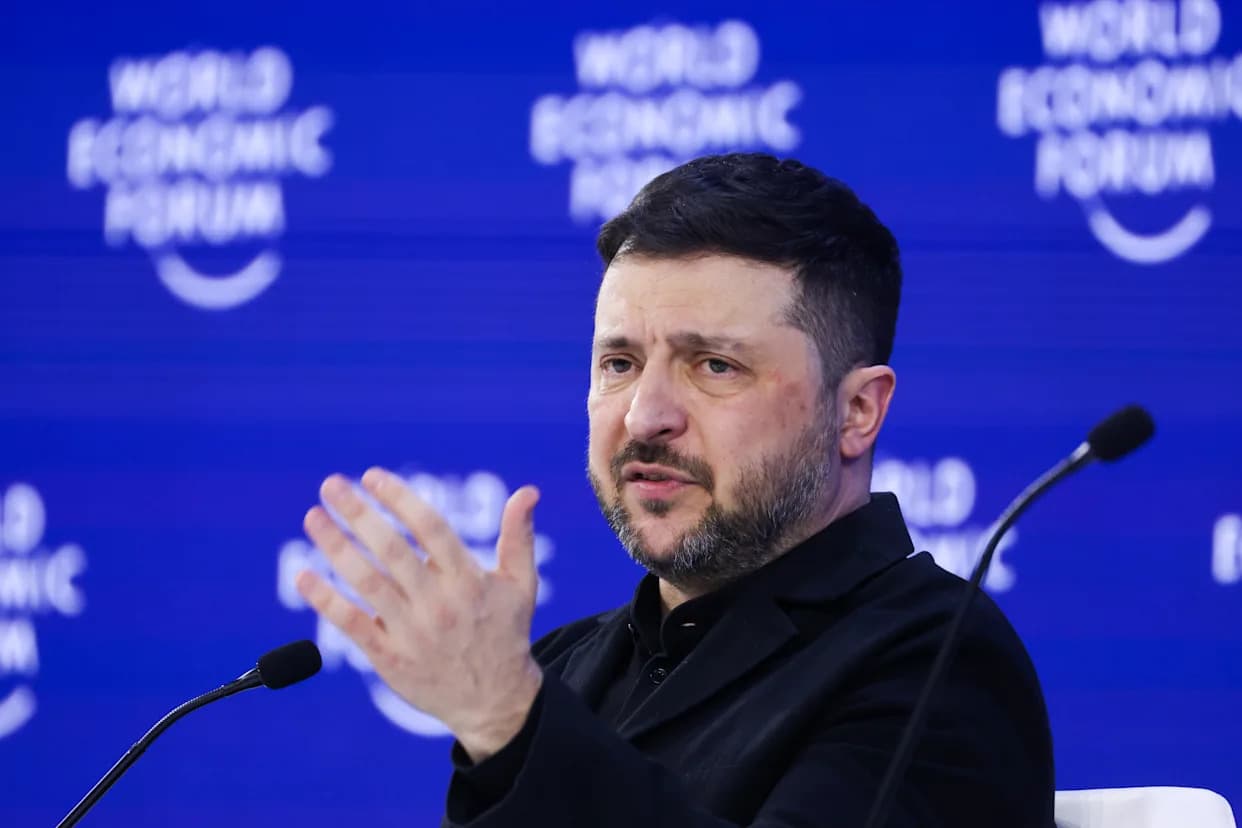
Zelensky delivers a blistering speech in Davos, warning that Europe talks about the future while avoiding action - Fabrice COFFRINI / AFP via Getty Images
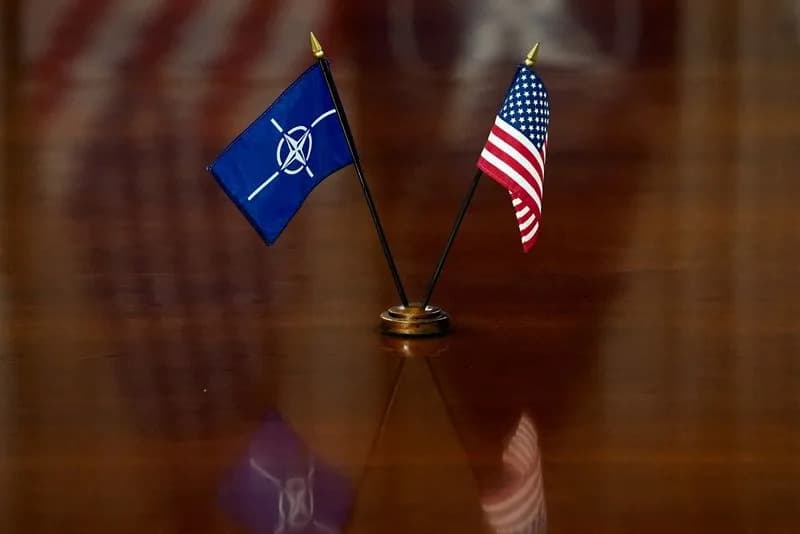
But much of Europe’s effective military power depends on American enablers and leadership. The United States accounts for more than 60 percent of Nato’s defence spending and supplies critical capabilities—satellite surveillance, heavy strategic airlift, airborne early warning, air-to-air refuelling and the nuclear umbrella—that many European forces currently lack at scale.
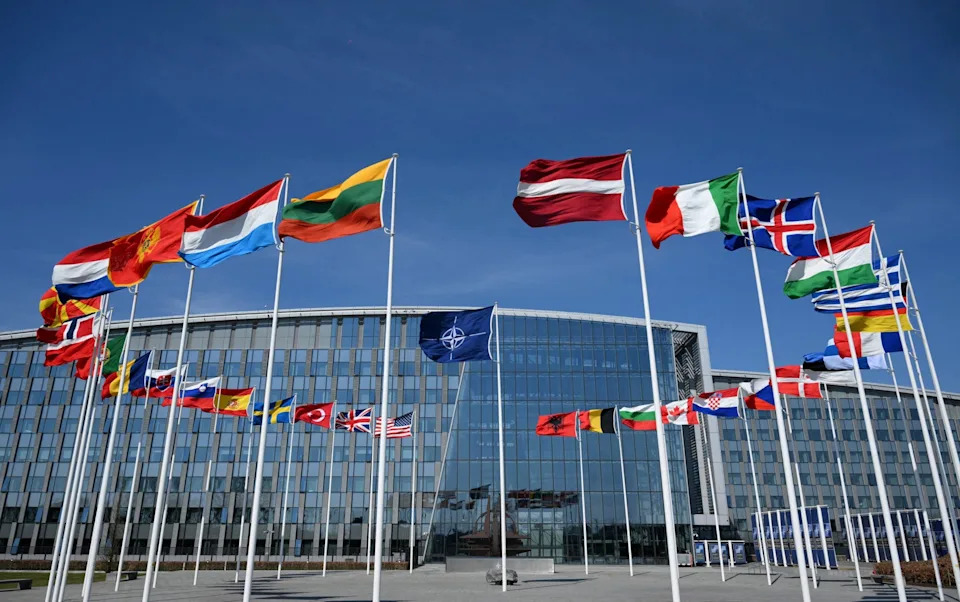
There are 32 nations in Nato, but that strength in numbers would be substantially weakened if America leaves
Why This Matters
Without US support, the alliance would face three immediate challenges: a capability gap, fractured command leadership, and the political will to accept painful trade-offs. European defence spending in 2024 totaled about £340bn versus Russia’s £110bn, but after adjusting for purchasing-power parity Russia’s military budget buys roughly comparable output. Fragmentation makes matters worse: Europe fields around 174 different weapon systems across many states, multiplying logistics, training and maintenance burdens.
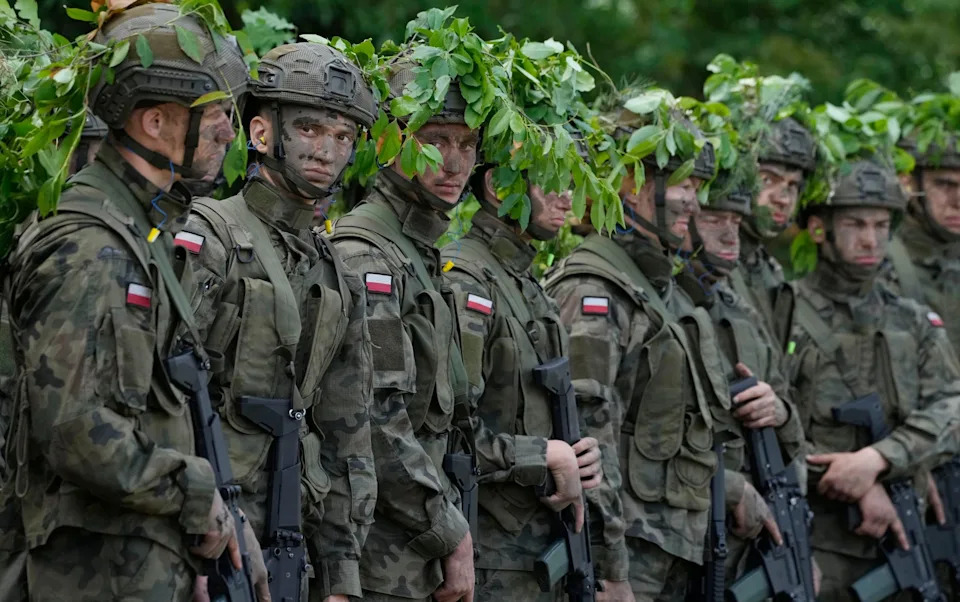
Poland has emerged as Europe’s fourth military powerhouse, fielding Nato’s third-largest armed forces - AP Photo/Czarek Sokolowski
What Europe Would Need To Do
Building credible, independent defence would require a multi-decade effort and large costs. Key steps include:
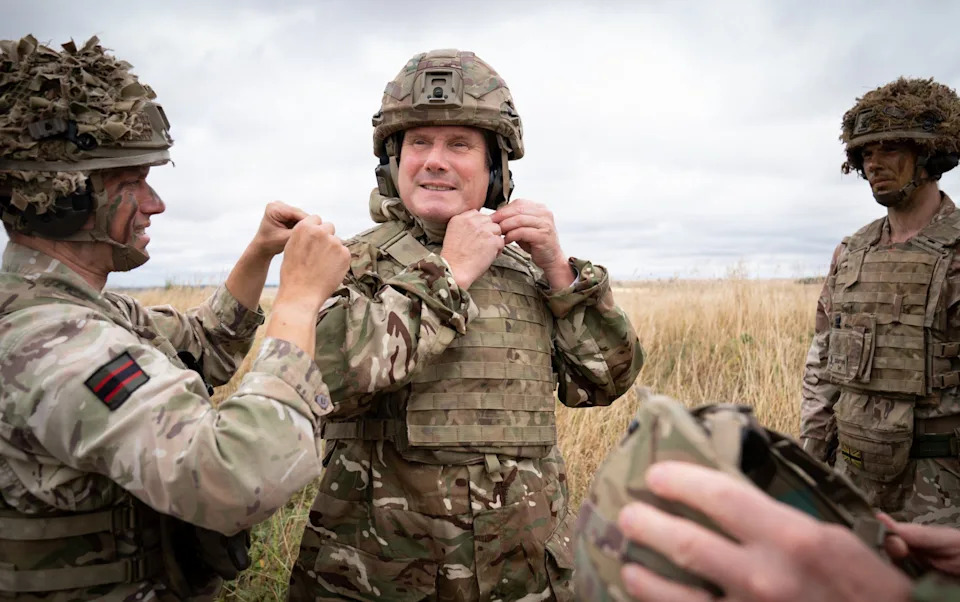
Starmer has pledged only modest rises in defence spending, targets that critics warn would leave Britain dangerously exposed if US backing falters
- Mobilising political will for sustained higher defence spending across most European countries and accepting hard budget trade-offs.
- Coordinating procurement and phasing out duplicative platforms to create economies of scale and common logistics.
- Reproducing critical "enablers": satellites, strategic airlift, airborne early warning, tanker fleets and stockpiles of munitions.
- Expanding defence-industrial capacity and rebuilding ammunition and equipment reserves to support protracted conflict.
- Considering changes in force generation, including larger standing forces and, in some countries, measures such as conscription to ensure mobilization capacity.
Leadership And Political Architecture
America’s role has not only been material but also disciplinary: US commanders and diplomats have often resolved allied disputes and set operational priorities. No single European state can easily replace that role. A plausible model is a small, informal directorate of leading states — for example Germany, France, Britain, Poland, and partners such as Finland or Sweden — sharing political and military leadership in Nato’s decision-making bodies. Proposals include appointing a European SACEUR (Supreme Allied Commander Europe) from the continent’s eastern flank to signal commitment to eastern defence, balanced by a western European civilian secretary-general.
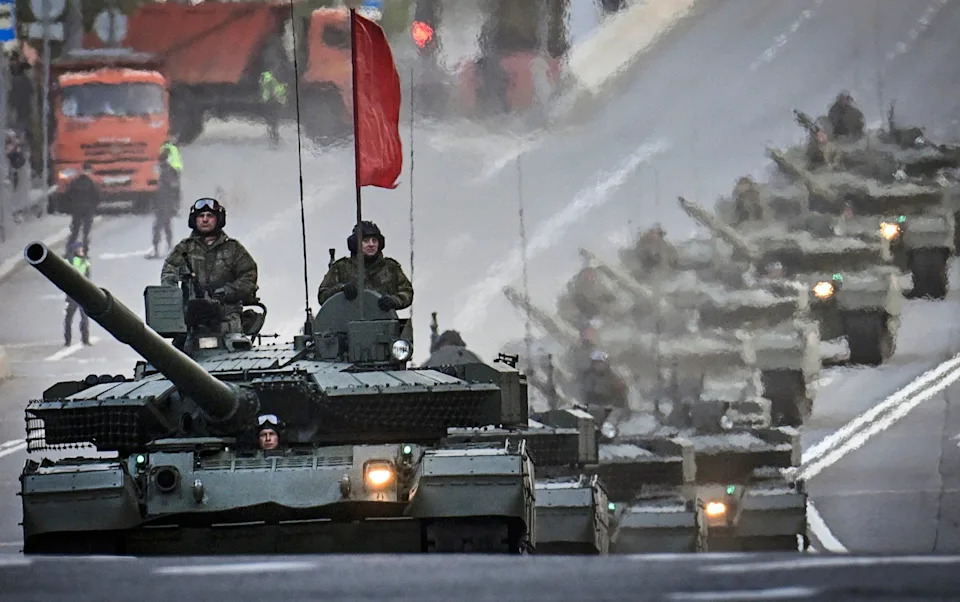
Russian T-90M tanks parade through Moscow in 2025, underscoring how industrial scale lets the Kremlin turn spending into military power - Alexander NEMENOV / AFP
The Nuclear Dimension
Replacing the US nuclear umbrella poses thorny questions. Britain and France are Europe’s nuclear powers but together possess far fewer warheads than Russia. Compensating for a lost American deterrent would likely force the UK and France to reconsider doctrine, potentially expand arsenals, and develop more flexible escalation options—all politically sensitive and costly choices. Yet even modest European deterrents can impose unacceptable costs on an adversary and therefore shape adversary calculations.
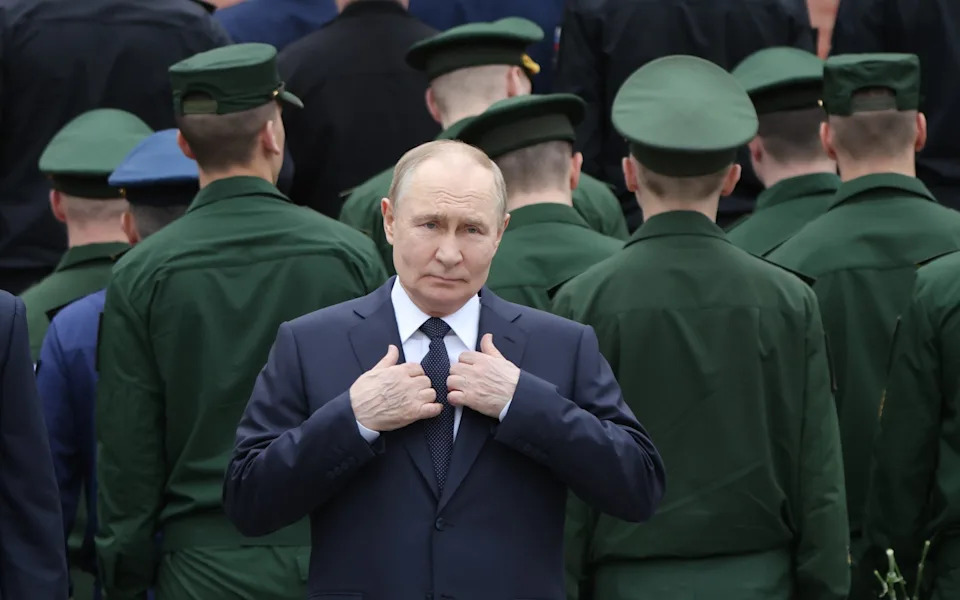
A weakened Atlantic alliance would present Putin with opportunities few Russian leaders have enjoyed since the Cold War - Contributor/Getty Images
Internal Risks And The Russian Calculus
US leadership has helped contain intra-European disputes from the Balkans to the Aegean. Without that external moderator, Europe would need stronger, homegrown diplomatic mechanisms to prevent old rivalries from flaring. Meanwhile Vladimir Putin’s Kremlin faces choices of its own: whether to exploit a perceived transatlantic fracture with opportunistic aggression or to sit back and watch Europe reorganise. Some analysts judge the risk of immediate large-scale land offensives low; others warn Moscow might probe and attempt limited seizures, especially in the Baltics, using hybrid and small-unit tactics.
Timeframe And Costs
Rebuilding European military independence would take years or decades and cost tens to potentially hundreds of billions of pounds beyond current plans. That would mean difficult domestic trade-offs across welfare, infrastructure and public services, as well as political debates about the scale and character of the armed forces Europe wants.
Conclusion
Donald Trump’s rhetoric has crystallised a debate simmering for years. Europe faces a stark choice: accept the strain of strategic autonomy—concentrating procurement, increasing spending, and building common leadership—or risk remaining fragmented and vulnerable. As Volodymyr Zelensky warned at Davos, Europe can no longer afford to confine itself to debate; without decisive action it will repeatedly be "reacting, catching up with new dangers and attacks."
Help us improve.