A provincial report in New Brunswick found no evidence that environmental exposures caused a cluster of neurological symptoms reported over five years. Initial inquiries beginning in 2021 examined dozens of patients with symptoms such as muscle spasms, memory loss, hallucinations and balance issues and found no common illness. A broader review of 222 cases and a JAMA study likewise found no single disease or environmental link. The report also raised concerns about the clinical work of Dr. Alier Marrero and recommended that patients be seen by two specialists before labeling a condition "undiagnosed."
Final Report Finds No Environmental Link In New Brunswick 'Mystery' Brain Illness
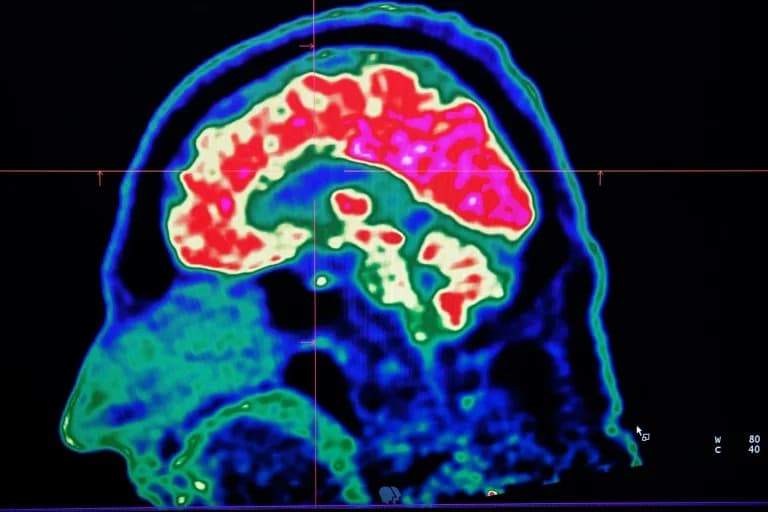
A picture of a human brain taken by PET scan (Fred TANNEAU)(Fred TANNEAU/AFP/AFP)
A Canadian provincial report released Friday concluded there is no evidence that environmental exposures caused an unusual cluster of neurological symptoms reported in New Brunswick over the past five years. The inquiry reviewed clinical records, living patients and autopsy findings and examined broader data on several hundred reported cases.
Background
In 2021, New Brunswick health officials opened an investigation after 48 patients presented with a range of neurological complaints—muscle spasms, memory loss, hallucinations and balance problems—without a clear shared diagnosis. The cluster prompted local concern and media coverage, with some residents referring to the condition as a "mystery brain disease."
Investigations and Key Findings
Provincial reviews, including a wider 2023 investigation that analyzed data on 222 people (about 75 percent of whom lived in or near Moncton), found no evidence of a single common illness or a widespread public-health issue among the patient group. A study published in the Journal of the American Medical Association reached a similar conclusion, reporting no evidence of one uniform disease linking the cases.
"We are able to conclude that our investigation found no evidence of a widespread issue among this patient group," the final report states. "We do not feel that exposure to these substances is a contributing factor to most patients' illness."
Investigators reviewed clinical assessments of living patients and autopsy results to reach their conclusions. While some individual patients continue to experience unexplained symptoms, the report found many cases may be attributable to diagnosable conditions after more thorough assessment.
Concerns About Clinical Reporting And Recommendations
The report raised concerns about aspects of the work of neurologist Dr. Alier Marrero, who had publicly suggested an environmental cause—such as elevated herbicide or toxic metal levels—for some patients' symptoms. The provincial review recommended stricter diagnostic steps: before a neurological condition is labeled "undiagnosed," a patient should be evaluated by at least two specialists to confirm that no established diagnosis applies.
New Brunswick Premier Susan Holt has said the government will continue to support patients and seek answers where questions remain. The report closes the province's formal investigation but acknowledges that individual patient care and further clinical follow-up remain important.
Help us improve.