Researchers re-examined a 90-foot graffiti-filled corridor in Pompeii and documented 79 previously unread inscriptions among more than 200 marks preserved since Vesuvius’s eruption in 79 C.E. The multidisciplinary "Corridor Voices" team used Reflectance Transformation Imaging and other digital tools to recover faint texts. Highlights include a four-inch gladiator carving, love notes from figures such as Methe and Cresto, and crude insults that mirror modern social behavior. The Archaeological Park plans a protective roof to preserve the plaster and help interpret Pompeii’s 10,000+ inscriptions.
79 Newly Read Graffiti in Pompeii Reveal Intimate Snapshots of Everyday Life
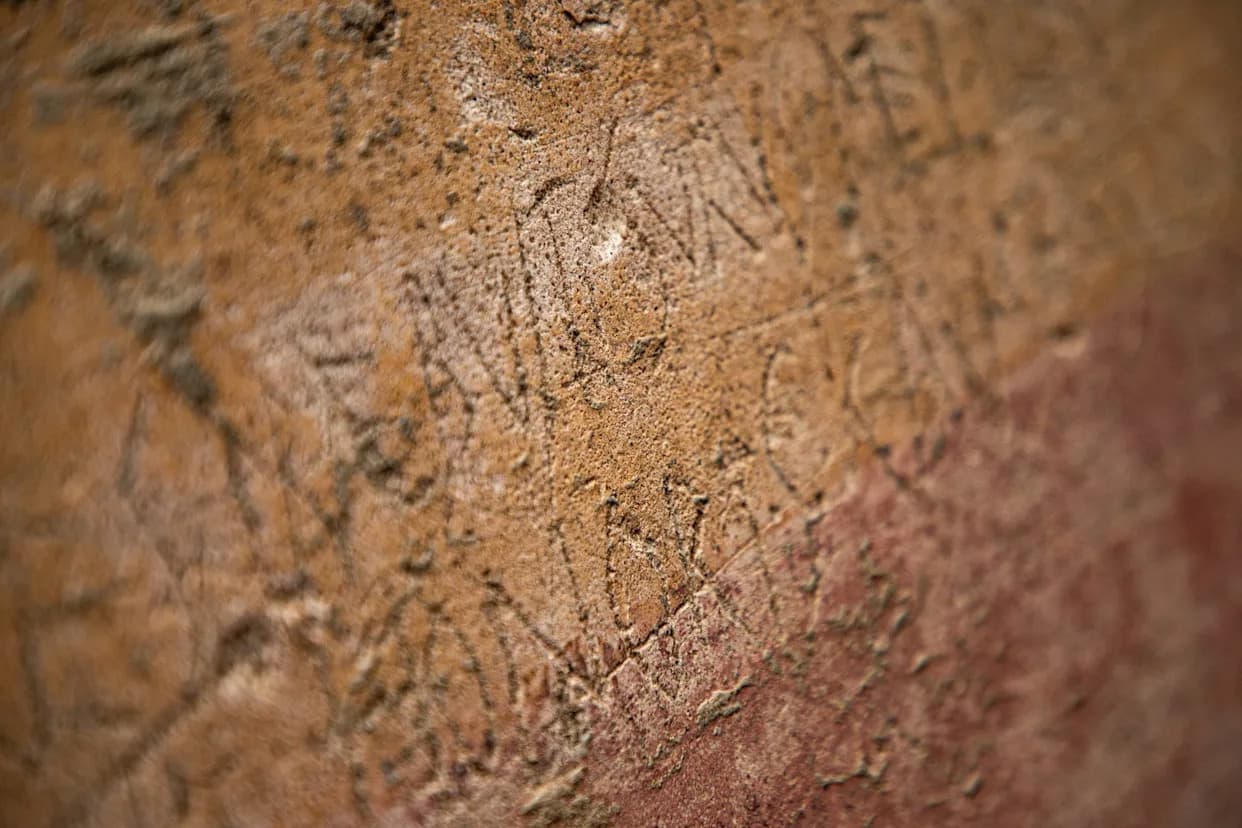
Archaeologists Found Ancient Graffiti in Pompeiiby Andrea Pucci - Getty Images
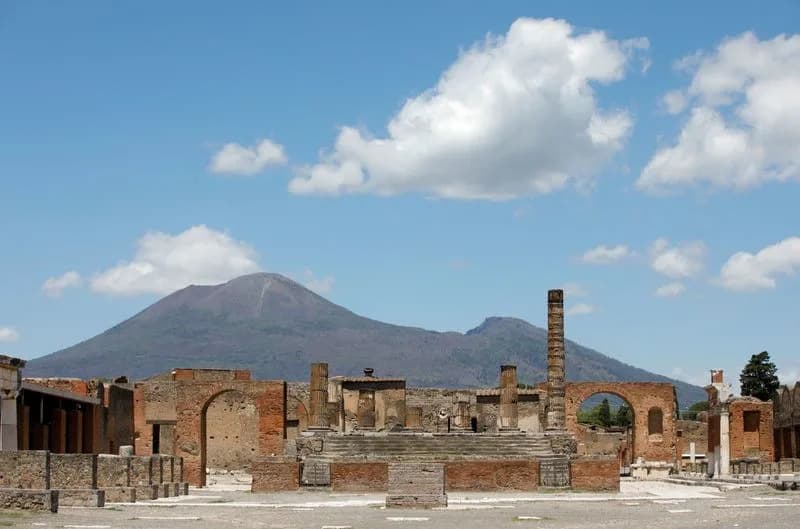
Archaeologists have decoded 79 previously unrecorded graffiti inscriptions in a famously scrawled 90-foot corridor of Pompeii, offering fresh, vivid glimpses of daily life more than two millennia ago.
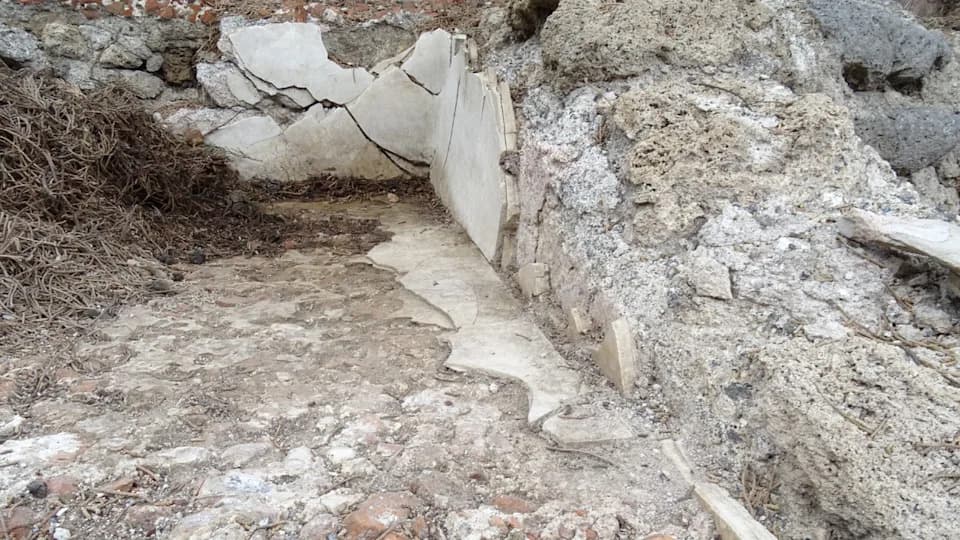
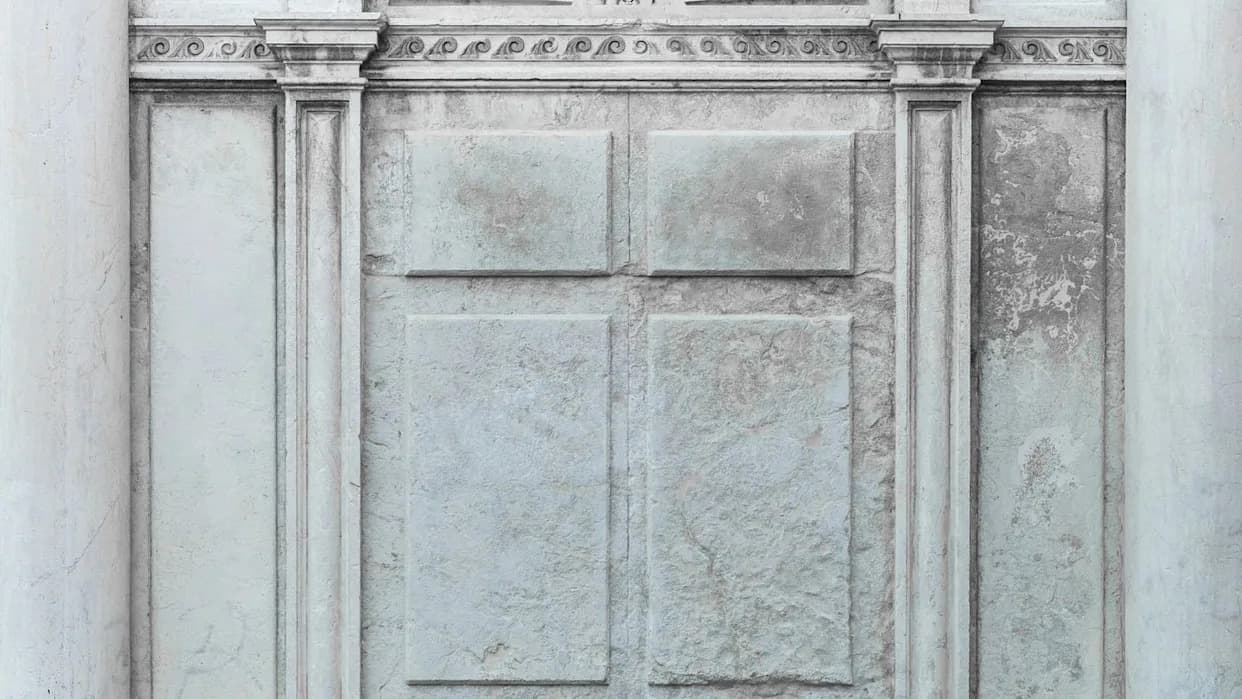
Located beside the city’s theater district and first uncovered over 230 years ago, the passage is one of Pompeii’s densest concentrations of graffiti. Buried and preserved by Mount Vesuvius’s ash in 79 C.E., the corridor’s plaster retained everything from petulant insults to tender love notes and small works of art.
How the Team Unearthed New Messages
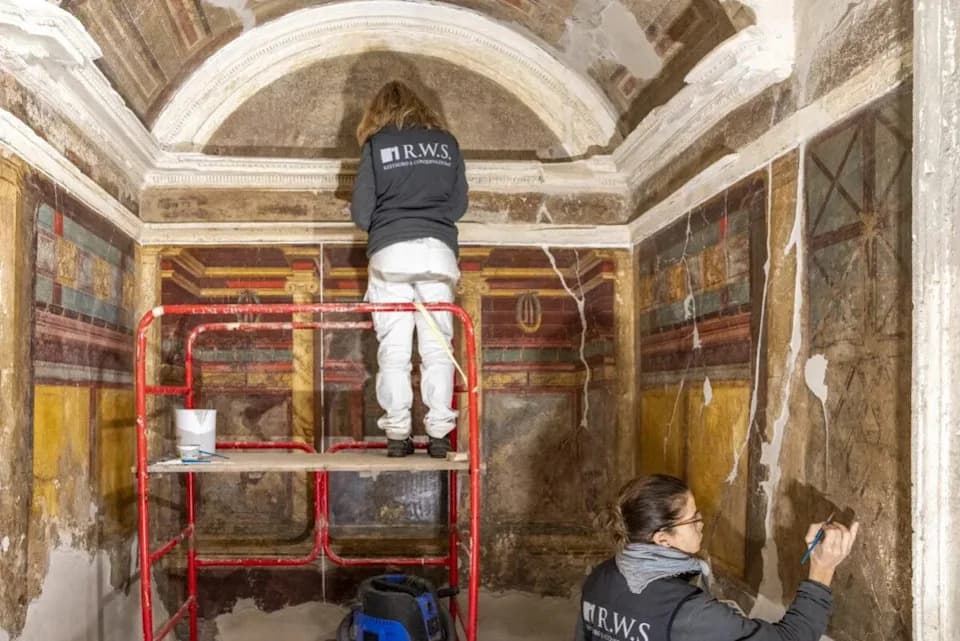
Researchers from Sorbonne University and the University of Quebec in Montreal, in partnership with the Archaeological Park of Pompeii, led the multidisciplinary “Corridor Voices” project. Combining epigraphy, archaeology, philology and digital humanities, the team re-examined more than 200 graffiti examples using advanced imaging methods, notably Reflectance Transformation Imaging (RTI), to make faint incisions legible. Their methods and findings were published in the electronic journal Degli Scavi di Pompei.
What the Inscriptions Reveal
The newly read marks echo behaviors still familiar today. Among the discoveries:
A carved gladiator scene: Near the theater steps, a finely composed engraving depicts two gladiators locked in combat with swords raised and shields extended; each figure measures roughly four inches tall, suggesting the artist recalled a remembered spectacle.
Love and longing: Several inscriptions convey affection and domestic pleas, including lines such as, “I am in a hurry. Farewell, my Sava, make sure you love me!” and a prayer from a slave named Methe asking the goddess Venus to bless her love for Cresto. A fragmentary line reads simply, “Erato loves …”
Scorn and crude humor: Graffiti also carries barbs. One taunt reads, “Miccio-cio-cio, you broke your father’s stomach while he was defecating; look how Miccio is!” — a reminder that invective and crude jokes have long been part of public life.
Preservation and Public Access
Although millions of tourists walk past the corridor at the UNESCO World Heritage site each year, the faintest marks required digital enhancement to be recovered. The Archaeological Park of Pompeii plans to install a protective roof over the passage to shield the plaster from weathering. Park director Gabriel Zuchtriegel noted that technology is "opening new rooms of the ancient world" and emphasized efforts to protect and interpret Pompeii’s more than 10,000 inscriptions.
By restoring these texts within their spatial context, the project paints a richer picture of social interaction—revealing how theatergoers, passersby, slaves and other residents used public space to express identity, affection and rivalry. The findings underscore how everyday human behaviors — humor, love, and competition — can bridge two thousand years of history.
Help us improve.