Archaeologists in Fano, central Italy, have uncovered a more-than-2,000-year-old basilica whose rectangular plan appears to match descriptions by the Roman architect Vitruvius. Officials, including Culture Minister Alessandro Giuli and regional superintendent Andrea Pessina, called the correspondence "sensational" and unusually precise. Excavators even found a corner column in the exact position predicted from Vitruvius’s De architectura. Further digs will determine the site's full extent and whether it can be opened to the public.
Italy Unearths 2,000-Year-Old Basilica in Fano That Matches Vitruvius’s Designs

Italian Minister of Culture Alessandro Giuli attends an Italy-Albania Intergovernmental Summit at Villa Doria Pamphili on November 13, 2025 in Rome, Italy. (photo credit: Antonio Masiello/Getty Images)
Italian archaeologists have announced the discovery of a public basilica in Fano, central Italy, whose layout appears to match descriptions given by Marcus Vitruvius Pollio — the Roman architect and engineer long celebrated as the "father of architecture." The find, dated to more than 2,000 years ago, has drawn strong reactions from cultural officials and specialists who say the match between text and remains is unusually precise.
The Discovery
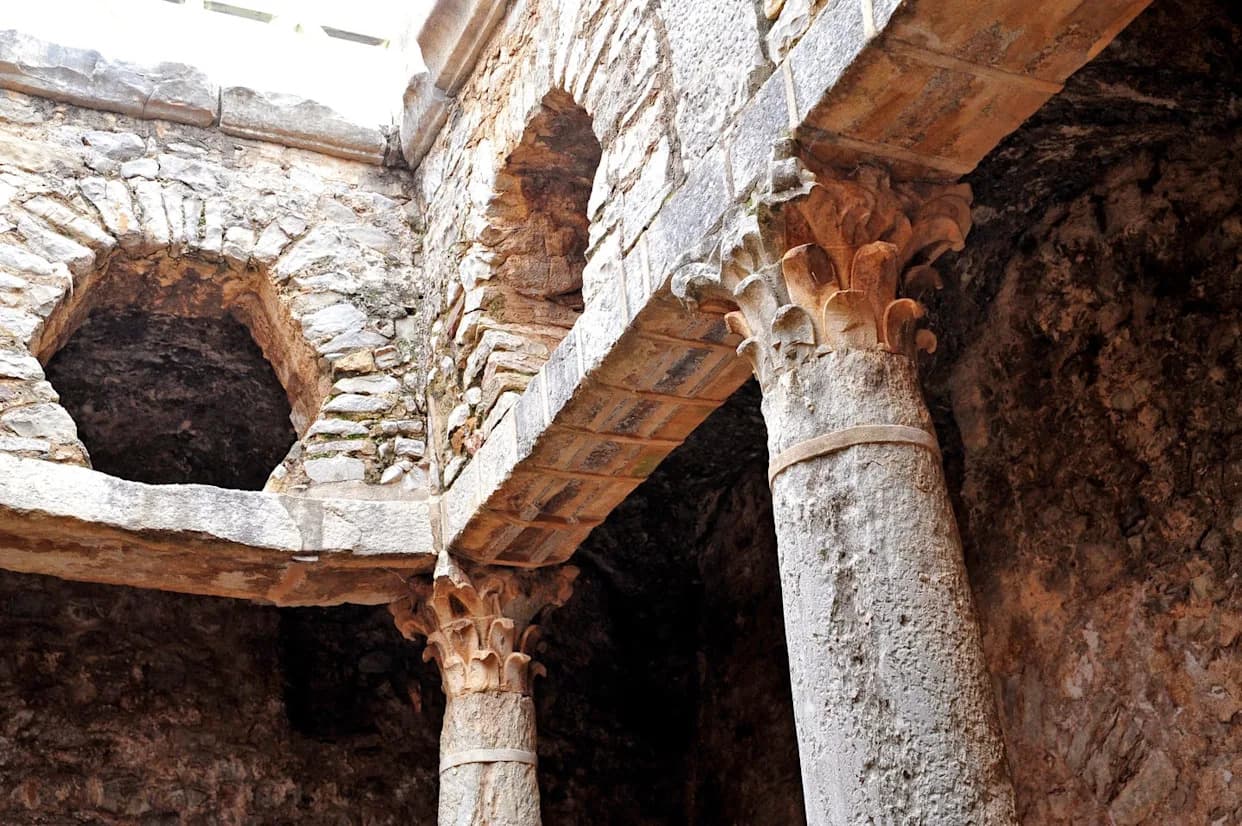
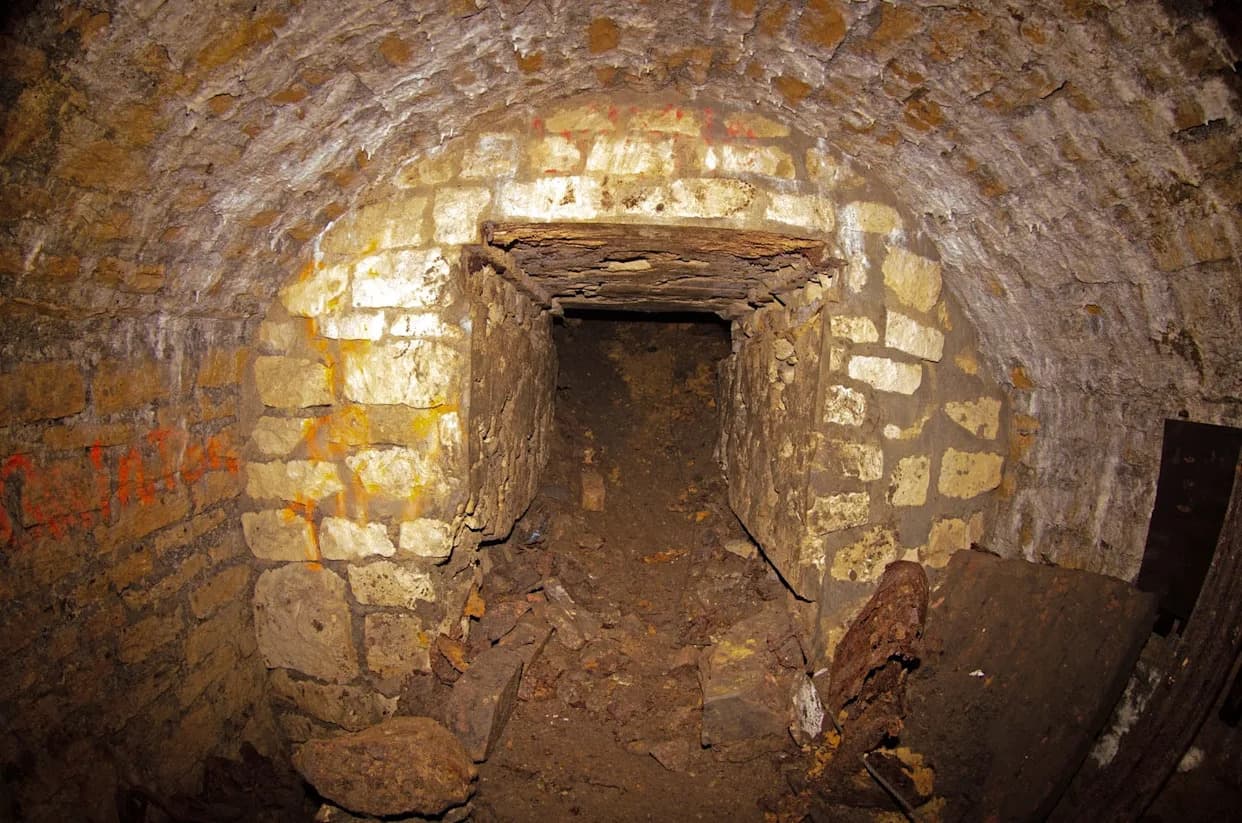
The remains were uncovered during excavations in the city of Fano, northeast of Rome. Regional archaeological superintendent Andrea Pessina said the site’s rectangular plan corresponds closely to Vitruvius’s prescriptions in De architectura. According to Pessina, the basilica featured 10 columns on each long side and 4 on each short side.
"We have an absolute match between what was discovered and the descriptions given by Vitruvius," said Andrea Pessina.
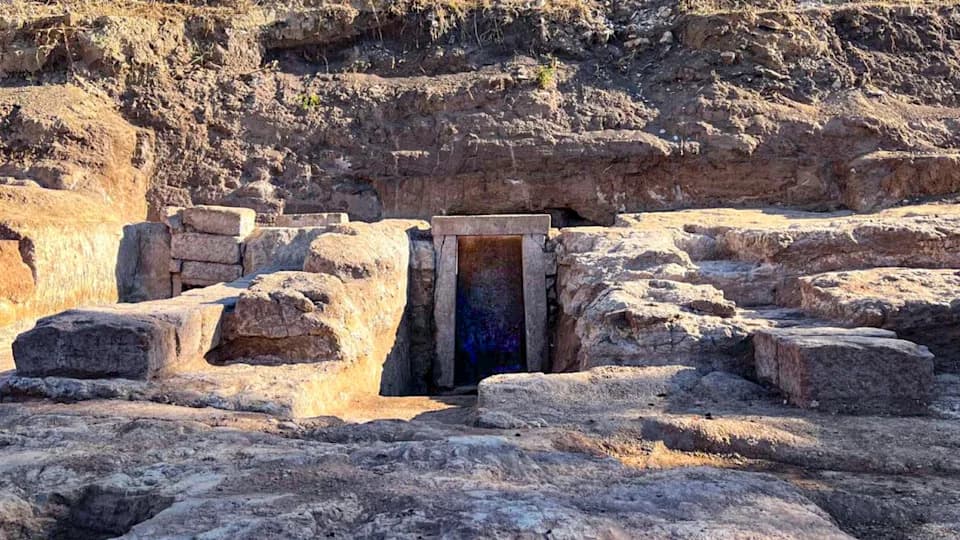
Excavators initially exposed traces of four columns. Using the measurements and descriptions in Vitruvius’s text, they predicted the location of the top-right corner column; when they dug at that spot, the column appeared immediately, Pessina said. Fano’s mayor, Luca Serfilippi, described the find as the result of centuries of scholarly searching and called it a major historical discovery.
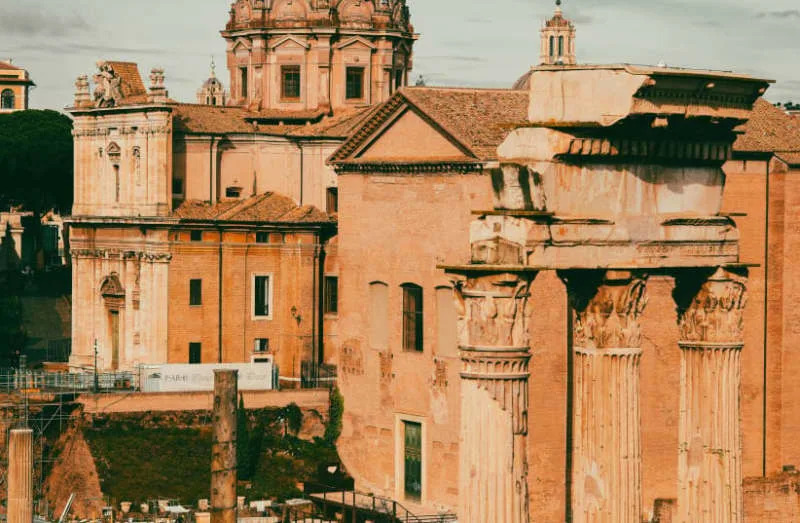
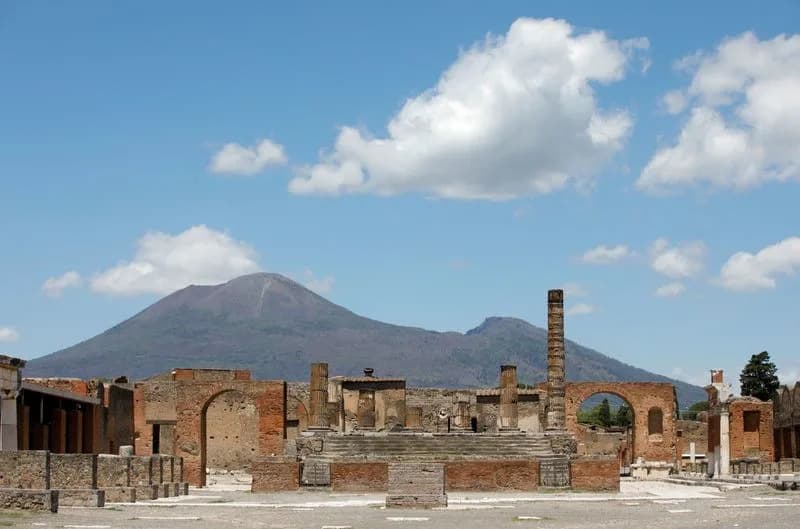
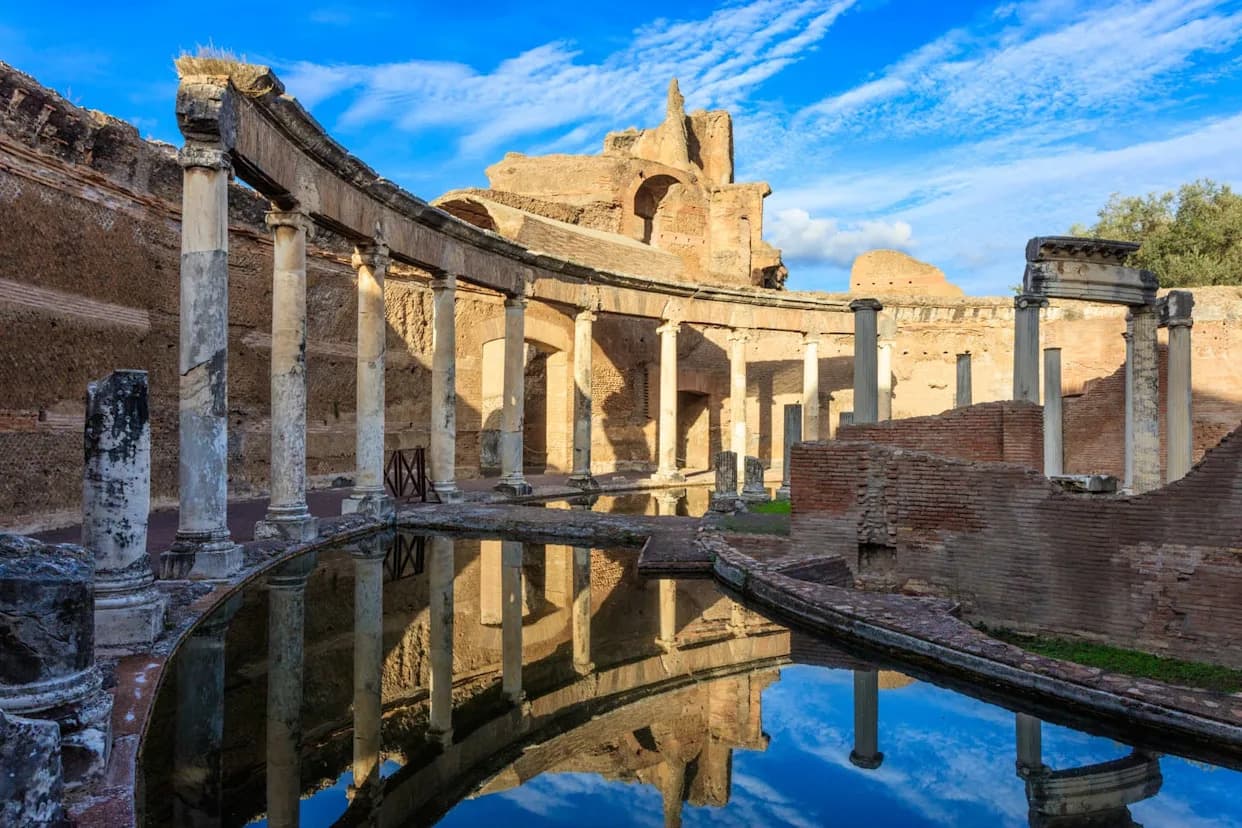
The Roman Forum and its ruins, including the three columns on Palatine Hill in Rome, Italy, on December 3, 2025. (credit: André Bourriquen / Hans Lucas / AFP via Getty Images)
Reaction and Significance
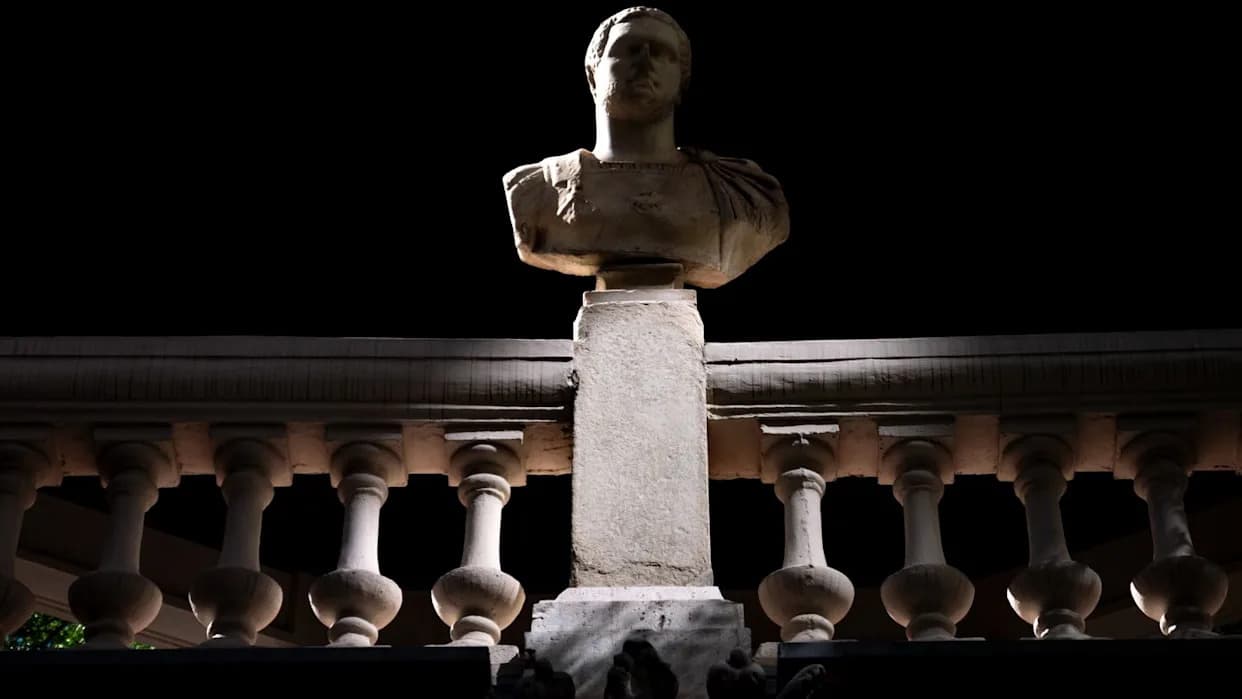
Italian Culture Minister Alessandro Giuli called the find "sensational," saying it will be discussed for generations. Vitruvius, who wrote De architectura in the 1st century BC, established principles of proportion and building technique that shaped classical architecture and later inspired figures such as Leonardo da Vinci (notably his "Vitruvian Man").
Experts say this discovery could provide rare, tangible evidence linking archaeological remains to the practical application of Vitruvian theory in Roman civic architecture.
Next Steps
Archaeologists plan further excavations to determine how much of the basilica survives underground and whether the site can be prepared for public display. Conservation specialists and local authorities will need to assess the structure’s condition and the logistics of opening the area to visitors.
Note: While officials emphasize a strong correspondence with Vitruvius’s descriptions, formal attribution in archaeology typically requires continued study, dating, and peer review.
Help us improve.