Archaeologists at Villa Poppaea in Oplontis have uncovered exceptionally preserved frescoes, mosaics and four previously unknown rooms sealed by Vesuvius’s A.D. 79 eruption. The finds include a nearly complete peahen fresco, theatrical mask fragments and lava-cast tree imprints, and may indicate a private bathing complex. The villa may be linked to Poppaea Sabina, Nero’s wife, adding potential imperial context. These discoveries deepen our understanding of elite Roman domestic life and landscape design.
Villa Poppaea Uncovered: Exceptionally Preserved Frescoes and Hidden Rooms Near Pompeii
Unsplash- T. Selin Erkan
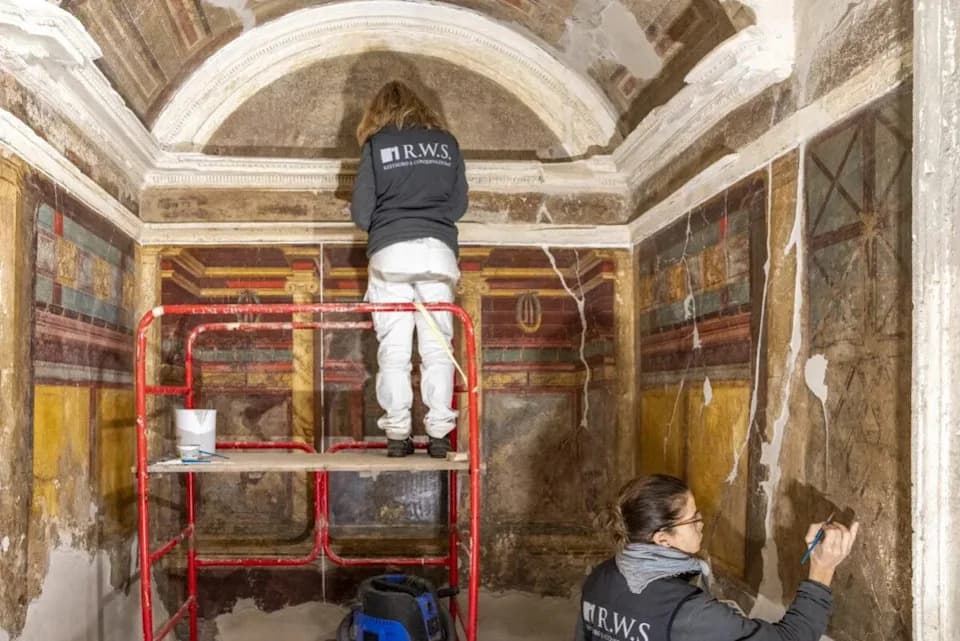
Archaeologists working at the Villa Poppaea in Oplontis, near Torre Annunziata just south of Naples, have announced a major discovery: richly colored frescoes, intricate mosaics and four previously unknown rooms that were sealed almost intact by the A.D. 79 eruption of Mount Vesuvius.
Rich Artistic Finds
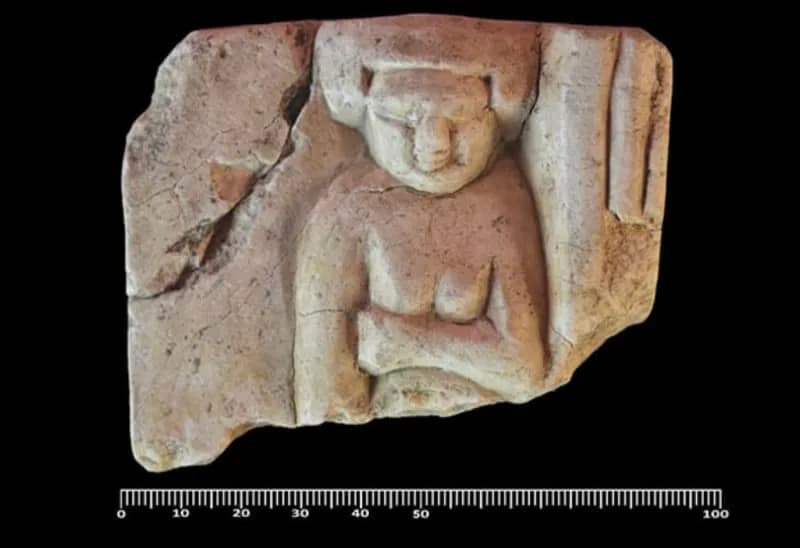
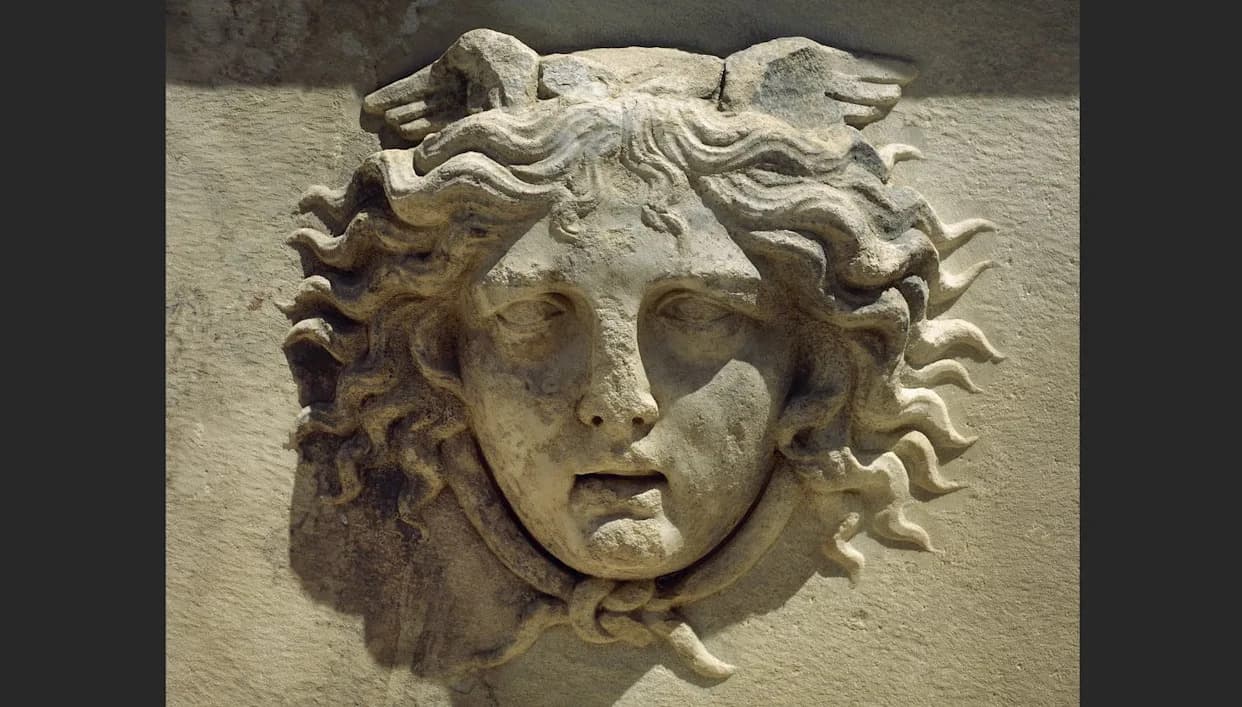
The excavation revealed a nearly complete peahen fresco that complements an earlier-discovered peacock mural, fragments of theatrical masks, and elaborate mosaic floors. The painted scenes and decorative details retain remarkable clarity, offering a rare window into elite Roman taste and domestic display.
New Rooms And Domestic Layout
Teams opened four rooms never before recorded, bringing the villa's documented spaces to more than 100. One of the new areas appears to be part of a private bathing suite, suggesting sophisticated spa facilities for the villa’s occupants. In the garden, archaeologists identified lava-cast tree imprints that preserve impressions of the landscape design.
Possible Imperial Connection
Scholars note that the villa may have belonged to Poppaea Sabina, the second wife of Emperor Nero, or members of her extended family. If confirmed, the association would place the estate in an imperial context, adding historical as well as artistic significance to the find.

Unsplash- Hongbin
Why This Matters
Beyond its beauty, the discovery enriches our understanding of elite Roman domestic life—architecture, decoration, leisure and garden design—frozen at the moment of Vesuvius’s eruption. The exceptional state of preservation makes Villa Poppaea an extraordinary resource for researchers studying material culture and social life in the early Roman Empire.
Context: The Eruption Of A.D. 79
In A.D. 79 Mount Vesuvius erupted violently, burying Pompeii, Herculaneum and neighboring settlements under ash, pumice and pyroclastic flows. The catastrophe killed many residents and abruptly halted daily life, but it also created conditions that preserved buildings, objects and organic traces for millennia.
Visiting Tips
Villa Poppaea (Oplontis) is a separate archaeological site near Torre Annunziata but is often visited together with Pompeii. From Naples or Sorrento, take the Circumvesuviana train to the Pompei Scavi – Villa dei Misteri station to reach the main Pompeii entrances. Practical tips:
- Wear comfortable shoes: paths and surfaces are uneven.
- Bring water, sun protection and a hat in summer.
- Allow at least half a day to explore the archaeological park; guided tours add valuable context.
Why Visit: The new frescoes and hidden chambers at Villa Poppaea demonstrate that archaeological discovery is ongoing—after two thousand years, sites around Vesuvius continue to reveal fresh insights into Roman life.
This article is based on reporting originally published by TravelHost on Jan 6, 2026, in the Attractions section.
Help us improve.