A major winter storm will move across 20+ states from Friday through the weekend, with storm watches covering 122 million people and up to 230 million potentially affected. Heavy snow (some areas 12+ inches), power outages and travel disruptions are likely. Prepare your home by stocking nonperishable food, testing heat and safety equipment, and protecting pipes; ready your vehicle and pack emergency kits for pets and children.
Major Winter Storm This Weekend — How to Prepare Your Home, Car and Pets
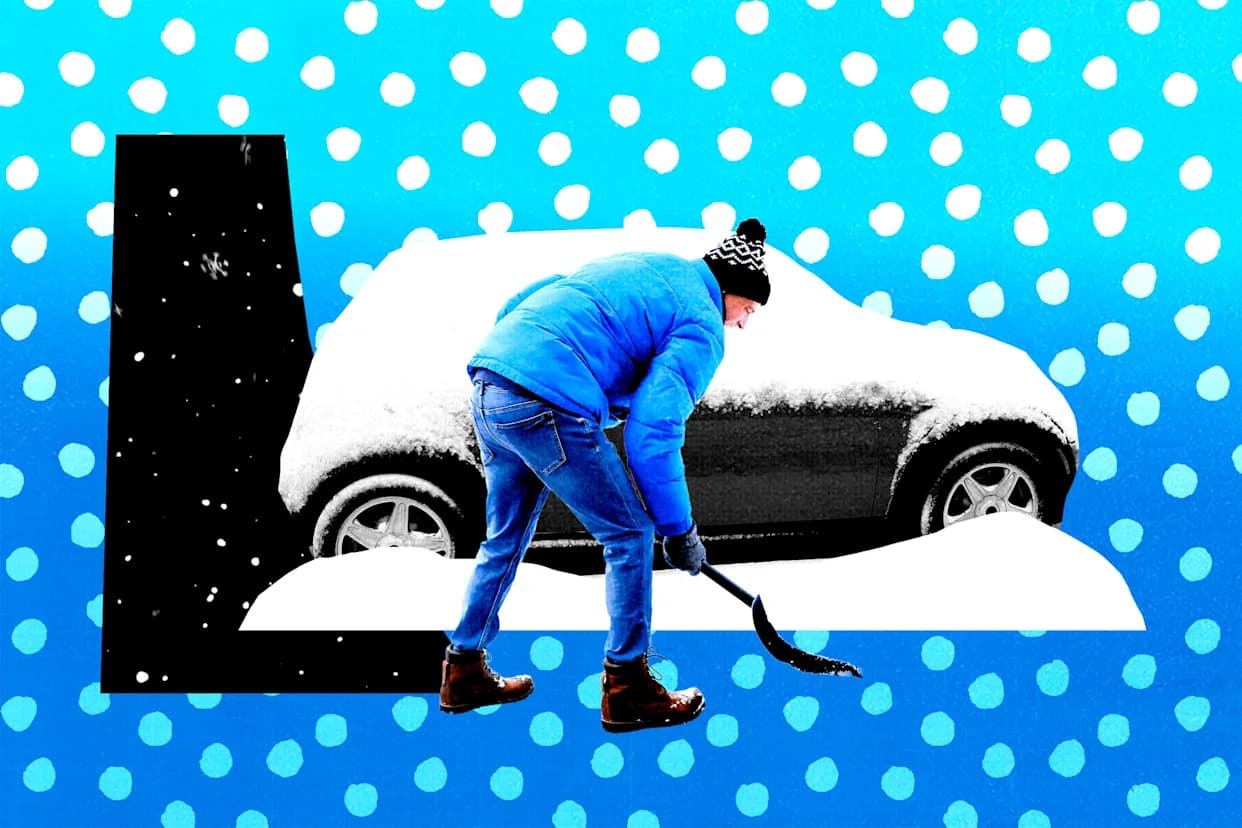
A winter storm is forecast to hit millions of people across the U.S. this weekend.(Photo illustration: Jenny Chang-Rodriguez/Yahoo News; photos: Getty Images)
A significant winter storm will sweep across more than two dozen states from New Mexico and Texas to parts of New England beginning Friday and continuing through the weekend. The National Weather Service reports storm watches for more than 122 million people, and meteorologists say as many as 230 million Americans could be affected. Some areas may see 12+ inches of snow, with likely power outages, travel disruption and school closures.
What To Expect
Officials warn that the primary risks are loss of heat, power and phone service, plus shortages of supplies if severe conditions persist beyond a day. AccuWeather’s chief meteorologist has noted that extended outages are possible in some regions, so take steps now to protect your household, vehicles and pets.
Prepare Your Home
Before the storm arrives, gather supplies and take simple precautions to reduce hazards and the risk of damage:
- Stock nonperishable foods (nuts, canned goods, granola bars), refill prescriptions and secure baby formula or extra pet food.
- Confirm carbon monoxide detectors and smoke alarms are working; keep a fire extinguisher accessible.
- Have flashlights with fresh batteries and a battery-powered or hand-crank radio for emergency updates.
- If you use an emergency heat source (fireplace, wood stove, space heater), ensure proper ventilation and follow manufacturer safety guidelines to prevent fire and CO poisoning.
- Protect outdoor pipes by shutting off and draining exterior valves and spigots. Indoors, keep temperatures above 55°F, open cabinet doors to warm plumbing, insulate exposed pipes and allow a slow drip from cold faucets to help prevent freezing.
- Clear vents of leaves/debris, check attic and dryer vents, and consider a roof rake for heavy snow on vulnerable roofs.
Preparing Your Vehicle
Avoid driving during the storm if possible. If travel is necessary, follow these steps recommended by the National Highway Traffic Safety Administration:
- Inspect tires for tread and damage; cold reduces tire pressure — inflate to the manufacturer’s recommended PSI. Consider snow or winter tires if you expect to drive in heavy snow.
- Test the battery and verify headlights, brake lights, turn signals and interior lights are working.
- Replace worn wiper blades and fill the washer reservoir with de-icing fluid. Use winter-friendly floor mats to avoid slipping under pedals.
- Top off fuel or charge electric vehicles before the storm.
- Pack an emergency car kit: shovel, ice scraper, jumper cables, tow strap, flashlight, blankets, extra warm clothing, nonperishable snacks, bottled water, phone charger, first-aid kit (include a tourniquet), and a small bag of sand or kitty litter for traction.
- When transporting children, do not buckle bulky coats in car seats; instead, use blankets over the harness after securing the child.
Food, Supplies and Equipment
Choose items that don’t need refrigeration or heating and will last several days:
- Nut butters, canned beans and tuna, crackers, dried fruit, granola bars, shelf-stable fruit, cereal, powdered milk and jerky.
- Home emergency gear: battery-operated lights or headlamps, extra batteries, snow shovel, ice scraper, pet-safe ice melt, roof rake, generator (with safe fueling and placement), space heater (follow safety guidelines), extra blankets and warm clothing.
- Stock up on activities that don’t need power (books, board games) to keep children and families occupied during outages.
Plan For Pets
Storms can stress animals. The ASPCA recommends letting pets find secure hiding spots or creating a quiet interior space. Distract them with TV or music and consider anxiety wraps. Talk with your veterinarian ahead of time if your pet has severe anxiety.
Prepare a pet "go bag" with at least one week of food and water, medications, a collar, ID tags, medical records, a recent photo, cleanup supplies, a first-aid kit, and a crate or carrier. For cats, include litter and a portable litter box, plus familiar items like a blanket or toy.
Children And Cold-Weather Safety
Dress children in layers and cover head, neck and hands; avoid loose scarves and hoods for young children due to strangulation risk. Limit time outside when wet or very cold. Only sled in safe areas away from roads and always use helmets for sledding, skating or other winter sports.
Know the signs of hypothermia (body temperature below 95°F): slurred speech, weak pulse, confusion, excessive shivering and clumsiness. Recognize frostbite by pale, red or purple skin, hard or waxy texture, numbness or tingling. If frostbite is suspected, move indoors, warm the area gently in warm (not hot) water, and seek medical care if there is swelling, blisters, blackened skin or loss of function.
Quick Checklist
- Stock 72-hour supplies of food, water and meds
- Ensure detectors and alarms work; have flashlights and radio
- Protect pipes and prepare an emergency heat plan
- Pack a car emergency kit and check vehicle readiness
- Assemble pet go-bags and create safe spaces for animals and children
Stay informed — monitor local alerts from the National Weather Service and local authorities, and avoid travel during peak storm impacts if possible.
Help us improve.