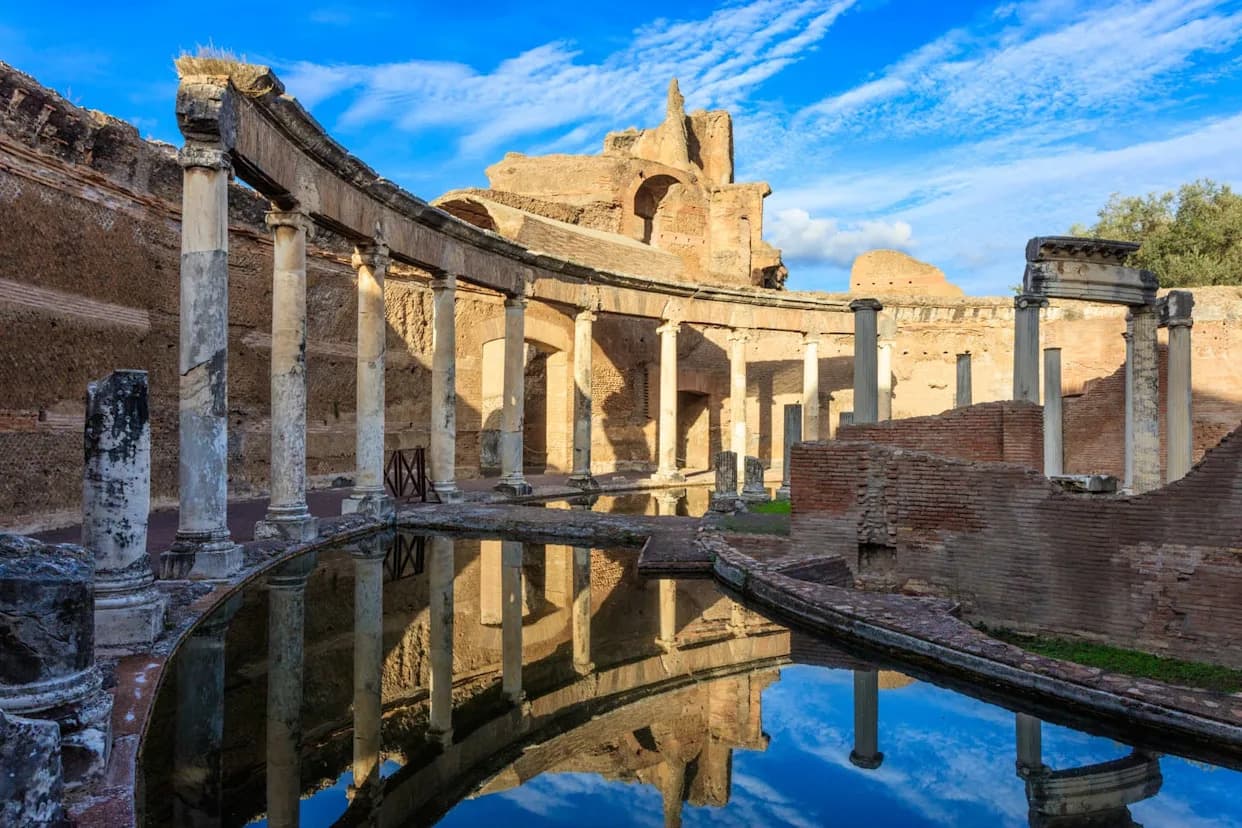
After a 13-year archaeological project at Interamna Lirenas, researchers found the town prospered far later than thought, remaining active into the late 3rd century AD. Geophysical surveys across about 60 acres, combined with targeted excavations, uncovered a roofed theatre, warehouses, a probable river port and three bath complexes. By prioritizing common domestic pottery over imported finewares, the team traced sustained local occupation and economic resilience. The absence of catastrophic destruction suggests a gradual abandonment driven by insecurity, not sudden collapse.
A 13-Year Dig Rewrites the Fate of Interamna Lirenas — A Roman Town That Thrived Into the 3rd Century AD
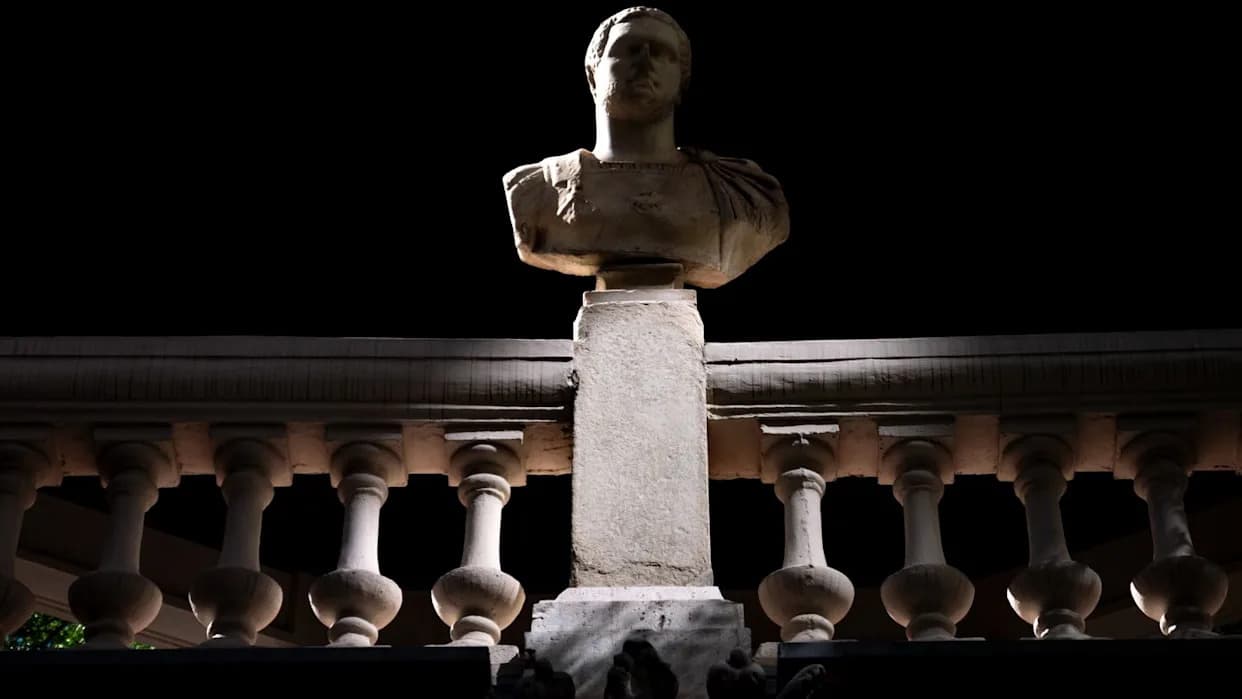
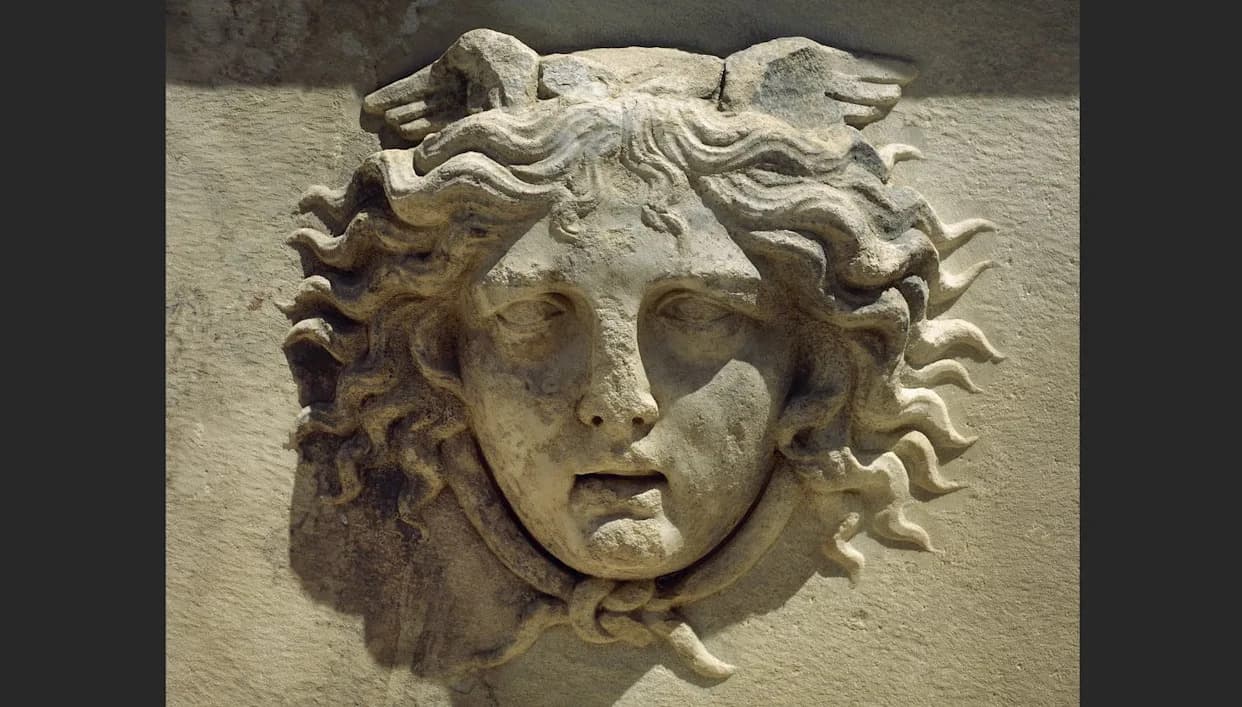
This ‘Backwater’ Roman Town Outlived the EmpireIvan Lopez Gonzalez - Getty Images
After a 13-year archaeological project, researchers have dramatically revised the history of Interamna Lirenas, a central Italian town long dismissed as a declining "backwater" of the Roman world. The study, led by Alessandro Launaro and published in Roman Urbanism in Italy, shows the town remained active and architecturally sophisticated well into the late 3rd century AD.
Survey and Method
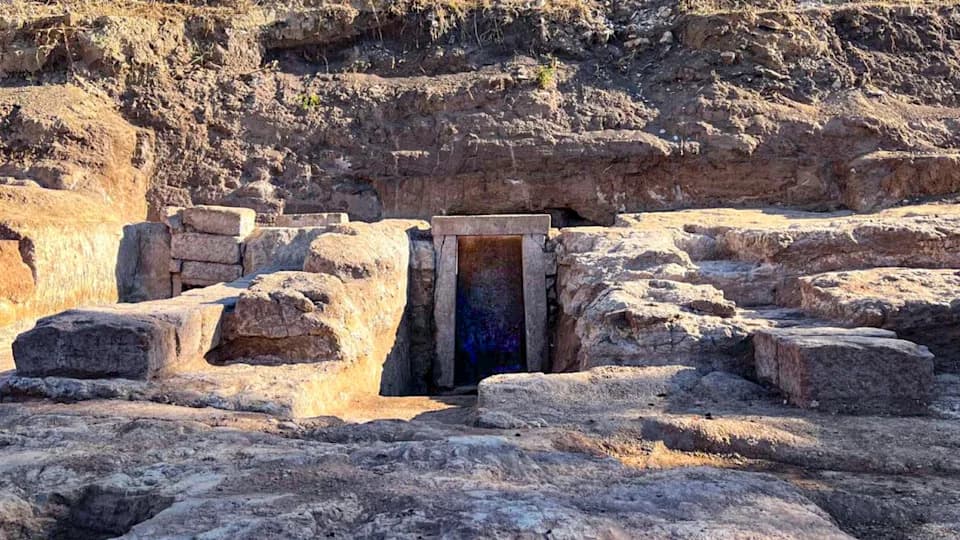
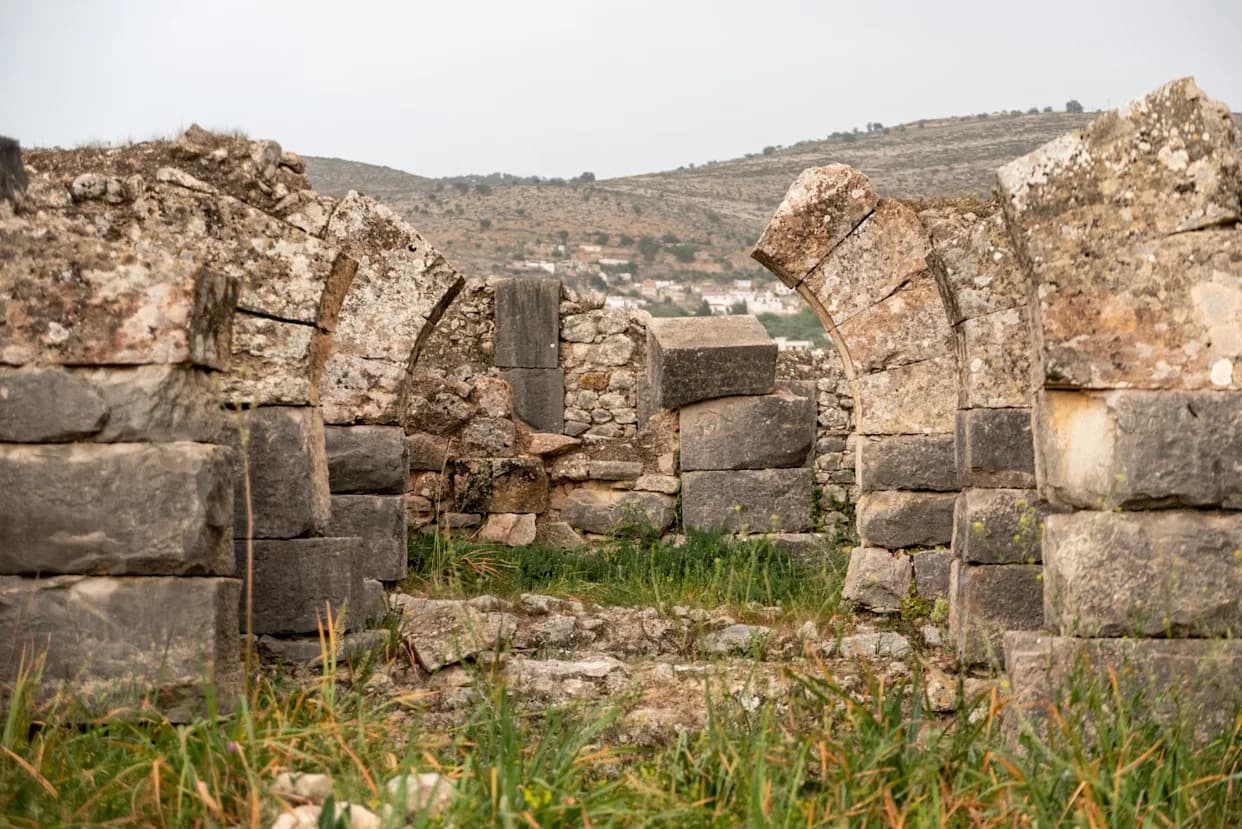
Archaeologists used magnetic surveying and ground-penetrating radar across roughly 60 acres (about 24 hectares) of mostly open land to map subsurface remains, then followed with targeted excavations to confirm the geophysical images. This combination of landscape-scale remote sensing and focused digging revealed a unexpectedly complex urban fabric beneath fields that appeared empty at the surface.
What Was Found
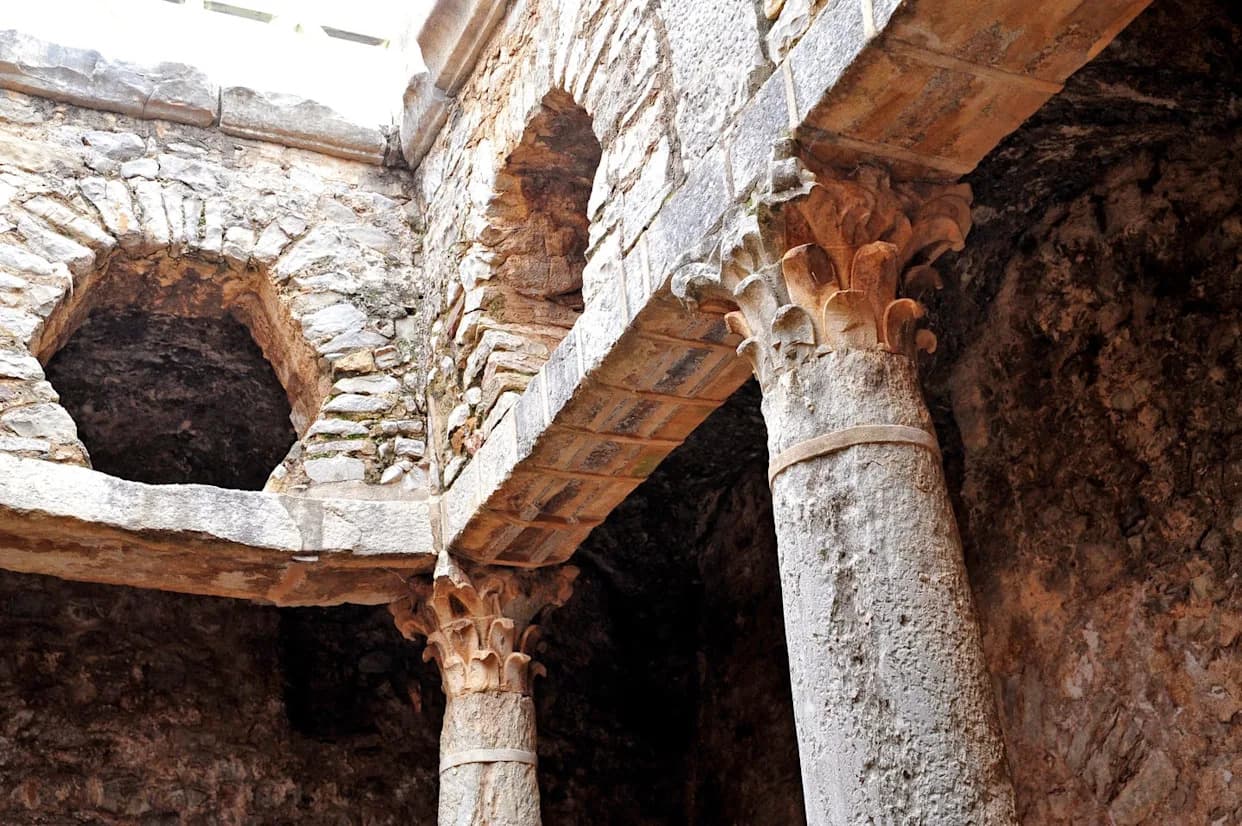
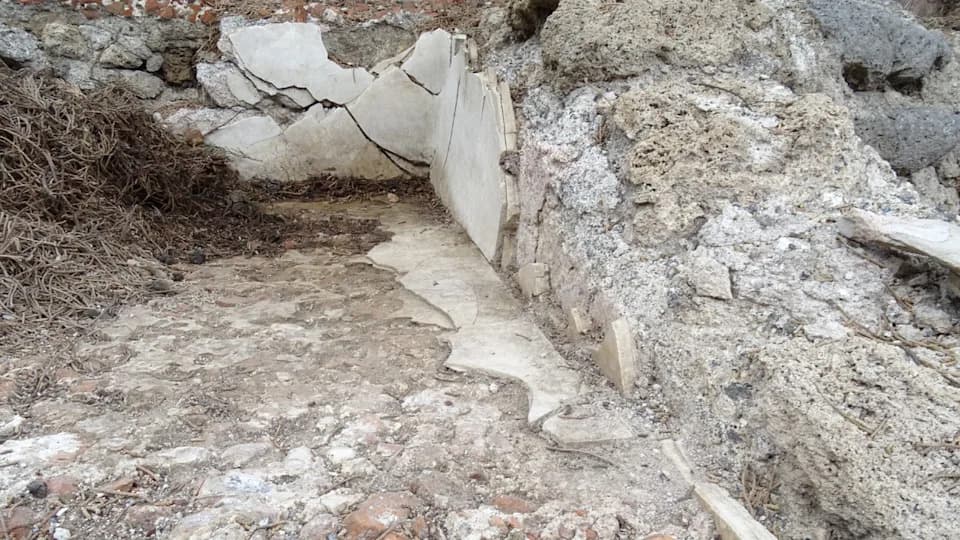
The team identified a suite of urban features that belie the notion of decline: a roofed theatre, multiple bath complexes, market areas and courtyard buildings, large warehouses, and evidence for a river port. Key discoveries include a roofed theatre approximately 147 by 85 feet (≈45 by 26 m) with seating for roughly 1,500; a warehouse measuring about 131 by 39 feet (≈40 by 12 m); and signs of at least three bath complexes.
Pottery, Population, and Economy
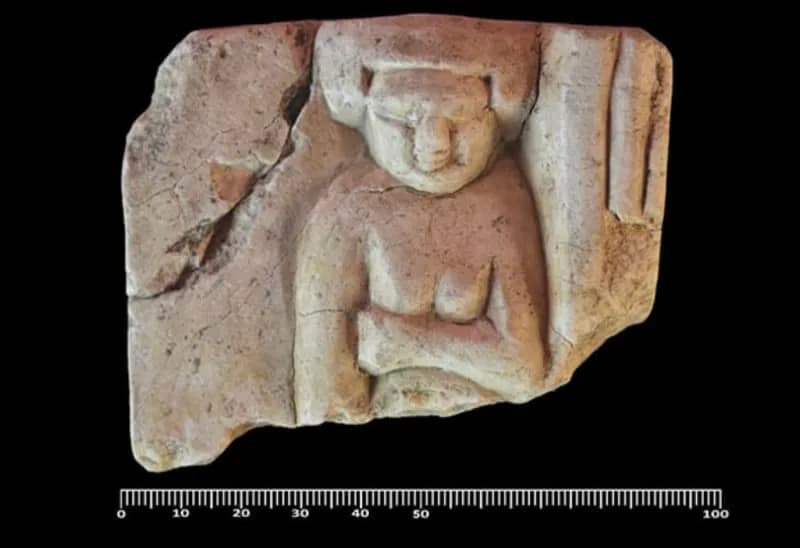
Crucially, researchers focused on common domestic pottery (cooking and locally made wares) rather than imported finewares. By tracing everyday ceramics, they mapped continued household activity and occupation into the late 3rd century AD. The town is estimated to have housed around 2,000 residents and appears to have supported local industries and regional trade, including a probable sheep and cattle market linked to the wool trade.
Regional Connections and Status
An inscription suggests Julius Caesar visited Interamna Lirenas in 46 BC, consistent with the settlement's role in a regional urban network sited between a navigable river (the Liri) and a major road. The layout — including warehouses near the river, temples, baths and public amenities — points to a community that actively maintained commercial links and invested in public architecture as a marker of status.
"We started with a site so unpromising that no one had ever tried to excavate it. That’s very rare in Italy," said Alessandro Launaro. "What we discovered wasn’t a backwater, far from it. We found a thriving town adapting to every challenge thrown at it for 900 years."
End and Significance
Unlike many contemporary sites, Interamna Lirenas shows no ash layer or clear archaeological evidence of violent destruction. The team argues the town was likely abandoned gradually as residents left in response to insecurity and the threat of marauding forces. This more gradual end — and the town's long-lived prosperity — reshapes how scholars understand the resilience of ordinary Roman towns during the empire's later centuries.
Why It Matters: The project highlights how modern survey techniques and attention to everyday material culture can overturn long-held assumptions about urban decline, revealing that many apparently "ordinary" towns may have sustained complex economies and social life far longer than previously recognized.
Help us improve.