Archaeologists working in Amasra, Turkey, discovered an unusual carving of Medusa smiling in the ceiling coffers of a Roman forum, a departure from the traditional fearsome gorgon image. The excavation—part of the Heritage for the Future project—covers about 30,000 square feet and has revealed marble columns up to 30 feet tall, with at least seven column bases exposed and three columns already re-erected. Researchers suggest the friendly Medusa likely symbolized peace and prosperity for the city. Restoration continues, and the team plans to open the reconstructed forum to visitors.
Smiling Medusa Found in Roman Forum at Amasra — A Rare Symbol of Peace and Prosperity
Experts Found an Odd Carving of a Mythical FigureHeritage Images
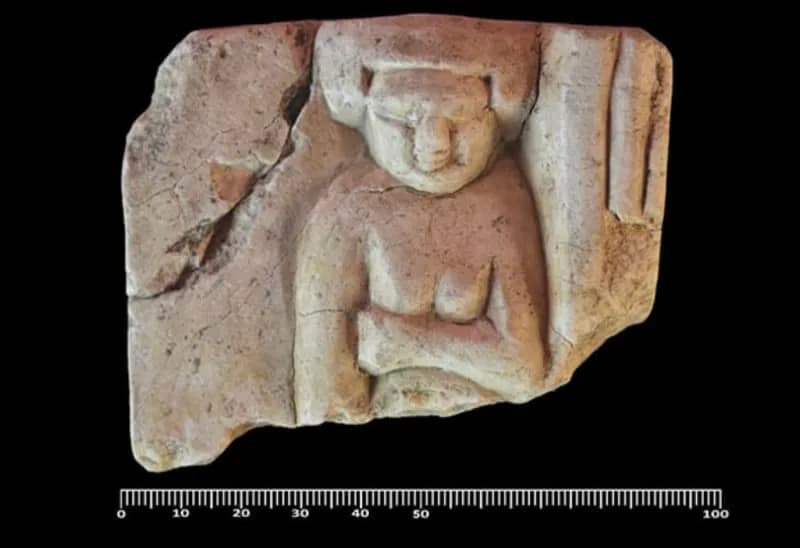
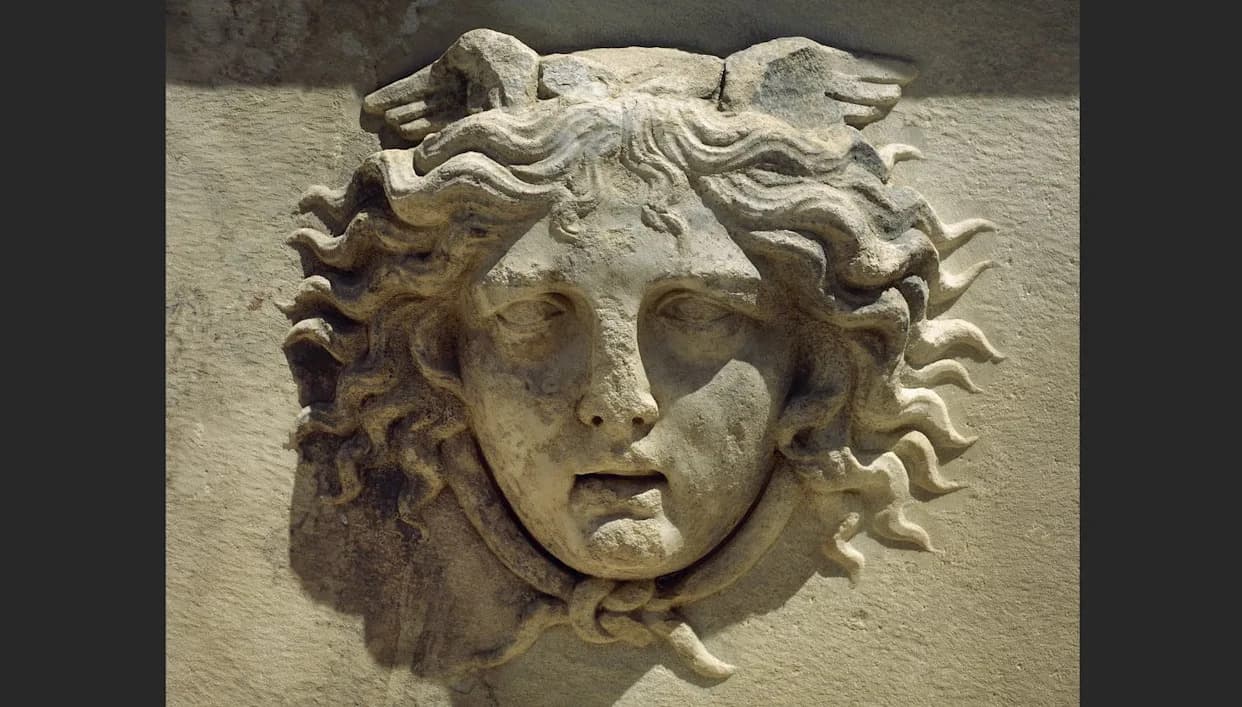
Archaeologists excavating a monumental Roman forum in Amasra (modern Amasra, Turkey) have uncovered an unusual carved image of Medusa: rather than the traditional terrifying gorgon, the figure is depicted with a gentle, childlike smile.

Photo credit: Hearst Owned
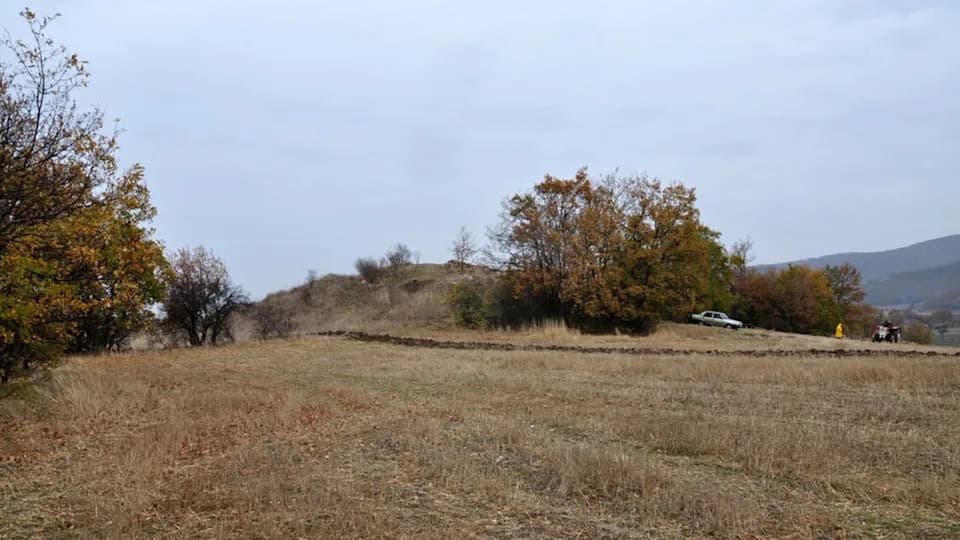
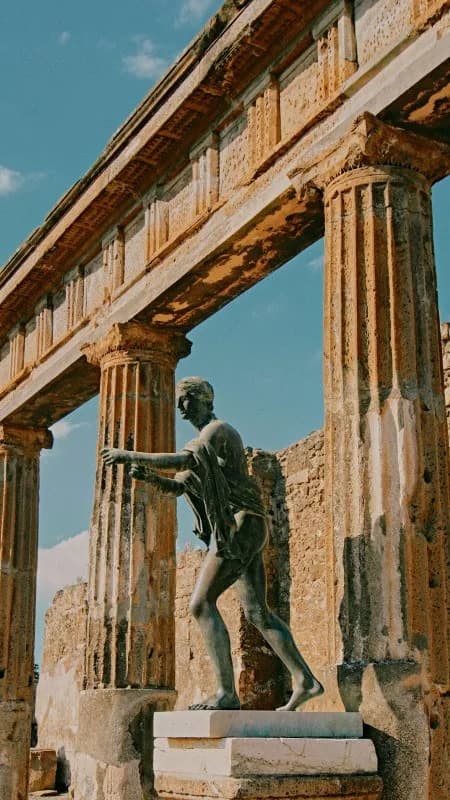
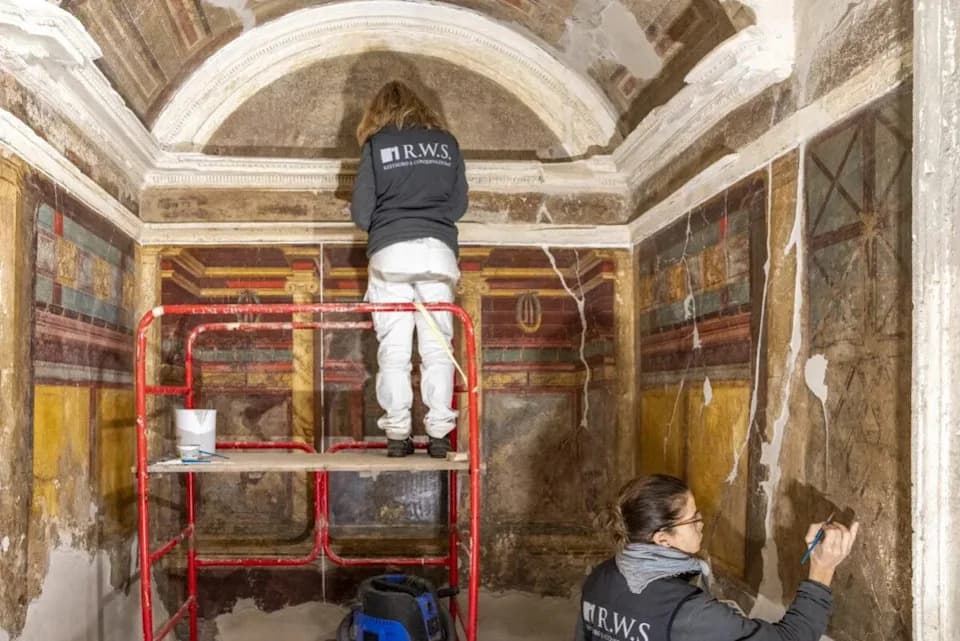
The carving appears on ceiling panels (coffers) of the forum’s columned gallery. Excavation of roughly a 30,000-square-foot area as part of Turkey’s Heritage for the Future project—run by the Ministry of Culture and Tourism with Bartin University’s Archaeology Application and Research Center—has revealed marble columns as tall as 30 feet and numerous architectural blocks.

Photo credit: Hearst Owned
Project teams have exposed at least seven column bases and associated decorative coffers; three full columns have already been re-erected as part of initial reconstruction work. Researchers plan further restoration with the goal of opening the site to visitors.

Photo credit: Hearst Owned
What Makes This Medusa Unique
Medusa is typically shown with snarling features and serpentine hair, a deliberately fearsome image used apotropaically to ward off harm. The Amasra carving upends that expectation. According to Fatma Bagdatli Cam, a professor at Bartin University, “Our Medusa was made just like an Eros, like the face of a very small child and in a smiling pose.”

Photo credit: Hearst Owned
“Our Medusa was made just like an Eros, like the face of a very small child and in a smiling pose,” — Fatma Bagdatli Cam, Bartin University.
Archaeologists interpret the warm expression as a civic emblem of wellbeing: instead of frightening away intruders, this Medusa may have symbolized peace and prosperity for the community that used the forum.

Photo credit: Hearst Owned
Broader Context and Next Steps
The forum (or stoa) would have been the urban heart of Amasra—hosting commerce, politics and social life—so each discovery helps reconstruct how the city functioned during Roman rule. Past finds at Amasra include the head of a statue of Alexander the Great, a nymph statue and multiple Lares figures associated with local Roman cult practices.

Photo credit: Hearst Owned
Excavation and restoration continue. The research team hopes further work will reveal more architectural elements and artifacts, and they aim to make the reconstructed forum accessible to both domestic and international visitors.
Significance: The smiling Medusa adds nuance to how ancient communities used mythic imagery—showing that iconic figures could be reinterpreted to convey civic values such as prosperity and harmony.
Help us improve.