Researchers reanalyzed 2007 samples from the NASA Phoenix lander cleanroom and identified 26 previously unknown bacterial species that tolerate disinfectants, UV exposure, and cleanroom conditions. Because these microbes survived standard sterilization protocols, researchers say some may have contaminated spacecraft and could theoretically survive portions of an interplanetary journey. Teams will test the strains in a planetary simulation chamber to evaluate survival under space and Martian conditions. The findings raise concerns about false positives in life‑detection efforts and reinforce the need for improved sterilization and planetary protection.
Scientists Identify 26 New Bacterial Species in NASA Cleanrooms — Could They Have Reached Mars?
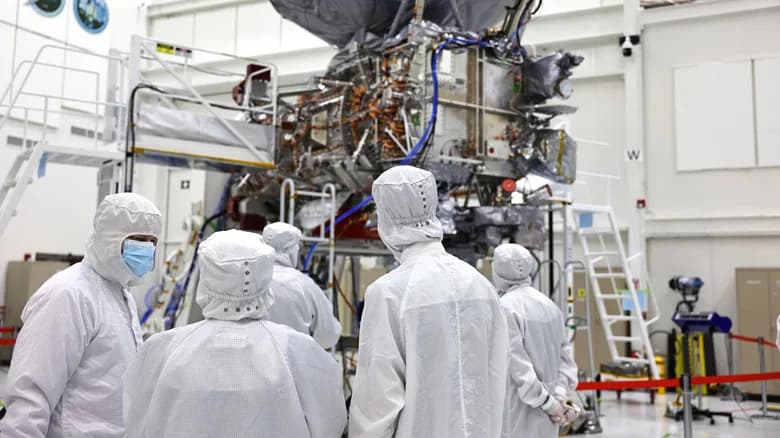
Engineers in scrubs at a NASA clean room at the Jet Propulsion Laboratory - Mario Tama/Getty Images
Researchers reexamined material collected in 2007 from the cleanroom where NASA's Phoenix Mars lander was assembled and, using modern genomic methods, identified 26 previously unknown bacterial species. Many of these microbes tolerate extreme conditions and survived standard cleanroom sterilization procedures.
What the Team Found
The newly described bacteria show resistance to common disinfectants and ultraviolet exposure, appear capable of slipping past some air filtration barriers, and endured the temperature and humidity cycles used to keep the assembly area sterile. Because they persisted through those measures, scientists say it is plausible that some strains could have contaminated spacecraft during assembly.
Why This Matters For Mars Missions
Terrestrial microbes on spacecraft pose two principal problems for Mars exploration: they can confound the search for native Martian organics and life (producing false positives), and they risk altering or contaminating the Martian environment, undermining planetary protection goals. Although interplanetary transfer remains hostile to life — with vacuum, extreme cold, intense radiation, and lack of nutrients — some microbes are capable of entering reversible dormant states that could, in principle, aid survival during long journeys.
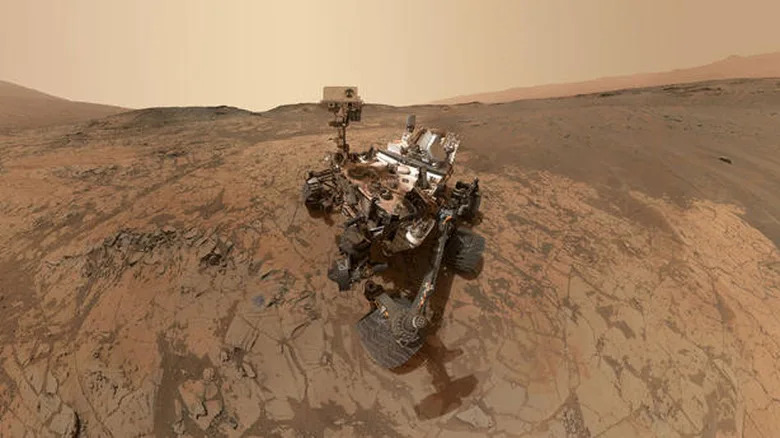
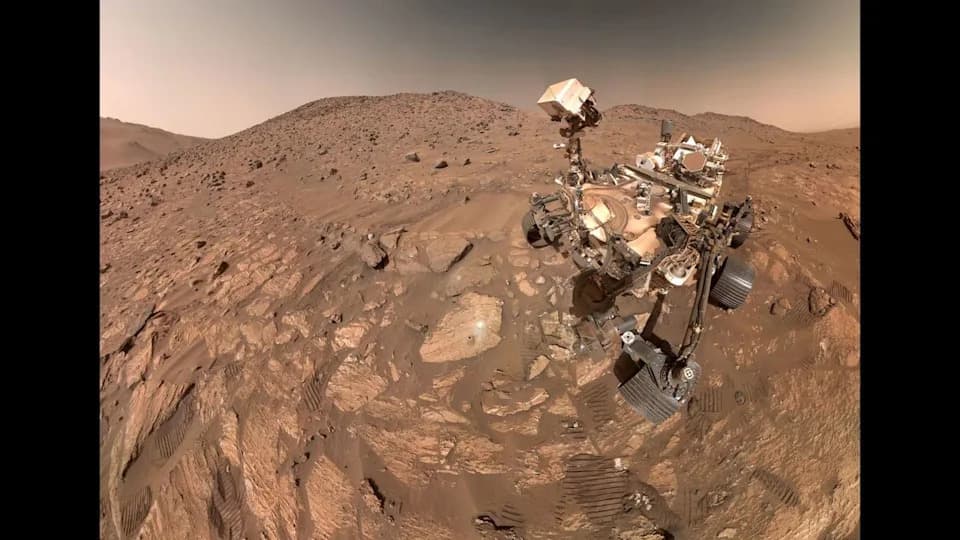
A selfie of the Curiosity rover on the surface of Mars - Nasa/Getty Images
Next Steps
Reports from Live Science and National Geographic describe plans to test these isolates in a planetary simulation chamber that reproduces the stresses of spaceflight and the Martian surface. Those experiments will help quantify whether the strains can survive transfer and persist under Martian conditions.
Broader Implications
There is no simple fix: the examined cleanrooms already follow cutting‑edge sterilization protocols. However, characterizing these resilient organisms can guide improved sterilization strategies for spacecraft assembly and suggest better practices for hospitals and other critical clean environments on Earth. For mission planners, the discovery underscores the need for rigorous contamination control and careful interpretation of life‑detection results.
Sources: Live Science, National Geographic (coverage of the new genomic analyses and planned simulation experiments).
Help us improve.